

 プレビュー
プレビュー
 プリントを購入
 シェアする
シェアする シェアする
シェアする
 詳細を見る
詳細を見る

 ダウンロード
 似ている作品
 X線調査
X線調査 スライドショー
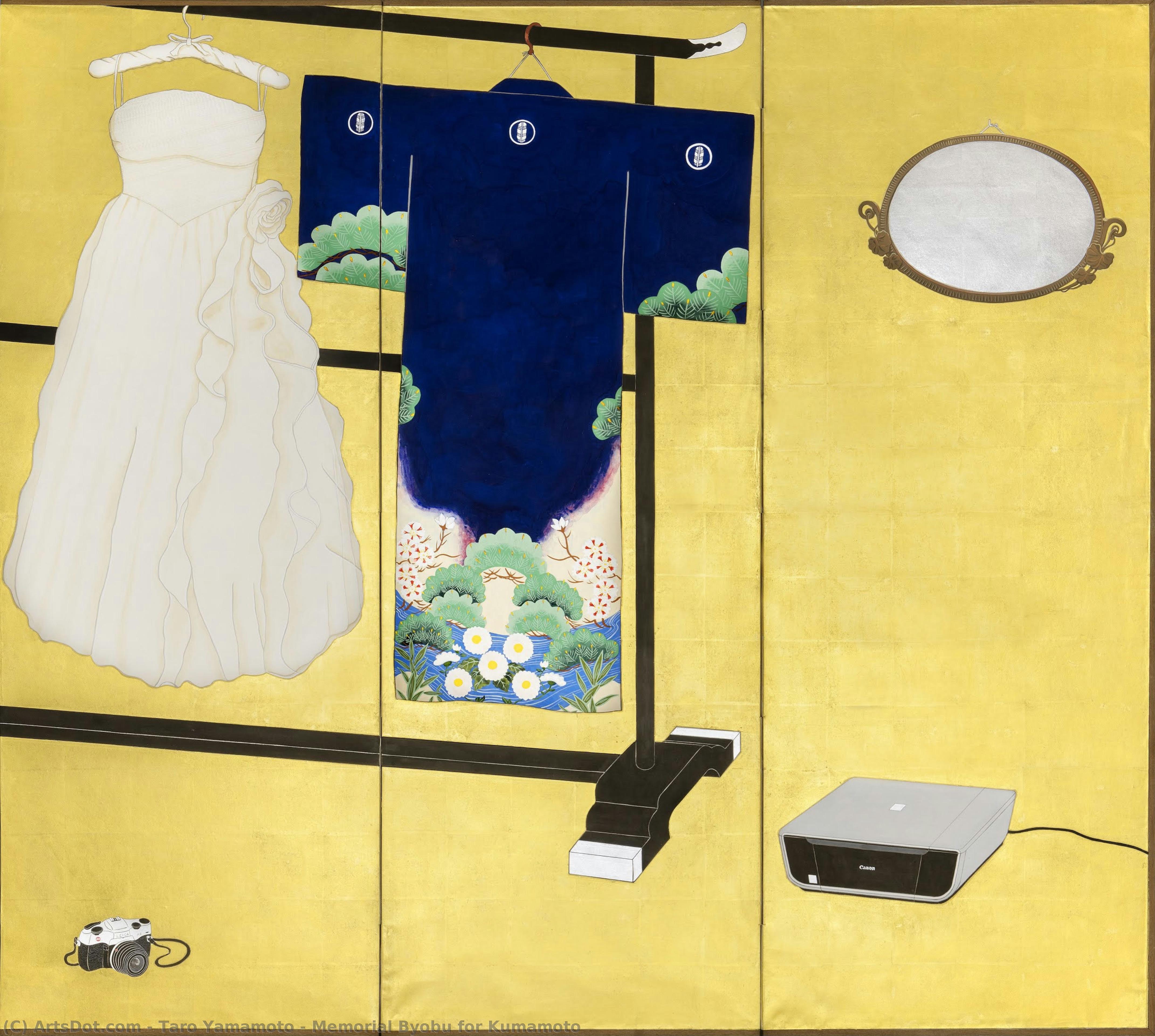
Memorial Byobu for Kumamoto
 Painting
- Abstract Expressionism
 2017
2017- Contemporary
 168.0 x 186.0 cm
 Meiji Jingu Forest Festival of Art
 詳細を見る
詳細を見る
オンラインプレビューをはるかに凌ぐ、高解像度で鮮明なデジタル画像をご購入いただけます。
各ファイルは、社内の専門家が高度なツールと熟練した手作業によるレタッチを用いて、細心の注意を払って準備されています。すべての画像において、卓越した鮮明度、正確な色彩再現性、そして繊細なディテールを保証いたします。
最終ファイルは、プロフェッショナルな編集・印刷環境ですぐにご利用いただけるよう最適化された状態で、72時間以内にメールにてお届けいたします。これは、一流のデザインスタジオ、出版社、ギャラリーから信頼されているものと同等の品質です。
デジタル画像のご注文に付随する特典
高品質なデジタル画像配信を、確かな品質で。
ArtsDot.com を選ぶことは、単に画像を手に入れることではありません。それは、プロの手によって精密に仕上げられ、満足保証が付いた高品質なデジタルアートワークを受け取ることを意味します。ご注文いただいた際に自動的に付随する内容は、以下の通りです:

メールですぐにお届け
ご注文から72時間以内に、高解像度のデジタル画像ファイルがメールでお手元に届きます。すぐにそのままご利用いただけます。

AI技術で最適化されたデジタルファイル
お客様の作品は、高度なAIツールと専門家による手作業の編集を組み合わせてプロフェッショナルに最適化されており、細部のディテール、鮮明さ、そして正確な色再現性を最大限に引き出しています。

一生涯無料の再送サービス
ファイルを誤って削除したり、紛失してしまったりしましたか?ご安心ください。いつでも無料で再送いたします。

輸入手数料は一切かかりません
関税や手数料、配送料を気にすることなく、お気に入りのアートワークをすぐにお楽しみいただけます。デジタルダウンロードは常に免税です。

色彩再現の保証
プロ仕様のツールとカラーマネジメント技術を用いることで、デジタル画像が元の色を最大限に忠実に再現することを保証いたします。

100日間満足保証
ご購入いただいたデジタル画像にご満足いただけない場合は、100日以内であれば、理由を問わず修正または100%の返金対応をさせていただきます。

100% 返金保証
ご満足いただけない場合は、デジタルファイルを受け取ってから100日以内であれば、理由を問わず全額返金いたします。

まとめ買い割引
3枚購入で10%OFF - 5枚購入で15%OFF - 10枚以上購入で20%OFF。クリエイティブなプロジェクト、ギャラリー、エージェンシーに最適です。
A Tapestry of Memory and Tradition
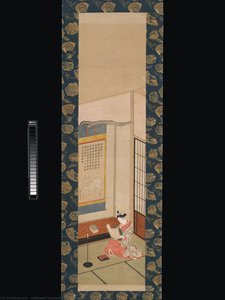
In the evocative masterpiece Memorial Byobu for Kumamoto, the viewer is invited into a deeply personal sanctuary where the boundaries between the material world and the realm of memory blur. This striking work presents a domestic tableau that feels both intimate and monumental, centered around the poignant juxtaposition of a pristine white wedding dress and a traditional Japanese kimono. The composition breathes with a quiet, contemplative energy, as if capturing a fleeting moment of stillness in a room filled with the echoes of a life lived across two cultures. The interplay of textures—the delicate lace of the gown against the structured elegance of the blue-accented silk—creates a visual dialogue that speaks to the intersection of Western and Eastern identities.
The painting transcends mere still life, functioning as a narrative window into a curated existence. As the eye wanders through the scene, it encounters unexpected fragments of daily life: a pair of scissors resting in the lower corner, a handbag placed with care at the bottom center, and even the modern presence of a remote control and a clock hanging above. These elements serve as anchors to reality, grounding the ethereal beauty of the garments in the tangible, lived experience of the present. This layering of objects suggests a profound exploration of how we preserve our history through the things we surround ourselves with, turning a simple domestic setting into a sacred space of remembrance.
The Legacy of Abstract Expressionism and Cultural Synthesis
While the subject matter presents a recognizable scene, the soul of the work is deeply rooted in the artistic lineage of Taro Yamamoto. As a significant figure within the New York School, Yamamoto’s approach to this piece reflects his mastery of blending Japanese heritage with the bold, innovative spirit of postwar Abstract Expressionism. Though the composition possesses a figurative clarity, there is an underlying tension and a rhythmic quality to the arrangement that hints at the gestural freedom found in his more abstract works. The way light interacts with the folds of the fabric and the shadows cast against the wall suggests a painterly depth that invites prolonged study.
For the discerning collector or interior designer, Memorial Byobu for Kumamoto offers much more than visual appeal; it provides an emotional anchor for a sophisticated space. The piece possesses a unique ability to command attention through its quietude rather than through loud, aggressive colors. Its palette—dominated by the purity of white and the serene depths of blue—makes it an ideal centerpiece for rooms designed for reflection, such as a library, a study, or a formal lounge. To possess a high-quality reproduction of this work is to bring into one's home a piece of art history that celebrates the beautiful complexity of a multicultural legacy, making it a timeless addition to any curated collection.
関連作品


作家の略歴
Taro Yamamoto: A Life in Abstract Expressionism
Early Life and Education
Taro Yamamoto (born October 29, 1919, in Hollywood, California – died 1994) was a significant figure within the New York School of Abstract Expressionist artists. His early life was marked by a unique cultural experience; he lived in Japan from the age of six to nineteen, an upbringing that would profoundly influence his artistic vision.
- Born in California but deeply connected to Japanese culture.
- Served in the U.S. Army during World War II (November 7, 1941 – February 23, 1946).
Artistic Development and Influences
Following his military service, Yamamoto dedicated himself to formal artistic training. He studied at several prestigious institutions:
- Santa Monica City College (1949).
- The Art Students League of New York (1950-1952), under the guidance of Yasuo Kuniyoshi, Morris Kantor, Byron Browne, and Vaclav Vytlacil.
- Hans Hofmann School of Fine Arts in New York City (1951-1953).
The teachings of Hans Hofmann were particularly influential, shaping Yamamoto’s understanding of color and form. His exposure to the vibrant art scene of post-war New York further solidified his commitment to abstract expressionism.
Key Achievements and Recognition
- Won the John Sloan Memorial Fellowship at The Art Students League of New York in 1952.
- Received the Edward G. McDowell Traveling Fellowship in 1953, allowing him to study art in Europe.
Yamamoto’s work gained recognition within the burgeoning Abstract Expressionist movement, exhibiting alongside prominent artists like Jackson Pollock and Willem de Kooning.
Artistic Style and Themes
Yamamoto's paintings are characterized by a dynamic interplay of abstract forms, bold colors, and layered textures. While rooted in the principles of Abstract Expressionism, his work often reveals subtle references to Japanese aesthetics and cultural motifs.
His pieces frequently explore themes of memory, identity, and the intersection of Eastern and Western artistic traditions.Historical Significance
Taro Yamamoto played a vital role in bridging the gap between American Abstract Expressionism and Japanese artistic sensibilities. As part of the New York School, he contributed to the movement’s international acclaim during the post-World War II era. His work demonstrates the power of art to transcend cultural boundaries and express universal human experiences.
Though not as widely celebrated as some of his contemporaries, Yamamoto's contributions remain significant in understanding the diversity and complexity of Abstract Expressionism.

Taro Yamamoto
1919 - 1994 , United States of America
プロフィール概要
- Birth Date: October 29, 1919
- Birth Place: Hollywood, California, USA
- Death Date: 1994
- Influenced By:
- Yasuo Kuniyoshi
- Morris Kantor
- Byron Browne
- Vaclav Vytlacil
- Hans Hofmann
- Movement: Abstract Expressionism, New York School
- Name: Taro Yamamoto
- Nationality: American
- Notable Works:
- Untitled (1961)
- Memorial Byobu for Kumamoto
- Shigeyama Sennojo Ⅲ's Suo Costume for the Kyogen Play Hanago
- MARIO and LUIGI Rimpa Screen
- Hagoromo Balloons
- 2 (1970)
- 4 (1970)