 プレビュー
プレビュー
 プリントを購入
 シェアする
シェアする シェアする
シェアする
 詳細を見る
詳細を見る

 ダウンロード
 似ている作品
 X線調査
X線調査 スライドショー
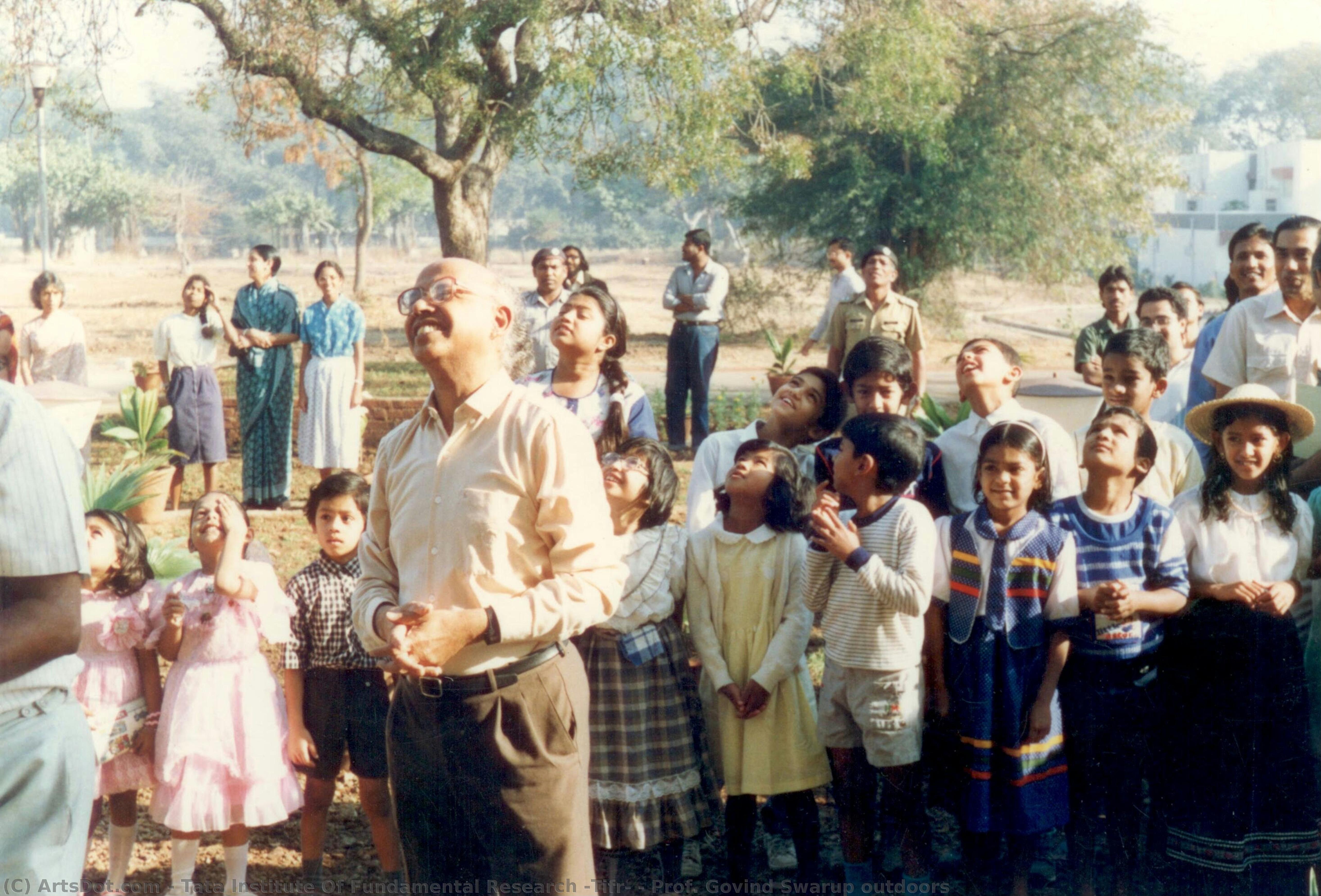
Prof. Govind Swarup outdoors

 詳細を見る
詳細を見る
オンラインプレビューをはるかに凌ぐ、高解像度で鮮明なデジタル画像をご購入いただけます。
各ファイルは、社内の専門家が高度なツールと熟練した手作業によるレタッチを用いて、細心の注意を払って準備されています。すべての画像において、卓越した鮮明度、正確な色彩再現性、そして繊細なディテールを保証いたします。
最終ファイルは、プロフェッショナルな編集・印刷環境ですぐにご利用いただけるよう最適化された状態で、72時間以内にメールにてお届けいたします。これは、一流のデザインスタジオ、出版社、ギャラリーから信頼されているものと同等の品質です。
デジタル画像のご注文に付随する特典
高品質なデジタル画像配信を、確かな品質で。
ArtsDot.com を選ぶことは、単に画像を手に入れることではありません。それは、プロの手によって精密に仕上げられ、満足保証が付いた高品質なデジタルアートワークを受け取ることを意味します。ご注文いただいた際に自動的に付随する内容は、以下の通りです:

メールですぐにお届け
ご注文から72時間以内に、高解像度のデジタル画像ファイルがメールでお手元に届きます。すぐにそのままご利用いただけます。

AI技術で最適化されたデジタルファイル
お客様の作品は、高度なAIツールと専門家による手作業の編集を組み合わせてプロフェッショナルに最適化されており、細部のディテール、鮮明さ、そして正確な色再現性を最大限に引き出しています。

一生涯無料の再送サービス
ファイルを誤って削除したり、紛失してしまったりしましたか?ご安心ください。いつでも無料で再送いたします。

輸入手数料は一切かかりません
関税や手数料、配送料を気にすることなく、お気に入りのアートワークをすぐにお楽しみいただけます。デジタルダウンロードは常に免税です。

色彩再現の保証
プロ仕様のツールとカラーマネジメント技術を用いることで、デジタル画像が元の色を最大限に忠実に再現することを保証いたします。

60日間満足保証
ご購入いただいたデジタル画像にご満足いただけない場合は、60日以内であれば、修正または100%の返金(理由を問う必要はありません)をさせていただきます。

100% 返金保証
ご満足いただけない場合は、デジタルファイルを受け取ってから60日以内であれば、理由を問わず全額返金いたします。

まとめ買い割引
3枚購入で10%OFF - 5枚購入で15%OFF - 10枚以上購入で20%OFF。クリエイティブなプロジェクト、ギャラリー、エージェンシーに最適です。
関連作品










作家の略歴
The Pioneering Vision of the Tata Institute of Fundamental Research
The Tata Institute of Fundamental Research (TIFR), established in 1945, isn’t a single artist in the traditional sense, but rather a collective intellectual force – an institution that has profoundly shaped the landscape of Indian science and mathematics. Its story is one of ambitious vision, unwavering dedication to basic research, and a commitment to fostering a uniquely collaborative environment. Founded by J.R.D. Tata with Homi Bhabha as its driving spirit, TIFR emerged from a post-colonial India eager to establish itself on the global stage of scientific innovation. The impetus wasn’t merely national pride; it was a belief that fundamental research – the pursuit of knowledge for its own sake – held the key to long-term societal progress. Bhabha envisioned an institute free from the immediate pressures of practical application, allowing scientists to explore the deepest mysteries of the universe without constraint. This ethos remains central to TIFR’s identity today.Early Years and the Atomic Age
The initial focus of TIFR was on nuclear physics, a field rapidly gaining prominence in the wake of World War II. Bhabha understood the potential – both peaceful and destructive – of atomic energy, and he strategically positioned TIFR to contribute to India’s burgeoning scientific capabilities. The institute quickly attracted brilliant minds, including C.V. Raman, K.S. Krishnan, and G.N. Ramachandran, laying the foundation for a culture of excellence. The early work at TIFR wasn't solely focused on theoretical pursuits; it involved building India’s first nuclear reactor, APSARA, in 1956 – a landmark achievement that demonstrated the nation’s self-reliance in atomic research. This period was characterized by intense activity and a sense of urgency, fueled by the geopolitical realities of the Cold War and India's desire for technological independence. However, Bhabha consistently emphasized that APSARA was not an end in itself but a tool to advance fundamental understanding of materials science and nuclear processes.Expanding Horizons: Mathematics, Astrophysics, and Beyond
As TIFR matured, its scope broadened significantly. Recognizing the interconnectedness of scientific disciplines, Bhabha championed the establishment of dedicated schools within the institute for mathematics, astrophysics, chemistry, biology, and geosciences. The School of Mathematics quickly became a world-renowned center for research in areas like topology, algebraic geometry, and number theory. The work of mathematicians like S.S. Abhyankar and C.P. Ramanujam cemented TIFR’s reputation as a hub for cutting-edge mathematical innovation. Similarly, the astrophysics group made significant contributions to cosmology, radio astronomy, and high-energy particle physics. This diversification wasn't accidental; it reflected Bhabha’s belief in the power of interdisciplinary collaboration – that breakthroughs often occur at the intersection of different fields. He actively encouraged scientists from various schools to engage in joint projects, fostering a unique intellectual synergy within the institute.A Legacy of Scientific Excellence and Mentorship
The impact of TIFR extends far beyond its specific research outputs. The institute has been instrumental in nurturing generations of Indian scientists, many of whom have gone on to become leaders in their respective fields both nationally and internationally. Bhabha himself was a remarkable mentor, known for his ability to identify talent and provide unwavering support to young researchers. This tradition of mentorship continues today, with senior scientists actively involved in guiding the next wave of scientific innovators.- The development of the Trombay reactor series, building on APSARA, demonstrated India’s growing expertise in nuclear technology.
- Significant contributions to understanding protein structure, particularly through the work of G.N. Ramachandran and his colleagues, revolutionized structural biology.
- Pioneering research in cosmology and radio astronomy, leading to a deeper understanding of the universe’s origins and evolution.
- The establishment of numerous national facilities, such as the National Centre for Radio Astronomy (NCRA), providing state-of-the-art infrastructure for scientific research.