

 プレビュー
プレビュー
 プリントを購入
 シェアする
シェアする シェアする
シェアする
 詳細を見る
詳細を見る

 ダウンロード
 似ている作品
 X線調査
X線調査 スライドショー
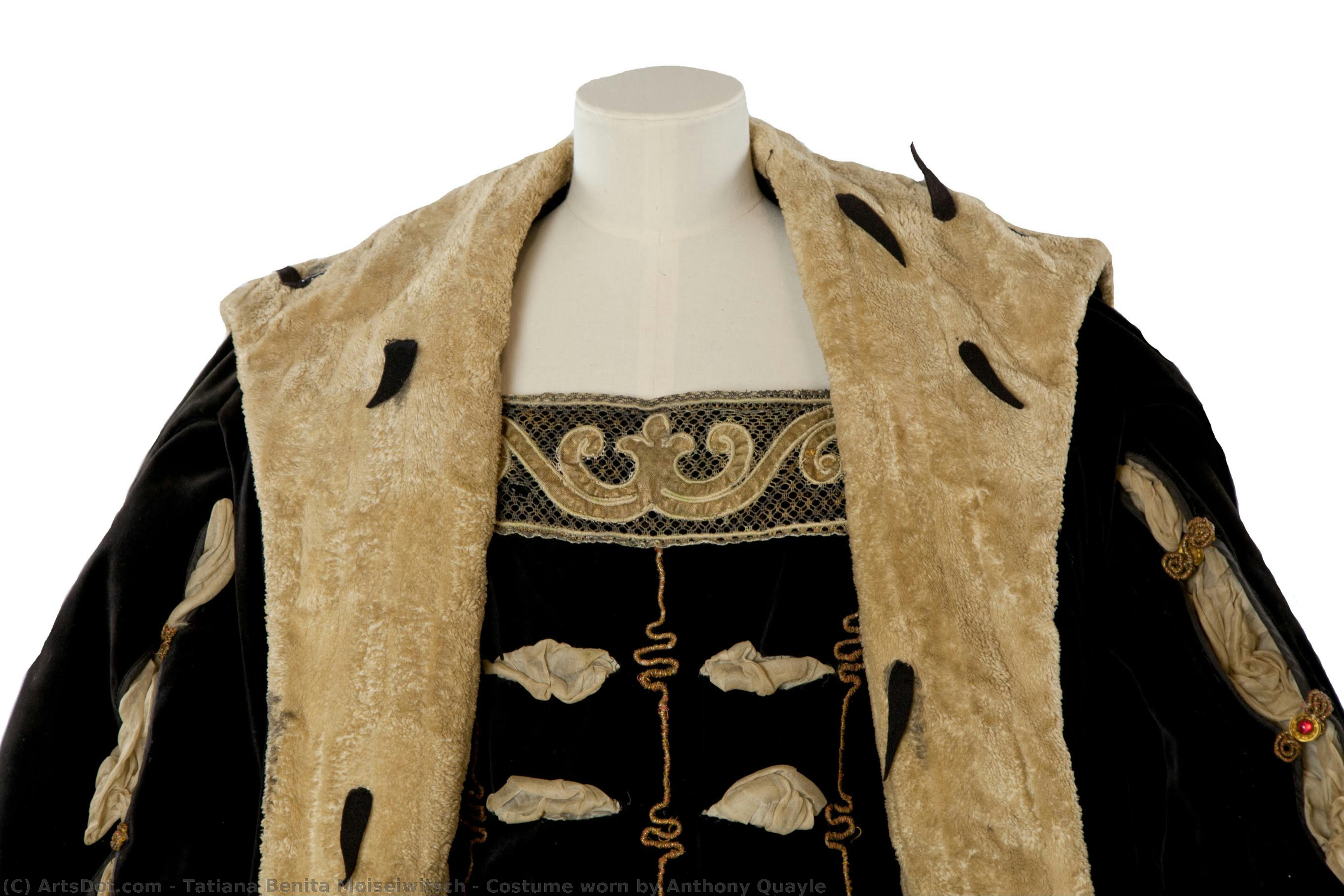
Costume worn by Anthony Quayle


 詳細を見る
詳細を見る
オンラインプレビューをはるかに凌ぐ、高解像度で鮮明なデジタル画像をご購入いただけます。
各ファイルは、社内の専門家が高度なツールと熟練した手作業によるレタッチを用いて、細心の注意を払って準備されています。すべての画像において、卓越した鮮明度、正確な色彩再現性、そして繊細なディテールを保証いたします。
最終ファイルは、プロフェッショナルな編集・印刷環境ですぐにご利用いただけるよう最適化された状態で、72時間以内にメールにてお届けいたします。これは、一流のデザインスタジオ、出版社、ギャラリーから信頼されているものと同等の品質です。
デジタル画像のご注文に付随する特典
高品質なデジタル画像配信を、確かな品質で。
ArtsDot.com を選ぶことは、単に画像を手に入れることではありません。それは、プロの手によって精密に仕上げられ、満足保証が付いた高品質なデジタルアートワークを受け取ることを意味します。ご注文いただいた際に自動的に付随する内容は、以下の通りです:

メールですぐにお届け
ご注文から72時間以内に、高解像度のデジタル画像ファイルがメールでお手元に届きます。すぐにそのままご利用いただけます。

AI技術で最適化されたデジタルファイル
お客様の作品は、高度なAIツールと専門家による手作業の編集を組み合わせてプロフェッショナルに最適化されており、細部のディテール、鮮明さ、そして正確な色再現性を最大限に引き出しています。

一生涯無料の再送サービス
ファイルを誤って削除したり、紛失してしまったりしましたか?ご安心ください。いつでも無料で再送いたします。

輸入手数料は一切かかりません
関税や手数料、配送料を気にすることなく、お気に入りのアートワークをすぐにお楽しみいただけます。デジタルダウンロードは常に免税です。

色彩再現の保証
プロ仕様のツールとカラーマネジメント技術を用いることで、デジタル画像が元の色を最大限に忠実に再現することを保証いたします。

60日間満足保証
ご購入いただいたデジタル画像にご満足いただけない場合は、60日以内であれば、修正または100%の返金(理由を問う必要はありません)をさせていただきます。

100% 返金保証
ご満足いただけない場合は、デジタルファイルを受け取ってから60日以内であれば、理由を問わず全額返金いたします。

まとめ買い割引
3枚購入で10%OFF - 5枚購入で15%OFF - 10枚以上購入で20%OFF。クリエイティブなプロジェクト、ギャラリー、エージェンシーに最適です。
関連作品









作家の略歴
Marc Chagall: A Life Painted in Dreams
Born Moishe Chagall in Vitebsk, Belarus (then part of the Russian Empire) on July 7, 1887, Marc Chagall’s life was a vibrant tapestry woven with threads of Jewish heritage, artistic experimentation, and profound emotional expression. His early years were marked by poverty and upheaval – his family moved frequently, reflecting the shifting borders of Eastern Europe. This itinerant existence instilled in him a deep appreciation for movement and a keen awareness of human experience. His formal education was interrupted at a young age, but he found solace and inspiration in art through informal study with local painters like Jehuda Pen, setting the stage for his future revolutionary style.
Chagall’s artistic journey began in Saint Petersburg, where he enrolled in several academies, absorbing the techniques of academic painting. However, it was his time in Paris in 1911 that proved transformative. Exposed to the radical innovations of Fauvism and Cubism – movements championed by artists like Matisse and Picasso – Chagall embraced their bold colors and fragmented forms, incorporating them into a distinctly personal vision. He joined the vibrant artistic community of Montparnasse, rubbing shoulders with luminaries such as Léger, Soutine, Apollinaire, and Max Jacob, all contributing to his evolving style.
The First World War dramatically altered Chagall’s life. His family was scattered, and he remained in Vitebsk, a city ravaged by conflict. This period of instability fueled a surge of creativity, marked by emotionally charged works like “I and the Village” (1915), which captures the anxieties and uncertainties of the era. Following the Russian Revolution, Chagall briefly served as Director of Fine Arts at Vitebsk, hoping to use art to promote social change. However, his efforts were met with resistance from the new authorities, leading him to relocate to Moscow in 1920. Despite facing material hardship, this period produced some of his most powerful and evocative paintings, including “Promenade,” a testament to the resilience of the human spirit.
In 1922, Chagall returned to Paris, seeking stability and artistic renewal. He established himself as a major figure in the international art world, exhibiting widely and receiving critical acclaim. His work during this period explored themes of memory, faith, and love, often drawing upon his Jewish heritage and personal experiences. The influence of Russian folklore and symbolism is particularly evident in paintings like “The Fiddler” (1917-18) and "Icarus" (1923), which are imbued with a dreamlike quality and a sense of timelessness.
The ‘Russian Years’ and the Rise of Surrealism
The years between 1915 and 1922, often referred to as his “Russian years,” represent a pivotal period in Chagall's artistic development. His marriage to Bella Rosenfeld in 1914 provided him with a profound source of inspiration, and she frequently appears in his paintings alongside him, rendered in vibrant colors and symbolic gestures. This era witnessed the emergence of a uniquely personal style characterized by flattened perspectives, distorted figures, and an imaginative use of color – elements that would later contribute to his association with Surrealism.
Chagall’s engagement with Russian avant-garde movements like Suprematism (led by Kazimir Malevich) and Constructivism was complex. While he admired their radical experimentation, he ultimately forged his own distinct path, blending these influences with elements of Cubism, Fauvism, and Byzantine iconography. His work during this time is deeply rooted in the emotional landscape of Russia – its history, culture, and spiritual traditions.
The decoration of the Jewish Theatre in Moscow (1927-1930) stands as a monumental achievement of this period, showcasing Chagall’s mastery of color, composition, and narrative. The elaborate murals depict scenes from the Bible and Jewish folklore, reflecting his deep connection to his heritage.
Technique and Style: A Symphony of Color and Symbolism
Chagall's artistic style is instantly recognizable for its distinctive blend of dreamlike imagery, vibrant color palettes, and symbolic gestures. He frequently employed a flattened perspective, creating an illusion of depth through the juxtaposition of shapes and colors rather than traditional linear techniques. His figures are often distorted and fragmented, conveying a sense of movement and emotional intensity.
Color plays a crucial role in Chagall’s work, serving as both a decorative element and a means of expressing emotion. He favored bold, saturated hues – reds, blues, yellows, and greens – often using them in unexpected combinations to create a visually arresting effect. His use of gold leaf adds an ethereal quality to many of his paintings, evoking the richness and splendor of religious iconography.
Symbolism is deeply embedded within Chagall’s imagery. Recurring motifs include stars, circles, musical instruments (particularly the violin), and biblical figures. These symbols are not always literal but rather function as metaphors for deeper themes – faith, love, loss, and the search for meaning. His paintings frequently evoke a sense of mystery and invite multiple interpretations.
Legacy and Influence
Marc Chagall (1887-1983) left an indelible mark on 20th-century art. His innovative style influenced generations of artists, including Pablo Picasso, Max Ernst, and Joan Miró. His work continues to resonate with audiences today due to its emotional depth, imaginative power, and enduring relevance.
Chagall’s paintings are held in major museums around the world, including the Museum of Modern Art (MoMA) in New York, the Centre Pompidou in Paris, and the State Russian Museum in St. Petersburg. His legacy extends beyond the art world, as he was also a celebrated designer, sculptor, and printmaker. Chagall’s life and work serve as a testament to the power of art to transcend cultural boundaries and express the deepest human emotions.
tatiana benita moiseiwitsch
1914 - 2003 , United Kingdom
プロフィール概要
- Artistic Movement Or Style: Fauvism, Cubism
- Artists Or Movements Influenced By This Artist:
- Expressionism
- Surrealism
- Artists Who Influenced This Artist:
- Picasso
- Matisse
- Date Of Birth: July 7, 1887
- Date Of Death: 1983
- Full Name: Marc Chagall
- Nationality: French/Russian
- Notable Artworks:
- I and the Village
- Maternity
- The Four Seasons
- Place Of Birth: Witebsk (Belarus)

