

 プレビュー
プレビュー
 シェアする
シェアする シェアする
シェアする
 詳細を見る
詳細を見る

 ダウンロード
 似ている作品
 X線調査
X線調査 スライドショー
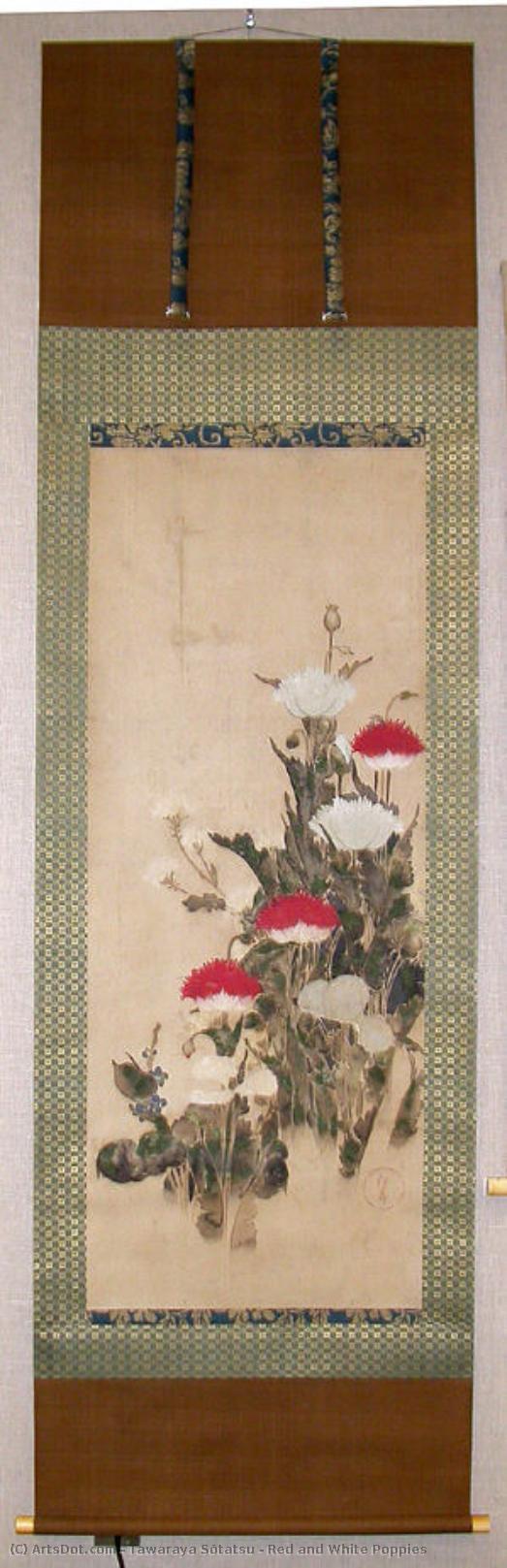
Red and White Poppies


 詳細を見る
詳細を見る
ジークレー/アートプリント
迅速な制作と多彩な仕上げオプションを備えた、ミュージアムクオリティのジークレーまたはキャンバスプリント。 ( 手描きの絵画を購入 画像を購入)




P118B $10

P118H $10

P118W $10

P438Z $10

P508JH $12

P508YH $12

P805H $10

P805Z $10

P919BZ $10

P919G $10

P919XJ $10

P959ZH $10

P968JZ $12

W106C $8

W218G $10

W218JH $8

W218Y $10

W307PJ $10

W316G $10

W316PJ $8

W316Y $10

W398PJ $8

W4111J $10

W500HY $15

W500JH $15

W692G $12

W849H $8

W940BG $15

W953PJ $8




作品のオリジナル比率に合わせた、当店の規定サイズからお選びください。

特定のフレームやスペースに合わせて、ご自身でサイズを指定することも可能です。選択されたサイズが元の画像の比率と一致しない場合、作品をトリミングするか、鏡面反射または単色での塗りつぶしによって画像を拡張いたします。制作を開始する前に、ご確認用のデジタルモックアップをお送りいたします。
画面上のプレビューには、実際のトリミングや拡張は反映されませんのでご注意ください。最終的な構図を正確に確認できるのは、モックアップのみとなります。
カスタムサイズも承っておりますが、元の比率を維持するためには、あらかじめ用意されたリストからサイズを選択することをお勧めいたします。


 ガラスオプションは、110cm未満のサイズでのみご利用いただけます。

Red and White Poppies
ジークレー/アートプリント
複製画のサイズ
-


合計金額
$ 62
関連作品
アーティストの略歴
The Genesis of a Visual Revolution
In the transformative era of the early Edo period, as Japan emerged from the shadows of civil war into a time of unprecedented cultural flourishing, the artistic landscape was forever altered by the hand of Tawaraya Sōtatsu. Though the precise details of his early life remain shrouded in the mists of history, scholars trace his origins to around 1570 in Nantou, Japan. Born into a family of skilled craftsmen specializing in the intricate art of lacquerware, Sōtatsu possessed an innate understanding of material, texture, and the interplay of light and surface. This foundational connection to craftsmanship would later become the bedrock of his painterly genius, allowing him to approach the canvas not merely as a storyteller, but as a designer of profound aesthetic impact. His early exposure to the meticulous demands of lacquerwork instilled in him a reverence for bold, decorative elements that would eventually define the Rinpa school.A Symbiosis of Spirit and Form
The trajectory of Sōtatsu’s career was irrevocably changed through his legendary collaboration with the visionary Hon'ami Kōetsu. This partnership was far more than a mere professional alliance; it was a creative crucible where calligraphy, design, and painting merged into a singular, revolutionary language. Together, they pioneered an aesthetic that moved away from the rigid traditions of the past toward something much more dynamic and ornamental. Sōlarity and movement became hallmarks of their work, as Sōtatsu applied his masterful designs to Kōetsu’s calligraphic masterpieces. This era saw the birth of a style characterized by lavish use of gold leaf, vibrant pigments, and a rhythmic composition that felt both ancient and startlingly modern. Through this synergy, the duo helped establish the Rinpa movement, an artistic lineage that would influence Japanese visual culture for centuries to come.Technique as Transcendence
Beyond his collaborative triumphs, Sōtatsu’s individual technical innovations set him apart as a true master of illusion. He is perhaps most celebrated for the development of the tarashikomi technique—a method in which a second layer of wet pigment is dropped into a still-damp first layer. This process creates unpredictable, bleeding edges and ethereal textures that mimic the organic spontaneity of nature, such as the frothing crest of a wave or the delicate veins of a leaf. This mastery of fluid motion is nowhere more evident than in his iconic Wind God and Thunder God folding screens, which stand as National Treasures of Japan. In these works, the divine forces of nature are captured with a breathtaking balance of stylized power and atmospheric grace.An Enduring Legacy
The impact of Tawaraya Sōtatsu extends far beyond the borders of the Edo period. His ability to weave narrative depth with decorative splendor is seen in his evocative paintings from The Tale of Genji, where he transformed literary elegance into visual poetry. Whether through the rhythmic energy of his coastal landscapes or the intricate patterns of his furniture designs, Sōtatsu’s work continues to resonate with a sense of timelessness. His legacy remains etched in the very fabric of Japanese art, reminding us that true mastery lies in the ability to find the infinite within the beautifully designed.- Key Contributions:
- Co-founding the Rinpa school of painting.
- Pioneering the tarashikomi technique for organic textures.
- Revolutionizing the use of gold leaf and bold, decorative compositions in byōbu screens.
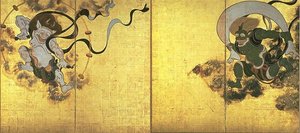
Tawaraya Sōtatsu
Japan
基本情報
- Artistic Movement Or Style: Rinpa school
- Artists Or Movements Influenced By This Artist:
- Ogata Kōrin
- Ogata Kenzan
- Sakai Hōitsu
- Artists Who Influenced This Artist: ["Hon'ami Kōetsu"]
- Date Of Birth: c. 1570
- Date Of Death: c. 1640
- Full Name: Tawaraya Sōtatsu
- Nationality: Japanese
- Notable Artworks:
- Wind God and Thunder God
- Sekiya chapters from The Tale of Genji
- Place Of Birth: Nantou, Japan
関連記事

Crimson Threads of Narrative: Exploring Symbolism & Representation in Artworks Featuring the Red Dress
Explore the rich symbolism of the red dress in art history! From ancient power displays to iconic portraits like Cézanne’s 'Madame Cezanne', discover the cultural and artistic significance behind this captivating color. Expert analysis & insights.
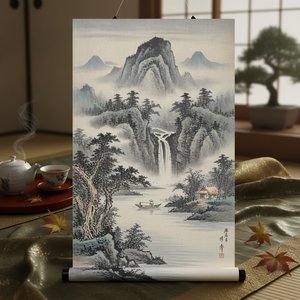
Serenity on Canvas: A Guide to the Timeless Beauty of Japanese Landscape Painting
Discover the serene beauty of Japanese landscape painting. From Hokusai's iconic woodblock prints to meditative sumi-e ink washes, explore a visual journey through the 'floating world' and learn how to bring this timeless Zen aesthetic into your modern home decor.

葛飾北斎:25の傑作が語る浮世絵の世界 - ArtsDot
葛飾北斎の25選:『神奈川沖浪裏』や『富嶽三十六景』など、浮世絵の世界を深く探求。木版画の技法と日本美術の美をArtsDotで。高品質なアートプリントで空間に感動を。コレクションはこちら。
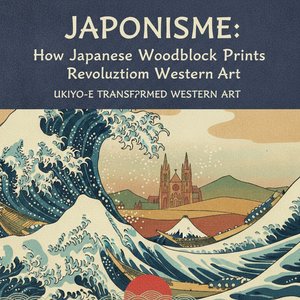
Japonisme: How Japanese Woodblock Prints Revolutionized Western Art
Explore the profound impact of Japonisme on Western art. Discover how Japanese ukiyo-e woodblock prints revolutionized perspective, color, and composition for masters like Monet and Van Gogh, forever changing the course of modern art history.
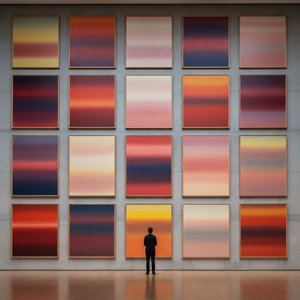
マーク・ロスコ傑作25選:色彩が織りなす深遠な世界|ArtsDot
マーク・ロスコの傑作25選。抽象表現主義を代表する巨匠、色彩が織りなす深遠な世界を探求します。絵画の背景や技法、感動的なストーリーを紐解き、ArtsDotで高品質なアートプリントをお楽しみください。リビングやオフィスにモダンアートを飾るなら!

