

 プレビュー
プレビュー
 シェアする
シェアする シェアする
シェアする
 詳細を見る
詳細を見る

 ダウンロード
 似ている作品
 X線調査
X線調査 スライドショー
 統計情報
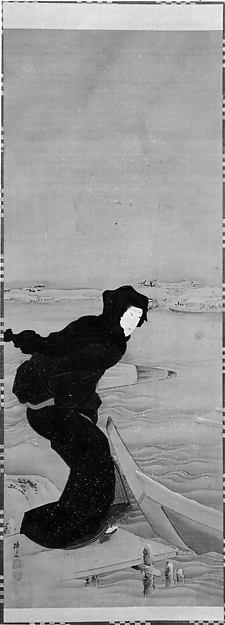
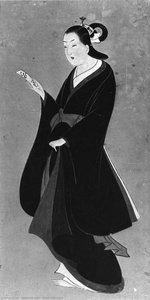
統計情報Beauty on a Snowy Quay
 74.0 x 27.0 cm
 詳細を見る
詳細を見る
手描き油彩複製画
当社のアーティストが、お客様のご希望のサイズと額縁に合わせて、キャンバスに手描きで制作する油彩画です。 ( プリント版に切り替え デジタル画像販売へ切り替え)




































作品のオリジナル比率に合わせた、当店の規定サイズからお選びください。

特定のフレームやスペースに合わせて、ご希望のサイズをご入力いただけます。選択されたサイズが元の画像の比率と異なる場合、アートワークをトリミングするか、手描きで要素を追加して絵画を拡張いたします。デジタルモックアップ を制作し、制作開始前にご確認(承認)をいただきます。
画面上のプレビューは、実際のトリミングや拡張を正確に反映しているものではありません。最終的な構図は、モックアップによってのみ正確にご確認いただけます。
カスタムサイズもご利用いただけますが、元の比率を維持するためには、あらかじめ用意されたリストからサイズを選択することをお勧めいたします。
ご注文後、ArtsDot.com チームより詳細な指示をお送りするとともに、仕上がりイメージ(モックアップ)をご提供いたします。


 ガラスオプションは、110cm未満のサイズでのみご利用いただけます。

Beauty on a Snowy Quay
複製技法
複製画のサイズ
-


合計金額
$ 263
関連作品





アーティストの略歴
Teisai Hokuba: A Pioneer of Edo Period Landscape and Portraiture
Teisai Hokuba (1771-1844), a name perhaps less familiar than some of his contemporaries, stands as a remarkably influential figure in the history of Japanese art. Born Arisaka Gorohachi during the late Edo period, he rose from humble origins – initially a minor retainer – to become one of the most celebrated and innovative artists of his time, particularly renowned for his detailed landscapes and exquisitely rendered portraits. His career, spanning nearly seven decades, witnessed a fascinating evolution in artistic style, reflecting both traditional influences and a burgeoning desire for individual expression, ultimately shaping the trajectory of Ukiyo-e art.
Hokuba’s early training remains shrouded in some mystery, though it's widely believed he initially studied under Katsushika Hokusai, one of the most dominant figures in Edo artistic circles. This formative period instilled within him a deep appreciation for Hokusai’s dynamic brushwork and his masterful use of perspective – qualities that would later become hallmarks of Hokuba’s own distinctive style. However, unlike many of his pupils who diligently replicated Hokusai's techniques, Hokuba quickly developed his own unique voice, incorporating elements of the Kano school’s meticulous detail and a subtle, almost melancholic beauty into his work. This divergence established him as an independent artist with a recognizable aesthetic.
The Art of *Bijin-ga* and Edo Salon Culture
Hokuba's most enduring legacy lies in his prolific output of *bijin-ga*, or “pictures of beautiful women.” These paintings, often depicting courtesans from the pleasure quarters of Yoshiwara, were not merely decorative; they represented a significant engagement with the social and cultural realities of Edo society. Hokuba’s depictions weren't idealized fantasies but rather nuanced portraits that captured the elegance, intelligence, and subtle emotions of his subjects. He skillfully employed atmospheric perspective and delicate brushwork to convey both their physical beauty and their inner lives.
His work was frequently commissioned for *kyoka* poetry anthologies – small, privately published books containing short, witty poems accompanied by illustrations. This practice, known as *surimono*, fostered a vibrant salon culture among the merchant class and educated elite of Edo. Hokuba’s contributions to these collections were highly sought after, reflecting his reputation for artistic excellence and his ability to seamlessly integrate visual imagery with poetic expression. The subject matter often reflected seasonal themes – cherry blossoms, snow scenes, or depictions of everyday activities – further cementing his connection to the broader cultural landscape.
Technique and Style: A Synthesis of Tradition and Innovation
Hokuba’s artistic style is characterized by a remarkable synthesis of traditional techniques and innovative approaches. He skillfully employed *sumi-e*, or ink wash painting, to create atmospheric landscapes that exuded a sense of quiet contemplation. Yet, unlike the more austere styles of his predecessors, Hokuba infused these landscapes with vibrant colors – achieved through meticulous layering of pigments on paper – creating a luminous quality rarely seen in traditional Japanese art.
His portraits, too, demonstrated a remarkable command of technique. He utilized subtle gradations of tone and delicate brushwork to capture the nuances of his subjects’ expressions and personalities. Notably, he eschewed harsh outlines, relying instead on atmospheric perspective and carefully rendered details to define form and create a sense of depth. This approach, combined with his mastery of color, resulted in portraits that were both strikingly realistic and imbued with an undeniable emotional resonance.
Legacy and Historical Significance
Teisai Hokuba’s impact on the development of Japanese art is profound. He stands as a pivotal figure bridging the gap between traditional Kano painting and the emerging Ukiyo-e style, demonstrating a willingness to experiment while retaining a deep respect for established artistic conventions. His innovative use of color, his nuanced portrayals of human subjects, and his skillful integration of visual imagery with poetic expression set him apart from his contemporaries and paved the way for future generations of artists.
While often overshadowed by more famous Ukiyo-e masters like Hokusai and Hiroshige, Hokuba’s contributions deserve greater recognition. His work offers a valuable window into the social and cultural dynamics of Edo period Japan, revealing a world of beauty, intrigue, and subtle emotional complexities. His legacy continues to inspire artists today, reminding us of the enduring power of observation, innovation, and artistic expression.
teisai hokuba
1771 - 1844
基本情報
- Artistic Movement Or Style: Ukiyo-e, Edo period
- Artists Or Movements Influenced By This Artist: ['Hokusai']
- Artists Who Influenced This Artist: ['Katsushika Hokusai']
- Date Of Birth: 1771
- Date Of Death: 1844
- Full Name: Teisai Hokuba
- Nationality: Japanese
- Notable Artworks:
- Taking Shelter from the Rain
- Beauty on a Snowy Quay
- Zhuangzi
- Place Of Birth: Edo (Tokyo)