

 プレビュー
プレビュー
 プリントを購入
 シェアする
シェアする シェアする
シェアする
 詳細を見る
詳細を見る

 ダウンロード
 似ている作品
 X線調査
X線調査 スライドショー
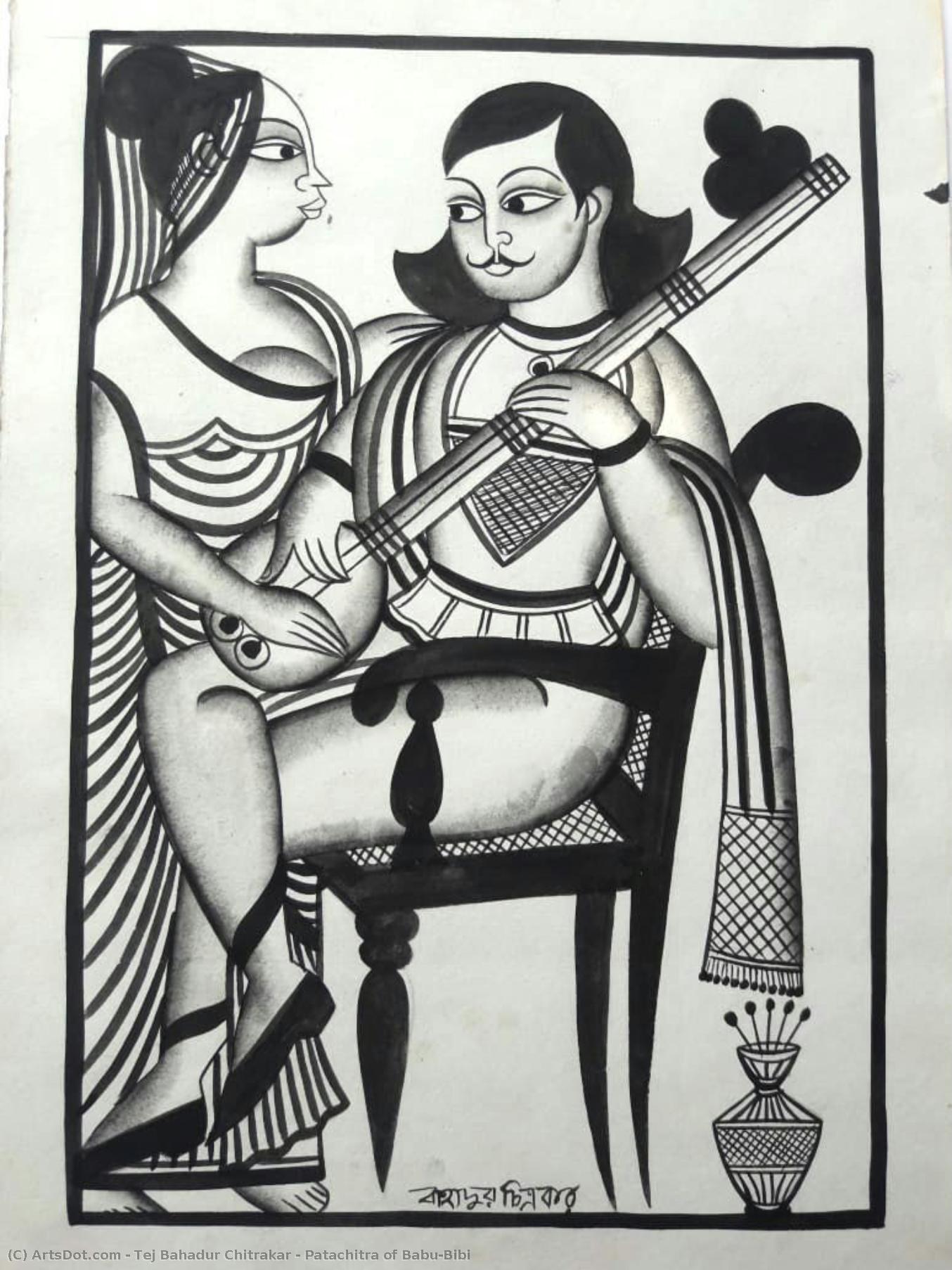
Patachitra of Babu-Bibi


 詳細を見る
詳細を見る
オンラインプレビューをはるかに凌ぐ、高解像度で鮮明なデジタル画像をご購入いただけます。
各ファイルは、社内の専門家が高度なツールと熟練した手作業によるレタッチを用いて、細心の注意を払って準備されています。すべての画像において、卓越した鮮明度、正確な色彩再現性、そして繊細なディテールを保証いたします。
最終ファイルは、プロフェッショナルな編集・印刷環境ですぐにご利用いただけるよう最適化された状態で、72時間以内にメールにてお届けいたします。これは、一流のデザインスタジオ、出版社、ギャラリーから信頼されているものと同等の品質です。
デジタル画像のご注文に付随する特典
高品質なデジタル画像配信を、確かな品質で。
ArtsDot.com を選ぶことは、単に画像を手に入れることではありません。それは、プロの手によって精密に仕上げられ、満足保証が付いた高品質なデジタルアートワークを受け取ることを意味します。ご注文いただいた際に自動的に付随する内容は、以下の通りです:

メールですぐにお届け
ご注文から72時間以内に、高解像度のデジタル画像ファイルがメールでお手元に届きます。すぐにそのままご利用いただけます。

AI技術で最適化されたデジタルファイル
お客様の作品は、高度なAIツールと専門家による手作業の編集を組み合わせてプロフェッショナルに最適化されており、細部のディテール、鮮明さ、そして正確な色再現性を最大限に引き出しています。

一生涯無料の再送サービス
ファイルを誤って削除したり、紛失してしまったりしましたか?ご安心ください。いつでも無料で再送いたします。

輸入手数料は一切かかりません
関税や手数料、配送料を気にすることなく、お気に入りのアートワークをすぐにお楽しみいただけます。デジタルダウンロードは常に免税です。

色彩再現の保証
プロ仕様のツールとカラーマネジメント技術を用いることで、デジタル画像が元の色を最大限に忠実に再現することを保証いたします。

60日間満足保証
ご購入いただいたデジタル画像にご満足いただけない場合は、60日以内であれば、修正または100%の返金(理由を問う必要はありません)をさせていただきます。

100% 返金保証
ご満足いただけない場合は、デジタルファイルを受け取ってから60日以内であれば、理由を問わず全額返金いたします。

まとめ買い割引
3枚購入で10%OFF - 5枚購入で15%OFF - 10枚以上購入で20%OFF。クリエイティブなプロジェクト、ギャラリー、エージェンシーに最適です。
作品の詳細
A Window Into Tradition: Exploring Tej Bahadur Chitrakar’s “Patachitra of Babu-Bibi”
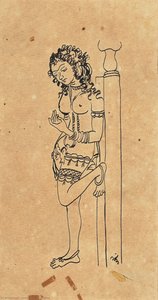
The artwork "Patachitra of Babu-Bibi," created by Tej Bahadur Chitrakar in 1928, stands as a cornerstone of Nepali modern art—a testament to the transformative influence of Western artistic principles on indigenous traditions. More than just a depiction of two figures seated together, it embodies a profound engagement with Kalighat style painting, reflecting the burgeoning interest in capturing everyday life and spiritual contemplation within Nepal’s evolving cultural landscape. This piece isn't merely visually arresting; it whispers tales of Nepali heritage and artistic innovation.The Essence of Kalighat Style: Bold Lines and Simplified Forms
Chitrakar’s approach to “Patachitra of Babu-Bibi” firmly establishes itself within the distinctive aesthetic framework of Kalighat art, a movement that emerged in Calcutta during the early 20th century. Rejecting academic realism—a trend gaining traction elsewhere—Kalighat artists prioritized expressive line work and stylized representations over meticulous detail. Chitrakar skillfully adopted this technique, utilizing thick, assertive lines to delineate the contours of the human figures and architectural elements like the chair and vase. These bold outlines convey dynamism and immediacy, mirroring the spirit of spontaneous observation characteristic of Kalighat’s artistic ethos. The simplification of forms—circles, squares, and rectangles dominating the composition—further enhances this visual impact, conveying a sense of clarity and symbolic resonance.Symbolism Embedded in Detail: Narrative and Cultural Significance
Beyond its stylistic choices, “Patachitra of Babu-Bibi” is rich in symbolic elements that illuminate Nepali cultural values. The seated figures represent a common scene from daily life—a conversation between men—yet their posture exudes serenity and contemplation. The inclusion of the ornate chair and vase serves as decorative embellishment but also carries deeper significance, reflecting the importance of hospitality and refinement within Newar culture. Furthermore, the attire worn by the figures hints at social status and tradition, anchoring the artwork firmly in its historical context. The artist’s deliberate use of geometric shapes—particularly circles representing wholeness and squares symbolizing stability—underscores these thematic concerns.Technique: Ink and Cloth – A Legacy Preserved
The execution of “Patachitra of Babu-Bibi” exemplifies a masterful blend of traditional craftsmanship and artistic vision. Chitrakar employed ink as his primary medium, applying it with meticulous precision to cloth or paper—a technique rooted in centuries of Nepali painting heritage. The layering of lines creates texture and depth, subtly suggesting the passage of time and conveying an emotional resonance that transcends mere visual representation. Careful consideration was given to lighting—casting soft shadows that illuminate the forms—enhancing their sculptural quality and contributing to the artwork’s overall atmosphere. This painstaking process reflects a dedication to preserving artistic traditions while simultaneously embracing new stylistic approaches.A Timeless Reflection of Nepali Identity
“Patachitra of Babu-Bibi” remains an enduring symbol of Nepal's artistic awakening during the early 20th century—a captivating fusion of Western influences and indigenous aesthetics. Its bold lines, simplified forms, and symbolic richness continue to inspire artists and collectors alike, reminding us of the power of art to capture the essence of cultural heritage and convey profound emotional truths. It’s a piece that invites contemplation and celebrates the beauty inherent in capturing the spirit of everyday life within a framework of spiritual reflection—a legacy beautifully preserved by Tej Bahadur Chitrakar.関連作品


作家の略歴
Tej Bahadur Chitrakar: A Pioneer of Modern Nepali Art
Early Life and Background
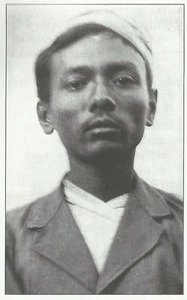
Tej Bahadur Chitrakar (1898–1971) was a Nepalese artist who played a pivotal role in the development of contemporary art in Nepal during the early 20th century. Born in Lalitpur, Nepal, as the second son to Shivadas and Ashamati, he came from a lineage deeply rooted in artistic tradition. His family belonged to the Chitrakar caste of the Newar community, traditionally entrusted with the creation of religious paintings since the 14th century AD under the Malla rulers.
Education and Training
Tej Bahadur’s exceptional talent was evident from a young age. In 1918, he became one of the earliest Nepalese artists to attend the Government College of Fine Art in Calcutta (now Kolkata), India. Sponsored by Prime Minister Chandra Shumsher, he received formal training and earned a degree in fine art with distinction in portraiture using oil paints in 1927. This education was instrumental in shaping his artistic vision and introducing him to Western techniques.
Artistic Development and Style
Upon returning to Nepal in 1929, Chitrakar spearheaded a significant shift in the Nepalese art scene. He moved away from strictly traditional religious art – which adhered to ancient textual descriptions – towards modern Western-style paintings. His work represented a fusion of these two worlds, blending traditional motifs and techniques with contemporary aesthetics. He was particularly known for his portraits and Patachitra works.
Major Achievements and Contributions
- Bridging Traditions: Chitrakar successfully integrated Western artistic principles into the Nepalese context, creating a unique style that resonated with both traditional sensibilities and modern tastes.
- Art Education: He dedicated himself to art education, teaching at Durbar High School and later becoming the head of Juddha Art School, nurturing generations of Nepali artists.
- Promoting Nepali Art: Chitrakar initiated ‘Chitrakala Udhyog Sangh’ (now defunct) with the aim of promoting and supporting Nepali art and artists.
- Expanding Artistic Themes: He broadened the scope of Nepalese painting beyond purely religious subjects, exploring portraiture, landscapes, and social themes.
Influences
Chitrakar’s artistic development was significantly influenced by his formal training in Calcutta, where he absorbed Western techniques in oil painting and portraiture. However, his upbringing within the Chitrakar caste and the rich tradition of Newari art also profoundly shaped his aesthetic sensibilities. He drew inspiration from traditional Patachitra styles while simultaneously embracing modern artistic trends.
Historical Significance
Tej Bahadur Chitrakar is recognized as a key figure in Nepal’s art history, credited with laying the foundation for modern Nepali art. His pioneering work paved the way for subsequent generations of artists to explore new styles and themes. Many of his enduring paintings are now held in prestigious art galleries worldwide, serving as a testament to his artistic legacy and contribution to Nepalese cultural heritage. He remains an iconic figure for those seeking to understand the evolution of Nepali art.
tej bahadur chitrakar
1898 - 1971 , Nepal
プロフィール概要
- Birth Date: 1898
- Birth Place: Lalitpur, Nepal
- Death Date: 1971
- Movement: Modern Nepali Art, Patachitra
- Name: Tej Bahadur Chitrakar
- Nationality: Nepalese
- Notable Works:
- Patachitra on Environment Conservation
- Tribute to My Forefather
- Patachitra on Women
- Patachitra of Babu-Bibi

