

 プレビュー
プレビュー
 プリントを購入
 シェアする
シェアする シェアする
シェアする
 詳細を見る
詳細を見る

 ダウンロード
 似ている作品
 X線調査
X線調査 スライドショー
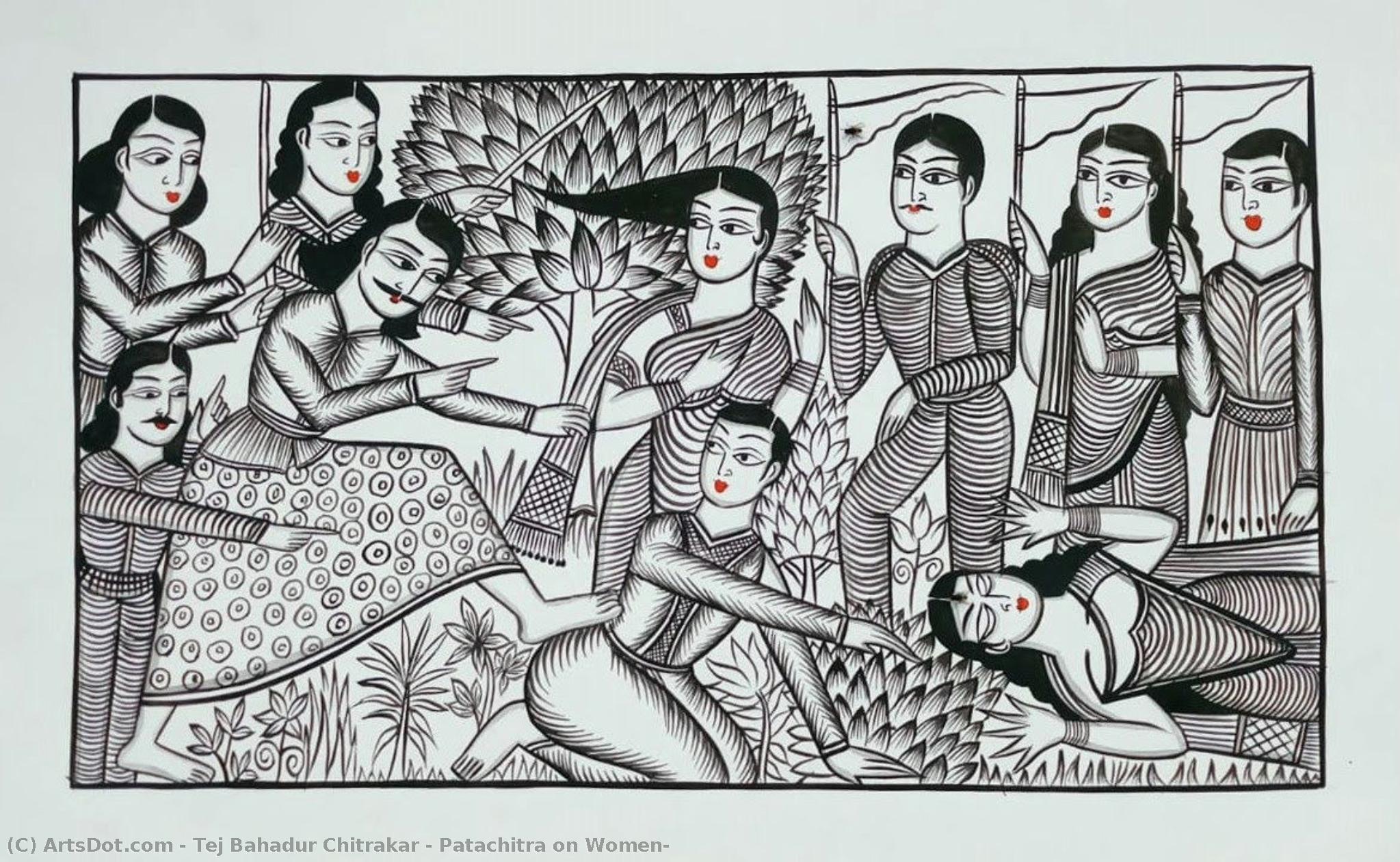
Patachitra on Women


 詳細を見る
詳細を見る




































作品のオリジナル比率に合わせた、当店の規定サイズからお選びください。

特定のフレームやスペースに合わせて、ご希望のサイズをご入力いただけます。選択されたサイズが元の画像の比率と異なる場合、アートワークをトリミングするか、手描きで要素を追加して絵画を拡張いたします。デジタルモックアップ を制作し、制作開始前にご確認(承認)をいただきます。
画面上のプレビューは、実際のトリミングや拡張を正確に反映しているものではありません。最終的な構図は、モックアップによってのみ正確にご確認いただけます。
カスタムサイズもご利用いただけますが、元の比率を維持するためには、あらかじめ用意されたリストからサイズを選択することをお勧めいたします。
ご注文後、ArtsDot.com チームより詳細な指示をお送りするとともに、仕上がりイメージ(モックアップ)をご提供いたします。


 ガラスオプションは、110cm未満のサイズでのみご利用いただけます。

Patachitra on Women
複製技法
複製画のサイズ
-


合計金額
$ 463
関連作品







アーティストの略歴
Tej Bahadur Chitrakar: A Pioneer of Modern Nepali Art
Early Life and Background
Tej Bahadur Chitrakar (1898–1971) was a Nepalese artist who played a pivotal role in the development of contemporary art in Nepal during the early 20th century. Born in Lalitpur, Nepal, as the second son to Shivadas and Ashamati, he came from a lineage deeply rooted in artistic tradition. His family belonged to the Chitrakar caste of the Newar community, traditionally entrusted with the creation of religious paintings since the 14th century AD under the Malla rulers.
Education and Training
Tej Bahadur’s exceptional talent was evident from a young age. In 1918, he became one of the earliest Nepalese artists to attend the Government College of Fine Art in Calcutta (now Kolkata), India. Sponsored by Prime Minister Chandra Shumsher, he received formal training and earned a degree in fine art with distinction in portraiture using oil paints in 1927. This education was instrumental in shaping his artistic vision and introducing him to Western techniques.
Artistic Development and Style
Upon returning to Nepal in 1929, Chitrakar spearheaded a significant shift in the Nepalese art scene. He moved away from strictly traditional religious art – which adhered to ancient textual descriptions – towards modern Western-style paintings. His work represented a fusion of these two worlds, blending traditional motifs and techniques with contemporary aesthetics. He was particularly known for his portraits and Patachitra works.
Major Achievements and Contributions
- Bridging Traditions: Chitrakar successfully integrated Western artistic principles into the Nepalese context, creating a unique style that resonated with both traditional sensibilities and modern tastes.
- Art Education: He dedicated himself to art education, teaching at Durbar High School and later becoming the head of Juddha Art School, nurturing generations of Nepali artists.
- Promoting Nepali Art: Chitrakar initiated ‘Chitrakala Udhyog Sangh’ (now defunct) with the aim of promoting and supporting Nepali art and artists.
- Expanding Artistic Themes: He broadened the scope of Nepalese painting beyond purely religious subjects, exploring portraiture, landscapes, and social themes.
Influences
Chitrakar’s artistic development was significantly influenced by his formal training in Calcutta, where he absorbed Western techniques in oil painting and portraiture. However, his upbringing within the Chitrakar caste and the rich tradition of Newari art also profoundly shaped his aesthetic sensibilities. He drew inspiration from traditional Patachitra styles while simultaneously embracing modern artistic trends.
Historical Significance
Tej Bahadur Chitrakar is recognized as a key figure in Nepal’s art history, credited with laying the foundation for modern Nepali art. His pioneering work paved the way for subsequent generations of artists to explore new styles and themes. Many of his enduring paintings are now held in prestigious art galleries worldwide, serving as a testament to his artistic legacy and contribution to Nepalese cultural heritage. He remains an iconic figure for those seeking to understand the evolution of Nepali art.
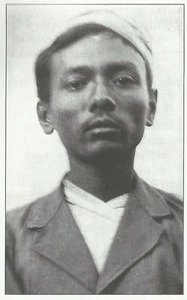
tej bahadur chitrakar
1898 - 1971 , Nepal
基本情報
- Birth Date: 1898
- Birth Place: Lalitpur, Nepal
- Death Date: 1971
- Movement: Modern Nepali Art, Patachitra
- Name: Tej Bahadur Chitrakar
- Nationality: Nepalese
- Notable Works:
- Patachitra on Environment Conservation
- Tribute to My Forefather
- Patachitra on Women
- Patachitra of Babu-Bibi

