

 プレビュー
プレビュー
 プリントを購入
 シェアする
シェアする シェアする
シェアする
 詳細を見る
詳細を見る

 ダウンロード
 似ている作品
 X線調査
X線調査 スライドショー
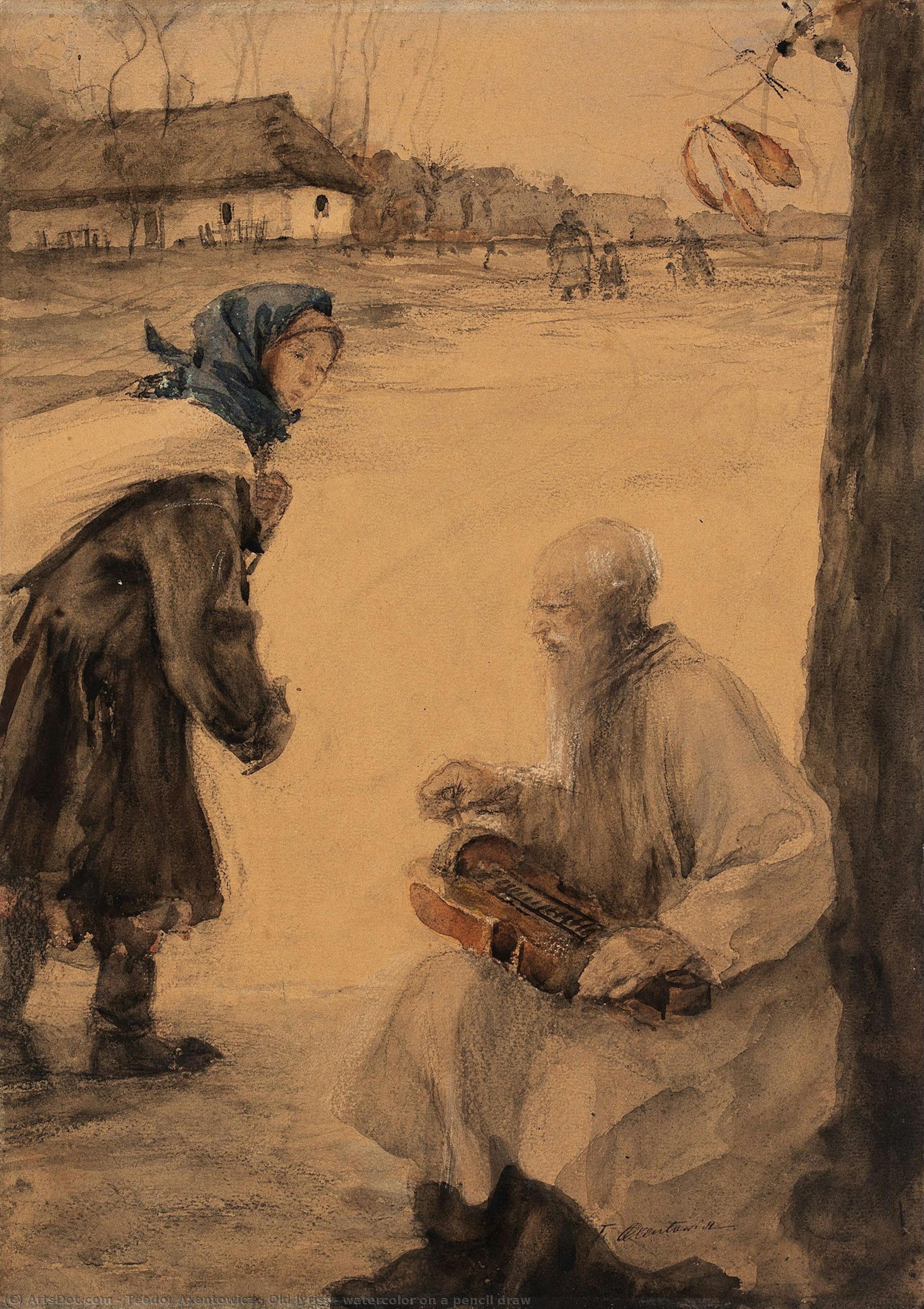
Old lyrist - watercolor on a pencil draw


 詳細を見る
詳細を見る




P118B $10

P118H $10

P118W $10

P438Z $10

P508JH $12

P508YH $12

P805H $10

P805Z $10

P919BZ $10

P919G $10

P919XJ $10

P959ZH $10

P968JZ $12

W106C $8

W218G $10

W218JH $8

W218Y $10

W307PJ $10

W316G $10

W316PJ $8

W316Y $10

W398PJ $8

W4111J $10

W500HY $15

W500JH $15

W692G $12

W849H $8

W940BG $15

W953PJ $8




作品のオリジナル比率に合わせた、当店の規定サイズからお選びください。

特定のフレームやスペースに合わせて、ご希望のサイズをご入力いただけます。選択されたサイズが元の画像の比率と異なる場合、アートワークをトリミングするか、手描きで要素を追加して絵画を拡張いたします。デジタルモックアップ を制作し、制作開始前にご確認(承認)をいただきます。
画面上のプレビューは、実際のトリミングや拡張を正確に反映しているものではありません。最終的な構図は、モックアップによってのみ正確にご確認いただけます。
カスタムサイズもご利用いただけますが、元の比率を維持するためには、あらかじめ用意されたリストからサイズを選択することをお勧めいたします。
ご注文後、ArtsDot.com チームより詳細な指示をお送りするとともに、仕上がりイメージ(モックアップ)をご提供いたします。


 ガラスオプションは、110cm未満のサイズでのみご利用いただけます。

Old lyrist - watercolor on a pencil draw
複製技法
複製画のサイズ
-


合計金額
$ 263
A Melodic Encounter in Earth and Shadow
In the delicate interplay of watercolor and pencil, Teodor Axentowicz captures a moment of profound stillness within a rustic landscape. Old Lyrist is not merely a depiction of two figures; it is a window into a vanishing way of life, rendered with an impressionistic touch that breathes life into every stroke. The composition presents a poignant encounter between generations: an elderly man, weathered by time and seated upon the earth, lost in the rhythmic creation of music, and a young woman passing through his orbit, her presence adding a layer of movement to the otherwise contemplative scene. The artist utilizes a muted palette of browns, grays, and deep earth tones, creating an atmosphere that feels as though it were pulled directly from the misty, autumnal air of the Carpathian foothills.
The technique employed here is nothing short of masterful, showcasing Axentowicz’s ability to blend the precision of a draftsman with the fluidity of a watercolorist. The underlying pencil work provides a structural skeleton, defining the heavy folds of the woman's dark gray caftan and the intricate, mechanical details of the hurdy-gurdy. Over this, the watercolor washes are applied with visible, textured brushstrokes that lend the piece an organic, almost sketch-like quality. This layering technique creates a sense of depth and atmosphere, where the boundaries between the figures and their village surroundings—the pitched roofs of distant houses and the skeletal branches of trees—seem to soften and merge, much like a fading memory.
Symbolism and the Soul of Folk Tradition
Beyond its aesthetic charm, the artwork serves as a soulful tribute to the Hutsul culture and the enduring spirit of folk tradition. The lyre or hurdy-gurdy acts as a powerful symbol of cultural continuity; it is an instrument that carries the songs of ancestors into the present moment. The elderly man, with his long beard and focused expression, embodies the wisdom and the weight of history, while the young woman, carrying her bundle, represents the transient nature of life and the ongoing journey of the community. There is a quiet dignity in their interaction—or lack thereof—suggesting that music is a constant, silent companion to the daily labors of rural existence.
For the discerning collector or interior designer, this piece offers more than just visual beauty; it provides an emotional anchor for a room. The nostalgic, autumnal mood makes it an ideal centerpiece for spaces designed to evoke warmth, heritage, and introspection. Whether placed in a study filled with books or a grand living area seeking a touch of classical European elegance, Old Lyrist invites the viewer to pause and listen to the silent music within the frame. It is a timeless acquisition that celebrates the beauty found in simplicity and the profound resonance of human connection through art.
関連作品
アーティストの略歴
Teodor Axentowicz: Life and Legacy
Early Life and Education
- Teodor Axentowicz was born on May 13, 1859, in Brașov (then part of Austria-Hungary, now Romania) to a family with Polish-Armenian ancestry.
- He received his initial artistic training at the Academy of Fine Arts in Munich between 1879 and 1882.
- Axentowicz continued his studies in Paris under Carolus-Duran until 1895, a period crucial for developing his style and technique.
Artistic Development and Influences
- During his time in Paris, Axentowicz worked as a copyist, reproducing works by masters like Titian and Botticelli for publications such as *Le Monde Illustré*. This honed his technical skills and deepened his understanding of art history.
- His early travels to London and Rome allowed him to establish himself as a portrait artist.
- He was influenced by the academic tradition, but also began to explore more modern approaches to painting, particularly in his depictions of folk life.
Collaboration on the Racławice Panorama
- In 1894, Axentowicz collaborated with Wojciech Kossak and Jan Styka on the *Racławice Panorama*, a monumental panoramic painting commemorating the Battle of Racławice during the Kościuszko Uprising.
- This project was a significant undertaking in Polish art history and showcased his ability to work on a large scale and contribute to national narratives.
Professor at Kraków Academy & Artistic Focus
- In 1895, Axentowicz moved to Kraków and became a professor at the local Academy of Fine Arts, a position he held until 1934.
- He founded an artistic conservatory for women in 1897, demonstrating his commitment to art education.
- Axentowicz is best known for his portraits and scenes depicting the life of the Hutsul people – a Ukrainian ethnic group inhabiting the Carpathian Mountains.
- His depictions of Hutsul culture are characterized by their sensitivity, realism, and vibrant color palettes. He captured their rituals, customs, and daily lives with remarkable detail.
Membership in Artistic Societies & Recognition
- He was a founding member of the *Sztuka* (Art) society, an important group within the Young Poland movement. Other members included Józef Chełmoński and Jan Stanisławski.
- Axentowicz became Rector of the Academy of Fine Arts in Kraków in 1910.
- He received numerous awards and accolades throughout his career, including gold medals at international exhibitions in Berlin, St. Louis, Munich, London, Venice, and Paris.
Later Life and Historical Significance
- Axentowicz continued to paint and exhibit his work until his death on August 26, 1938, in Kraków.
- His paintings are held in major public collections throughout Poland and private collections worldwide.
- He is remembered as a significant figure in Polish art history, particularly for his contributions to the depiction of folk culture and his role in shaping artistic education in Kraków. His work provides valuable insights into the lives and traditions of the Hutsul people during a period of cultural change.
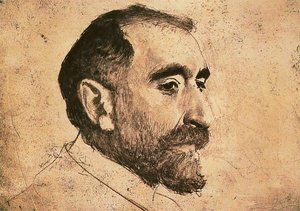
Teodor Axentowicz
1859 - 1938 , Romania
基本情報
- Birth Date: 1859-05-13
- Birth Place: Brașov, Romania
- Death Date: 1938-08-26
- Influenced By: Carolus-Duran
- Movement: Young Poland
- Name: Teodor Axentowicz
- Nationality: Polish-Armenian
- Notable Works:
- Racławice Panorama (collaboration)
- Scenes of Hutsul life
- Portraits
関連記事

Watercolor Wonders: 10 Masterpieces That Redefined Art History | ArtsDot
Journey through 10 legendary watercolor masterpieces by Sargent, Turner & Homer! Explore iconic landscapes, portraits & floral art that redefined history. Find museum-quality reproductions and curated decor ideas at ArtsDot.com.

Ephemeral Visions: Exploring the Artistic Legacy & Contemporary Practice of Watercolor Painting
Explore the captivating world of watercolor painting! Discover its rich history, essential techniques, influential artists & collecting tips. A comprehensive guide for art enthusiasts from ArtsDot.

Ephemeral Visions: Exploring the History & Emotional Resonance of Watercolor Painting
Explore the captivating history of watercolor painting, from ancient techniques to modern masters like Kandinsky & Blake. Discover essential artists, collecting tips & the emotional power of this luminous medium. Expert insights for art enthusiasts.
Ephemeral Visions: Exploring the Artistic Legacy & Nuances of Watercolor Painting
Explore the captivating world of watercolor painting! Discover its rich history, essential techniques, influential artists & collecting tips from art experts. A comprehensive guide for enthusiasts.
水彩の永続的な魅力:歴史、技法、そして現代の実践
水彩画の歴史、技法、現代の実践を深く探求。巨匠たちの名画から初心者向けテクニックまで解説。ArtsDot.comでは高品質な複製画やカスタムポートレートをご提供します。アートコンサルテーションも受付中。