

 プレビュー
プレビュー
 シェアする
シェアする シェアする
シェアする
 詳細を見る
詳細を見る

 ダウンロード
 似ている作品
 X線調査
X線調査 スライドショー
 統計情報
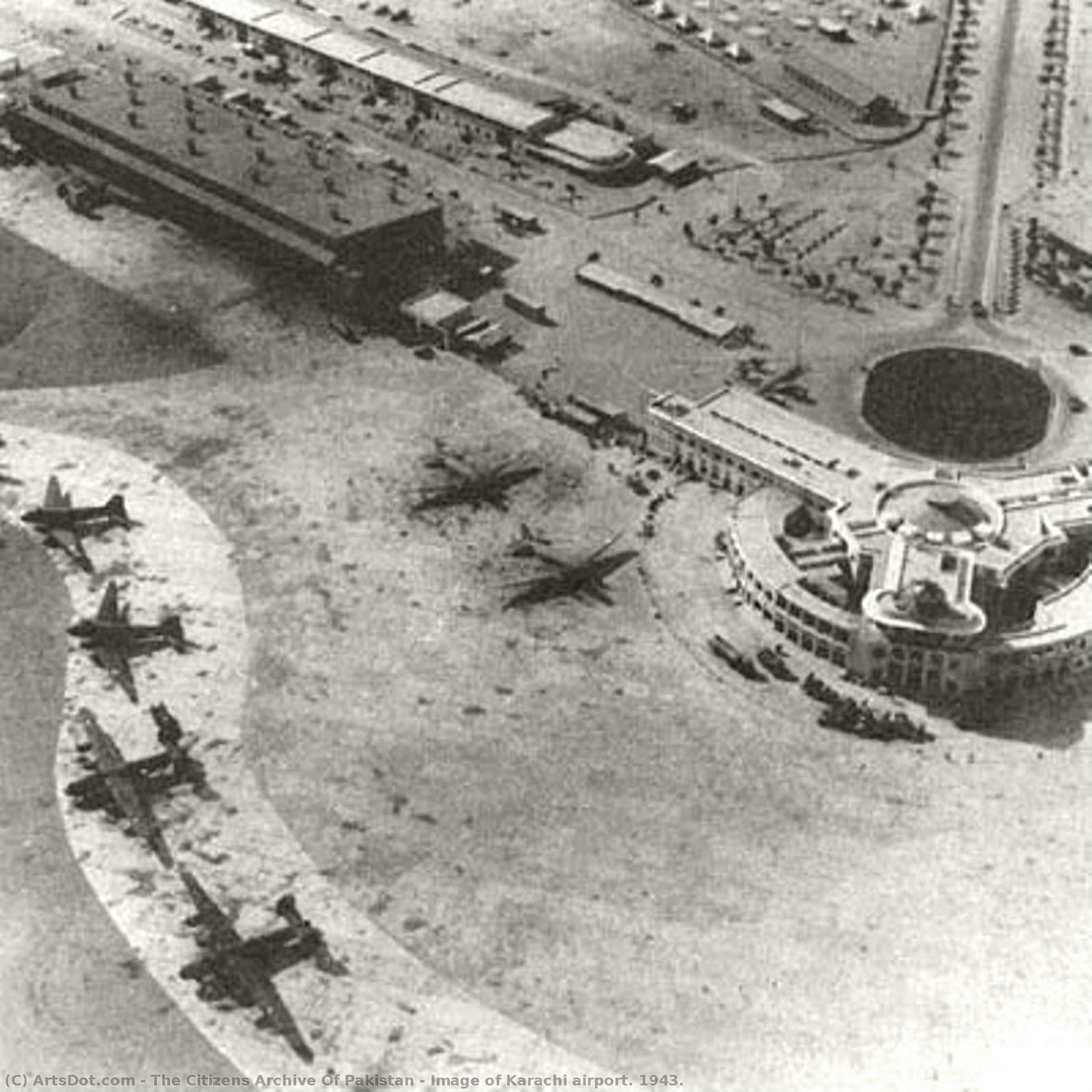
統計情報Image of Karachi airport. 1943.

 詳細を見る
詳細を見る
ジークレー/アートプリント
迅速な制作と多彩な仕上げオプションを備えた、ミュージアムクオリティのジークレーまたはキャンバスプリント。 ( 手描きの絵画を購入 デジタル画像販売へ切り替え)




































標準サイズ
オーダーメイド
CM
INCH
作品のオリジナル比率に合わせた、当店の規定サイズからお選びください。
Loading sizes...

幅
高さ
特定のフレームやスペースに合わせて、ご自身でサイズを指定することも可能です。選択されたサイズが元の画像の比率と一致しない場合、作品をトリミングするか、鏡面反射または単色での塗りつぶしによって画像を拡張いたします。制作を開始する前に、ご確認用のデジタルモックアップをお送りいたします。
画面上のプレビューには、実際のトリミングや拡張は反映されませんのでご注意ください。最終的な構図を正確に確認できるのは、モックアップのみとなります。
カスタムサイズも承っておりますが、元の比率を維持するためには、あらかじめ用意されたリストからサイズを選択することをお勧めいたします。


 ガラスオプションは、110cm未満のサイズでのみご利用いただけます。

Image of Karachi airport. 1943.
ジークレー/アートプリント
複製画のサイズ
-


合計金額
$ 62
During the late 1920s and early 1930s, there was a large black coloured airship hangar at the site of Karachi Airport, constructed for the British HMA R101, at the time, the largest aircraft ever built. Only three hangars were ever built in the world to dock and hangar Britain
関連作品





アーティストの略歴
Preserving Pakistan’s Soul: The Citizens Archive of Pakistan
The Citizens Archive of Pakistan (CAP) is more than an organization; it's a vital act of national memory, a dedicated effort to safeguard the rich and often-fragile tapestry of Pakistani history and culture. Founded on the principle that a nation’s identity resides in its stories—particularly those whispered through generations—CAP has emerged as a unique force in Pakistan’s cultural landscape. Unlike traditional state-run archives, CAP operates as an independent, not-for-profit entity, allowing it to pursue a more inclusive and nuanced approach to historical preservation. Its origins lie in a critical need: the absence of readily accessible, unbiased records documenting pivotal moments like the Partition of India in 1947, a period often overshadowed by political rhetoric and selective narratives. The organization recognized that the most powerful accounts were held not within official institutions but within the personal collections and oral histories of ordinary citizens.The Oral History Project: A Nation’s Voices
At the heart of CAP's mission is the Oral History Project (OHP), a monumental undertaking to collect, digitize, and preserve the testimonies of those who lived through defining events in Pakistan’s past. Launched with an urgency born from the realization that this generation was dwindling, the OHP has amassed over 5000 oral histories—a remarkable feat considering the challenges inherent in documenting personal experiences decades after they occurred. These aren't simply recordings of facts and dates; they are intimate portraits of resilience, loss, displacement, and hope. The project’s scope extends beyond Partition, encompassing a wide range of themes including the 1971 War, social movements, cultural traditions, and everyday life in Pakistan throughout the 20th and 21st centuries. The sheer scale of the archive—over 650,000 photographs from both private and public collections alongside the oral histories—makes it an unparalleled resource for researchers, educators, and anyone seeking a deeper understanding of Pakistani identity. The OHP actively seeks out diverse voices, ensuring that marginalized communities and underrepresented perspectives are included in the national narrative.Beyond Documentation: Education and Outreach
CAP’s commitment extends far beyond simply collecting and storing historical materials. The organization recognizes that an archive is only as valuable as its accessibility. A core tenet of CAP's philosophy is to actively engage with the community, fostering awareness of Pakistan’s history and instilling a sense of pride in its heritage. This manifests through a robust educational program designed for schools, universities, and the general public. CAP develops innovative educational products based on its archive—exhibitions, workshops, documentaries, and online resources—that bring history to life in engaging and thought-provoking ways. These initiatives are not merely about imparting knowledge; they aim to cultivate critical thinking skills and encourage a deeper appreciation for the complexities of Pakistan’s past. The organization frequently hosts festivals and exhibitions that showcase its collection, attracting thousands of visitors eager to connect with their nation's stories.Influences and Artistic Collaborations
While CAP is primarily an archival institution, it has increasingly engaged in artistic collaborations that amplify the impact of its work. The organization understands the power of art to evoke emotion, spark dialogue, and reach new audiences. A notable example is the project with artist Onkar Kular for Alchemy 2014 at the Southbank Centre, which drew upon commissioned works and existing archival material from CAP’s collection to revisit the Partition through a gendered lens. This collaboration transformed the archive into a dynamic space for oral history recordings, personal document archiving, and public discussion—effectively turning historical preservation into a “living history” experience. These partnerships demonstrate CAP's willingness to experiment with new forms of storytelling and its commitment to making Pakistani history accessible on an international stage. The use of graphic language inspired by Pakistani truck art in the Alchemy project further exemplifies this dedication to celebrating local aesthetics and cultural expressions.Historical Significance and Future Vision
The Citizens Archive of Pakistan occupies a unique position within the landscape of historical preservation, particularly in a nation where state-controlled narratives have often dominated public discourse. By prioritizing oral histories and independent documentation, CAP has created a vital counterpoint to official accounts, offering a more nuanced and inclusive understanding of Pakistan’s past. Its work is especially significant given the ongoing challenges of censorship and political instability within the country. The organization's commitment to preserving diverse perspectives—including those of religious minorities, women, and marginalized communities—is crucial for fostering national reconciliation and building a more equitable future. CAP envisions itself as the foremost library and heritage center of Pakistani history, a place where citizens can connect with their past, celebrate their culture, and shape their nation’s identity. Through its unwavering dedication to preserving Pakistan's soul, CAP is not merely documenting history; it is actively shaping it. The organization stands as a testament to the power of collective memory and the enduring importance of storytelling in defining a nation’s character.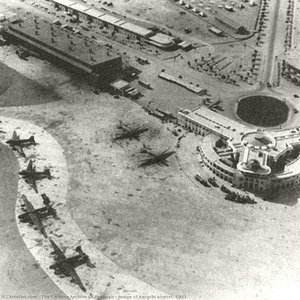
基本情報
- Artistic Movement Or Style: Archival preservation
- Date Of Death: Living
- Full Name: The Citizens Archive Of Pakistan
- Nationality: Pakistani
- Notable Artworks:
- Image of refugees boarding a train
- Images of Sindh High Court
- A movie still of Murad and Shabnam