 プレビュー
プレビュー
 シェアする
シェアする シェアする
シェアする
 詳細を見る
詳細を見る

 ダウンロード
 似ている作品
 X線調査
X線調査 スライドショー
 Stats
StatsVase

 詳細を見る
詳細を見る
手描き油彩複製画
当社のアーティストが、お客様のご希望のサイズと額縁に合わせて、キャンバスに手描きで制作する油彩画です。 ( Switch to Print Switch to Digital Image)




































標準サイズ
オーダーメイド
CM
INCH
作品のオリジナル比率に合わせた、当店の規定サイズからお選びください。
Loading sizes...

幅
高さ
特定のフレームやスペースに合わせて、ご希望のサイズをご入力いただけます。選択されたサイズが元の画像の比率と異なる場合、アートワークをトリミングするか、手描きで要素を追加して絵画を拡張いたします。デジタルモックアップ を制作し、制作開始前にご確認(承認)をいただきます。
画面上のプレビューは、実際のトリミングや拡張を正確に反映しているものではありません。最終的な構図は、モックアップによってのみ正確にご確認いただけます。
カスタムサイズもご利用いただけますが、元の比率を維持するためには、あらかじめ用意されたリストからサイズを選択することをお勧めいたします。
カスタマイズの例:顔をお客様の写真に置き換える、ペットを追加する(例:猫を犬に変更)、背景に隠れたメッセージを入れる、背景の風景や要素を変更するなど。
ご注文後、ArtsDot.com チームより詳細な指示をお送りするとともに、仕上がりイメージ(モックアップ)をご提供いたします。
ご注文後、ArtsDot.com チームより詳細な指示をお送りするとともに、仕上がりイメージ(モックアップ)をご提供いたします。


 ガラスオプションは、110cm未満のサイズでのみご利用いただけます。

Vase
複製技法
複製画のサイズ
-


合計金額
$ 263
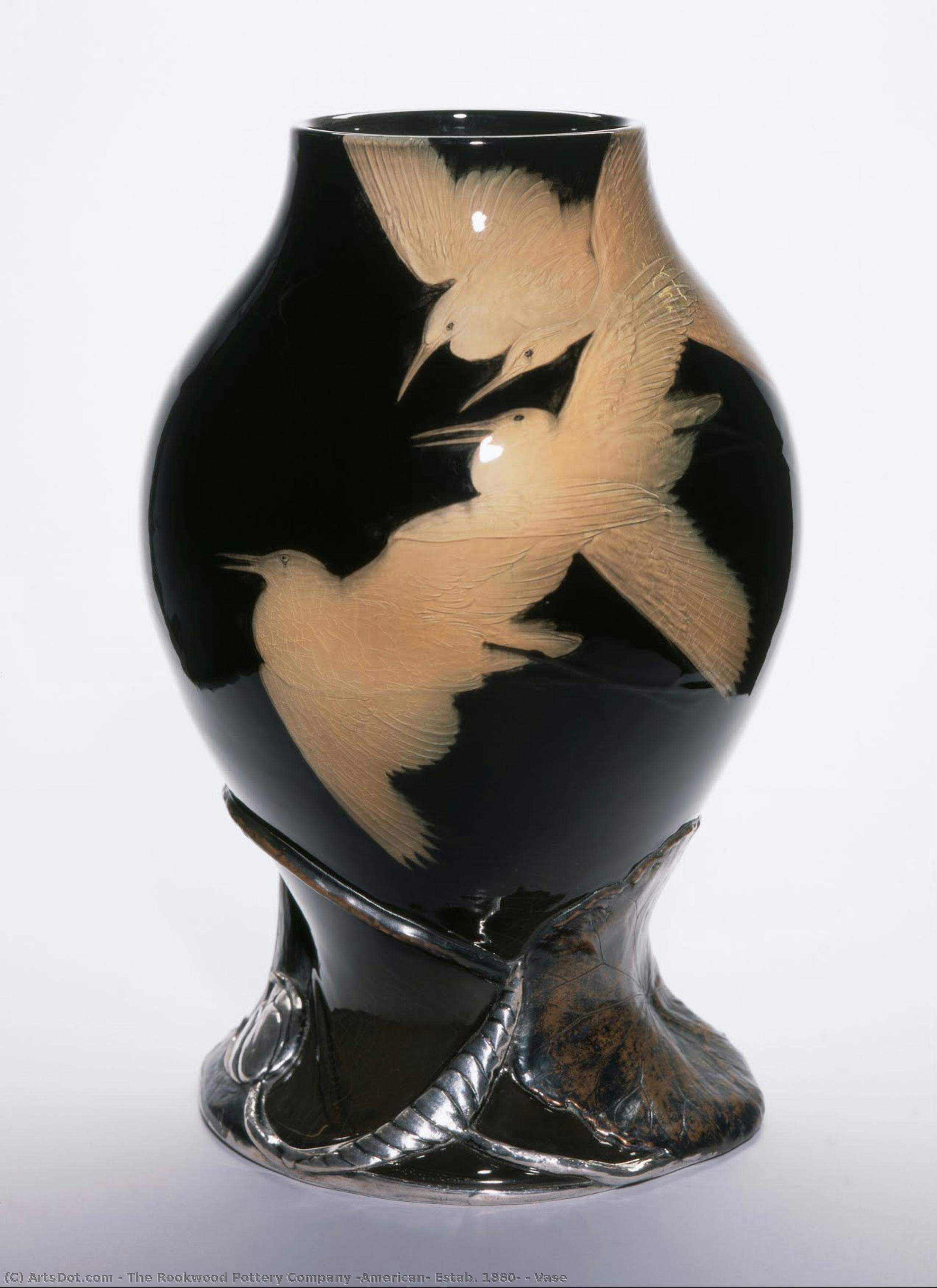
In 1895, a year after introducing its Iris glaze line, Rookwood began experimenting with the highly difficult technical feat of using the color black in decoration applied under the glaze. The experiments succeeded, and in 1899, Rookwood launched the Black Iris glaze line, which featured natural colored decorations, usually flora, on black backgrounds.Japanese-born Kataro Shirayamadani, Rookwood’s most accomplished decorator, designed and created this masterpiece in the pottery’s new line. It features birds flying above masterfully carved silver and copper water lilies, all against a black night sky. The complex technique of adding metallic decoration to clay via electrodeposit had been developed by Shirayamadani earlier that year, but Rookwood soon discontinued its application due to its high production costs.This vase, because of its date, its size, its use of the electrodeposited metal technique, its glaze line, its decorator and its quality, was most certainly one of the works that was displayed at the Paris Universal Exposition of 1900, where Rookwood received the grand prize—the fair’s highest honor.
関連作品





アーティストの略歴
The Dawn of American Art Pottery: Rookwood and the Cincinnati Renaissance
The story of The Rookwood Pottery Company is inextricably linked to the burgeoning Arts and Crafts movement in late 19th-century America, a period yearning for authenticity and handmade quality in contrast to the increasingly mechanized world. Founded in 1880 by Maria Longworth Storer Keyes in Cincinnati, Ohio, Rookwood wasn’t merely a pottery factory; it was an ambitious attempt to establish an American artistic identity, one that rivaled the esteemed ceramic traditions of Europe and Asia. Keyes, a wealthy socialite with a passion for art and a keen eye for design, envisioned a space where local artists could flourish, creating unique pieces inspired by the surrounding landscape and imbued with a distinctly American sensibility. The initial impetus came from her frustration with the lack of high-quality pottery available domestically – everything beautiful was imported. She began experimenting in her family’s estate, eventually leading to the establishment of the Rookwood studio, named after her ancestral home. This wasn't simply about replicating existing styles; it was a deliberate effort to forge something new, rooted in American soil and talent. The early years were marked by experimentation with glazes and forms, drawing inspiration from both European majolica and Japanese ceramics, but quickly evolving into a style all its own.Early Innovations and the Rise of Standard Glazes
The first decades of Rookwood’s existence were defined by a relentless pursuit of technical mastery and artistic innovation. Keyes hired talented decorators and potters, fostering an environment of collaboration and creative exchange. One of the most significant early achievements was the development of a range of “standard glazes” – distinctive color palettes that became synonymous with the Rookwood name. These weren’t accidental discoveries; they were the result of painstaking research and experimentation led by chemist William Bloor. The standard glazes, including Sea Green, Matte Green, Oxblood, and Rose Pink, provided a consistent foundation for artists to build upon, allowing them to focus on design and decoration without constantly battling unpredictable firing results. The company’s commitment to marking each piece with an impressed Rookwood logo and the artist's initials ensured both quality control and recognition of individual craftsmanship. This practice was revolutionary at the time, elevating the status of pottery from a functional object to a collectible art form. The early work often featured floral motifs, landscapes, and geometric patterns, reflecting the influence of contemporary Aestheticism and Japanese design principles. The emphasis on naturalistic forms and subtle color harmonies resonated with a public increasingly disillusioned with Victorian excess.The Influence of Frederick Rhead and the Shift in Style
A pivotal moment in Rookwood’s history arrived with the arrival of Frederick Rhead in 1903. Rhead, an English ceramic artist with extensive experience in both England and America, brought a new energy and direction to the studio. He championed a more painterly approach to decoration, encouraging artists to embrace bolder designs and more complex compositions. Under Rhead’s leadership, Rookwood began experimenting with highly textured surfaces, iridescent glazes, and increasingly abstract forms. The “Standard Glaze” period gradually gave way to a new era of experimentation, characterized by the introduction of overglaze decorations, including elaborate landscapes, portraits, and scenes inspired by American folklore. Rhead also introduced the use of shapes that were more sculptural than functional, pushing the boundaries of what pottery could be. His influence extended beyond design; he streamlined production processes and expanded Rookwood’s market reach, making the company's wares accessible to a wider audience. The introduction of numbered limited editions further enhanced the collectibility of Rookwood pieces, solidifying its reputation as a premier art pottery manufacturer.The Jazz Age and Beyond: Adapting to Changing Tastes
As America entered the Jazz Age in the 1920s, Rookwood responded to the changing cultural landscape with a series of innovative designs that reflected the era’s spirit of modernity and exuberance. Artists began incorporating geometric patterns, stylized floral motifs, and vibrant colors into their work, embracing Art Deco influences. The company also experimented with new techniques, such as lithographic transfers and silk-screen printing, to create more complex and detailed decorations. Despite facing economic challenges during the Great Depression, Rookwood continued to produce high-quality pottery, albeit on a smaller scale. The focus shifted towards more affordable pieces and functional wares, but the company remained committed to its core values of craftsmanship and artistic excellence. The later years saw a gradual decline in production as consumer tastes evolved and competition from overseas manufacturers increased. However, Rookwood’s legacy endured, inspiring generations of ceramic artists and collectors.Historical Significance and Enduring Legacy
The Rookwood Pottery Company holds an unparalleled position in the history of American art. It was one of the first companies to successfully establish a distinctively American style of pottery, breaking away from European traditions and embracing local talent and inspiration. Rookwood’s commitment to artist recognition, quality control, and innovative design set a new standard for the industry. The company's wares are highly sought after by collectors today, representing not only artistic beauty but also a significant chapter in American cultural history. The influence of Rookwood can be seen in countless ceramic studios and art pottery manufacturers that followed, cementing its place as a pioneer of the Arts and Crafts movement.- Rookwood pieces are featured in major museums across the country, including the Metropolitan Museum of Art and the Smithsonian Institution.
- The company’s archives provide valuable insights into the development of American ceramic art and design.
- Rookwood continues to operate today, producing limited-edition pieces that honor the legacy of its founders and artists.