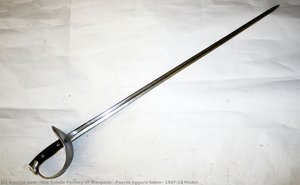
プレビュー
プレビュー
 シェアする
シェアする シェアする
シェアする
 詳細を見る
詳細を見る

 ダウンロード
 似ている作品
 X線調査
X線調査 スライドショー
 統計情報
統計情報Puerto Seguro Saber, 1907–18 Model


 詳細を見る
詳細を見る
ジークレー/アートプリント
迅速な制作と多彩な仕上げオプションを備えた、ミュージアムクオリティのジークレーまたはキャンバスプリント。 ( 手描きの絵画を購入 デジタル画像販売へ切り替え)
































作品のオリジナル比率に合わせた、当店の規定サイズからお選びください。

特定のフレームやスペースに合わせて、ご自身でサイズを指定することも可能です。選択されたサイズが元の画像の比率と一致しない場合、作品をトリミングするか、鏡面反射または単色での塗りつぶしによって画像を拡張いたします。制作を開始する前に、ご確認用のデジタルモックアップをお送りいたします。
画面上のプレビューには、実際のトリミングや拡張は反映されませんのでご注意ください。最終的な構図を正確に確認できるのは、モックアップのみとなります。
カスタムサイズも承っておりますが、元の比率を維持するためには、あらかじめ用意されたリストからサイズを選択することをお勧めいたします。


 ガラスオプションは、110cm未満のサイズでのみご利用いただけます。

Puerto Seguro Saber, 1907–18 Model
ジークレー/アートプリント
複製画のサイズ
-


合計金額
$ 62
関連作品






アーティストの略歴
The Legacy of Steel and Tradition
To speak of The Toledo Factory Of Weapons is to invoke a history etched in iron and tempered by fire, a legacy that transcends the boundaries of mere manufacturing to enter the realm of cultural heritage. While not an artist in the conventional sense of a painter or sculptor, this institution represents a centuries-old tradition of craftsmanship where the forge serves as the studio and the blade becomes the medium. Located in the heart of Spain, the factory is part of a lineage of metalworking that traces its roots back to the Roman period, a time when the legendary Toledo steel first began to command the respect of the ancient world's greatest conquerors.
The essence of this craft lies in the mastery of metallurgy, specifically the development of techniques that allowed for blades of unparalleled strength and flexibility. Historically, the process involved a sophisticated method where a high-quality steel blade enveloped a wrought iron strip, creating a weapon with a "soul of iron" that could withstand the rigors of combat without bending or cracking. This technical brilliance was not merely functional; it was an art form that demanded an intimate understanding of heat, pressure, and the elemental properties of the earth's minerals.
A Tapestry of Conquest and Craft
The historical significance of the Toledo Arsenal is inextricably linked to the shifting tides of Mediterranean power. From the Punic Wars, where the Carthaginian general Hannibal Barca famously utilized the devastating falcata forged in this region, to the era of the Roman legions, the weapons produced here shaped the destiny of empires. As the centuries progressed, the artistry of the forge evolved through various cultural confluences, absorbing the influences of the Visigothic Kingdom and the sophisticated metalworking traditions brought by the Moors. This period of Islamic rule introduced advanced techniques for scimitar production, further enriching the repertoire of the local blacksmiths.
During the peak of its production in the 15th and 16th centuries, the factory's output became a symbol of prestige and martial prowess. The legendary swords of El Cid, known as Tizona and Colada, are celebrated within this tradition, representing the pinnacle of what could be achieved when skill met superior material. The work produced by the factory was more than weaponry; it was a manifestation of the city's identity—a blend of durability, elegance, and lethal precision that made Toledo a global center for arms production.
The Evolution of the Blade
As the world transitioned from the age of cavalry and conquest to the era of modern warfare, the factory adapted, yet it never lost its connection to its storied past. The development of specialized models, such as the Puerto Seguro Saber of the early 20th century, demonstrates a continued commitment to innovation. Conceived by Captain Luis Carbajal Melgarejo, this particular model sought to harmonize the advantages of both the sword and the saber, offering a straight-bladed weapon that retained the agility of its curved predecessors. This evolution reflects a persistent dialogue between ancient tradition and the changing requirements of military necessity.
Today, the memory of the Real Fábrica De Armas De Toledo remains a vital part of Spain's artistic and historical landscape. The factory stands as a testament to a time when the blacksmith was an architect of history, and every strike of the hammer on the anvil was a step toward defining the strength of a nation. Though the nature of warfare has changed, the artistry of the Toledo steel tradition continues to inspire awe, reminding us that true mastery lies in the ability to forge something permanent from the most volatile elements.