メニュー
無料アート相談
プレビュープレビュー ARで試着ARで試着 プリントを購入 プリントを購入画像を購入 画像を購入 シェアするシェアする
詳細を見る詳細を見る お気に入りに追加 お気に入りに追加 ダウンロードダウンロード 似ている作品似ている作品 X線調査X線調査 スライドショースライドショー

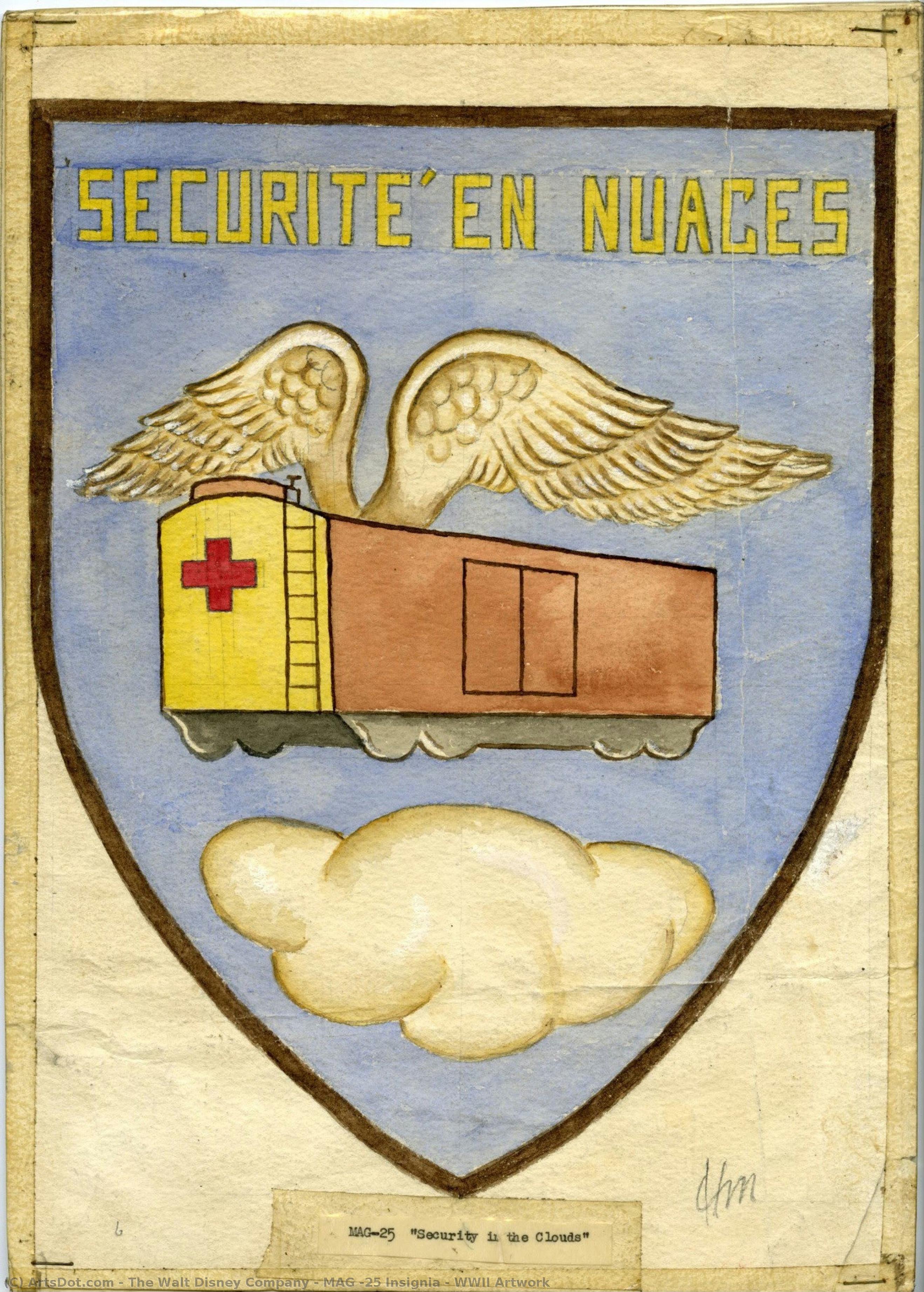
MAG -25 Insignia - WWII Artwork

A master of Surrealism, Salvador Dalí captivated audiences with iconic works like "The Persistence of Memory" and his eccentric persona; delve into a world where dreams and reality collide.

手描き油彩複製画

当社のアーティストが、お客様のご希望のサイズと額縁に合わせて、キャンバスに手描きで制作する油彩画です。 (プリントを購入 プリントを購入画像を購入 画像を購入)

標準サイズ
オーダーメイド
CM
INCH

作品のオリジナル比率に合わせた、当店の規定サイズからお選びください。

高さ

特定のフレームやスペースに合わせて、ご希望のサイズをご入力いただけます。選択されたサイズが元の画像の比率と異なる場合、アートワークをトリミングするか、手描きで要素を追加して絵画を拡張いたします。デジタルモックアップ を制作し、制作開始前にご確認(承認)をいただきます。
画面上のプレビューは、実際のトリミングや拡張を正確に反映しているものではありません。最終的な構図は、モックアップによってのみ正確にご確認いただけます。
カスタムサイズもご利用いただけますが、元の比率を維持するためには、あらかじめ用意されたリストからサイズを選択することをお勧めいたします。

カスタマイズの例:顔をお客様の写真に置き換える、ペットを追加する(例:猫を犬に変更)、背景に隠れたメッセージを入れる、背景の風景や要素を変更するなど。
ご注文後、ArtsDot.com チームより詳細な指示をお送りするとともに、仕上がりイメージ(モックアップ)をご提供いたします。

世界中への配送()は、通常の5週間ではなく、3〜4週間でお届けいたします。(27 8月)。品質には一切妥協いたしません。

why_choose_icon
世界中へ無料エクスプレス配送
why_choose_icon
高品質なリネンキャンバス
why_choose_icon
配送時完全保険付
why_choose_icon
関税・輸入税の払い戻し保証
why_choose_icon
忠実な色彩再現保証
why_choose_icon
60日間返品保証(製造上の欠陥のみ)
why_choose_icon
100% 全額返金保証
why_choose_icon
まとめ買い割引のご案内

合計金額

$ 263

reproduction

MAG -25 Insignia - WWII Artwork

複製技法

複製画のサイズ

-

合計金額

$ 263


アーティストの略歴

The Everlasting Magic: A Legacy Forged in Imagination

The Walt Disney Company, more than a name, represents a cultural phenomenon—a boundless realm of storytelling that has captivated generations. While often associated solely with animation, the company’s history is one of relentless innovation, artistic ambition, and shrewd business acumen. Its origins lie with Walter Elias Disney, born in Chicago on December 5, 1901. From humble beginnings sketching cartoons as a hobby, Disney possessed an innate talent for bringing characters to life, fueled by a vivid imagination and a tireless work ethic. Early struggles marked his path; after a brief stint in Kansas City creating advertisements, he ventured to Hollywood with little more than a dream and a determination to succeed. The initial years were fraught with financial hardship, but the seeds of an empire were being sown.

Pioneering Animation: From Silents to Sound

Disney’s breakthrough arrived in 1928 with the creation of Mickey Mouse, initially conceived as a replacement for Oswald the Lucky Rabbit after losing the rights to that character. Steamboat Willie, released later that year, wasn't merely an animated short; it was one of the first synchronized sound cartoons, revolutionizing the industry and catapulting Mickey—and Disney—to international stardom. This marked a pivotal moment, demonstrating the power of combining animation with music and dialogue. The 1930s witnessed further innovation with Silly Symphonies, a series of shorts that showcased technical advancements like Technicolor and multiplane camera technology. Flowers and Trees (1932), the first full-color cartoon, earned Disney his first Academy Award. However, it was Snow White and the Seven Dwarfs (1937), a full-length animated feature film, that truly cemented Disney’s legacy. A monumental undertaking—often referred to as “Disney’s folly” due to its unprecedented scale and cost—Snow White proved that animation could be more than just entertainment for children; it was capable of telling complex stories with emotional depth and artistic beauty, becoming a global sensation and setting the standard for animated filmmaking.

Expanding the Dream: Live-Action, Theme Parks, and Beyond

The success of Snow White allowed Disney to diversify his creative output. The company ventured into live-action films with Treasure Island (1950), followed by a string of popular family adventures. However, Walt Disney’s most ambitious project after the war was arguably Disneyland, which opened in Anaheim, California, in 1955. Disneyland wasn't simply an amusement park; it was a meticulously designed “magic kingdom,” offering immersive experiences and a sense of escapism that resonated deeply with audiences. It pioneered the concept of the theme park as a carefully curated environment for family entertainment. Throughout the 1960s, Disney continued to push boundaries with innovative live-action films like Mary Poppins (1964), blending animation and live action in groundbreaking ways.

A Lasting Influence: Innovation and Cultural Impact

Walter Elias Disney passed away on December 15, 1966, leaving behind a company poised for continued growth. His successors built upon his foundation, expanding the theme park empire with Walt Disney World in Florida and international locations. The animation studio continued to produce beloved classics like The Little Mermaid (1989), Beauty and the Beast (1991), and The Lion King (1994), ushering in a new golden age of Disney animation. Acquisitions of Pixar, Marvel Entertainment, Lucasfilm, and 20th Century Fox further solidified The Walt Disney Company’s dominance in the entertainment industry. Today, the company's influence extends far beyond film and theme parks, encompassing television networks, streaming services, consumer products, and resorts worldwide. The enduring power of Disney lies not just in its ability to entertain but also in its capacity to evoke nostalgia, inspire imagination, and create shared experiences that transcend generations. The characters created by Walt Disney—Mickey Mouse, Donald Duck, Snow White, Cinderella—have become cultural icons, woven into the fabric of our collective consciousness. The company’s commitment to storytelling, innovation, and family values continues to shape the entertainment landscape, ensuring its legacy will endure for years to come.