

 プレビュー
プレビュー
 プリントを購入
 シェアする
シェアする シェアする
シェアする
 詳細を見る
詳細を見る

 ダウンロード
 似ている作品
 X線調査
X線調査 スライドショー
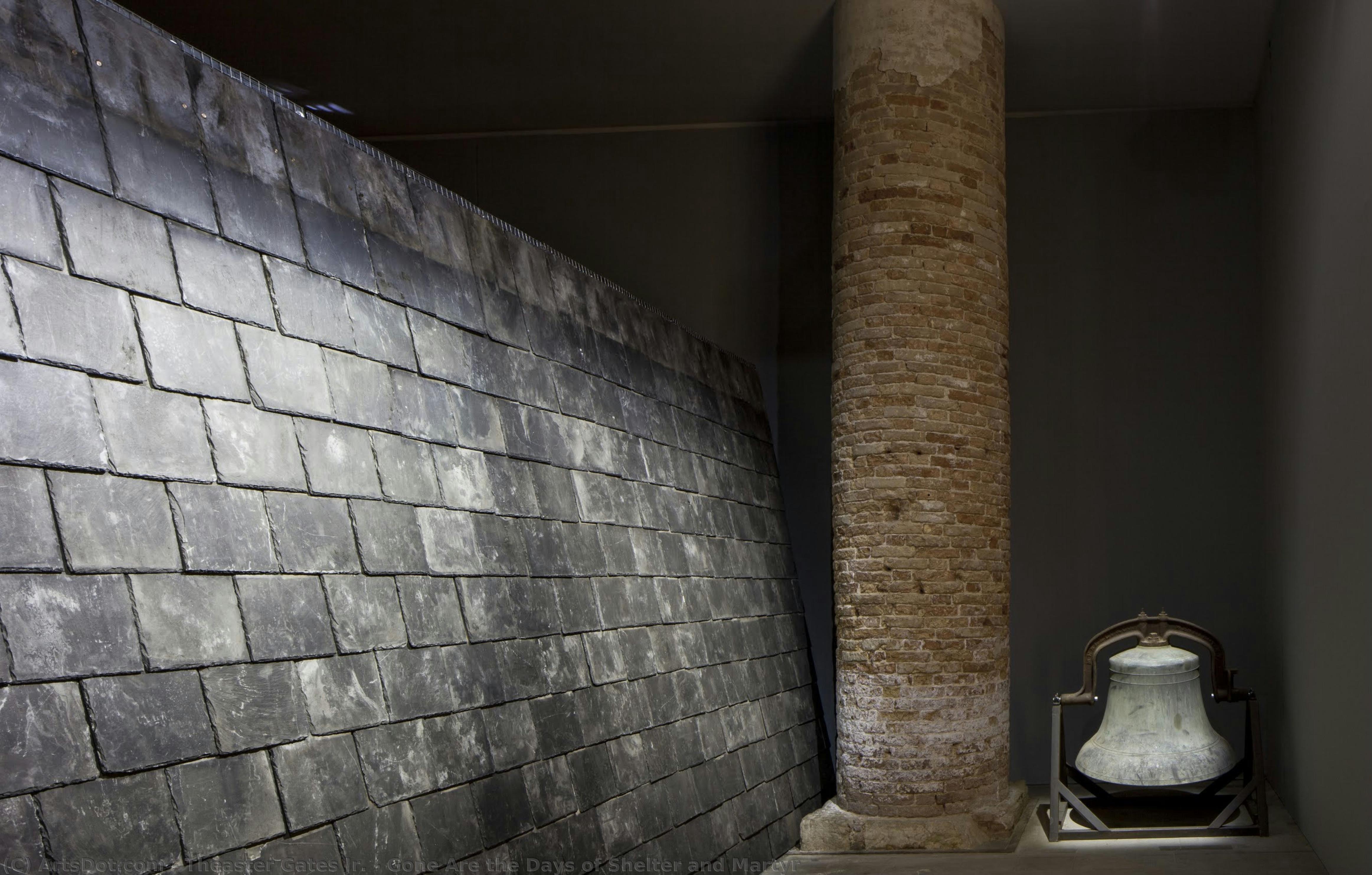
Gone Are the Days of Shelter and Martyr


 詳細を見る
詳細を見る




P118B $10

P118H $10

P118W $10

P438Z $10

P508JH $12

P508YH $12

P805H $10

P805Z $10

P919BZ $10

P919G $10

P919XJ $10

P959ZH $10

P968JZ $12

W106C $8

W218G $10

W218JH $8

W218Y $10

W307PJ $10

W316G $10

W316PJ $8

W316Y $10

W398PJ $8

W4111J $10

W500HY $15

W500JH $15

W692G $12

W849H $8

W940BG $15

W953PJ $8




作品のオリジナル比率に合わせた、当店の規定サイズからお選びください。

特定のフレームやスペースに合わせて、ご希望のサイズをご入力いただけます。選択されたサイズが元の画像の比率と異なる場合、アートワークをトリミングするか、手描きで要素を追加して絵画を拡張いたします。デジタルモックアップ を制作し、制作開始前にご確認(承認)をいただきます。
画面上のプレビューは、実際のトリミングや拡張を正確に反映しているものではありません。最終的な構図は、モックアップによってのみ正確にご確認いただけます。
カスタムサイズもご利用いただけますが、元の比率を維持するためには、あらかじめ用意されたリストからサイズを選択することをお勧めいたします。
ご注文後、ArtsDot.com チームより詳細な指示をお送りするとともに、仕上がりイメージ(モックアップ)をご提供いたします。


 ガラスオプションは、110cm未満のサイズでのみご利用いただけます。

Gone Are the Days of Shelter and Martyr
複製技法
複製画のサイズ
-


合計金額
$ 263
The Weight of Memory: Exploring Theaster Gates Jr.’s “Martyr Construction”
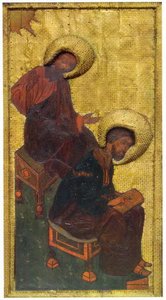
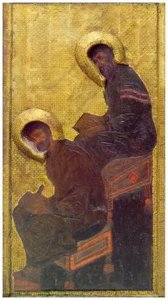
The artwork "Martyr Construction" by Theaster Gates Jr., created in 2014, stands as a poignant testament to the enduring legacy of faith and resilience within marginalized communities. More than just a sculptural assemblage, it’s an ambitious undertaking—a deliberate reclamation of space and material history—that speaks volumes about the artist's profound engagement with social justice and his masterful manipulation of artistic language. Gates’ project began in response to the demolition of St. Laurence Catholic Church, a historic parish nestled within Chicago’s South Side, representing not merely architectural loss but also the palpable absence of spiritual sanctuary from neighborhoods grappling with systemic disinvestment. The artist's conceptual framework draws heavily upon Japanese Buddhist philosophy—specifically the concept of wabi-sabi—which finds its essence in accepting imperfection and celebrating the beauty inherent in decay. This aesthetic sensibility is powerfully embodied in Gates’ decision to repurpose salvaged materials from the church: bricks, concrete fragments, a bell, and even remnants of the organ – objects imbued with decades of history and bearing witness to countless prayers and communal gatherings. Rather than erasing these vestiges of faith, Gates elevates them into focal points of contemplation, transforming what might otherwise be considered rubble into symbols of enduring spiritual presence. Technically, “Martyr Construction” showcases Gates’ meticulous craftsmanship. He painstakingly arranges the architectural elements—the bell, concrete statue fragments, and structural supports—creating a deliberately asymmetrical composition that disrupts conventional notions of grandeur and monumentality. The monochrome palette reinforces this sense of understated solemnity, mirroring the contemplative mood evoked by wabi-sabi itself. Furthermore, Gates' skillful use of texture – rough brick surfaces juxtaposed with polished stone – contributes to the artwork’s tactile quality, inviting viewers to engage with its materiality on a visceral level. Beyond its formal considerations, “Martyr Construction” operates as a potent commentary on urban decline and the importance of preserving cultural heritage. It confronts the viewer with the stark reality of disinvestment—the erosion of institutions vital to community cohesion—while simultaneously offering an affirmation of faith’s capacity to endure even in the face of adversity. The bell itself serves as a recurring motif throughout Gates' oeuvre, symbolizing both communication and remembrance; its presence here underscores the artist’s desire to honor the memory of St. Laurence and to reaffirm the spiritual values upheld by its congregation. Ultimately, “Martyr Construction” transcends mere artistic representation, becoming an emblem of hope—a visual declaration that beauty can emerge from ruin and that collective identity persists despite temporal displacement. It's a piece designed not only to inspire aesthetic appreciation but also to provoke reflection on themes of loss, resilience, and the transformative power of art as a vehicle for social engagement. Collectors and interior designers alike recognize its significance as an artwork that speaks directly to the human condition—a reminder that even fragments of the past can illuminate pathways toward a more compassionate and meaningful future.関連作品

アーティストの略歴
The Alchemy of Urban Renewal: The Visionary World of Theaster Gates Jr.
In the heart of Chicago, where the echoes of industrial history meet the pressing realities of modern urban life, the work of Theaster Gates Jr. emerges as a profound dialogue between destruction and rebirth. Born in 1973, Gates did not merely observe the decay of his native city; he integrated its very marrow into his artistic practice. His journey is one of radical transformation, moving from the rhythmic spirituals of Black churches to the disciplined precision of pottery and urban planning. This unique trajectory has allowed him to develop a language where the boundaries between fine art, social activism, and architectural intervention dissolve, creating a singular form of social practice that seeks to heal the fractured landscapes of the American Midwest.
The essence of Gates’s work lies in his ability to find sanctity within the discarded. He operates with the soul of an alchemist, utilizing materials that carry the weight of history—tar, clay, fire hoses, and even the salvaged bricks of demolished structures. These are not merely medium choices; they are vessels of memory. By repurposing the fragments of abandoned buildings, Gates engages in a process of spatial reclamation, turning the debris of disinvestment into sculptural monuments of resilience. His practice is deeply informed by the concept of wabi-sabi—the beauty of imperfection and impermanence—allowing him to honor the scars of urban neglect while simultaneously celebrating the potential for new growth.
Architectural Interventions and the Rebuild Foundation
Beyond the gallery walls, Gates’s most significant contributions are found in the physical revitalization of Chicago’s South Side. Through his non-profit organization, the Rebuild Foundation, he has pioneered a model where art serves as the primary engine for community development. His projects are not merely aesthetic improvements but profound institutional shifts. He has transformed neglected spaces into vibrant cultural hubs, such as the Stony Island Arts Bank, which serves as a sanctuary for Black archives and communal gathering. In these spaces, the distinction between an art installation and a community center vanishes, replaced by a living, breathing ecosystem of cultural preservation.
This commitment to "building" extends to his use of architectural theory to address social justice. Influenced by thinkers like Henri Lefebvre, Gates views space as a political construct that can be reclaimed through intentional use. His work often involves:
- Repurposing Sacred Spaces: Transforming fragments of defunct churches into meditative installations that explore faith and endurance.
- Material Narratives: Using tar and salvaged wood to create "paintings" that function as tactile histories of labor and industry.
- Community Stewardship: Creating permanent infrastructures like the Black Cinema House and Archive House to protect endangered Black histories.
A Legacy of Resilience and Social Progress
The historical significance of Theaster Gates Jr. lies in his refusal to let art remain a passive observer of social struggle. His work embodies a "virtuous circle" where the proceeds from fine art sales are reinvested into the rehabilitation of entire city blocks, effectively turning the art market into a tool for urban planning. This revolutionary approach has earned him international acclaim, including the Smithsonian American Ingenuity Award and the Kurt Schwitters Prize. Yet, despite these accolades, his heart remains rooted in the transformative power of the local.
As a professor and a practitioner, Gates continues to challenge the conventional hierarchies of the art world. He reminds us that the most powerful art is often found not in the pristine white cube of a museum, but in the reclaimed brick of a community center or the soulful resonance of a choral performance by his ensemble, the Black Monks of Mississippi. His legacy is one of profound hope—a testament to the idea that through creativity, we can strip away the layers of neglect to reveal the enduring strength and beauty inherent in our shared human history.
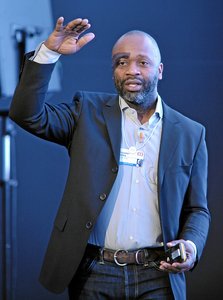
theaster gates jr.
1973 - , United States of America
基本情報
- Artistic Movement Or Style: Social practice art; Urban planning
- Artists Or Movements Influenced By This Artist: ['Color field painting']
- Artists Who Influenced This Artist: ['Philip Guston']
- Date Of Birth: 1973
- Full Name: Theaster Gates Jr.
- Nationality: American
- Notable Artworks: ['Gone Are the Days of Shelter and Martyr']
- Place Of Birth: Chicago, United States
関連記事

Bronze Sculptures That Defined Art History | ArtsDot
Journey through art history with our Top 10 bronze sculptures! Explore masterpieces by Rodin, Michelangelo & more. Discover stories behind iconic statues and find museum-quality reproductions for your home decor at ArtsDot.com.

The Enduring Form: Exploring Themes & Techniques in Sculpture Across Historical Periods
Explore the rich history of sculpture from ancient masterpieces to contemporary innovations. Discover key techniques, influential artists & investment potential for discerning art collectors.

The Enduring Form: Sculpture Across History, Technique & Emotional Resonance
Explore the rich history of sculpture with ArtsDot. Discover key techniques, influential artists & investment potential for discerning collectors. Expert insights into valuing and collecting timeless masterpieces.

Bronze Age to Modern Masters: 10 Sculptures That Redefined Art | ArtsDot
Journey through art history with 10 legendary bronze sculptures – from Michelangelo's David to Rodin’s Thinker. Explore the stories, techniques & timeless beauty of these masterpieces. Find museum-quality reproductions & elevate your home decor on ArtsDot.com.
青銅彫刻の永続的遺産:歴史、技法、そして現代における解釈
青銅彫刻の歴史、技法、現代における解釈を専門家が解説。古代から現代までの貴重な作品群を深く理解し、コレクションや投資に役立つ情報を提供します。美術品鑑定、修復についてもご紹介。

