

 プレビュー
プレビュー
 プリントを購入
 シェアする
シェアする シェアする
シェアする
 詳細を見る
詳細を見る

 ダウンロード
 似ている作品
 X線調査
X線調査 スライドショー
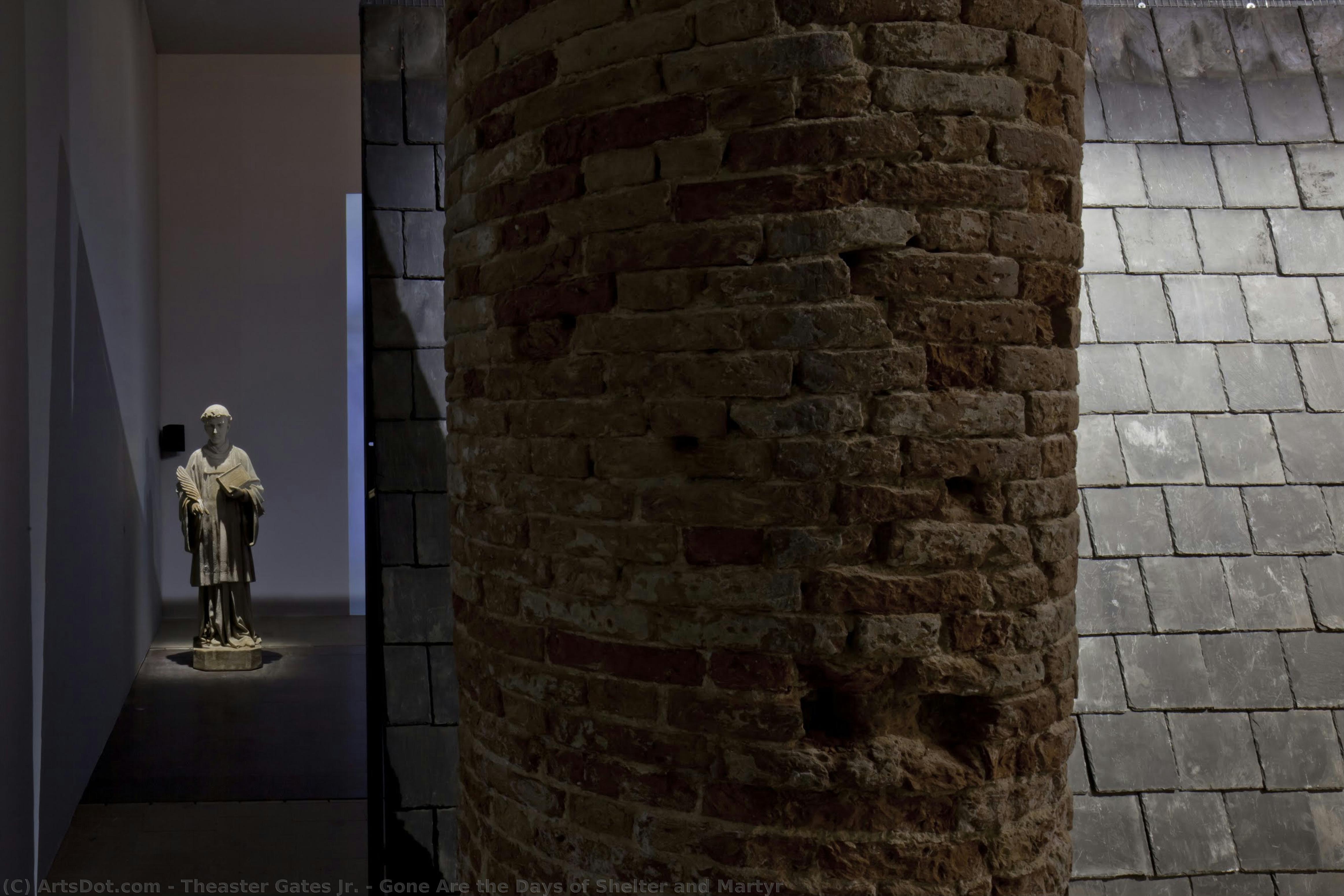
Gone Are the Days of Shelter and Martyr


 詳細を見る
詳細を見る




P118B $10

P118H $10

P118W $10

P438Z $10

P508JH $12

P508YH $12

P805H $10

P805Z $10

P919BZ $10

P919G $10

P919XJ $10

P959ZH $10

P968JZ $12

W106C $8

W218G $10

W218JH $8

W218Y $10

W307PJ $10

W316G $10

W316PJ $8

W316Y $10

W398PJ $8

W4111J $10

W500HY $15

W500JH $15

W692G $12

W849H $8

W940BG $15

W953PJ $8




作品のオリジナル比率に合わせた、当店の規定サイズからお選びください。

特定のフレームやスペースに合わせて、ご希望のサイズをご入力いただけます。選択されたサイズが元の画像の比率と異なる場合、アートワークをトリミングするか、手描きで要素を追加して絵画を拡張いたします。デジタルモックアップ を制作し、制作開始前にご確認(承認)をいただきます。
画面上のプレビューは、実際のトリミングや拡張を正確に反映しているものではありません。最終的な構図は、モックアップによってのみ正確にご確認いただけます。
カスタムサイズもご利用いただけますが、元の比率を維持するためには、あらかじめ用意されたリストからサイズを選択することをお勧めいたします。
ご注文後、ArtsDot.com チームより詳細な指示をお送りするとともに、仕上がりイメージ(モックアップ)をご提供いたします。


 ガラスオプションは、110cm未満のサイズでのみご利用いただけます。

Gone Are the Days of Shelter and Martyr
複製技法
複製画のサイズ
-


合計金額
$ 263
The Poignant Resonance of Reclamation: Exploring Theaster Gates Jr.’s “Gone Are the Days of Shelter and Martyr”
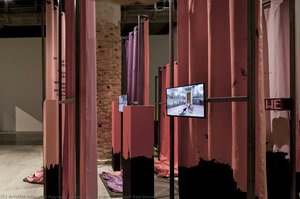
The artwork of Theaster Gates Jr., like much of his oeuvre, operates on a dual plane—one of aesthetic beauty and one of profound social responsibility. His piece "Gone Are the Days of Shelter and Martyr," created in 2014 for la Biennale di Venezia, isn’t merely a visual experience; it's an embodied meditation on loss, memory, and the enduring spirit of resilience within marginalized communities. Gates’s artistic practice consistently seeks to confront systemic inequities through creative expression, transforming discarded materials into objects of contemplation and sparking dialogue about heritage and identity.Material Alchemy: Technique and Transformation
Gates’s masterful technique distinguishes “Gone Are the Days” from many contemporary installations. He employs a concrete medium—a material historically associated with industrial decline and urban decay—to construct a sculptural assemblage derived from fragments salvaged from St. Laurence Catholic Church, a historic edifice facing demolition in Chicago's South Side. This deliberate repurposing speaks volumes about Gates’s artistic philosophy: he doesn’t aim to erase the past but rather to imbue it with new life, acknowledging its indelible imprint on the present. The meticulous layering and shaping of the concrete demonstrate an unwavering dedication to craftmanship, mirroring the painstaking efforts undertaken by communities striving to preserve their cultural heritage amidst forces of erasure.Echoes of Wabi-Sabi: Philosophical Influence
The installation draws heavily from Japanese Buddhist aesthetics—specifically the concept of wabi-sabi—which celebrates imperfection and transience as virtues rather than flaws. This worldview informs Gates’s approach to material selection and assemblage, encouraging an acceptance of decay and acknowledging that beauty resides in the patina of time. The inclusion of original artifacts – a bell, building materials, the church's organ, and a fragment of concrete statue—further reinforces this ethos. These objects aren’t presented as pristine relics but rather as witnesses to history, embodying the bittersweet recognition that nothing remains untouched by circumstance.A Dialogue with Memory: Symbolism and Context
“Gone Are the Days” transcends mere visual representation; it functions as a powerful symbol of cultural preservation and spiritual contemplation. The church itself represents a site of faith and community—a space now abandoned due to economic hardship, mirroring broader patterns of disinvestment in Black neighborhoods across America. Gates’s repurposing of these materials isn't simply an artistic gesture but an act of defiance against forgetting, urging viewers to confront the legacy of decline while simultaneously envisioning possibilities for renewal. The bell symbolizes a call to remembrance and aspiration, reminding us that even amidst ruin, hope persists—a sentiment powerfully conveyed by the artwork’s contemplative stillness.Emotional Resonance: Beyond Aesthetics
Ultimately, “Gone Are the Days” succeeds in eliciting an emotional response rooted in empathy and understanding. It compels contemplation on themes of loss, resilience, and the importance of honoring cultural traditions. The stark materiality – the grey concrete juxtaposed against fragments of ornate architectural elements – creates a visual tension that mirrors the complexities inherent in confronting difficult histories. Like many works by Gates Jr., it invites viewers to consider not just what is seen but also what is felt—a testament to his conviction that art possesses the capacity to foster genuine connection and inspire transformative action.関連作品
![Mansour-el-hay Gate, Meknes (also Known As La Porte De Mansour El Hã Lj [mã©quinez]) — テオ・ファン・ライスベルフ, Post-impressionism](/media/artworks/images-thumb/e7/a9/e7a9af30a34daffbea3b13b7e70247cf.jpg)


アーティストの略歴
The Alchemy of Urban Renewal: The Visionary World of Theaster Gates Jr.
In the heart of Chicago, where the echoes of industrial history meet the pressing realities of modern urban life, the work of Theaster Gates Jr. emerges as a profound dialogue between destruction and rebirth. Born in 1973, Gates did not merely observe the decay of his native city; he integrated its very marrow into his artistic practice. His journey is one of radical transformation, moving from the rhythmic spirituals of Black churches to the disciplined precision of pottery and urban planning. This unique trajectory has allowed him to develop a language where the boundaries between fine art, social activism, and architectural intervention dissolve, creating a singular form of social practice that seeks to heal the fractured landscapes of the American Midwest.
The essence of Gates’s work lies in his ability to find sanctity within the discarded. He operates with the soul of an alchemist, utilizing materials that carry the weight of history—tar, clay, fire hoses, and even the salvaged bricks of demolished structures. These are not merely medium choices; they are vessels of memory. By repurposing the fragments of abandoned buildings, Gates engages in a process of spatial reclamation, turning the debris of disinvestment into sculptural monuments of resilience. His practice is deeply informed by the concept of wabi-sabi—the beauty of imperfection and impermanence—allowing him to honor the scars of urban neglect while simultaneously celebrating the potential for new growth.
Architectural Interventions and the Rebuild Foundation
Beyond the gallery walls, Gates’s most significant contributions are found in the physical revitalization of Chicago’s South Side. Through his non-profit organization, the Rebuild Foundation, he has pioneered a model where art serves as the primary engine for community development. His projects are not merely aesthetic improvements but profound institutional shifts. He has transformed neglected spaces into vibrant cultural hubs, such as the Stony Island Arts Bank, which serves as a sanctuary for Black archives and communal gathering. In these spaces, the distinction between an art installation and a community center vanishes, replaced by a living, breathing ecosystem of cultural preservation.
This commitment to "building" extends to his use of architectural theory to address social justice. Influenced by thinkers like Henri Lefebvre, Gates views space as a political construct that can be reclaimed through intentional use. His work often involves:
- Repurposing Sacred Spaces: Transforming fragments of defunct churches into meditative installations that explore faith and endurance.
- Material Narratives: Using tar and salvaged wood to create "paintings" that function as tactile histories of labor and industry.
- Community Stewardship: Creating permanent infrastructures like the Black Cinema House and Archive House to protect endangered Black histories.
A Legacy of Resilience and Social Progress
The historical significance of Theaster Gates Jr. lies in his refusal to let art remain a passive observer of social struggle. His work embodies a "virtuous circle" where the proceeds from fine art sales are reinvested into the rehabilitation of entire city blocks, effectively turning the art market into a tool for urban planning. This revolutionary approach has earned him international acclaim, including the Smithsonian American Ingenuity Award and the Kurt Schwitters Prize. Yet, despite these accolades, his heart remains rooted in the transformative power of the local.
As a professor and a practitioner, Gates continues to challenge the conventional hierarchies of the art world. He reminds us that the most powerful art is often found not in the pristine white cube of a museum, but in the reclaimed brick of a community center or the soulful resonance of a choral performance by his ensemble, the Black Monks of Mississippi. His legacy is one of profound hope—a testament to the idea that through creativity, we can strip away the layers of neglect to reveal the enduring strength and beauty inherent in our shared human history.

theaster gates jr.
1973 - , United States of America
基本情報
- Artistic Movement Or Style: Social practice art; Urban planning
- Artists Or Movements Influenced By This Artist: ['Color field painting']
- Artists Who Influenced This Artist: ['Philip Guston']
- Date Of Birth: 1973
- Full Name: Theaster Gates Jr.
- Nationality: American
- Notable Artworks: ['Gone Are the Days of Shelter and Martyr']
- Place Of Birth: Chicago, United States
関連記事
ヴェネツィア・ビエンナーレ厳選25作品:芸術と歴史が織りなす至高のコレクション | ArtsDot
ヴェネツィア・ビエンナーレの至宝25選。印象派から現代アートまで、名画の背景にある物語と芸術家の情熱を紐解きます。ArtsDotで、キャンバスアートや油絵複製をお楽しみください。今すぐコレクションをご覧ください。
Chromatic Equilibrium: Leveraging Art as a Tool for Color Balance and Spatial Harmony in Interior Design
Master the art of chromatic equilibrium! Learn how to leverage color & artwork for harmonious interior design. Expert guidance on palettes, psychology, bespoke commissions & spatial balance.
ホテルデザインを彩る抽象芸術:空間調和と視覚の流れを生み出すダイナミックな構成
ホテルデザインを彩る抽象芸術の活用法を専門家が解説。空間調和、色彩心理、マテリアルの重要性から、最適な作品選定まで、高品質なアートコンサルテーションで記憶に残る空間を創造します。ArtsDot.com。
The Art of Layered Narratives: Spatial Harmony & Visual Cohesion in Multi-Piece Artwork Arrangements
Explore the art of multi-panel arrangements for impactful interiors. Expert guidance on spatial harmony, visual storytelling & psychological impact – perfect for luxury hotels and discerning collectors. Elevate your space with curated artwork.
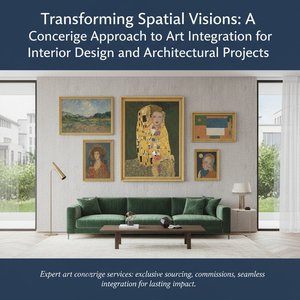
Transforming Spatial Visions: A Concierge Approach to Art Integration for Interior Design and Architectural Projects
Elevate your design projects with our expert art concierge services. We source exclusive artwork, manage commissions & ensure seamless integration for lasting impact. Trust us to curate exceptional collections and maximize artistic value.

