 プレビュー
プレビュー
 プリントを購入
 シェアする
シェアする シェアする
シェアする
 詳細を見る
詳細を見る

 ダウンロード
 似ている作品
 X線調査
X線調査 スライドショー
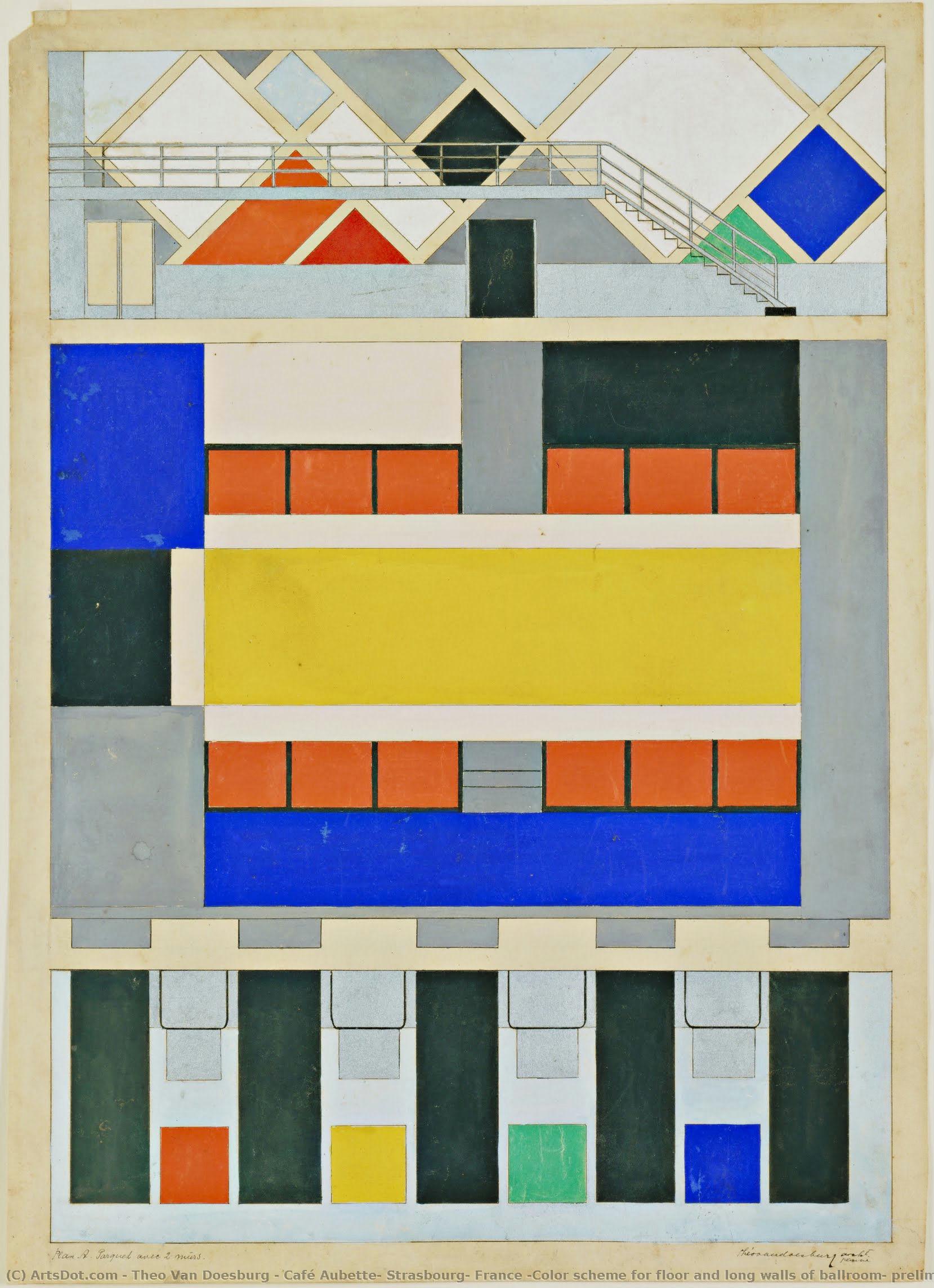
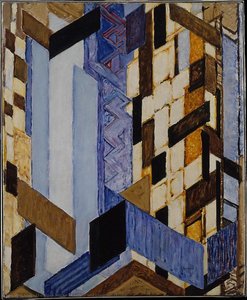
Café Aubette, Strasbourg, France (Color scheme for floor and long walls of ballroom, preliminary version)
 Acrylic On Canvas
- WallArt
- Neo-Plasticism
 1927
1927 53.0 x 37.0 cm
 MoMA(ニューヨーク近代美術館)
 詳細を見る
詳細を見る




P118B $10

P118H $10

P118W $10

P438Z $10

P508JH $12

P508YH $12

P805H $10

P805Z $10

P919BZ $10

P919G $10

P919XJ $10

P959ZH $10

P968JZ $12

W106C $8

W218G $10

W218JH $8

W218Y $10

W307PJ $10

W316G $10

W316PJ $8

W316Y $10

W398PJ $8

W4111J $10

W500HY $15

W500JH $15

W692G $12

W849H $8

W940BG $15

W953PJ $8




作品のオリジナル比率に合わせた、当店の規定サイズからお選びください。

特定のフレームやスペースに合わせて、ご希望のサイズをご入力いただけます。選択されたサイズが元の画像の比率と異なる場合、アートワークをトリミングするか、手描きで要素を追加して絵画を拡張いたします。デジタルモックアップ を制作し、制作開始前にご確認(承認)をいただきます。
画面上のプレビューは、実際のトリミングや拡張を正確に反映しているものではありません。最終的な構図は、モックアップによってのみ正確にご確認いただけます。
カスタムサイズもご利用いただけますが、元の比率を維持するためには、あらかじめ用意されたリストからサイズを選択することをお勧めいたします。
ご注文後、ArtsDot.com チームより詳細な指示をお送りするとともに、仕上がりイメージ(モックアップ)をご提供いたします。


 ガラスオプションは、110cm未満のサイズでのみご利用いただけます。

Café Aubette, Strasbourg, France (Color scheme for floor and long walls of ballroom, preliminary version)
複製技法
複製画のサイズ
-


合計金額
$ 263
Café Aubette: A Symphony of Color and Form – Theo van Doesburg’s Vision
Theo van Doesburg's "Café Aubette, Strasbourg, France (Color scheme for floor and long walls of ballroom, preliminary version)" isn’t merely a depiction of a Parisian café; it’s an architectural manifesto rendered in gouache on canvas. Painted in 1927, this vibrant work transcends the limitations of simple representation, embodying the core tenets of Neoplasticism – what van Doesburg himself termed “De Stijl.” More than just a snapshot of a bustling establishment, it's a carefully constructed exploration of geometric harmony and the pursuit of pure abstraction, reflecting a profound shift in artistic thinking at the time.
The scene itself is deceptively familiar. A glimpse into the interior of Café Aubette, a renowned Strasbourg institution known for its opulent ballroom, is presented with an almost unsettling clarity. The composition immediately draws the eye to the bold, primary color scheme dominating the floor and long walls – a deliberate rejection of naturalistic representation in favor of a purely visual language. Deep blues and yellows clash and harmonize simultaneously, creating a dynamic tension that’s both captivating and intellectually stimulating. The use of black and orange adds further depth and contrast, anchoring the composition while preventing it from becoming overly saccharine.
Deconstructing Reality: The Principles of Neoplasticism
Van Doesburg's approach was deeply rooted in his belief that art should move beyond imitation of the external world. He sought to distill painting down to its essential elements – line, color, and shape – believing these could express a universal, spiritual reality. This is evident in the simplified forms and rigorous geometric arrangements within the painting. The furniture, the figures (though largely abstracted), and even the architectural details are broken down into their fundamental components: rectangles, squares, and intersecting lines. The absence of perspective and realistic detail forces the viewer to engage with the work on a purely intellectual level, analyzing its structure and appreciating the relationships between its elements.
Crucially, this wasn’t an arbitrary exercise in abstraction. Van Doesburg was deeply influenced by Kandinsky's theories about color and spirituality, believing that specific colors possessed inherent emotional qualities. The deliberate juxtaposition of blues and yellows, for example, reflects a dynamic tension – a sense of movement and energy—while the grounding elements of black and orange provide stability and balance. The painting is therefore not just visually striking; it’s also imbued with a carefully considered symbolic language.
Historical Context: Strasbourg and the Rise of Modernism
To fully appreciate “Café Aubette,” one must consider its historical context. Strasbourg, at the time, was a vibrant hub of artistic experimentation, situated on the border between France and Germany – a region grappling with complex cultural identities. The painting emerged during a period of intense social and political upheaval, marked by the rise of industrialization, urbanization, and the burgeoning avant-garde movements challenging traditional artistic conventions. The commission itself—to transform the interior of L’Aubette—was a bold statement, aligning the building with the principles of modernism and signaling a new era in architectural design.
Furthermore, the painting reflects the broader European context of early 20th-century art. The influence of Cubism, Futurism, and other radical movements is palpable, yet Van Doesburg’s work retains a distinct Neoplastic identity—a commitment to pure abstraction and geometric harmony. It stands as a pivotal example of this movement's exploration of form and color.
A Legacy of Geometric Harmony
“Café Aubette” remains a powerful testament to Theo van Doesburg’s artistic vision. Its bold colors, simplified forms, and rigorous composition continue to resonate with viewers today, demonstrating the enduring appeal of abstract art. Reproductions of this work offer an opportunity to experience firsthand the principles of De Stijl—a movement that profoundly shaped the course of 20th-century art and architecture. It’s a piece that invites contemplation, sparking dialogue about the nature of perception, representation, and the relationship between art and reality.
関連作品
アーティストの略歴
抽象の建築家:調和を重んじた生涯
テオ・ファン・ドースブルフは、1883年にオランダのユトレヒトでキリスト教エミール・マリー・キュッパーとして生まれた。彼は単なる画家ではなく、印象派とポスト印象派の残響の中で、フィンセント・ファン・ゴッホを彷彿とさせるスタイルを初期に見せたが、それは彼の永続的な遺産を定義する劇的な変貌への重要な序章に過ぎなかった。1913年、ワシリー・カンディンスキーの *Rückblicke* との出会いが転換点となり、真の芸術的表現は外部世界の複製ではなく、純粋な抽象を通して内なる精神性を伝えることにあるという深い確信が生まれた。この信念からネオプラスティシズム、一般的にはデ・スティールとして知られる運動が誕生し、彼はその創設者であり、熱心な提唱者となった。新たな視覚言語の創造:デ・スティールの原則
デ・スティールは単なる芸術的スタイルではなく、視覚的な形に翻訳された包括的な哲学的マニフェストだった。ファン・ドースブルフは、芸術を直線、直角、赤、黄、青といった原色に加え、黒、白、灰色といった最も基本的な要素へと還元することを信じていた。この質素なパレットは制約から生まれたのではなく、宇宙の根底にある秩序に共鳴するこれらの根本的な形が普遍性への欲求に基づいていた。彼はキャンバスを超えて建築、デザイン、そして日常生活のあらゆる側面に及ぶ「総合的な」芸術作品を構想した。コラボレーションは不可欠であり、ファン・ドースブルフはJ.J.P. Oudやゲリット・リートフェルトといった建築家と緊密に協力し、デ・スティールの原則を体現するステンドグラス、家具、そしてインテリア全体をデザインした。彼のコラボレーションはピート・モンドリアンにも及び、彼ら二人は影響力のある雑誌 *De Stijl* を共同で創刊し、彼らのアイデアを発信し、志を同じくするクリエイターたちを引き寄せた。しかし、共通の起源にもかかわらず、ネオプラスティシズムの厳格さに関してファン・ドースブルフとモンドリアンとの間に緊張が生じた。1926年、ファン・ドースブルフは「エレメンタリズム」を導入し、斜線やよりダイナミックな構成を提唱した。この転換は最終的に運動の分裂につながり、彼の落ち着きのない精神と絶え間ない芸術的進化への探求が明らかになった。絵画を超えて:多面的な芸術的ビジョン
画家として称賛される一方で、ファン・ドースブルフの芸術的追求は驚くほど多様だった。彼は多作な作家、詩人、批評家であり、彼のペンを使ってデ・スティールの理論的基盤を明確にし、従来の芸術概念に挑戦した。初期1920年代におけるダダイズムへの関与は、彼のアートの地平線をさらに広げ、コラージュやタイポグラフィーを取り入れた実験的な作品につながった。この時期には、彼はバウハウスで教鞭をとり、次世代のアーティストやデザイナーと彼のアイデアを共有した。彼は伝統的な芸術形式にとどまることに満足せず、社会を変革する力があると信じて芸術を日常生活に積極的に統合しようとした。インテリアや家具のデザインは単なる美的演習ではなく、デ・スティールの原則を反映した調和のとれた生活空間を作り出す試みだった。ソフィー・テューバー=アルプとジョルジュ・ヴァントングルーとの共同によるアーティストレジデンスのデザインはその好例であり、彼の理想のイメージで世界を構築しようとする全体的なアプローチを示している。遺産と永続的な影響:モダニズムの先駆者
テオ・ファン・ドースブルフの生涯は1931年に47歳という若さで悲劇的に幕を閉じたが、彼の現代美術への影響は依然として大きい。デ・スティールは比較的短命な運動であったにもかかわらず、バウハウスのデザイン、ミニマリズム、コンストラクティビズムといったその後の芸術的発展に多大な影響を与えた。幾何学的抽象、純粋な色彩、機能主義に対する彼の強調は、今日でもアーティストやデザイナーの心に響き続けている。彼の作品は、芸術が単なる表現ではなく、根本的な形とアイデアを探求することであるというリマインダーとして役立っている。ファン・ドースブルフの遺産は彼の絵画やデザインを超えており、それは揺るぎない芸術的革新への献身と抽象の変革力に対する信念にある。デ・スティールの言語で表現された統一され調和のとれた世界という彼のビジョンは、より美しく意味のある環境を作り出そうとする人々を今も鼓舞し続けている。主要作品と永続的な影響
- Study for Simultaneous Compositions XXII (1922): ネオプラスティシズムの典型的な例であり、運動の特徴的な幾何学的形状と限定された色彩パレットを示している。
- Composition with half values (1928): デ・スティールの美学におけるトーンの変化の探求を実証している。
- Dancers (1917-1918): 彼の作品における移行期を表しており、具象的な要素と新たな抽象的傾向が融合している。
- Collaboration on *De Stijl* journal: 運動のアイデアを発信し、アーティストや知識人の対話を促進するための重要なプラットフォームだった。
- Elementarism (1926): ネオプラスティシズムにダイナミズムを注入しようとしたファン・ドースブルフの試みであり、斜線とより流動的な構成が導入されている。
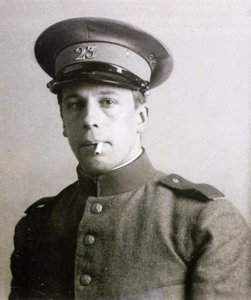
テオ・ファン・ドースブルフ
1883 - 1931
関連記事
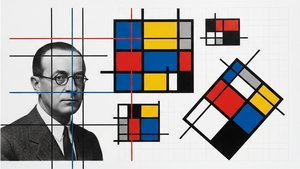
Theo van Doesburg: Pioneering De Stijl & the Evolution of Neo-Plasticism
Explore the revolutionary De Stijl movement & Neo-Plasticism with our expert guide. Discover Piet Mondrian, Theo van Doesburg, and the lasting impact of this influential art style. Learn about collecting & investing in De Stijl masterpieces.

ゴヤ傑作25選:スペインの魂を揺さぶる、深遠な芸術の世界 | ArtsDot
ゴヤ傑作25選:ロマン主義を代表するスペインの巨匠、フランシスコ・デ・ゴヤの世界へ。黒衣の女からマハまで、魂を揺さぶる絵画の物語と技法を紐解きます。ArtsDotで高品質なアートレプリカを見つけ、インテリアに深みと風格を。今すぐコレクションをご覧ください。
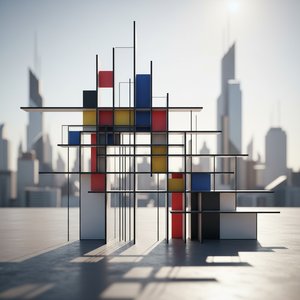
Neoplasticism: A Radical Geometry of Utopian Vision – Origins, Principles, and Enduring Influence
Explore the revolutionary Neoplasticism movement – De Stijl – with ArtsDot. Discover Mondrian & van Doesburg's principles, influence on modern art, and how to collect key works. Expert insights for discerning art enthusiasts.

幾何学的抽象絵画を定義した傑作10選|アート、アーティスト、インテリア装飾
モンドリアン、マレーヴィチ…幾何学的抽象絵画を代表する傑作10選。各作品の背景や色彩構成、アーティストの情熱に迫ります。美術館品質の複製画はArtsDot.comで。オンラインでアートコレクションをご覧ください。
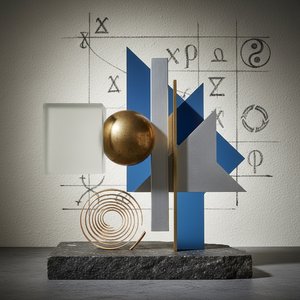
Beyond Form: Exploring the Philosophical Foundations of Geometric Abstraction
Explore the philosophical roots & artistic evolution of geometric abstraction with ArtsDot. Discover Mondrian, Malevich, De Stijl & more. Expert insights for collectors and art enthusiasts.