

 プレビュー
プレビュー
 プリントを購入
 シェアする
シェアする シェアする
シェアする
 詳細を見る
詳細を見る

 ダウンロード
 似ている作品
 X線調査
X線調査 スライドショー
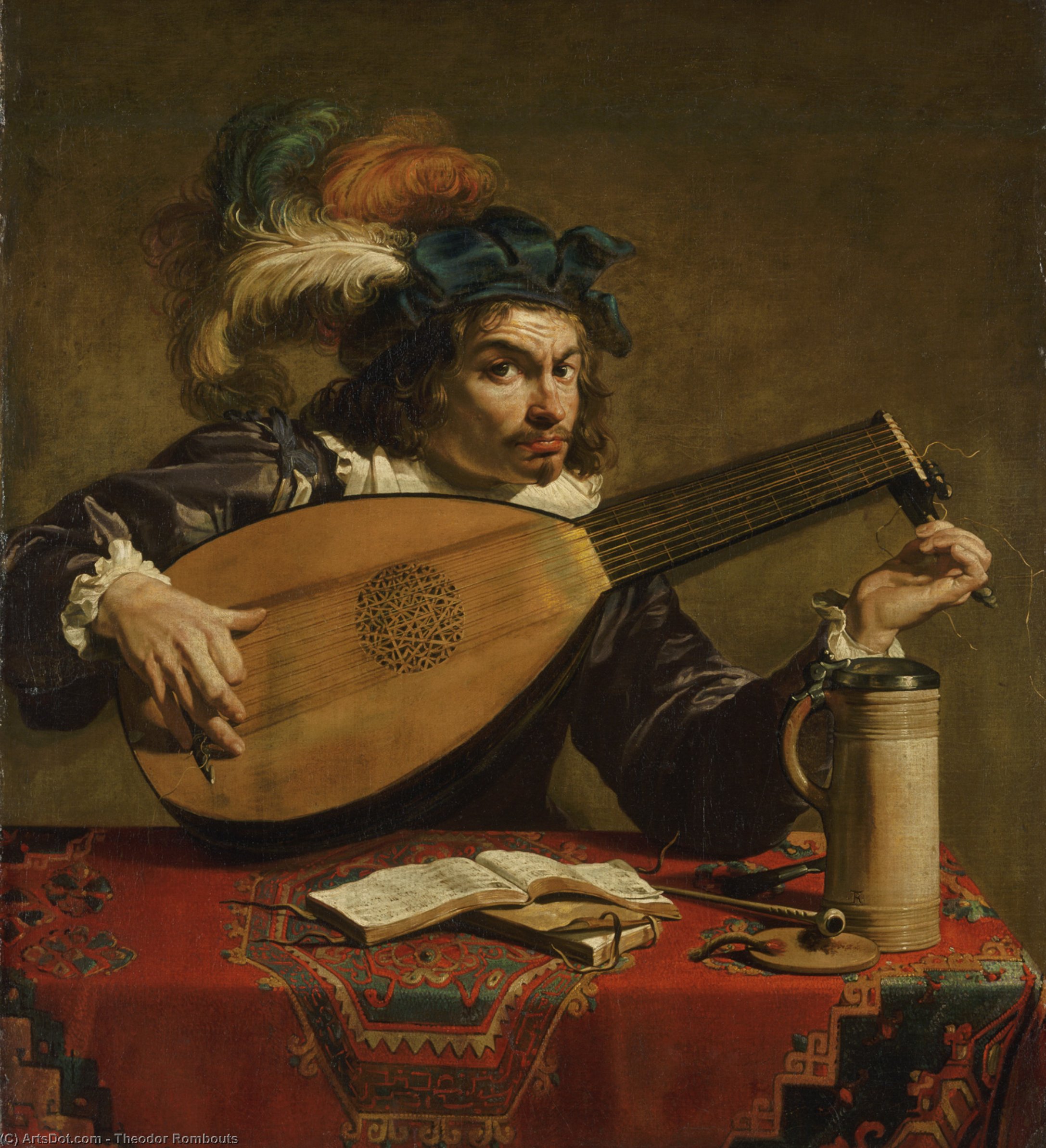
The Lute Player
 Oil On Canvas
- WallArt
- Baroque
 1620
1620 111.0 x 98.0 cm
 フィラデルフィア美術館
 詳細を見る
詳細を見る




P118B $10

P118H $10

P118W $10

P438Z $10

P508JH $12

P508YH $12

P805H $10

P805Z $10

P919BZ $10

P919G $10

P919XJ $10

P959ZH $10

P968JZ $12

W106C $8

W218G $10

W218JH $8

W218Y $10

W307PJ $10

W316G $10

W316PJ $8

W316Y $10

W398PJ $8

W4111J $10

W500HY $15

W500JH $15

W692G $12

W849H $8

W940BG $15

W953PJ $8




作品のオリジナル比率に合わせた、当店の規定サイズからお選びください。

特定のフレームやスペースに合わせて、ご希望のサイズをご入力いただけます。選択されたサイズが元の画像の比率と異なる場合、アートワークをトリミングするか、手描きで要素を追加して絵画を拡張いたします。デジタルモックアップ を制作し、制作開始前にご確認(承認)をいただきます。
画面上のプレビューは、実際のトリミングや拡張を正確に反映しているものではありません。最終的な構図は、モックアップによってのみ正確にご確認いただけます。
カスタムサイズもご利用いただけますが、元の比率を維持するためには、あらかじめ用意されたリストからサイズを選択することをお勧めいたします。
ご注文後、ArtsDot.com チームより詳細な指示をお送りするとともに、仕上がりイメージ(モックアップ)をご提供いたします。


 ガラスオプションは、110cm未満のサイズでのみご利用いただけます。

The Lute Player
複製技法
複製画のサイズ
-


合計金額
$ 263
作品解説
The Lute Player by Theodor Rombouts: A Baroque Portrait of Skill and Reflection
Theodoor Rombouts’ “The Lute Player,” completed around 1620, stands as a cornerstone of Flemish Caravaggism—a movement that irrevocably altered the course of European painting. More than just a depiction of an instrumentalist, this monumental canvas embodies the spirit of its era: intellectual curiosity intertwined with dramatic visual impact.
- Subject Matter & Context: The portrait captures a solitary lute player in mid-performance, bathed in stark chiaroscuro lighting—a technique championed by Caravaggio himself. This deliberate contrast between light and shadow wasn’t merely stylistic; it served to heighten the emotional intensity of the scene and draw the viewer's gaze directly to the figure’s face and hands.
- Stylistic Influences: Rombouts’ style is undeniably indebted to Caravaggio’s dramatic realism. However, unlike Caravaggio’s often emotionally charged depictions of saints or biblical narratives, “The Lute Player” presents a more contemplative subject—a musician absorbed in his craft. This subtle shift reflects the humanist sensibilities prevalent during the Baroque period.
- Technique & Materials: Executed in oil paints on canvas, Rombouts employed meticulous brushwork to achieve remarkable textural detail. Layers of pigment were painstakingly applied to create a rich surface finish that captures the nuances of skin tone, fabric folds, and lute ornamentation. The artist’s mastery is evident in every stroke—a testament to his dedication to capturing both form and feeling.
- Symbolism & Interpretation: Beyond its immediate visual appeal, “The Lute Player” carries symbolic weight. The lute itself represents musical skill and creativity – an emblem of intellectual pursuits alongside artistic expression. Simultaneously, the book held by the musician hints at a broader engagement with knowledge and contemplation—suggesting that Rombouts sought to convey not just beauty but also deeper philosophical ideas.
- Emotional Impact: Viewing “The Lute Player” evokes a sense of quiet drama and focused concentration. The artist’s gaze is unwavering, conveying both determination and introspection. This portrait transcends mere representation; it invites the viewer to contemplate the complexities of human experience—a timeless achievement that continues to resonate with audiences today.
This artwork resides in the Museum of Art, Philadelphia, where its original dimensions are 44″ x 39″ (111 cm x 98 cm). Its enduring legacy stems from Rombouts’ ability to fuse Caravaggio’s dramatic style with humanist ideals—resulting in a masterpiece that captures both artistic virtuosity and profound psychological insight.
関連作品




アーティストの略歴
生い立ちと修行時代
テオドール・ロンボーツは、フランドル絵画界にその名を刻む重要な画家であり、1597年にアントウェルペンで産声を上げました。裕福な仕立て屋であったバルトロメウス・ロンボーツとバルバラ・デ・グレーヴの間に生まれた彼は、芸術家としての歩みを若くしてスタートさせます。1608年にはフラン(フランソワ)・ファン・ランクヴェルトに師事し、その後アントウェルペンの地でアブラハム・ヤンセンスや、おそらくはニコラス・レニエといった巨匠たちの教えを吸収しながら、その才能を磨いていきました。イタリアの衝撃とカラヴァッジオ様式
1616年、ロンボーツの運命を大きく変える出来事が訪れます。ローマへの旅です。この地で彼は、カラヴァッジョとその追随者たちが生み出した圧倒的な芸術に触れることとなりました。この経験は彼の画風に決定的な影響を与え、彼をフランドル・カラヴァッジズム運動の主役へと押し上げたのです。テオドール・ロンボーツは、この芸術運動における最も主要かつ独創的な旗手として、今なお語り継がれています。代表作とその画風
1625年にアントウェルペンへ帰還したロンボーツは、聖ルカ組合の親方となり、その地位を確立しました。この時期の彼の作品には、以下のような鮮烈な特徴が見て取れます:- 『バッカスと共に音楽を奏でる一座』(1630年頃)では、カラヴァッジオ様式特有の鮮やかな色彩と強烈な明暗対比が、見る者の目を釘付けにします。
- 『トランプとバックギャモンに興じる人々:カードを巡る争い』(1620-1630年頃)は、劇的な瞬間を捉えるドラマチックな光の演出が際立つ傑作です。
- 『リュート奏者』(1620年頃)は、マンフレディやヴァレンティン・デ・ブローニュの影響を受けた、単独の音楽家を描いた肖像画の極致と言えるでしょう。
美術館とコレクション
ロンボーツが遺した至宝は、現在も世界中の美術館で大切に保管されています:- ベルギー、ブリュッセルの王立美術館には、彼の膨大なコレクションが収蔵されています。
- オランダ、アムステルダムのクレマー・コレクションにも、『バッカスと共に音楽を奏でる一座』をはじめとする重要な作品がضمされています。
遺産と後世への影響
テオドール・ロンボーツは、フランドルにおけるカラヴァッジズムの形成において、極めて重要な役割を果たしました。彼の情熱的な筆致と光の探求は、ヤコブ・ヨルダーンス、ゴンザレス・コックス、ヤン・コシエール、ギリス・レメウスといった後世の巨匠たちの作品の中にも、脈々と受け継がれています。
テオドール・ロンバウツ
1597 - 1637 , ベルギー
基本情報
- Artistic Movement Or Style: カラヴァッジズム
- Artists Or Movements Influenced By This Artist: ヤコブ・ヨルダーンス、ゴンザロ・コックス
- Artists Who Influenced This Artist: カラヴァッジョ
- Date Of Birth: 1597年 ベルギー、アントワープ
- Date Of Death: 1637年
- Full Name: テオドール・ロンボーツ
- Nationality: フランドル
- Notable Artworks:
- バッカスとの音楽会
- カードとバックギャモンをする人々
- カードを巡る争い
- リュート奏者
- Place Of Birth: ベルギー、アントワープ
関連記事

The Dramatic Flourish: Exploring the Baroque Movement's Enduring Legacy in Art History
Explore the dramatic world of Baroque art! Discover iconic artists like Caravaggio & Rubens, defining techniques, and its lasting impact on art history. Expert insights for collectors & enthusiasts at ArtsDot.

バロックのドラマ:現代のインテリアに壮麗さと情感を取り込む
バロック様式の歴史、絵画、家具の魅力をご紹介。ArtsDotでは、高品質な油絵複製やカスタムポートレートをご提供し、現代のインテリアに壮麗さと情感を取り入れます。アートコンサルテーションも承ります。
Baroque Classicism: Reconciling Drama & Order in 17th-Century Art
Explore the captivating world of Baroque Classicism! Discover its history, key artists like Caravaggio & Rubens, and defining characteristics. Expert insights & high-quality reproductions at ArtsDot.

バロック美術を極めた至宝:時代を彩る10大名作の世界
バロック美術の華!カラヴァッジョ、ベルニーニら巨匠が創り上げた10大名作を徹底解剖。ドラマチックな色彩と豪華絢爛の世界観に触れ、至宝のアートプリントで空間を彩ろう。ArtsDot.comで美術館品質の複製と洗練されたインテリアを見つけましょう!

The Visceral Stage: Exploring Dramatic Narratives & Emotional Intensity in Baroque Art
Explore the dramatic world of Baroque art! Discover iconic masters like Caravaggio & Rembrandt, their techniques, and the movement's lasting impact. Expert insights for collectors & enthusiasts at ArtsDot.

