

 プレビュー
プレビュー
 シェアする
シェアする シェアする
シェアする
 詳細を見る
詳細を見る

 ダウンロード
 似ている作品
 X線調査
X線調査 スライドショー
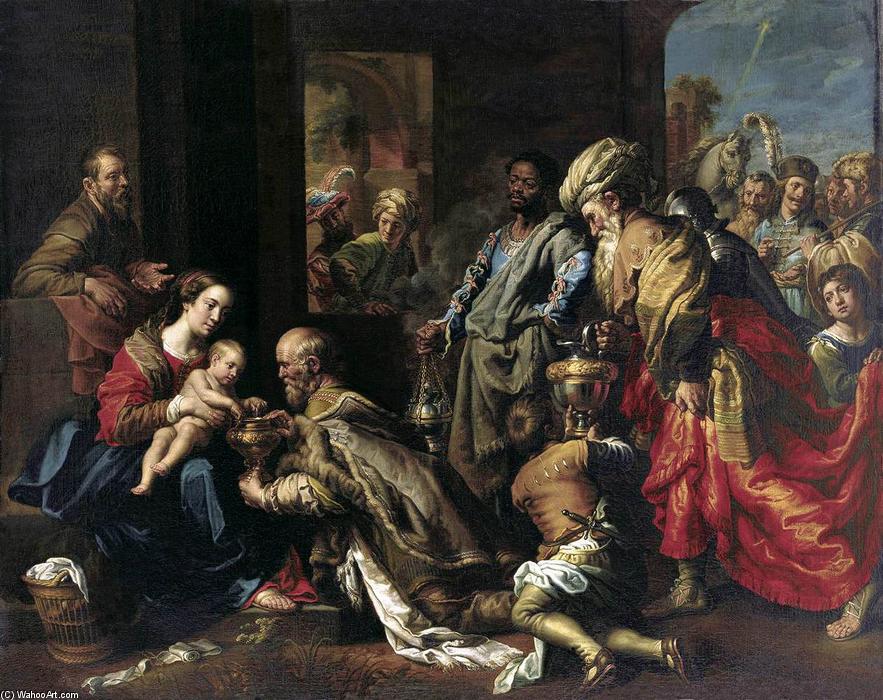
The Adoration of the Magi

 詳細を見る
詳細を見る
ジークレー/アートプリント
迅速な制作と多彩な仕上げオプションを備えた、ミュージアムクオリティのジークレーまたはキャンバスプリント。 ( 手描きの絵画を購入 画像を購入)




































作品のオリジナル比率に合わせた、当店の規定サイズからお選びください。

特定のフレームやスペースに合わせて、ご自身でサイズを指定することも可能です。選択されたサイズが元の画像の比率と一致しない場合、作品をトリミングするか、鏡面反射または単色での塗りつぶしによって画像を拡張いたします。制作を開始する前に、ご確認用のデジタルモックアップをお送りいたします。
画面上のプレビューには、実際のトリミングや拡張は反映されませんのでご注意ください。最終的な構図を正確に確認できるのは、モックアップのみとなります。
カスタムサイズも承っておりますが、元の比率を維持するためには、あらかじめ用意されたリストからサイズを選択することをお勧めいたします。


 ガラスオプションは、110cm未満のサイズでのみご利用いただけます。

The Adoration of the Magi
ジークレー/アートプリント
複製画のサイズ
-


合計金額
$ 62
関連作品
アーティストの略歴
The Shadow and the Light: The Legacy of Theodoor van Loon
In the grand, sweeping narrative of the Flemish Baroque, where the opulent brushstrokes of Peter Paul Rubens often command the spotlight, there exists a more intimate, profound voice that speaks through the interplay of deep shadow and piercing light. This is the voice of Theodoor van Loon, an artist whose work serves as a bridge between the revolutionary naturalism of Italy and the spiritual devotion of the Habsburg Netherlands. Born in Eilersen, Germany, around 1581, Van Loon’s life was defined by a profound artistic pilgrimage that would forever alter his aesthetic sensibilities. His journey was not merely one of geographical movement, but an emotional and technical evolution shaped by the dramatic currents of the seventeenth century.
The soul of Van Loon’s artistry lies in his deep-seated connection to the Caravaggisti movement. During his formative expeditions to Italy between 1602 and 1608, and later during a second sojourn from 1628 to 1629, he breathed in the atmosphere of Rome, absorbing the radical innovations of Caravaggio. This exposure instilled in him a mastery of tenebrism—the technique of using extreme contrasts between light and dark to create a sense of volume and psychological depth. Unlike the more decorative or idealized styles prevalent in his homeland, Van Loon sought a grounded, almost tactile reality. He approached his subjects with a meticulous morphological exactness, rendering human figures with a sculptural weight that made the divine feel tangibly present within the earthly realm.
A Devotion to Form and Faith
Van Loon’s technical prowess was never an end in itself; rather, it was a vessel for profound religious expression. His compositions were designed to evoke a visceral response from the viewer, pulling them into the sacred narratives of the Bible through a lens of stark naturalism. While his contemporaries might have reached for the celestial and the ethereal, Van Loon found the divine in the grit and gravity of the human condition. This approach is most evident in his significant ecclesiastical commissions throughout Flanders, where his ability to manipulate light served to illuminate the spiritual weight of his subjects.
One of his most enduring achievements remains the monumental altarpiece created for the Basilica of Our Lady of Scherpenheuvel between 1623 and 1628. In this work, one can witness the full maturation of his style: the dramatic interplay of light that carves figures out of the darkness, and a refined execution that honors both the physical form and the spiritual essence of the scene. His ability to secure such prestigious commissions was further bolstered by his collaborations with notable figures like Wenzel Coebergher, working under the patronage of Archduke Albert VII and Isabella Clara Eugenia of Spain. These high-profile connections placed him at the very heart of the artistic and political life of the Southern Netherlands.
Historical Significance and Artistic Resonance
Though history has occasionally relegated Van Loon to the periphery of the great Baroque masters, his significance remains undeniable for those who study the nuances of seventeenth-century naturalism. He represents a vital link in the transmission of Italian stylistic revolutions into the Flemish tradition, offering an alternative to the more flamboyant Baroque styles with a vision that was both disciplined and emotionally charged. His work stands as a testament to a period of intense religious fervor and artistic experimentation.
To study the works of Theodoor van Loon is to witness a master at work with the very elements of sight and darkness. His legacy is found in:
- The mastery of Tenebrism: Utilizing light as a narrative tool to direct the viewer's eye and heighten emotional tension.
- Naturalistic Precision: A commitment to rendering the human form with anatomical accuracy and sculptural presence.
- Ecclesiastical Impact: Contributing to the visual landscape of Flemish devotion through monumental altarpieces and sacred art.
- Cultural Synthesis: Blending the dramatic intensity of the Italian Baroque with the refined sensibilities of the Flemish tradition.
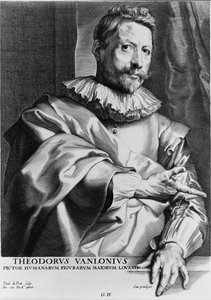
Theodoor van Loon
1581 - 1667 , Germany
基本情報
- Artistic Movement Or Style: Baroque
- Artists Or Movements Influenced By This Artist: ['Rubens']
- Artists Who Influenced This Artist: ['Caravaggio']
- Date Of Birth: 1581 or 1582
- Date Of Death: February 1649
- Full Name: Theodoor van Loon
- Nationality: Flemish
- Notable Artworks:
- Adoration of Shepherds
- The Magi painting
- Place Of Birth: Eilersen, Germany

