

 プレビュー
プレビュー
 プリントを購入
 シェアする
シェアする シェアする
シェアする
 詳細を見る
詳細を見る

 ダウンロード
 似ている作品
 X線調査
X線調査 スライドショー
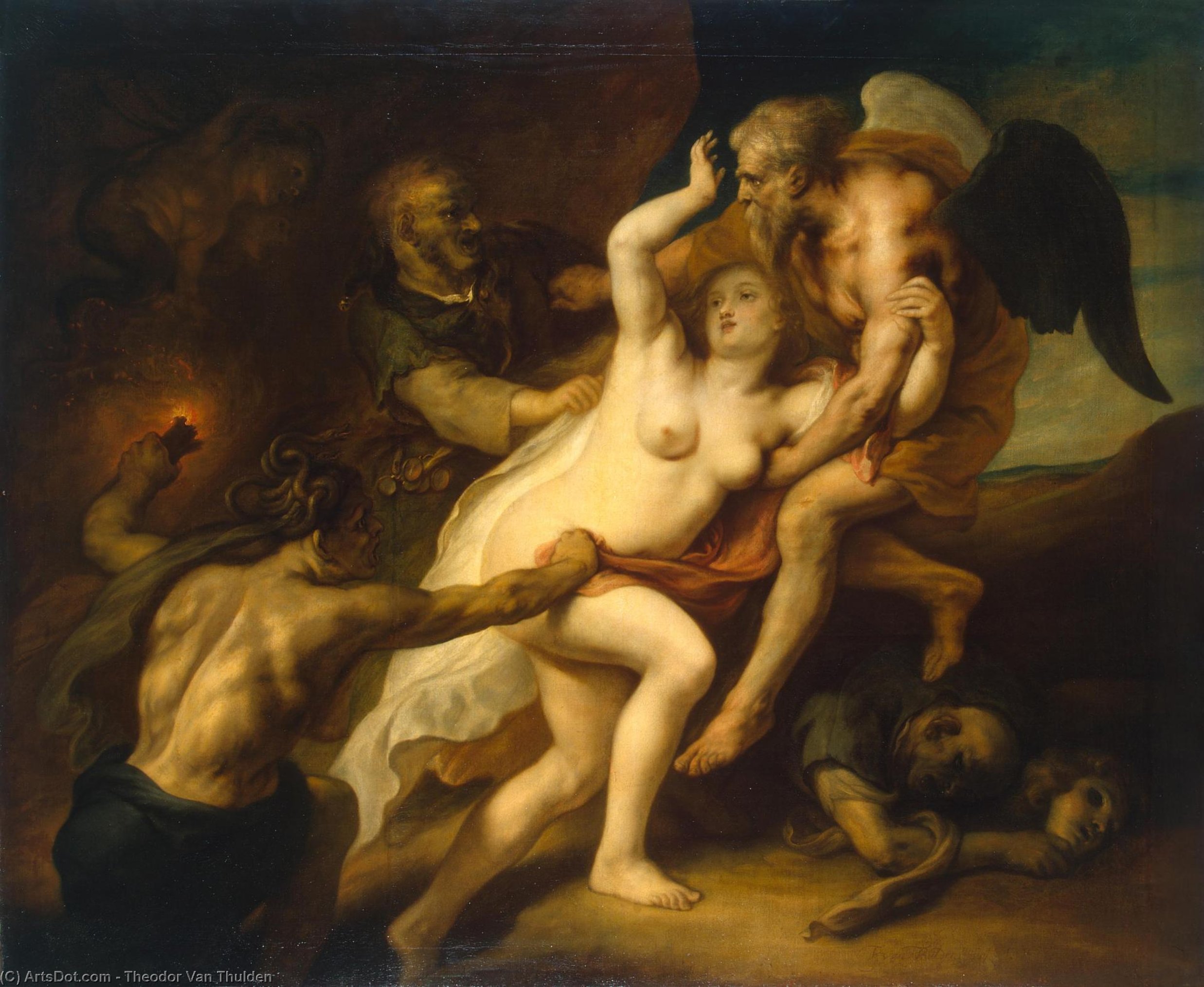
Time Reveals the Truth
 Oil On Canvas
- WallArt
- Baroque Drama
 1657
1657- Early Modern
 141.0 x 173.0 cm
 エルミタージュ美術館
 詳細を見る
詳細を見る




P118B $10

P118H $10

P118W $10

P438Z $10

P508JH $12

P508YH $12

P805H $10

P805Z $10

P919BZ $10

P919G $10

P919XJ $10

P959ZH $10

P968JZ $12

W106C $8

W218G $10

W218JH $8

W218Y $10

W307PJ $10

W316G $10

W316PJ $8

W316Y $10

W398PJ $8

W4111J $10

W500HY $15

W500JH $15

W692G $12

W849H $8

W940BG $15

W953PJ $8




作品のオリジナル比率に合わせた、当店の規定サイズからお選びください。

特定のフレームやスペースに合わせて、ご希望のサイズをご入力いただけます。選択されたサイズが元の画像の比率と異なる場合、アートワークをトリミングするか、手描きで要素を追加して絵画を拡張いたします。デジタルモックアップ を制作し、制作開始前にご確認(承認)をいただきます。
画面上のプレビューは、実際のトリミングや拡張を正確に反映しているものではありません。最終的な構図は、モックアップによってのみ正確にご確認いただけます。
カスタムサイズもご利用いただけますが、元の比率を維持するためには、あらかじめ用意されたリストからサイズを選択することをお勧めいたします。
ご注文後、ArtsDot.com チームより詳細な指示をお送りするとともに、仕上がりイメージ(モックアップ)をご提供いたします。


 ガラスオプションは、110cm未満のサイズでのみご利用いただけます。

Time Reveals the Truth
複製技法
複製画のサイズ
-


合計金額
$ 263
作品解説
A Moment Frozen in Time: Exploring “Time Reveals the Truth” by Theodor van Thulden
The painting "Time Reveals the Truth," executed in 1657 by Theodor van Thulden, stands as a testament to the burgeoning Baroque aesthetic and a poignant reflection on human vulnerability. More than just a depiction of figures within a room, it’s an immersive experience designed to provoke contemplation about mortality and acceptance – themes central to the spiritual fervor that gripped Europe during the mid-17th century.The Artist's Vision: Rubensian Influence and Dutch Tradition
Theodoor van Thulden’s artistic lineage is inextricably linked to Peter Paul Rubens, arguably the most celebrated Flemish painter of his era. Rubens championed a dramatic style characterized by opulent color palettes and dynamic compositions, prioritizing emotional intensity over strict realism. Van Thulden absorbed these influences, blending them seamlessly with established Dutch traditions focused on meticulous detail and nuanced tonal gradations. This harmonious fusion resulted in an artwork that possesses both grandeur and intimacy – qualities particularly evident in his celebrated depictions of village festivals and weddings. These smaller canvases served as a crucial conduit for disseminating Rubensian ideals throughout the Netherlands.Technique and Material: Mastering Oil Paint
Van Thulden’s masterful command of oil paint is immediately apparent upon observation. The canvas itself, measuring 141 x 173 cm, showcases an impressive expanse of textured surface achieved through layering thin glazes over a preparatory underpainting. This technique allowed for unparalleled control over color and luminosity – crucial elements in conveying the painting’s subdued yet emotionally resonant atmosphere. Notice particularly the subtle gradations of brown tones dominating the palette; these hues weren't merely decorative choices but deliberate expressions of solemnity and contemplation, mirroring the prevailing mood of the period. The artist skillfully utilized impasto—thickly applied paint—to sculpt form and create visual depth, enhancing the dramatic impact of the scene.Historical Context: Religious Symbolism Amidst Uncertainty
“Time Reveals the Truth” emerged during a turbulent time in European history – the Dutch Golden Age was simultaneously marked by flourishing artistic creativity alongside increasing anxieties about religious dogma and papal authority following the Thirty Years’ War. The nude figure at the center of the composition is not merely anatomical accuracy; it embodies a deliberate allusion to biblical imagery, specifically Genesis 3:22, where Eve is depicted as naked after being banished from Eden. This symbolic gesture speaks to the inescapable reality of human mortality and the acceptance of God's judgment – concepts deeply ingrained in Baroque spirituality. The positioning of the men surrounding the woman underscores this theme, representing guardianship and perhaps even a futile attempt to shield her from the inevitable passage of time.Emotional Resonance: A Portrait of Quiet Dignity
Despite its dramatic subject matter, “Time Reveals the Truth” exudes an aura of profound serenity. The muted colors contribute significantly to this effect, fostering a contemplative mood that invites viewers to consider existential questions. The artist’s meticulous attention to detail—the bowl on the ground, the carefully rendered drapery—adds to the painting's realism while simultaneously grounding it in a tangible environment. Ultimately, Van Thulden succeeds in capturing not just a visual representation but an emotional state – one characterized by quiet dignity and acceptance of life’s transient nature. It remains a powerful reminder that beauty can reside within solemn contemplation and that art possesses the capacity to illuminate the deepest recesses of human experience.関連作品


アーティストの略歴
early life and training
theodoor van thulden, a prominent dutch baroque artist, was born on august 9, 1606, in 's-hertogenbosch, north brabant. his father, an orfèvre, engaged in the textile trade, while his mother was the daughter of an orfèvre. van thulden's artistic journey began under the guidance of abraham van blyenbergh, a master painter, in 1622.artistic career and influences
van thulden became a master of the guild of st. luke in antwerp in 1627. his work was heavily influenced by peter paul rubens, with whom he frequently collaborated. van thulden's style, characterized by its elegance and classicism, often featured muted colors and a preference for brown tones. notable works include his small-scale paintings of village festivals and weddings, which showcased his unique blend of dutch and flemish artistic traditions.notable works and collaborations
* theodoor van thulden's "triumph der galathea" (1659), a masterpiece now housed in the picture gallery sanssouci (potsdam, germany), exemplifies his skill in capturing the essence of baroque art. * van thulden's collaboration with rubens on the decorations for the joyous entry of cardinal-infante ferdinand in 1635 is a testament to their artistic synergy.museum collections and online resources
* the rijksprentenkabinet in amsterdam features an impressive collection of prints, drawings, and photographs, including works by van thulden's contemporaries. * visit theodoor van thulden's "triumph der galathea" on ArtsDot.com to explore more of his artwork. * discovering the art of st. joriskerk, amersfoort, netherlands on ArtsDot.com for a deeper understanding of dutch art and its influences.- view van thulden's paintings on ArtsDot.com to appreciate his unique style and contributions to the dutch baroque movement.
- explore the rijksprentenkabinet's collection online to discover more about dutch artistic traditions.
- read about theodoor van thulden's life and work on wikipedia: theodoor van thulden
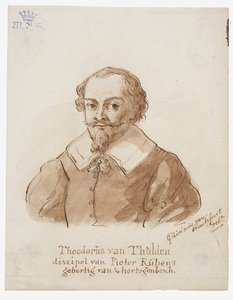
theodoor van thulden
1606 - 1669 , Netherlands
基本情報
- Artistic Movement Or Style: Baroque
- Artists Or Movements Influenced By This Artist: ['Flemish Baroque']
- Artists Who Influenced This Artist: ['Peter Paul Rubens']
- Date Of Birth: August 9, 1606
- Date Of Death: 1669
- Full Name: Theodoor van Thulden
- Nationality: Flemish
- Notable Artworks:
- Triumph der Galathea
- Venus and Adonis
- Antiochus and Stratonice
- Place Of Birth: Den Bosch, Netherlands
関連記事

Dutch Baroque Masters: 10 Paintings That Shaped an Era | ArtsDot
Journey through the Golden Age with our guide to the Top 10 Dutch Baroque masterpieces! Explore iconic paintings by Rembrandt, Vermeer & Frans Hals. Find museum-quality art reproductions and elevate your home decor at ArtsDot.com.

レンブラント傑作25選:光と影の巨匠、魂を揺さぶる名画の世界 | ArtsDot
レンブラントの傑作25選。光と影の魔術師が描いた魂を揺さぶる名画の世界へ。美術史に残る自画像、夜警、宗教画…ArtsDotで高品質なアートプリントやインテリアアートをお楽しみください。コレクションはこちら→

Golden Age Reflections: Dutch Baroque Painting & Cultural Innovation
Explore the Dutch Golden Age of painting! Discover key artists like Vermeer & ter Borch, their innovative techniques, and the rich cultural context behind these Baroque masterpieces. Learn about collecting & appreciating this iconic art period.
Cornelis van Poelenburch: Bridging Mannerism & the Dutch Baroque Landscape
Discover Cornelis van Poelenburch, a pivotal Dutch Baroque landscape painter bridging Mannerism & Italianate styles. Explore his life, key works, and lasting influence on 17th-century art with ArtsDot.
Adriaen van Ostade: A Master of Dutch Genre Painting & Social Commentary
Explore the life & work of Adriaen van Ostade, a leading Dutch Golden Age painter. Discover his realistic genre scenes, social commentary, and lasting influence on art history. Learn more at ArtsDot.

