

 プレビュー
プレビュー
 シェアする
シェアする シェアする
シェアする
 詳細を見る
詳細を見る

 ダウンロード
 似ている作品
 X線調査
X線調査 スライドショー
 統計情報
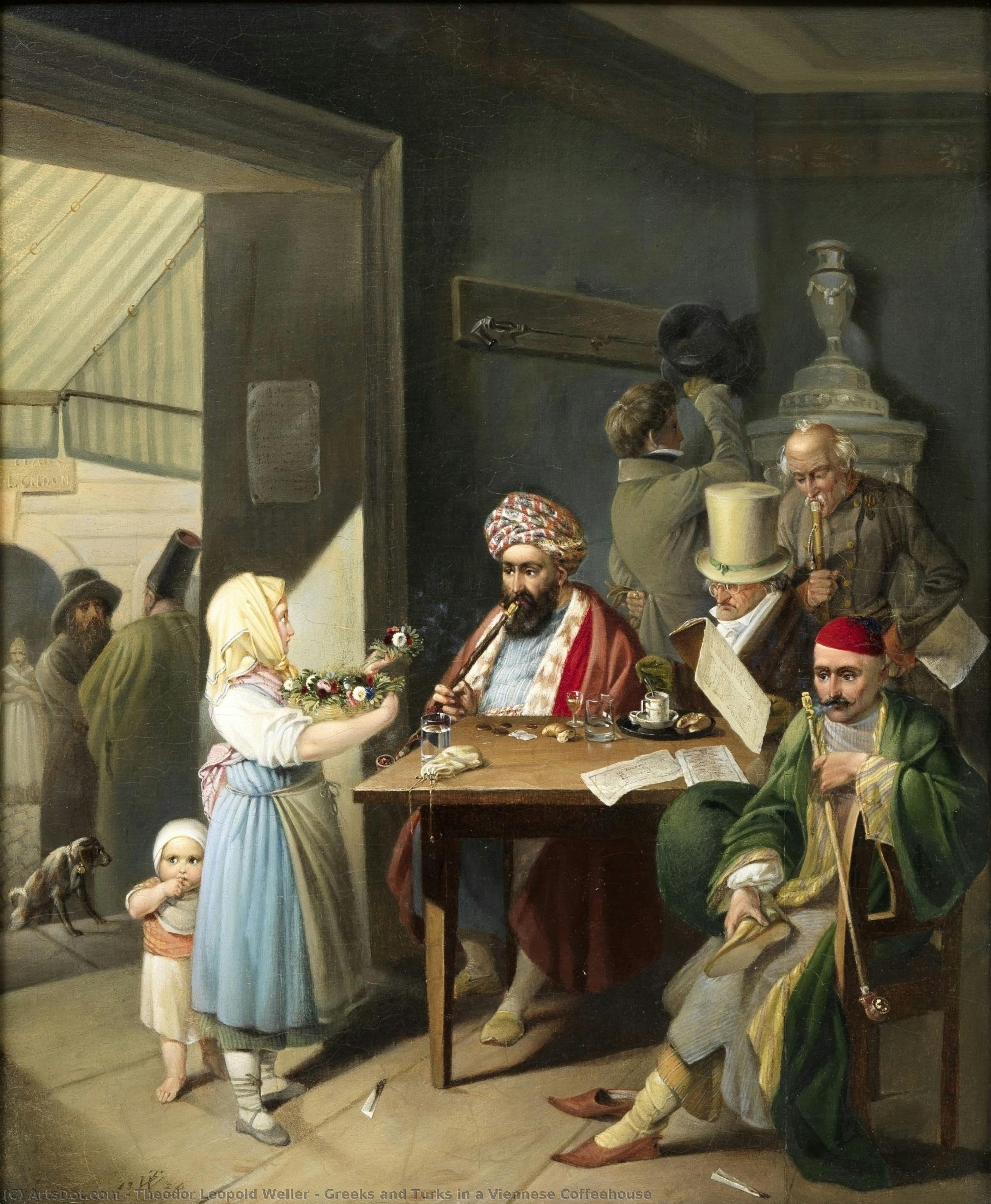
統計情報Greeks and Turks in a Viennese Coffeehouse
 Munich School
 1824
1824- 19th Century
 5.0 x 31.0 cm
 Wien Museum
 詳細を見る
詳細を見る
オンラインプレビューをはるかに凌ぐ、高解像度で鮮明なデジタル画像をご購入いただけます。
各ファイルは、社内の専門家が高度なツールと熟練した手作業によるレタッチを用いて、細心の注意を払って準備されています。すべての画像において、卓越した鮮明度、正確な色彩再現性、そして繊細なディテールを保証いたします。
最終ファイルは、プロフェッショナルな編集・印刷環境ですぐにご利用いただけるよう最適化された状態で、72時間以内にメールにてお届けいたします。これは、一流のデザインスタジオ、出版社、ギャラリーから信頼されているものと同等の品質です。
デジタルアート
個人での鑑賞、印刷、クリエイティブなプロジェクト用に、高解像度ファイルをダウンロードできます。 ( プリント版に切り替え 手描きの絵画を購入)
デジタル画像のご注文に付随する特典
高品質なデジタル画像配信を、確かな品質で。
ArtsDot.com を選ぶことは、単に画像を手に入れることではありません。それは、プロの手によって精密に仕上げられ、満足保証が付いた高品質なデジタルアートワークを受け取ることを意味します。ご注文いただいた際に自動的に付随する内容は、以下の通りです:

メールですぐにお届け
ご注文から72時間以内に、高解像度のデジタル画像ファイルがメールでお手元に届きます。すぐにそのままご利用いただけます。

AI技術で最適化されたデジタルファイル
お客様の作品は、高度なAIツールと専門家による手作業の編集を組み合わせてプロフェッショナルに最適化されており、細部のディテール、鮮明さ、そして正確な色再現性を最大限に引き出しています。

一生涯無料の再送サービス
ファイルを誤って削除したり、紛失してしまったりしましたか?ご安心ください。いつでも無料で再送いたします。

輸入手数料は一切かかりません
関税や手数料、配送料を気にすることなく、お気に入りのアートワークをすぐにお楽しみいただけます。デジタルダウンロードは常に免税です。

色彩再現の保証
プロ仕様のツールとカラーマネジメント技術を用いることで、デジタル画像が元の色を最大限に忠実に再現することを保証いたします。

100日間満足保証
ご購入いただいたデジタル画像にご満足いただけない場合は、100日以内であれば、理由を問わず修正または100%の返金対応をさせていただきます。

100% 返金保証
ご満足いただけない場合は、デジタルファイルを受け取ってから100日以内であれば、理由を問わず全額返金いたします。

まとめ買い割引
3枚購入で10%OFF - 5枚購入で15%OFF - 10枚以上購入で20%OFF。クリエイティブなプロジェクト、ギャラリー、エージェンシーに最適です。
A Window into a Vanished Era
In the quiet, evocative strokes of Theodor Leopold Weller’s 1824 masterpiece, Greeks and Turks in a Viennese Coffeehouse, we are invited to step through a portal into the social fabric of nineteenth-century Europe. This intimate scene captures more than just a gathering; it preserves a fleeting moment of cross-cultural coexistence within the legendary atmosphere of a Viennese café. The composition draws the viewer into a world of hushed conversations and shared leisure, where the boundaries between different nationalities seem to soften under the warmth of social ritual. Through his masterful command of genre painting, Weller transforms a simple afternoon encounter into a profound study of human connection and the quiet dignity of everyday life.
The visual narrative is anchored by a group of men gathered around a central table, their presence suggesting a tapestry of diverse identities woven together by the shared experience of coffeehouse culture. The subtle inclusion of formal attire, such as ties and structured coats, hints at the social etiquette of the era, while the presence of a loyal dog resting near the patrons adds a layer of domestic warmth and unpretentious realism. A solitary clock hanging upon the wall serves as a poignant memento mori, a gentle reminder of the passage of time that continues even as these figures remain suspended in their moment of repose. The monochromatic palette, though stark, lends an air of timelessness to the scene, stripping away the distraction of color to focus our attention on the interplay of light, shadow, and the subtle geometry of the gathering.
The Mastery of the Munich School
As a prominent figure of the Munich School, Theodor Leopold Weller brought a unique psychological depth to his depictions of the mundane. Unlike the grand, sweeping historical canvases favored by many of his contemporaries, Weller found his muse in the textures of reality—the way light hits a porcelain cup or the weary slump of a shoulder after a long day. In this particular work, his technique demonstrates an extraordinary ability to render atmosphere; one can almost sense the low hum of voices and the aroma of roasted beans permeating the air. His training under the rigorous academic standards of the Munich Academy allowed him to imbue even the most casual subject matter with a structural integrity and a sense of monumental importance.
For the discerning collector or interior designer, this piece offers a sophisticated touch of historical elegance. It is an artwork that does not demand attention through loud colors, but rather commands respect through its quiet, contemplative strength. When placed within a curated space—perhaps as a focal point in a library, a study, or a refined sitting room—it serves as a conversation starter, inviting guests to contemplate the layers of history and culture embedded within its frame. A high-quality reproduction of this work allows the timeless charm of 1824 Vienna to reside within a modern home, providing an anchor of classical beauty and intellectual depth that transcends the fleeting trends of contemporary decor.
関連作品




作家の略歴
Theodor Leopold Weller: A Master of Everyday Life
Theodor Leopold Weller (May 29, 1802 – December 10, 1880), born in Mannheim, Germany, stands as a pivotal figure within the Munich School of painting—a movement dedicated to portraying scenes from ordinary life with remarkable precision and psychological insight. Initially envisioned for a legal profession by his father, Weller’s passion for art swiftly took precedence, embarking on formal studies at the Academy of Fine Arts in Munich under Johann Peter von Langer, where he encountered the influential Peter von Cornelius, brought to Munich by Ludwig II to oversee the Glyptothek. Unlike many of his contemporaries who pursued grand historical narratives or mythological subjects, Weller deliberately gravitated towards depictions of daily existence and the natural world—a decision that profoundly shaped his artistic trajectory.- Early Influences & Training: Langer’s guidance instilled in Weller a foundational understanding of academic painting principles, while Cornelius's presence exposed him to the burgeoning Romantic spirit prevalent in Munich.
- The Pursuit of Detail: Weller honed his technique under Peter von Hess, mastering meticulous observation and rendering—a characteristic that would become synonymous with his oeuvre.
- Roman Exploration & Artistic Growth: Weller’s journey to Rome in 1825 alongside Ernst Fries marked a crucial period of artistic maturation, fostering an appreciation for classical ideals and broadening his visual vocabulary. He diligently documented his travels through Italy, including Naples, capturing the essence of Italian landscapes and culture.
Career Highlights & Artistic Output
Returning to Mannheim in 1833, Weller established himself as a respected artist and educator, accepting the role of Director of the Mannheim Kunstverein (Art Association) from 1839 to 1848. During this tenure, he served on the board for twenty-three years and diligently curated the Verein’s collection—resulting in a comprehensive catalog documenting 124 of his own works. This catalogue serves as invaluable evidence of Weller's prolific output and demonstrates his unwavering commitment to capturing the subtleties of human experience within accessible subjects.- Directorate & Artistic Legacy: Weller’s leadership at the Kunstverein solidified his reputation as a champion of German Romanticism and fostered an environment conducive to artistic innovation.
- Notable Paintings: His extensive body of work includes captivating genre scenes—such as “Studies on a Bagpiper” (1851) and “Standing Woman in the Costume of Cervara,” showcasing his mastery of watercolor and capturing nuanced emotional states.
The Munich School & Weller’s Contribution Weller's dedication to portraying everyday life—combined with his meticulous technique—established him as a cornerstone of the Munich School, alongside artists like Cornelius and Hess. He championed realism within Romanticism, prioritizing psychological depth over mere visual spectacle. His paintings offer poignant glimpses into the lives of ordinary people—reflecting the social consciousness of his time while simultaneously elevating genre painting to new heights of artistic accomplishment. Weller’s legacy continues to inspire artists today who strive for authenticity and emotional resonance in their depictions of human experience.
Concluding Remarks Theodor Leopold Weller passed away peacefully in Mannheim on December 10, 1880, succumbing to a stroke—a tragic end for an artist whose life’s work embodied the spirit of observation, empathy, and artistic excellence. His enduring influence can be seen in subsequent generations of German painters who embraced his commitment to portraying the human condition with sensitivity and unwavering detail.
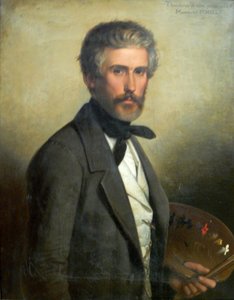
Theodor Leopold Weller
1802 - 1880 , Germany
プロフィール概要
- Artistic Movement Or Style: Munich School
- Artists Or Movements Influenced By This Artist: ['Romanticism']
- Artists Who Influenced This Artist: ['Peter von Hess']
- Date Of Birth: May 29, 1802
- Date Of Death: December 10, 1880
- Full Name: Theodor Leopold Weller
- Nationality: German
- Notable Artworks:
- Studies on a Bagpiper
- Studies with lying child
- Place Of Birth: Mannheim, Germany