

 プレビュー
プレビュー
 プリントを購入
 シェアする
シェアする シェアする
シェアする
 詳細を見る
詳細を見る

 ダウンロード
 似ている作品
 X線調査
X線調査 スライドショー
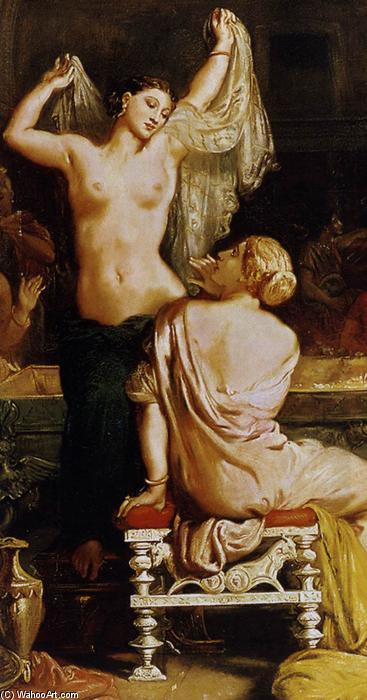
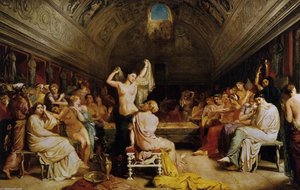
The Tepidarium (detail)


 詳細を見る
詳細を見る




P118B $10

P118H $10

P118W $10

P438Z $10

P508JH $12

P508YH $12

P805H $10

P805Z $10

P919BZ $10

P919G $10

P919XJ $10

P959ZH $10

P968JZ $12

W106C $8

W218G $10

W218JH $8

W218Y $10

W307PJ $10

W316G $10

W316PJ $8

W316Y $10

W398PJ $8

W4111J $10

W500HY $15

W500JH $15

W692G $12

W849H $8

W940BG $15

W953PJ $8




作品のオリジナル比率に合わせた、当店の規定サイズからお選びください。

特定のフレームやスペースに合わせて、ご希望のサイズをご入力いただけます。選択されたサイズが元の画像の比率と異なる場合、アートワークをトリミングするか、手描きで要素を追加して絵画を拡張いたします。デジタルモックアップ を制作し、制作開始前にご確認(承認)をいただきます。
画面上のプレビューは、実際のトリミングや拡張を正確に反映しているものではありません。最終的な構図は、モックアップによってのみ正確にご確認いただけます。
カスタムサイズもご利用いただけますが、元の比率を維持するためには、あらかじめ用意されたリストからサイズを選択することをお勧めいたします。
ご注文後、ArtsDot.com チームより詳細な指示をお送りするとともに、仕上がりイメージ(モックアップ)をご提供いたします。


 ガラスオプションは、110cm未満のサイズでのみご利用いただけます。

The Tepidarium (detail)
複製技法
複製画のサイズ
-


合計金額
$ 263
作品解説
The Tepidarium: A Roman Reverie by Théodore Chassériau
Théodore Chassériau’s “The Tepidarium,” painted in 1853, is more than just a depiction of a Roman bathhouse; it's an immersive experience—a shimmering tableau of sensuality, antiquity, and subtly erotic intrigue. Born under the tropical sun of Samaná, Dominican Republic, to a Creole family steeped in transatlantic connections, Chassériau’s artistic journey was shaped by a unique blend of influences, ultimately culminating in this masterful work that bridges the Neoclassical rigor of his teacher, Ingres, with the vibrant spirit of Delacroix. The painting immediately transports the viewer to a space both familiar and utterly exotic – a carefully constructed illusion of Roman luxury, yet imbued with an undeniable Orientalist perfume.
The scene unfolds within a meticulously rendered architectural setting, clearly inspired by the baths of Venus Genitrix in Pompeii, a discovery that captivated Chassériau during his travels. The artist’s meticulous attention to detail is immediately apparent; from the smooth, pearly surfaces of the marble benches and walls to the delicate folds of the women's garments, every element speaks to a profound understanding of form and texture. The lighting, soft and diffused, contributes significantly to the painting’s serene mood, casting gentle shadows that enhance the figures’ languid poses and creating an atmosphere of quiet intimacy. The palette is restrained yet effective, dominated by earthy tones—ochres, browns, and muted greens—interspersed with delicate pastel hues that add a touch of ethereal beauty.
A Study in Contrasts: Figures and Narrative
At the heart of “The Tepidarium” are two women: one standing, partially turned away from the viewer, and another seated on a bench. The standing figure, draped in flowing fabric, holds a veil or shawl—a gesture that simultaneously suggests modesty and an invitation to observe. Her profile, subtly illuminated, draws our attention while maintaining a sense of detachment. The seated woman, dressed in a light-colored robe, receives the standing figure’s gaze with a relaxed attentiveness. The interaction between them is deliberately ambiguous, open to multiple interpretations. It could be read as a scene of gentle grooming or caregiving, but also hints at a more complex narrative—a flirtation, perhaps, or even a veiled acknowledgment of shared desire. The composition itself, divided into two symmetrical groups, reinforces this duality, creating a visual tension that keeps the viewer engaged.
Chassériau’s masterful use of line and color is particularly noteworthy. The figures are rendered with an almost sculptural quality, their forms defined by precise lines and subtle gradations of tone. The artist's debt to Raphael and Poussin is evident in the composition’s structure, yet he infuses it with his own distinctive style—a blend of classical restraint and Romantic expressiveness. The painting’s eroticism isn’t overt; rather, it resides in the suggestive glances, the languid postures, and the overall atmosphere of sensual indulgence. This delicate balance between classicism and romanticism is a hallmark of Chassériau's oeuvre.
Symbolism and Historical Context
“The Tepidarium” was created during the Second Empire in France, a period marked by a fascination with antiquity and a desire to revive classical ideals. The painting reflects this cultural climate, drawing inspiration from Roman bathhouses—spaces of social interaction, relaxation, and even pleasure. However, Chassériau doesn’t simply replicate a historical scene; he imbues it with his own artistic vision, adding an element of exoticism and sensuality that transcends its historical context. The inclusion of elements reminiscent of the Arab world – hinted at in the colors and fabrics – speaks to the prevailing European fascination with the Orient during this era.
The painting’s enduring appeal lies not only in its technical brilliance but also in its ability to evoke a sense of mystery and intrigue. As Théophile Gautier famously observed, “an antique fresco stolen from the wall of Pompeii,” it invites viewers to contemplate the relationships between the figures and the secrets hidden within this Roman reverie. It’s a testament to Chassériau's skill that he manages to capture both the grandeur of antiquity and the subtle nuances of human emotion in a single, captivating image.
関連作品

アーティストの略歴
クレオールなロマン主義者:テオドール・シャセリアンの生涯と芸術
1819年9月20日、ドミニカ共和国のサマナに降り注ぐ熱帯の太陽の下で、テオドール・シャセリアウの生涯は幕を開けました。彼の人生は、文化と芸術的潮流が織りなす魅惑的な融合そのものでした。父ボノワ・シャセリアンはカリブ海政治の複雑な荒波を渡るフランスの外交官であり、母マリア・マグダレナ・クーレ・ド・ラ・ブラニエールはハイチとフランスの両方にルーツを持つ家系にありました。この血統が、若きテオドールに比類なき独自の視点を与えたのです。このクレオールとしての遺産は、彼の芸術的ビジョンを深く形作り、同時代の多くの画家たちとは一線を画すものとなりました。1820年に家族がパリへと移住したことは、シャセリアンの正式な芸術教育の始まりを意味していました。ジャン=オーギュスト=ドミニク・アングルの指導のもと、彼は新古典主義の厳格な伝統に深く浸ることとなります。アングルはこの若き才能を見出し、彼を最も愛する弟子として迎え入れました。そして、線、形態、そして古典的な構図における卓越した技術を授けました。この強固な基礎は、後にシャセリアンが新たな芸術的領域へと踏み出した後も、彼のキャリアを通じて一貫して見受けられるものとなりました。世界の架け橋:新古典主義からロマン主義的表現へ
当初、シャセリアンはアングルの厳格な基準に忠実に従い、精密な素描と理想化された形態を特徴とする作品を生み出していました。しかし、感情、ドラマ、そして個の表現を重視するロマン主義運動の台頭が、抗いがたい引力となって彼を捉えます。ウジェーヌ・ドラクロワの鮮やかな色彩パレットとダイナミックな構図は、シャセリアンの芸術的手法に決定的な転換をもたらしました。彼はより自由な筆致、豊かな色調、そして感情に満ちた主題へと実験を重ねていったのです。これは決して初期の修行に対する単純な拒絶ではありませんでした。むしろ、新古典主義の精密さとロマン主義の情熱を見事に融合させた「統合」であったと言えます。シャセランは単にドラクロワの様式を模倣したのではなく、その精神を吸収し、技術的な輝きと感情的な深みの両方をもって複雑なテーマを探求することを可能にする、独自の芸術言語を築き上げたのです。1846年のアルジェリアへの旅は、この進化にさらなる火を灯しました。異国情緒あふれる風景、活気ある文化、そして心を揺さぶる人間模様との出会いが、彼の作品の中核をなすこととなったのです。主題と傑作:多才なオーヴル(作品群)
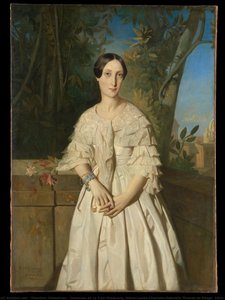
シャセリアンの芸術的成果は驚くほど多岐にわたり、肖像画、歴史画、宗教画、寓意的な壁画、そして膨大なオリエンタリズム作品を網羅しています。彼の「デズデモーナ(柳の歌)」は、形態と色彩を通じて深い感情を伝える彼の手腕を示す痛切な例であり、シェイクスピアの登場人物が持つ悲劇的な脆さを、驚くべき感性で捉えています。「コンスタンティンのユダヤ人街の情景」は、北アフリカ文化への彼の傾倒を象徴しており、賑わう街の生活や緻密な建築細部を見事に描き出しています。また、「ラ・トゥール=モーブル伯爵夫人」のような肖像画では、単なる外見の類似性だけでなく、描かれた人物の内面的な品格や優雅さをも捉える技術が示されています。他にも、ハレムの浴場を後にするムーア人の女性を描いた、異国的な官能性を漂わせる作品や、北アフリカの王族の権威と力強さを放つ「コンスタンターのカリフ、アリ・ベン・アーメド」など、注目すべき作品は枚挙に暇がありません。個々のキャンバスを超えて、シャセリアンは野心的な装飾プロジェクトにも取り組みました。特にパリの会計院(Cour des Comptes)のための壁画は有名ですが、悲劇的なことに、これらは1871年の火災によってその大部分が失われてしまいました。遺産と影響:近代への架け橋
1856年10月8日、37歳という若さで迎えたテオドール・シャセリアンの早すぎる死は、前途有望なキャリアを断ち切りましたが、芸術界に与えた衝撃は計り知れません。彼は新古典主義とロマン主義の間の極めて重要な架け橋として機能し、一見対立するように見えるこれら二つの様式が共存し、互いを豊かにし合えることを証明しました。彼の作品は、古典的な技法と感情的な表現の融合を称賛したヴァディム・ムジカのような後世の芸術家たちに影響を与えました。さらに、シャセリアンによるオリエンタリズム的主題の探求は、北アフリカや中東に対する芸術的な関心を広げることにつながり、後の世代の画家たちがこれらの地域や文化を探索するための道筋をつけたのです。彼は単にドラクロワやアングルの模倣者ではありませんでした。伝統と革新、精密さと情熱の両方を受け入れる、彼自身の道を切り拓いたのです。彼の遺産は、多様な影響を独自のパーソナルな様式へと昇華させたその能力に宿っており、その輝きは今日でも見る者を魅了し続けています。永遠に刻まれる印象
シャセリアンは、19世紀フランス絵画史における重要な人物であり続け、当時最も才能あるロマン主義芸術家の一人として認められています。彼の絵画は、異国への関心の高まり、古典的な理想とロマン主義的な感性の間の緊張、そして社会における芸術家の役割の変遷といった、当時の文化的・芸術的潮流に対する貴重な洞察を与えてくれます。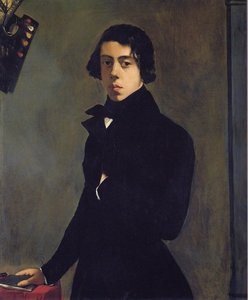
テオドール・シャスリオ
1819 - 1856 , ドミニカ共和国
基本情報
- Artistic Movement Or Style: ロマン主義、新古典主義
- Artists Or Movements Influenced By This Artist: ['ヴァディム・ムジカ']
- Artists Who Influenced This Artist:
- アングロワ
- ドラクロワ
- ルーベンス
- Date Of Birth: 1819年9月20日
- Date Of Death: 1856年10月8日
- Full Name: テオドール・シャスリオ
- Nationality: フランス
- Notable Artworks:
- デズデモナ
- コンスタンティンの情景
- ラ・トゥール=モーブル伯爵夫人
- 風呂から出るムーア人の女性
- コンスタンティンのカリフ、アリ・ベン・アフマド
- Place Of Birth: ドミニカ共和国、サマナ
関連記事
Charles Le Brun: Master of French Baroque Classicism & His Enduring Legacy
Explore the life & art of Charles Le Brun, master of French Baroque Classicism. Discover his royal commissions, influence on Versailles, and enduring legacy through detailed analysis & stunning artworks.
The Enduring Legacy of Classicism: Principles, Evolution & Influence in Western Art
Explore the enduring legacy of Classicism in Western art! Discover its historical context, key principles, iconic masterpieces & lasting influence. Learn about Renaissance and Neoclassical movements with ArtsDot.
The Enduring Echo of Antiquity: Classical Ideals in Art from Renaissance to Modernism
Explore the lasting impact of classical ideals on art from the Renaissance to Modernism. Discover key movements, iconic artists & find museum-quality reproductions at ArtsDot.
Nicolas Poussin: Classicism, Allegory & Order in 17th-Century French Painting
Explore the life & work of Nicolas Poussin, a master of French Classicism. Discover his allegorical paintings, Roman influences, and enduring impact on art history. Expert analysis & insights.
Timeless Resonance: Exploring Classic Vibe in Art – A Historical & Aesthetic Analysis
Explore the rich history & enduring aesthetic of Classicism art! Discover key movements, iconic artists like Raphael & David, and its lasting influence on Western art. Deepen your appreciation today.

