 プレビュー
プレビュー
 シェアする
シェアする シェアする
シェアする
 詳細を見る
詳細を見る

 ダウンロード
 似ている作品
 X線調査
X線調査 スライドショー
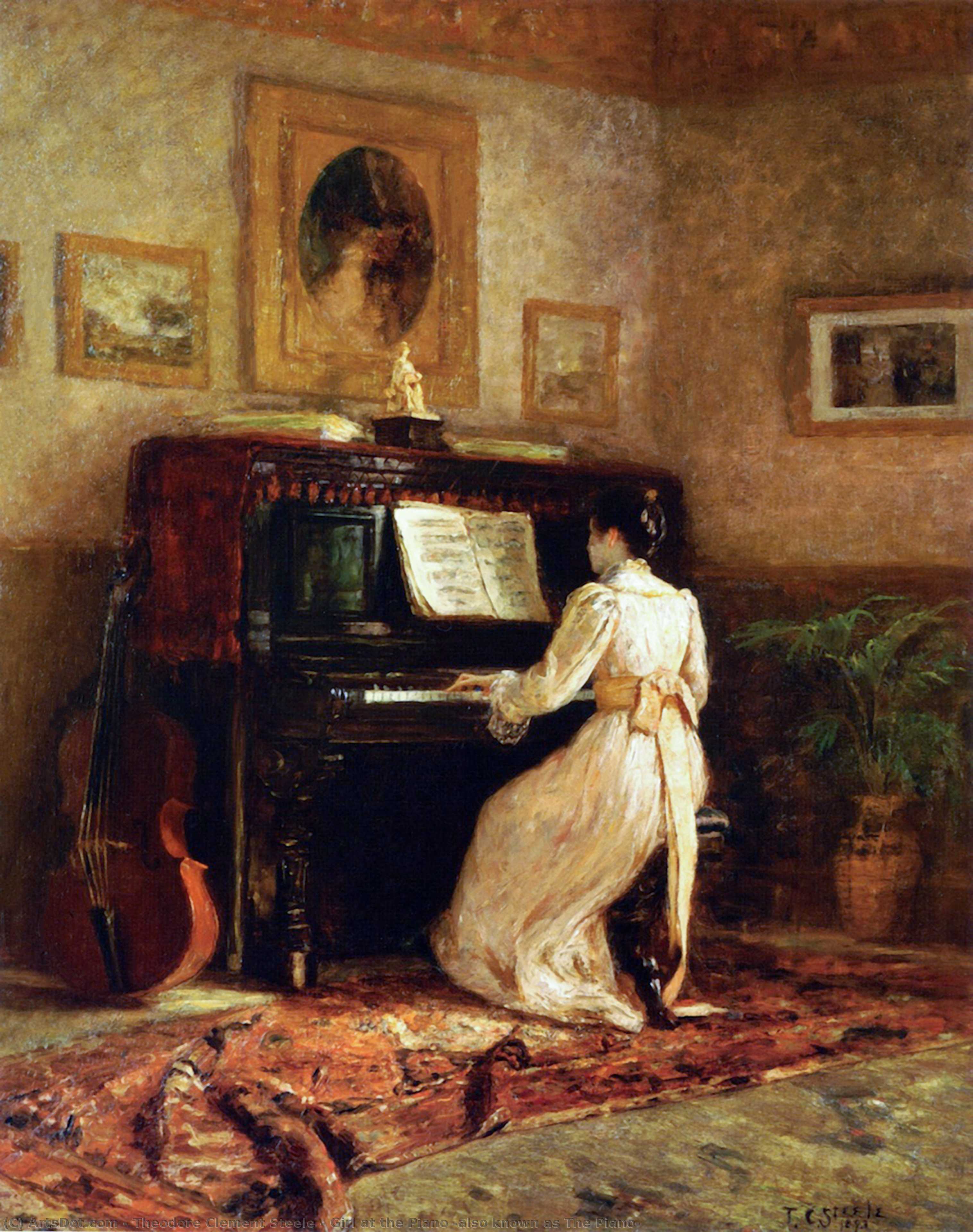
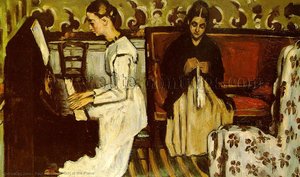
Girl at the Piano (also known as The Piano)


 詳細を見る
詳細を見る
ジークレー/アートプリント
迅速な制作と多彩な仕上げオプションを備えた、ミュージアムクオリティのジークレーまたはキャンバスプリント。 ( 手描きの絵画を購入 画像を購入)




P118B $10

P118H $10

P118W $10

P438Z $10

P508JH $12

P508YH $12

P805H $10

P805Z $10

P919BZ $10

P919G $10

P919XJ $10

P959ZH $10

P968JZ $12

W106C $8

W218G $10

W218JH $8

W218Y $10

W307PJ $10

W316G $10

W316PJ $8

W316Y $10

W398PJ $8

W4111J $10

W500HY $15

W500JH $15

W692G $12

W849H $8

W940BG $15

W953PJ $8




作品のオリジナル比率に合わせた、当店の規定サイズからお選びください。

特定のフレームやスペースに合わせて、ご自身でサイズを指定することも可能です。選択されたサイズが元の画像の比率と一致しない場合、作品をトリミングするか、鏡面反射または単色での塗りつぶしによって画像を拡張いたします。制作を開始する前に、ご確認用のデジタルモックアップをお送りいたします。
画面上のプレビューには、実際のトリミングや拡張は反映されませんのでご注意ください。最終的な構図を正確に確認できるのは、モックアップのみとなります。
カスタムサイズも承っておりますが、元の比率を維持するためには、あらかじめ用意されたリストからサイズを選択することをお勧めいたします。


 ガラスオプションは、110cm未満のサイズでのみご利用いただけます。

Girl at the Piano (also known as The Piano)
ジークレー/アートプリント
複製画のサイズ
-


合計金額
$ 62
A Moment of Domestic Harmony: Exploring Theodore Clement Steele's "The Piano"
Theodore Clement Steele’s “Girl at the Piano,” painted in 1893, is more than just a depiction of a woman playing an instrument; it’s a carefully constructed tableau of quiet domesticity, imbued with the gentle spirit of American Impressionism. The painting immediately draws the viewer into a space of serene contemplation – a feeling fostered by Steele's masterful use of soft color palettes and diffused light, hallmarks of his style influenced by the burgeoning movement in Europe.
- Subject Matter: The central figure, a woman lost in her musical practice, is rendered with remarkable sensitivity. Her posture suggests both focused concentration and a touch of wistful emotion, inviting us to imagine the story behind her performance.
- Composition & Setting: The room itself contributes significantly to the painting’s atmosphere. A comfortable couch offers a suggestion of relaxation, while strategically placed photographs on the wall hint at personal memories and family life – elements that were increasingly important themes in American art during this period.
- Technique: Steele employs loose brushstrokes and broken color, characteristic of Impressionism, to capture the fleeting effects of light and shadow. This technique creates a sense of immediacy and vibrancy, preventing the scene from feeling static or overly formal.
The Roots of Impressionism in American Art
Steele’s artistic journey is intrinsically linked to the broader evolution of art in America during the late 19th century. Initially influenced by European masters – particularly his time spent studying at Munich's Royal Academy – Steele ultimately sought to translate these influences into a distinctly American style. “The Piano” exemplifies this synthesis, blending European techniques with a deep understanding of the landscapes and everyday life of Indiana. The painting reflects a growing desire within the American art community to move beyond mere imitation and develop an artistic voice that was uniquely its own.
Comparisons can be drawn to works by contemporaries like Paul Cézanne and Frederick Childe Hassam, both of whom were exploring similar themes of domesticity and musical engagement. However, Steele’s approach is characterized by a greater sense of warmth and intimacy, reflecting his deep connection to the American Midwest.
Symbolism and Emotional Resonance
Beyond its technical merits, “The Piano” resonates with powerful symbolic meaning. The act of playing music itself represents creativity, introspection, and perhaps even a longing for escape. The carefully arranged details – the vase, the potted plant, the photographs – all contribute to a sense of personal history and emotional depth. Steele’s ability to evoke such feelings through seemingly simple imagery is a testament to his artistic skill.
A Timeless Masterpiece: Reproduction Possibilities
ArtsDot.com offers meticulously crafted hand-painted reproductions of Theodore Clement Steele's “Girl at the Piano,” allowing you to bring this iconic artwork into your home or office. Each reproduction is created using traditional oil painting techniques, ensuring exceptional detail and color accuracy. Whether for a statement piece in a contemporary interior or as an homage to American art history, a ArtsDot.com reproduction of "The Piano" offers a beautiful and enduring addition to any collection.
関連作品


アーティストの略歴
Theodore Clement Steele (1847–1926): A Pioneer of American Impressionism
Theodore Clement Steele, a name inextricably linked to the genesis of American Impressionism, occupies a prominent position within the annals of American artistic heritage. Born in Owen County, Indiana, on September 11, 1847, his life unfolded as a testament to unwavering dedication—a journey marked by meticulous scholarly pursuits, transatlantic artistic influence, and an enduring commitment to portraying the singular splendor of his native landscape. From humble beginnings sketching amidst rural Indiana’s verdant hillsides, Steele ascended to become a cornerstone of a movement that sought to transcend mere imitation of European masters, forging instead a distinctive visual language rooted in authentic experience—a reflection of America's burgeoning artistic identity.Early Years and Artistic Foundations
Steele’s formative artistic inclinations were nurtured through initial studies at Indiana State University, equipping him with foundational skills in drawing and painting that would serve as bedrock for his subsequent endeavors. Recognizing the imperative for more sophisticated training, he embarked on a transformative voyage to Europe in 1880, establishing residency in Munich—a crucible of artistic innovation where Impressionist ideals flourished. It was here that Steele truly blossomed, immersing himself in the burgeoning movement and absorbing the techniques of masters like Monet and Pissarro. This wasn’t merely an adoption of stylistic conventions; it represented a profound philosophical realignment—a prioritization of capturing fleeting moments of illumination and atmosphere, striving to convey not just *what* he observed but *how* it felt to inhabit those instants. The influence of French Impressionism profoundly shaped Steele's artistic sensibilities, fostering a preoccupation with light’s transformative power and its ability to imbue landscapes with emotive resonance.The Hoosier Group: Defining an American Aesthetic
Upon returning to Indiana in 1885, Steele became a pivotal figure within the “Hoosier Group”—a collective of artists united by their ambition to cultivate a distinctly American artistic idiom. Alongside luminaries such as William Forsyth, J. Ottis Adams, Richard B. Gruelle, and Otto Stark, he championed landscape painting that celebrated the unparalleled beauty of the Midwest—a deliberate departure from prevailing European trends. Steele’s unwavering conviction was that American art should express *American* subjects—the expansive vistas, lush forests, and tranquil waterways emblematic of their homeland. He skillfully blended the lessons gleaned abroad with a deep-seated reverence for Indiana's natural grandeur, resulting in artworks imbued with both technical virtuosity and an authentic sense of place. His portraits garnered acclaim as well, demonstrating his versatility as an artist and securing commissions to depict official portraits of several Indiana governors—a testament to his artistic prowess and his commitment to representing the nation’s leadership.Technique and Artistic Vision
Steele's distinctive artistic vision was characterized by a masterful command of technique—particularly plein air painting, where he worked directly from nature, translating fleeting atmospheric conditions onto canvas with remarkable fidelity. He meticulously observed light’s subtle shifts and variations, employing broken brushstrokes and luminous color palettes to convey not merely visual representation but also emotional depth. This approach mirrored the core tenets of Impressionism—a rejection of academic conventions in favor of capturing immediacy and subjective experience—and solidified Steele's reputation as a pioneer of American landscape painting. His canvases resonate with an enduring beauty, reflecting his profound connection to the natural world and embodying the spirit of innovation that defined his era.Legacy and Enduring Influence
Steele’s influence extended far beyond his artistic creations; he served as an educator, lecturer, and ardent advocate for the arts within his community—actively participating in art juries and shaping the trajectory of artistic exhibitions both nationally and internationally. He established “The House of the Singing Winds” in Brown County, Indiana, alongside Selma Neubacher Steele—a home and studio that became a focal point for artists and a catalyst for the flourishing Brown County Art Colony. This idyllic setting provided him with boundless inspiration and enabled him to fully realize his artistic aspirations. Today, The House of the Singing Winds stands as a State Historic Site, safeguarding Steele’s legacy and offering visitors a poignant glimpse into the life and oeuvre of this unforgettable artist—a testament to his enduring contribution to American art history. His paintings continue to captivate audiences worldwide, inspiring generations of artists to embrace their own vision and translate the splendor of nature onto canvas with unwavering passion.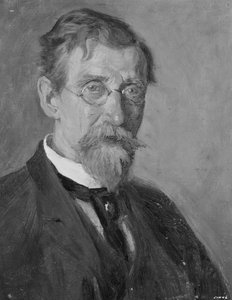
トーマス・クレメント・スティール
1847 - 1926 , アメリカ合衆国
基本情報
- Artistic Movement Or Style: 印象派
- Artists Who Influenced This Artist: ['フランス印象派']
- Date Of Birth: September 11, 1847
- Date Of Death: July 24, 1926
- Full Name: Theodore Clement Steele
- Nationality: アメリカ人
- Notable Artworks:
- インディアン・サマー
- アーティストの庭
- Place Of Birth: Owen County, USA
関連記事
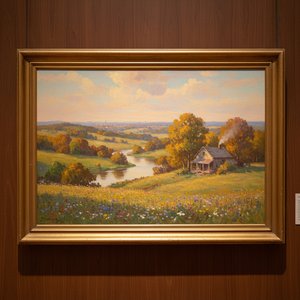
Theodore Clement Steele: American Impressionism's Hoosier Visionary – A Comprehensive Exploration of Life, Art, and Legacy
Explore the life & art of Theodore Clement Steele, a leading American Impressionist painter. Discover his luminous Indiana landscapes, contributions to the Hoosier Group, and enduring legacy. A comprehensive guide for art enthusiasts.
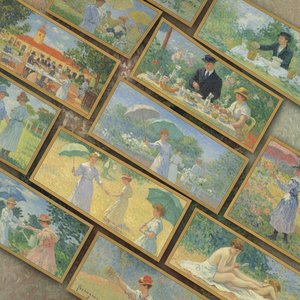
ルノワール傑作25選:光と色彩が織りなす印象派の華麗なる世界 | ArtsDot
ルノワールの傑作25選🎨 印象派の光と色彩が輝く世界へ。絵画の背景、技法、そして時代を超えて愛される理由を紐解きます。ArtsDotで高品質な複製画やインテリアアートを見つけ、お部屋に芸術的な彩りを✨ Explore the full collection online!

Giclée Prints: Archival Quality & Aesthetic Nuances for the Discerning Collector
Explore the world of giclée prints with ArtsDot. Learn about archival quality, aesthetic nuances & investment potential. Expert guidance for discerning art collectors seeking museum-quality reproductions and lasting value.
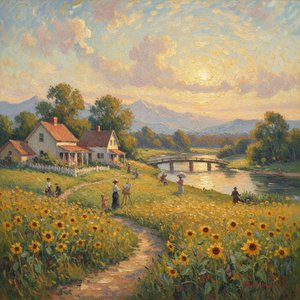
Capturing a Nation's Light: Exploring the American Impressionist Movement
Explore the captivating world of American Impressionism! Discover key artists, techniques & its lasting impact on art history. Find museum-quality reproductions and expert guidance at ArtsDot.

The Enduring Legacy of Fine Art Prints: Technique, History & Aesthetic Impact
Explore the rich history & techniques of fine art prints. Discover investment potential, assess authenticity, and learn how to preserve your collection with expert guidance. Trusted insights for discerning collectors.