 プレビュー
プレビュー
 プリントを購入
 シェアする
シェアする シェアする
シェアする
 詳細を見る
詳細を見る

 ダウンロード
 似ている作品
 X線調査
X線調査 スライドショー
On the Muscatatuck


 詳細を見る
詳細を見る




































作品のオリジナル比率に合わせた、当店の規定サイズからお選びください。

特定のフレームやスペースに合わせて、ご希望のサイズをご入力いただけます。選択されたサイズが元の画像の比率と異なる場合、アートワークをトリミングするか、手描きで要素を追加して絵画を拡張いたします。デジタルモックアップ を制作し、制作開始前にご確認(承認)をいただきます。
画面上のプレビューは、実際のトリミングや拡張を正確に反映しているものではありません。最終的な構図は、モックアップによってのみ正確にご確認いただけます。
カスタムサイズもご利用いただけますが、元の比率を維持するためには、あらかじめ用意されたリストからサイズを選択することをお勧めいたします。
ご注文後、ArtsDot.com チームより詳細な指示をお送りするとともに、仕上がりイメージ(モックアップ)をご提供いたします。


 ガラスオプションは、110cm未満のサイズでのみご利用いただけます。

On the Muscatatuck
複製技法
複製画のサイズ
-


合計金額
$ 288
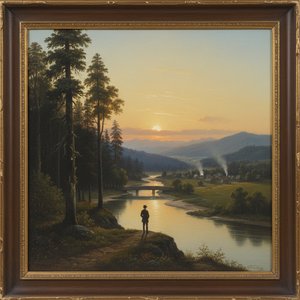
A Serene Pastoral: Theodore Clement Steele's "On the Muscatatuck"
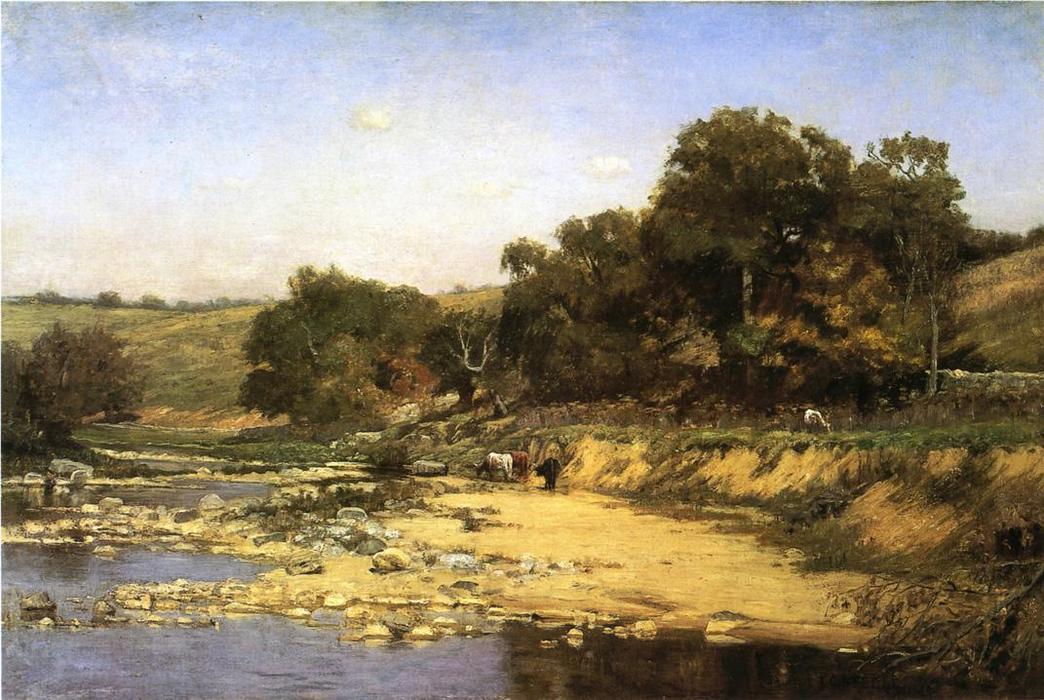
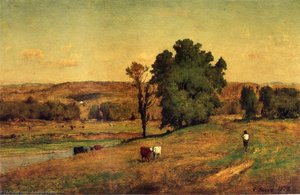
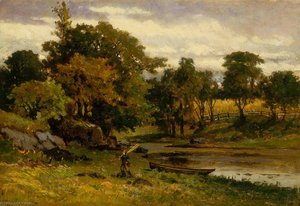
Step into a tranquil moment captured in time with Theodore Clement Steele’s “On the Muscatatuck” (1886). This evocative oil painting transports viewers to a peaceful riverbank scene, brimming with the quiet beauty of rural America. The artwork depicts a small group of cattle and figures amidst rolling hills, bathed in soft, diffused light – hallmarks of both Romanticism and Luminism. Steele masterfully utilizes atmospheric perspective, drawing the eye deep into the landscape where the river flows horizontally across the canvas, creating a sense of expansive serenity. A sandy foreground dotted with stones and lily pads leads naturally to the water's edge, while trees line the banks, adding depth and texture. The scene is populated by figures – likely shepherds or farmers – engaged in their daily routines, subtly hinting at themes of labor and connection to the land.Style & Technique: Bridging European Impressionism and American Luminism
Steele’s artistic journey was shaped by both European influences and a deep appreciation for the American landscape. Having studied at Indiana State University and later immersing himself in the works of French Impressionists, Steele brought a unique sensibility to his art. "On the Muscatatuck" exemplifies this synthesis. While exhibiting loose, painterly brushstrokes reminiscent of Impressionism – creating texture and suggesting movement within the water and foliage – the painting also embodies Luminist principles through its emphasis on atmospheric perspective and soft, diffused light. The visible brushwork, layered washes for atmospheric effects, and careful rendering of figures demonstrate Steele’s technical skill. Impasto is used selectively to enhance textural elements, further enriching the visual experience. The color palette, dominated by muted earth tones with blues and greens reflecting in the water, contributes to the overall sense of tranquility.Historical Context & Symbolism
Painted in 1886, "On the Muscatatuck" reflects a period of significant change in American society. The nation was experiencing rapid industrialization and urbanization, yet many Americans still held a deep connection to rural life and agrarian values. Steele’s painting captures this sentiment, offering a nostalgic glimpse into a simpler time. The scene itself is symbolic; the river represents the flow of life and the enduring power of nature. The cattle symbolize sustenance and prosperity, while the figures represent human interaction with the environment – a harmonious coexistence that was increasingly threatened by modernization. Steele’s work resonated with audiences at the 1893 World's Columbian Exposition in Chicago, showcasing American art on an international stage.Emotional Impact & Lasting Appeal
"On the Muscatatuck" evokes a profound sense of peace and connection to the natural world. The soft lighting, muted colors, and tranquil subject matter create a calming atmosphere that invites contemplation. The painting’s enduring appeal lies in its ability to transport viewers to a place of serenity, reminding us of the beauty and simplicity found in nature. It's an artwork that speaks to universal themes of human connection, labor, and the timeless allure of the American landscape – making it a captivating addition to any collection or interior space.関連作品
アーティストの略歴
Theodore Clement Steele (1847–1926): A Pioneer of American Impressionism
Theodore Clement Steele, a name inextricably linked to the genesis of American Impressionism, occupies a prominent position within the annals of American artistic heritage. Born in Owen County, Indiana, on September 11, 1847, his life unfolded as a testament to unwavering dedication—a journey marked by meticulous scholarly pursuits, transatlantic artistic influence, and an enduring commitment to portraying the singular splendor of his native landscape. From humble beginnings sketching amidst rural Indiana’s verdant hillsides, Steele ascended to become a cornerstone of a movement that sought to transcend mere imitation of European masters, forging instead a distinctive visual language rooted in authentic experience—a reflection of America's burgeoning artistic identity.Early Years and Artistic Foundations
Steele’s formative artistic inclinations were nurtured through initial studies at Indiana State University, equipping him with foundational skills in drawing and painting that would serve as bedrock for his subsequent endeavors. Recognizing the imperative for more sophisticated training, he embarked on a transformative voyage to Europe in 1880, establishing residency in Munich—a crucible of artistic innovation where Impressionist ideals flourished. It was here that Steele truly blossomed, immersing himself in the burgeoning movement and absorbing the techniques of masters like Monet and Pissarro. This wasn’t merely an adoption of stylistic conventions; it represented a profound philosophical realignment—a prioritization of capturing fleeting moments of illumination and atmosphere, striving to convey not just *what* he observed but *how* it felt to inhabit those instants. The influence of French Impressionism profoundly shaped Steele's artistic sensibilities, fostering a preoccupation with light’s transformative power and its ability to imbue landscapes with emotive resonance.The Hoosier Group: Defining an American Aesthetic
Upon returning to Indiana in 1885, Steele became a pivotal figure within the “Hoosier Group”—a collective of artists united by their ambition to cultivate a distinctly American artistic idiom. Alongside luminaries such as William Forsyth, J. Ottis Adams, Richard B. Gruelle, and Otto Stark, he championed landscape painting that celebrated the unparalleled beauty of the Midwest—a deliberate departure from prevailing European trends. Steele’s unwavering conviction was that American art should express *American* subjects—the expansive vistas, lush forests, and tranquil waterways emblematic of their homeland. He skillfully blended the lessons gleaned abroad with a deep-seated reverence for Indiana's natural grandeur, resulting in artworks imbued with both technical virtuosity and an authentic sense of place. His portraits garnered acclaim as well, demonstrating his versatility as an artist and securing commissions to depict official portraits of several Indiana governors—a testament to his artistic prowess and his commitment to representing the nation’s leadership.Technique and Artistic Vision
Steele's distinctive artistic vision was characterized by a masterful command of technique—particularly plein air painting, where he worked directly from nature, translating fleeting atmospheric conditions onto canvas with remarkable fidelity. He meticulously observed light’s subtle shifts and variations, employing broken brushstrokes and luminous color palettes to convey not merely visual representation but also emotional depth. This approach mirrored the core tenets of Impressionism—a rejection of academic conventions in favor of capturing immediacy and subjective experience—and solidified Steele's reputation as a pioneer of American landscape painting. His canvases resonate with an enduring beauty, reflecting his profound connection to the natural world and embodying the spirit of innovation that defined his era.Legacy and Enduring Influence
Steele’s influence extended far beyond his artistic creations; he served as an educator, lecturer, and ardent advocate for the arts within his community—actively participating in art juries and shaping the trajectory of artistic exhibitions both nationally and internationally. He established “The House of the Singing Winds” in Brown County, Indiana, alongside Selma Neubacher Steele—a home and studio that became a focal point for artists and a catalyst for the flourishing Brown County Art Colony. This idyllic setting provided him with boundless inspiration and enabled him to fully realize his artistic aspirations. Today, The House of the Singing Winds stands as a State Historic Site, safeguarding Steele’s legacy and offering visitors a poignant glimpse into the life and oeuvre of this unforgettable artist—a testament to his enduring contribution to American art history. His paintings continue to captivate audiences worldwide, inspiring generations of artists to embrace their own vision and translate the splendor of nature onto canvas with unwavering passion.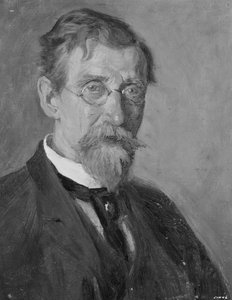
トーマス・クレメント・スティール
1847 - 1926 , アメリカ合衆国
基本情報
- Artistic Movement Or Style: 印象派
- Artists Who Influenced This Artist: ['フランス印象派']
- Date Of Birth: September 11, 1847
- Date Of Death: July 24, 1926
- Full Name: Theodore Clement Steele
- Nationality: アメリカ人
- Notable Artworks:
- インディアン・サマー
- アーティストの庭
- Place Of Birth: Owen County, USA
関連記事
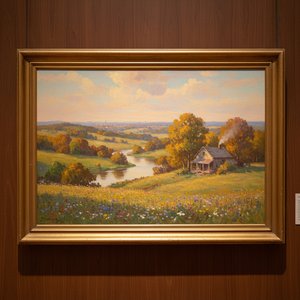
Theodore Clement Steele: American Impressionism's Hoosier Visionary – A Comprehensive Exploration of Life, Art, and Legacy
Explore the life & art of Theodore Clement Steele, a leading American Impressionist painter. Discover his luminous Indiana landscapes, contributions to the Hoosier Group, and enduring legacy. A comprehensive guide for art enthusiasts.
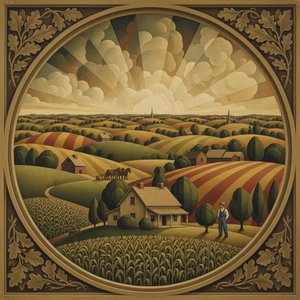
Grant Wood & American Regionalism: Identity, Myth & the Rural Landscape
Explore the world of Grant Wood & American Regionalism with ArtsDot. Discover the symbolism behind 'American Gothic', recurring themes, and the movement's lasting impact on art history. High-quality reproductions available.

Evocations of Place: A Historical Journey Through Landscape Art
Explore the rich history of landscape art with ArtsDot. Discover renowned artists, movements like Impressionism & Romanticism, and expert guidance for collecting timeless pieces. Find your perfect serene escape today!
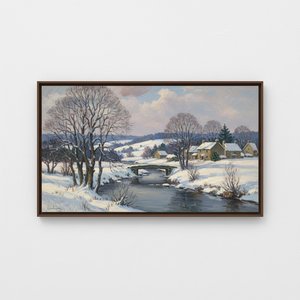
Ernest Lawson: A Pioneer of American Impressionism & His Vision of the Rural Landscape
Explore the life & art of Ernest Lawson, a pivotal figure in American Impressionism. Discover his evocative landscapes, influences, and lasting legacy with ArtsDot.
Robert Spencer: Luminism, Narrative & the American Landscape Tradition
Explore the captivating world of Luminism & the Hudson River School with our expert analysis. Discover the history, artists, and enduring beauty of 19th-century American landscape painting. Find museum-quality reproductions at ArtsDot.