 プレビュー
プレビュー
 プリントを購入
 シェアする
シェアする シェアする
シェアする
 詳細を見る
詳細を見る

 ダウンロード
 似ている作品
 X線調査
X線調査 スライドショー
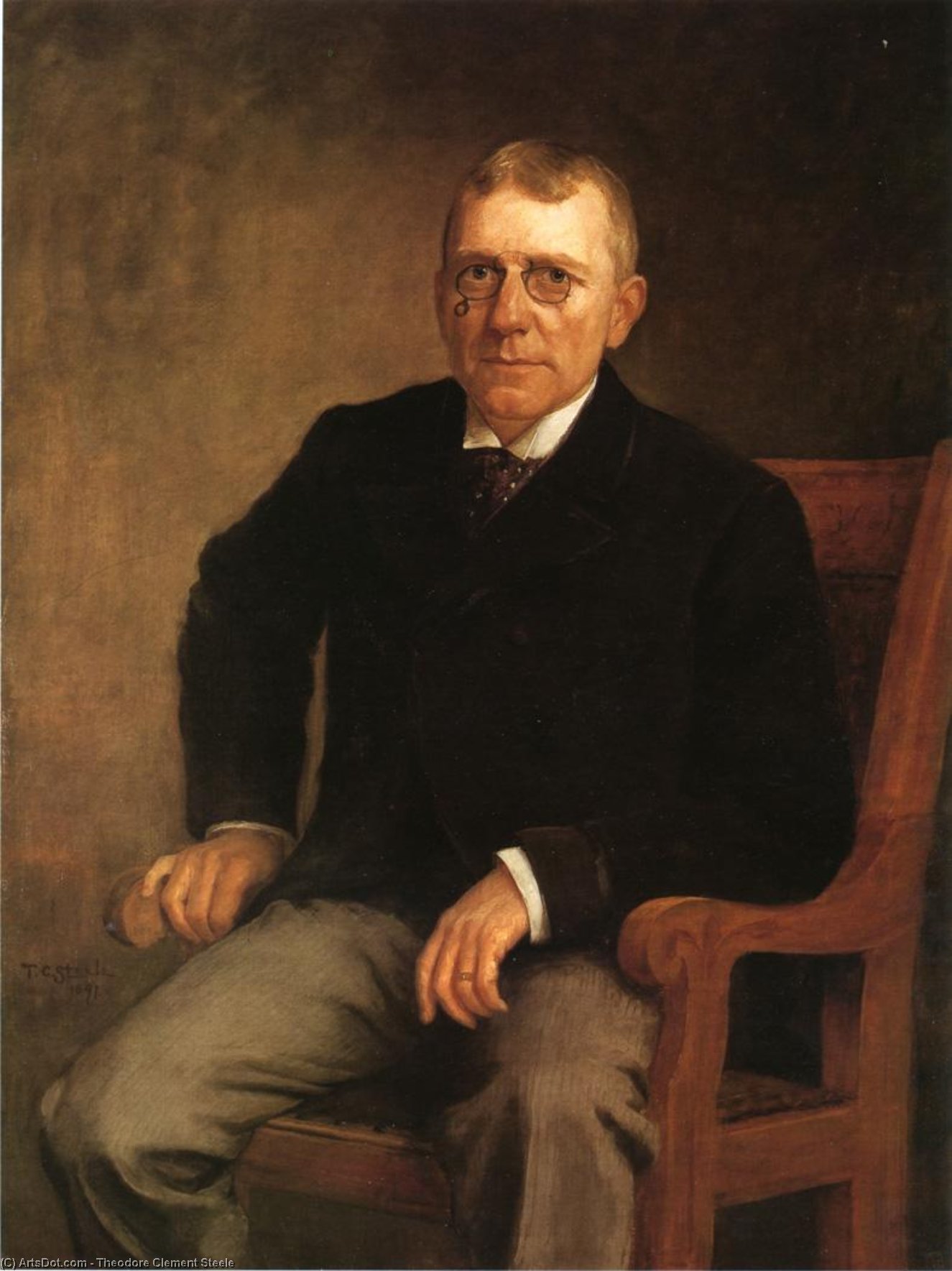
Portrait of James Whitcomb Riley


 詳細を見る
詳細を見る




P118B $10

P118H $10

P118W $10

P438Z $10

P508JH $12

P508YH $12

P805H $10

P805Z $10

P919BZ $10

P919G $10

P919XJ $10

P959ZH $10

P968JZ $12

W106C $8

W218G $10

W218JH $8

W218Y $10

W307PJ $10

W316G $10

W316PJ $8

W316Y $10

W398PJ $8

W4111J $10

W500HY $15

W500JH $15

W692G $12

W849H $8

W940BG $15

W953PJ $8




作品のオリジナル比率に合わせた、当店の規定サイズからお選びください。

特定のフレームやスペースに合わせて、ご希望のサイズをご入力いただけます。選択されたサイズが元の画像の比率と異なる場合、アートワークをトリミングするか、手描きで要素を追加して絵画を拡張いたします。デジタルモックアップ を制作し、制作開始前にご確認(承認)をいただきます。
画面上のプレビューは、実際のトリミングや拡張を正確に反映しているものではありません。最終的な構図は、モックアップによってのみ正確にご確認いただけます。
カスタムサイズもご利用いただけますが、元の比率を維持するためには、あらかじめ用意されたリストからサイズを選択することをお勧めいたします。
ご注文後、ArtsDot.com チームより詳細な指示をお送りするとともに、仕上がりイメージ(モックアップ)をご提供いたします。


 ガラスオプションは、110cm未満のサイズでのみご利用いただけます。

Portrait of James Whitcomb Riley
複製技法
複製画のサイズ
-


合計金額
$ 263
作品解説
Portrait of James Whitcomb Riley – A Hoosier Soul Captured in Light
The year is 1891. Indianapolis, Indiana, a burgeoning Midwestern city brimming with ambition and the spirit of westward expansion, finds itself captivated by the poetry of James Whitcomb Riley. It’s within this vibrant context that Theodore Clement Steele, a young artist deeply rooted in the landscape of his native state, immortalizes the poet in oil on canvas – a portrait not merely of a man, but of an era and a distinctly American voice. This is more than just a likeness; it's a distillation of Riley’s character, his gentle wisdom, and the quiet dignity that defined his enduring legacy. Steele, having spent formative years studying in Munich’s prestigious Academy, brought back with him a refined understanding of Impressionistic techniques, yet he skillfully adapted them to capture the unique qualities of the American Midwest. The painting isn't rendered with photographic precision; instead, it’s imbued with a palpable sense of warmth and intimacy, achieved through subtle shifts in light and color – a hallmark of Steele’s distinctive style.The Palette of the Heartland
Steele’s masterful use of color is central to the portrait’s power. He employs a muted palette dominated by earthy browns, soft greens, and gentle blues, reflecting the natural hues of Indiana's rolling hills and expansive skies. Notice how the light catches the folds of Riley’s suit, creating a delicate interplay of shadows that lend depth and texture to the fabric. The background is deliberately indistinct, suggesting not a specific location but rather the broader landscape of Riley’s life – the familiar comforts and enduring beauty of his home state. The artist avoids harsh contrasts, favoring instead a harmonious blend of tones that evoke a sense of tranquility and understated elegance. This careful attention to color demonstrates Steele's commitment to capturing the essence of his subject, rather than simply creating a realistic representation.A Window into a Poet’s Soul
Riley himself is depicted in a pose of quiet contemplation, seated comfortably in a chair. His spectacles, perched on his nose, suggest an intellectual curiosity and a deep engagement with the world around him. The slight furrow of his brow hints at the thoughtful process behind his poetic craft. Steele doesn't attempt to portray Riley as a grand figure or a heroic hero; instead, he presents him as a relatable human being – a man of simple pleasures, honest observations, and profound empathy. The artist’s focus is on capturing the poet’s inner life—his gentle spirit, his connection to the land, and the quiet wisdom gleaned from a lifetime spent observing and reflecting. The portrait invites us to step into Riley's world and share in his contemplative gaze.Symbolism of Place and Identity
The choice of setting – a simple chair within an undefined interior – is laden with symbolic meaning. It speaks to Riley’s rootedness in the Midwest, his connection to the land, and his identification with the common people of Indiana. The portrait becomes a visual embodiment of the “Hoosier” identity—a region defined by its agricultural heritage, its strong sense of community, and its rich literary tradition. Steele's decision to paint Riley in a familiar setting reinforces this theme, suggesting that the poet’s voice is inextricably linked to the landscape and culture of his home state. The portrait isn’t just a representation of an individual; it’s a celebration of a place and a people.A Legacy of Light and Sentiment
“Portrait of James Whitcomb Riley” remains a powerful testament to Steele's artistic vision and his deep appreciation for the American Midwest. It is a painting that transcends mere portraiture, offering viewers a glimpse into the soul of a poet and the spirit of an era. Reproductions of this iconic work continue to resonate with audiences today, evoking a sense of nostalgia for a bygone time and reminding us of the enduring power of poetry to capture the human experience. It’s a piece that speaks volumes about the beauty of simplicity, the importance of connection to place, and the timeless appeal of a gentle, thoughtful spirit.関連作品

アーティストの略歴
Theodore Clement Steele (1847–1926): A Pioneer of American Impressionism
Theodore Clement Steele, a name inextricably linked to the genesis of American Impressionism, occupies a prominent position within the annals of American artistic heritage. Born in Owen County, Indiana, on September 11, 1847, his life unfolded as a testament to unwavering dedication—a journey marked by meticulous scholarly pursuits, transatlantic artistic influence, and an enduring commitment to portraying the singular splendor of his native landscape. From humble beginnings sketching amidst rural Indiana’s verdant hillsides, Steele ascended to become a cornerstone of a movement that sought to transcend mere imitation of European masters, forging instead a distinctive visual language rooted in authentic experience—a reflection of America's burgeoning artistic identity.Early Years and Artistic Foundations
Steele’s formative artistic inclinations were nurtured through initial studies at Indiana State University, equipping him with foundational skills in drawing and painting that would serve as bedrock for his subsequent endeavors. Recognizing the imperative for more sophisticated training, he embarked on a transformative voyage to Europe in 1880, establishing residency in Munich—a crucible of artistic innovation where Impressionist ideals flourished. It was here that Steele truly blossomed, immersing himself in the burgeoning movement and absorbing the techniques of masters like Monet and Pissarro. This wasn’t merely an adoption of stylistic conventions; it represented a profound philosophical realignment—a prioritization of capturing fleeting moments of illumination and atmosphere, striving to convey not just *what* he observed but *how* it felt to inhabit those instants. The influence of French Impressionism profoundly shaped Steele's artistic sensibilities, fostering a preoccupation with light’s transformative power and its ability to imbue landscapes with emotive resonance.The Hoosier Group: Defining an American Aesthetic
Upon returning to Indiana in 1885, Steele became a pivotal figure within the “Hoosier Group”—a collective of artists united by their ambition to cultivate a distinctly American artistic idiom. Alongside luminaries such as William Forsyth, J. Ottis Adams, Richard B. Gruelle, and Otto Stark, he championed landscape painting that celebrated the unparalleled beauty of the Midwest—a deliberate departure from prevailing European trends. Steele’s unwavering conviction was that American art should express *American* subjects—the expansive vistas, lush forests, and tranquil waterways emblematic of their homeland. He skillfully blended the lessons gleaned abroad with a deep-seated reverence for Indiana's natural grandeur, resulting in artworks imbued with both technical virtuosity and an authentic sense of place. His portraits garnered acclaim as well, demonstrating his versatility as an artist and securing commissions to depict official portraits of several Indiana governors—a testament to his artistic prowess and his commitment to representing the nation’s leadership.Technique and Artistic Vision
Steele's distinctive artistic vision was characterized by a masterful command of technique—particularly plein air painting, where he worked directly from nature, translating fleeting atmospheric conditions onto canvas with remarkable fidelity. He meticulously observed light’s subtle shifts and variations, employing broken brushstrokes and luminous color palettes to convey not merely visual representation but also emotional depth. This approach mirrored the core tenets of Impressionism—a rejection of academic conventions in favor of capturing immediacy and subjective experience—and solidified Steele's reputation as a pioneer of American landscape painting. His canvases resonate with an enduring beauty, reflecting his profound connection to the natural world and embodying the spirit of innovation that defined his era.Legacy and Enduring Influence
Steele’s influence extended far beyond his artistic creations; he served as an educator, lecturer, and ardent advocate for the arts within his community—actively participating in art juries and shaping the trajectory of artistic exhibitions both nationally and internationally. He established “The House of the Singing Winds” in Brown County, Indiana, alongside Selma Neubacher Steele—a home and studio that became a focal point for artists and a catalyst for the flourishing Brown County Art Colony. This idyllic setting provided him with boundless inspiration and enabled him to fully realize his artistic aspirations. Today, The House of the Singing Winds stands as a State Historic Site, safeguarding Steele’s legacy and offering visitors a poignant glimpse into the life and oeuvre of this unforgettable artist—a testament to his enduring contribution to American art history. His paintings continue to captivate audiences worldwide, inspiring generations of artists to embrace their own vision and translate the splendor of nature onto canvas with unwavering passion.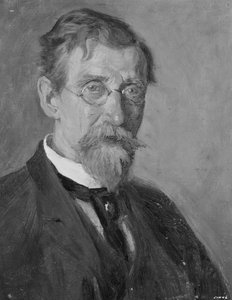
トーマス・クレメント・スティール
1847 - 1926 , アメリカ合衆国
基本情報
- Artistic Movement Or Style: 印象派
- Artists Who Influenced This Artist: ['フランス印象派']
- Date Of Birth: September 11, 1847
- Date Of Death: July 24, 1926
- Full Name: Theodore Clement Steele
- Nationality: アメリカ人
- Notable Artworks:
- インディアン・サマー
- アーティストの庭
- Place Of Birth: Owen County, USA
関連記事
ジェームズ・マクニール・ホイストラー:至高の25選 - 美と調和を求めた芸術家の軌跡 | ArtsDot
ジェームズ・マクニール・ホイストラーの至高の25選。ノクターン、印象派、美しい色彩に満ちた作品群を紐解きます。ArtsDotで高品質なアートプリントとインテリアをお楽しみください。名画の世界へ – ArtsDot.com
Sir Alfred Munnings' Masterpieces: 25 Paintings That Define Equine Art | ArtsDot
Explore 25 iconic Sir Alfred Munnings paintings! Discover the beauty of British Impressionism, equine art & rural England. Find museum-quality reproductions and elevate your home decor with ArtsDot. Explore the full collection online.
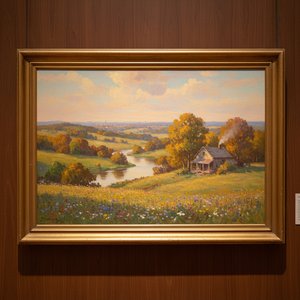
Theodore Clement Steele: American Impressionism's Hoosier Visionary – A Comprehensive Exploration of Life, Art, and Legacy
Explore the life & art of Theodore Clement Steele, a leading American Impressionist painter. Discover his luminous Indiana landscapes, contributions to the Hoosier Group, and enduring legacy. A comprehensive guide for art enthusiasts.
Impressionism's Masterpieces: 10 Paintings That Defined a Movement | ArtsDot
Journey through Impressionism's heart with 10 iconic paintings by Monet, Renoir & Degas. Explore light, color & the stories behind these masterpieces. Find museum-quality art reproductions and elevate your home decor on ArtsDot.com.
光と色彩の彼方:知的な収集家のための印象派とポスト印象派
印象派とポスト印象派の傑作を深く理解し、知的なコレクションを築くための情報を提供。ArtsDotでは、高品質な油絵複製やカスタムアートをご用意。専門家が最適な作品選びをお手伝いします。