

 プリントを購入
 シェアする
シェアする シェアする
シェアする
 詳細を見る
詳細を見る

 ダウンロード
 似ている作品
 スライドショー
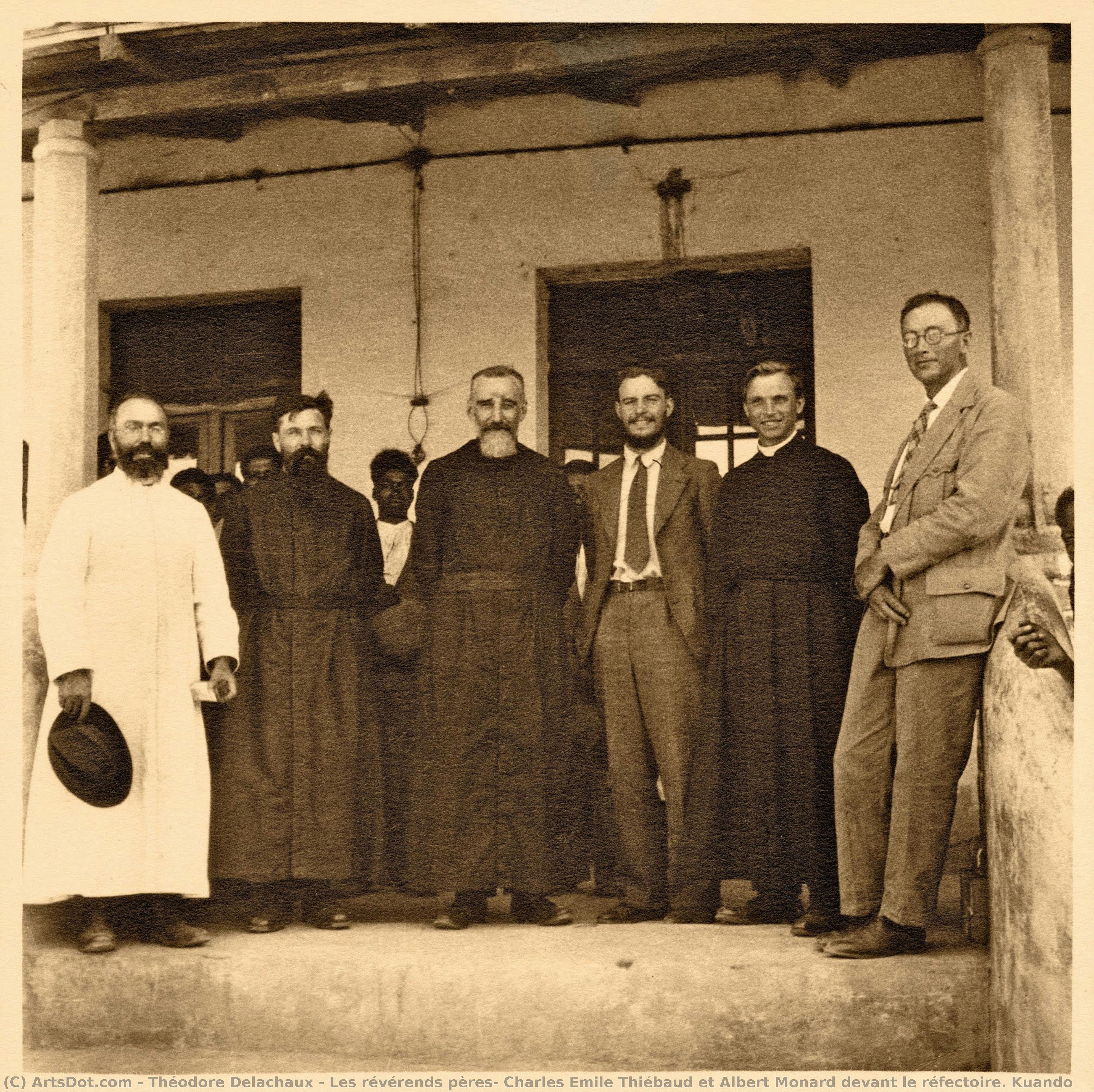
Les révérends pères, Charles Emile Thiébaud et Albert Monard devant le réfectoire. Kuando
 Black and White Photography
- Photo
 1933
1933- Modern
 17.0 x 17.0 cm
 Musée d'ethnographie de Neuchâtel
 詳細を見る
詳細を見る




































作品のオリジナル比率に合わせた、当店の規定サイズからお選びください。

特定のフレームやスペースに合わせて、ご希望のサイズをご入力いただけます。選択されたサイズが元の画像の比率と異なる場合、アートワークをトリミングするか、手描きで要素を追加して絵画を拡張いたします。デジタルモックアップ を制作し、制作開始前にご確認(承認)をいただきます。
画面上のプレビューは、実際のトリミングや拡張を正確に反映しているものではありません。最終的な構図は、モックアップによってのみ正確にご確認いただけます。
カスタムサイズもご利用いただけますが、元の比率を維持するためには、あらかじめ用意されたリストからサイズを選択することをお勧めいたします。
ご注文後、ArtsDot.com チームより詳細な指示をお送りするとともに、仕上がりイメージ(モックアップ)をご提供いたします。


 ガラスオプションは、110cm未満のサイズでのみご利用いただけます。

Les révérends pères, Charles Emile Thiébaud et Albert Monard devant le réfectoire. Kuando
複製技法
複製画のサイズ
-


合計金額
$ 263
作品解説
A Window into the Past: The Silent Dignity of Kuando
In this evocative black and white photograph from 1933, titled Les révérends pères, Charles Emile Thiébaud et Albert Monard devant le réfectoire. Kuando, the lens of Théodore Delachaux captures a moment frozen in time, offering much more than a mere historical record. The image presents a formal assembly of nine men, likely members of a religious order, posed with a solemnity that speaks to the gravity of their vocation and the era in which they lived. Dressed in the sharp, structured suits and ties characteristic of the early twentieth century, some adorned with hats, the group stands before a stone edifice that exudes an air of permanence and monastic quietude. The composition is anchored by the architectural weight of the building, where a clock mounted upon the wall serves as a poignant symbol of the relentless passage of time, contrasting the eternal nature of their spiritual mission with the fleeting moment captured by the camera.
The artistry of Delachaux lies in his ability to transform a documentary subject into a profound study of light, shadow, and human presence. Through the medium of monochrome photography, the textures of the stone walls and the fine fabrics of the men's attire are rendered with a tactile clarity that invites the viewer to step into the scene. The interplay of light across the group creates a sense of depth, pulling the eye from the figures in the foreground toward the subtle details of the doorway and the periphery. This technique imbues the photograph with a cinematic quality, suggesting a narrative that extends far beyond the frame—a story of faith, community, and the quiet rhythms of life in Kuando.
For the discerning collector or interior designer, this piece offers an unparalleled opportunity to introduce a sense of historical depth and intellectual sophistication into a space. The photograph’s monochromatic palette makes it a versatile choice for various decor styles, from the minimalist elegance of a modern gallery-inspired room to the rich, layered textures of a classic study or library. It serves as a conversation starter, prompting reflections on heritage, the evolution of social customs, and the enduring power of the photographic medium. Owning a high-quality reproduction of this work is not merely about acquiring an image; it is about preserving a fragment of history and bringing the dignified, contemplative atmosphere of 1933 into the contemporary home.
関連作品

アーティストの略歴
初期の生涯と芸術的基盤
1879年5月21日、スイスの美しい街インターラーケンに生を受けたテオドール・デラショーは、芸術的表現と学術的探求が深く結びついた人生を歩みました。彼の形成期はスイスの風景美に浸っており、その環境は後の作品に、繊細ながらも深遠な影響を与えることとなります。デラショーの初期の修行は、パリの権威あるエコール・デ・ボザールで行われました。当時は様式が大きく変遷する過渡期であり、志高い芸術家たちが集う試練の場でもありました。印象派やポスト印象派、そして芽生えつつあったモダニズムの潮流に触れたパリのアート界での経験が、彼独自の芸術的ヴィジョンの礎を築いたのです。
しかし、デラショーの歩みは絵画のみに捧げられたものではありませんでした。彼は芸術への情熱を教育というキャリアに見事に融合させ、ヌーシャテルのギムナジウムでデッサン教授を務めました。この二重の役割は、彼の広範な知的好奇心と、視覚文化に対する知識や鑑賞眼を共有したいという願いを物語っています。また、それは観察に対する方法論的なアプローチをも示唆しています。この観察眼こそが、芸術的な表現のみならず、後の彼の活動を定義づけることになる緻密な記録作業において、極めて重要なスキルとなったのです。
アンゴラにおける民族誌的研究:人生の焦点
デラショーのキャリアにおける決定的な瞬間は、1921年にヌーシャテル民族学博物館の学芸員に就任した時に訪れました。この任命は単なる職業的なステップではなく、彼の人生と芸術的試みの軌跡を形作ることになる「天職」でした。博物館は非ヨーロッパ文化に焦点を当てており、デラモショーは瞬く間にそのコレクション、特にアフリカに関連する資料の世界へと没入していきました。
1932年、デラショーは第二次スイス・アンゴラ科学調査団に参加しました。この旅は、彼の人生を決定づける経験となりました。1933年12月までの約2年間にわたり、彼はアンゴラの様々な共同体の文化と伝統を丹念に記録していきました。植民地時代に行われた多くの民族誌的な試みとは異なり、デラショーの仕事は、出会った人々に対する純粋な好奇心と敬意によって突き動かされていたようです。彼の写真、とりわけそれらは、日常生活、儀式、手仕事、そして社会構造を垣間見ることができる稀有な窓となっています。
芸術的スタイルとドキュメンタリー的手法
デラショーの芸術的スタイルは、写実性を強く重視した具象的なものと表現するのが最も適切でしょう。過度に表現主義的であったり実験的であったりするわけではありませんが、彼の絵画や写真には、静かな尊厳と感性が宿っています。白黒写真は、細部の明晰さと構図のバランスにおいて特に際立っています。彼は劇的な照明や扇情的な演出を避け、被写体である人々やその習俗が、自ら語りかけてくるような、率直なアプローチを選択しました。
彼の作品は、外部から物語を押し付けるのではなく、むしろ観察した事実を忠実に記録することに主眼がありました。このドキュメンタリーとしての衝動は、籠編みなどの伝統的な工芸、農業の実践、そして儀礼用の装束の描写に顕著に表れています。彼はアンゴラでの生活の「何が」行われているかだけでなく、世代を超えて受け継がれてきた複雑な技術という「いかにして」をも捉えたのです。
遺産と歴史的意義
テオドール・デラショーは1949年に亡くなるまでヌーシャテル民族学博物館の学芸員を務め続け、学者や芸術愛好家から今なお高く評価される膨大な作品群を遺しました。彼の写真は歴史的な重要性が極めて高く、アフリカに対するより一般的な植民地主義的な描写に対し、貴重な対抗軸を提示しています。
専門的な領域の外では広く知られていないかもしれませんが、デラショーの貢献は、敬意と正確さを持って文化的多様性を記録しようとしたその献身にあります。彼は芸術的実践と学術的研究をシームレスに融合させた芸術家の模範であり、歴史の転換期におけるアンゴラ文化の豊かさと複雑さに光を当てる、唯一無二の作品群を創り上げたのです。
- 主要なテーマ: 民族誌、文化記録、アフリカの生活、伝統工芸、スイス美術。
- 影響を受けたもの: エコール・デ・ボザールでの修行、印象派およびポスト印象派への接触、ヌーシャテルの知的環境。
- 主な業績: ヌーシャテル民族学博物館の学芸員、第二次スイス・アンゴラ科学調査団への参加、アンゴラ文化を記録した重要な写真アーカイブの構築。
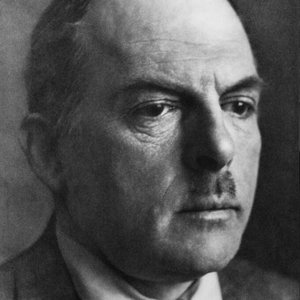
テオドール・デラショー
1879 - 1949 , スイス
基本情報
- Artistic Movement Or Style: 民族誌的研究
- Date Of Birth: 1879年5月21日
- Date Of Death: 1949年
- Full Name: テオドール・デラショー
- Nationality: スイス
- Notable Artworks:
- Jeune fille kwanyama pendant l
- Femme humbe confectionnant un grand panier à grain. Kâmba
- Chasse au rhinocéros
- Place Of Birth: スイス、インターラーケン
関連記事

White on Canvas: 10 Masterpieces & Timeless Elegance for Your Home Decor
Explore 10 iconic white paintings by Monet, Whistler & Rothko! Discover the stories behind these serene masterpieces and their impact on art history. Find museum-quality reproductions for your home decor at .

Dark Masterpieces: 10 Iconic Paintings Dominated by Black Tones |
Explore 10 iconic paintings dominated by black tones, from Rembrandt’s chiaroscuro to Goya's dark expressions. Discover the stories behind these masterpieces & find museum-quality art reproductions for your home at .

Monochrome Visions: Exploring the Aesthetic & Historical Significance of Black & White Photography
Explore the rich history & artistic power of black and white photography. From early techniques to iconic masters like Ansel Adams, discover why monochrome continues to captivate art lovers today. Expert insights for collectors.
白黒の静寂:写真から生まれる古典絵画の世界 - ミニマリズムと光の芸術 | ArtsDot
ArtsDotで、思い出の写真を感動的な絵画に。熟練のアーティストが手作業で古典絵画のような美を再現します。高品質な油絵レプリカやカスタム肖像画で、あなたの空間を芸術的に彩りませんか?無料アート相談も実施中。
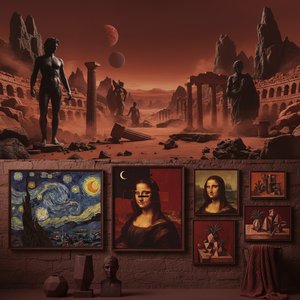
Mars Black Masterpieces: 10 Iconic Paintings & Timeless Art Decor Ideas
Delve into the power of 'Mars Black' with 10 iconic paintings by masters like Rembrandt & Caravaggio. Explore dramatic chiaroscuro, gothic art, and timeless beauty. Find museum-quality reproductions & elevate your home decor on .

