

 プレビュー
プレビュー
 プリントを購入
 シェアする
シェアする シェアする
シェアする
 詳細を見る
詳細を見る

 ダウンロード
 似ている作品
 X線調査
X線調査 スライドショー
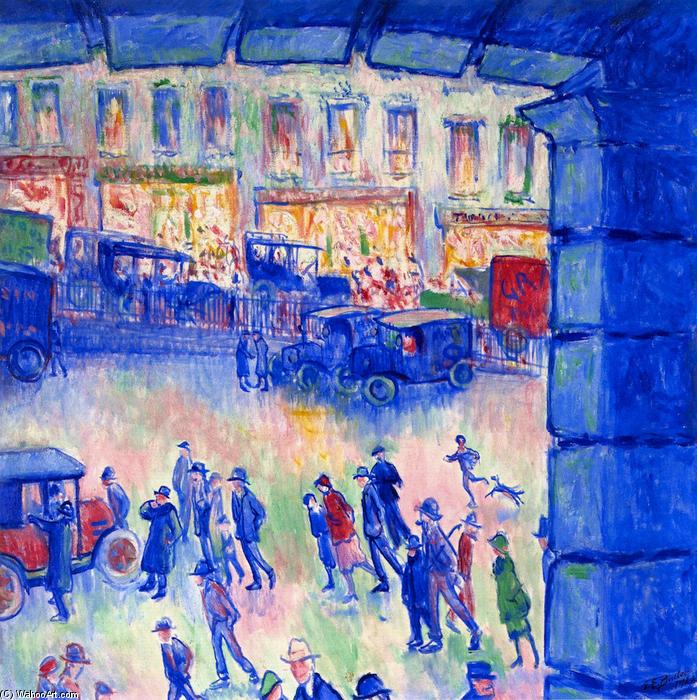
La Cour de Rome et la Gare Sant-Lazare

 詳細を見る
詳細を見る




































作品のオリジナル比率に合わせた、当店の規定サイズからお選びください。

特定のフレームやスペースに合わせて、ご希望のサイズをご入力いただけます。選択されたサイズが元の画像の比率と異なる場合、アートワークをトリミングするか、手描きで要素を追加して絵画を拡張いたします。デジタルモックアップ を制作し、制作開始前にご確認(承認)をいただきます。
画面上のプレビューは、実際のトリミングや拡張を正確に反映しているものではありません。最終的な構図は、モックアップによってのみ正確にご確認いただけます。
カスタムサイズもご利用いただけますが、元の比率を維持するためには、あらかじめ用意されたリストからサイズを選択することをお勧めいたします。
ご注文後、ArtsDot.com チームより詳細な指示をお送りするとともに、仕上がりイメージ(モックアップ)をご提供いたします。


 ガラスオプションは、110cm未満のサイズでのみご利用いただけます。

La Cour de Rome et la Gare Sant-Lazare
複製技法
複製画のサイズ
-


合計金額
$ 263
関連作品



アーティストの略歴
A Life Immersed in Impressionism
Theodore Earl Butler, born in Columbus, Ohio, in 1861, embarked on a journey that would inextricably link his name to the heart of the French Impressionist movement. While often remembered as the husband of Suzanne Hoschedé-Monet, Claude Monet’s stepdaughter and frequent model, Butler was far from simply an associate; he was a gifted painter in his own right, deeply influenced by, yet distinct within, the artistic milieu of Giverny. His story is one of transatlantic artistic exchange, familial connection, and a dedication to capturing the fleeting beauty of everyday life. Butler’s early artistic inclinations were nurtured locally in Columbus under the guidance of Albert C. Fauley before he ventured east to New York City in 1882, enrolling at the Art Students League. There, he studied with William Merritt Chase, a pivotal figure who championed Impressionist principles within the American art world. This foundational training instilled in him a commitment to capturing light and atmosphere, setting the stage for his eventual immersion into the Parisian avant-garde.Parisian Studies and the Allure of Giverny
The pull of Europe proved irresistible, and Butler soon found himself in Paris, diligently honing his skills at various private academies, including La Grande-Chaumière and Académie Julian. He absorbed the influences of established masters like Jean-Léon Gérôme while also developing an appreciation for the more unconventional vision of James Abbott McNeill Whistler. His talent began to garner recognition with an honorable mention at the Paris Salon in 1888 for “La Veuve” (The Widow), a work that hinted at the sensitivity and observational skill he would further refine. However, it was his arrival in Giverny in 1888 that truly defined his artistic trajectory. The village, already becoming synonymous with Claude Monet’s revolutionary paintings, offered an environment of unparalleled creative energy. He quickly integrated into the community, befriending Monet and becoming a regular presence at Hotel Baudy, the favored lodging for artists drawn to Giverny's idyllic charm. This proximity fostered not only a deep friendship but also a profound artistic dialogue that would shape Butler’s style for years to come.A Family Within the Movement
Butler’s life took an even more significant turn in 1892 with his marriage to Suzanne Hoschedé, Monet's stepdaughter and a beloved figure frequently depicted in Monet’s canvases. This union cemented his place within the inner circle of Impressionism, granting him unique access to Monet’s techniques, philosophies, and daily life. He became a vital link between the American artists flocking to Giverny and the master himself, facilitating an exchange of ideas that enriched both communities. Following Suzanne's untimely death in 1899, Butler continued to reside in Giverny, later marrying her sister, Marthe Hoschedé, further solidifying his connection to the family and the artistic legacy they represented. This period saw a shift in his subject matter; he increasingly focused on intimate depictions of his children, Jimmy and Lilly, creating tender series like “The Bath” and “After the Bath,” capturing fleeting moments of childhood innocence with remarkable sensitivity.Artistic Style and Legacy
Butler’s artistic style was deeply rooted in Impressionism, characterized by vibrant colors, loose brushstrokes, and a dedication to portraying the ephemeral effects of light. However, his work also reveals subtle Post-Impressionist tendencies, particularly in his use of color and composition, hinting at influences from artists like Édouard Vuillard and Pierre Bonnard. He wasn’t afraid to experiment with techniques reminiscent of Pointillists Georges Seurat and Paul Signac, adding layers of complexity to his canvases. His subjects were often drawn from the domestic sphere – scenes of family life, friends gathered in conversation, or quiet moments of contemplation – alongside landscapes depicting the picturesque French countryside and iconic Giverny landmarks like the church, haystacks, and grain stacks. Theodore Earl Butler’s contribution to American Impressionism is significant. He not only helped popularize the movement but also provided a unique perspective on domesticity within its context. His intimate portrayals of family life offer valuable insights into the social fabric of the era, while his landscapes capture the enduring beauty of Giverny. Today, his works are celebrated for their technical skill, emotional resonance, and historical importance, ensuring that his place in art history is secure. He died in 1936 leaving behind a legacy as an artist who beautifully bridged two worlds – American ambition and French Impressionist innovation.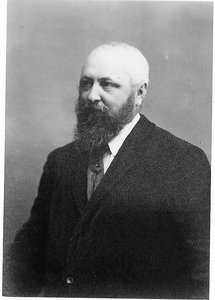
Theodore Earl Butler
1861 - 1936 , United States of America
基本情報
- Artistic Movement Or Style: Impressionism
- Artists Or Movements Influenced By This Artist:
- Monet
- Post-Impressionism
- Artists Who Influenced This Artist:
- Whistler
- Gérôme
- Date Of Birth: 1861
- Date Of Death: 1936
- Full Name: Theodore Earl Butler
- Nationality: American
- Notable Artworks:
- La Veuve
- Lili in Monet's Garden
- Interior after Dinner
- The Cards Players
- Place Of Birth: Columbus, USA

