

 プレビュー
プレビュー
 シェアする
シェアする シェアする
シェアする
 詳細を見る
詳細を見る

 ダウンロード
 似ている作品
 X線調査
X線調査 スライドショー
 Stats
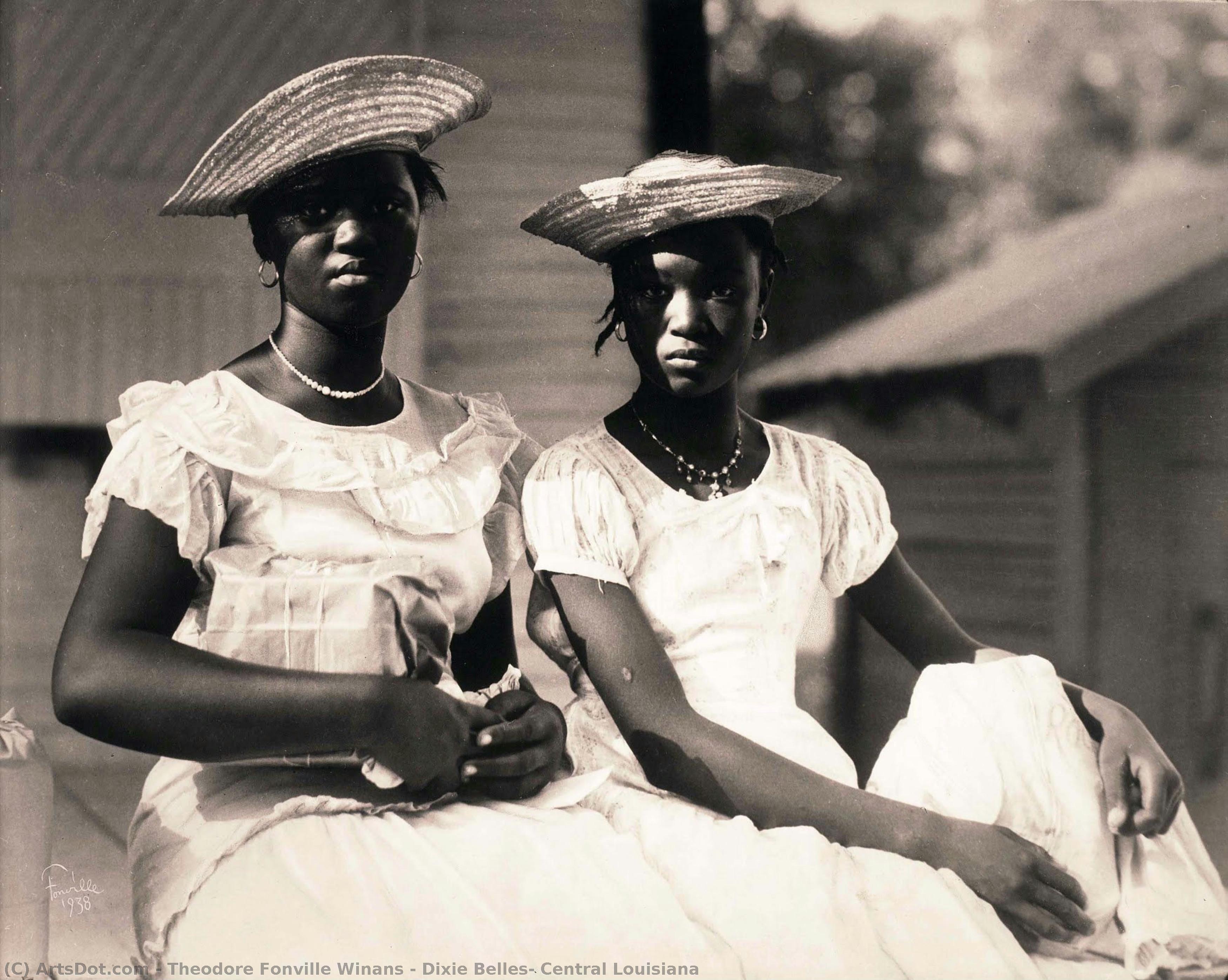
StatsDixie Belles, Central Louisiana


 詳細を見る
詳細を見る
ジークレー/アートプリント
迅速な制作と多彩な仕上げオプションを備えた、ミュージアムクオリティのジークレーまたはキャンバスプリント。 ( 手描きの絵画を購入 Switch to Digital Image)




































作品のオリジナル比率に合わせた、当店の規定サイズからお選びください。

特定のフレームやスペースに合わせて、ご自身でサイズを指定することも可能です。選択されたサイズが元の画像の比率と一致しない場合、作品をトリミングするか、鏡面反射または単色での塗りつぶしによって画像を拡張いたします。制作を開始する前に、ご確認用のデジタルモックアップをお送りいたします。
画面上のプレビューには、実際のトリミングや拡張は反映されませんのでご注意ください。最終的な構図を正確に確認できるのは、モックアップのみとなります。
カスタムサイズも承っておりますが、元の比率を維持するためには、あらかじめ用意されたリストからサイズを選択することをお勧めいたします。


 ガラスオプションは、110cm未満のサイズでのみご利用いただけます。

Dixie Belles, Central Louisiana
ジークレー/アートプリント
複製画のサイズ
-


合計金額
$ 62
関連作品




アーティストの略歴
Early Life and Photographic Beginnings
Theodore Fonville Winans, born August 22, 1911, in Mexico, Missouri—a town nestled deep within the Ozarks—was shaped by a childhood steeped in rural American tradition. His father, Lawrence Winans, was an engineer who instilled in young Theodore a fascination with precision and observation. Ruth Fonville, his mother, nurtured his artistic sensibilities. As a senior in high school, Winans embarked on a formative journey when he purchased his first camera—a Kodak Brownie Model A—a decision that would irrevocably alter the trajectory of his life and artistic vision. This seemingly simple act ignited an intense interest in photography, fueled by a serendipitous $15 prize awarded for winning a local contest. It was this initial success that solidified Winans’ determination to pursue photography as a vocation, marking the genesis of a career dedicated to capturing the essence of Louisiana landscapes and its people.Louisiana: A Landscape Captured
Winans' relocation to Louisiana in 1928—following his father’s employment at Morgan City Oil Refinery—proved to be pivotal. Immediately captivated by the state’s unique environment, he began documenting its southern swamps and grassy coastal wetlands with a passion that would define his artistic output. Influenced profoundly by the writings of Ben Forkner—particularly Forkner's astute observation on Louisiana’s “island culture”—Winans recognized the importance of portraying Louisiana as an isolated enclave resisting the homogenizing forces of modernity. He famously described Louisiana as "my Africa," referencing its rugged terrain and sparse population, capturing a spirit of self-sufficiency and resilience that resonated deeply within his photographic gaze. Winans' images from this period stand apart for their humanist warmth—a testament to his ability to convey dignity amidst challenging circumstances. The photographer’s eye meticulously recorded the daily lives of Cajun fishermen, moss gatherers, and other inhabitants of Louisiana’s wetlands, presenting a vibrant tableau of rural American life.Notable Works and Artistic Style
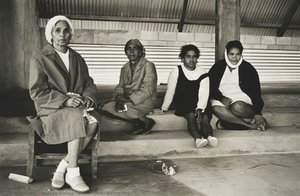
Winans' photographic oeuvre gained considerable renown through publications like “Bayous of Louisiana” by Harnett T. Kane (1943) and “Rushton’s The Cajuns” by William Faulkner (1979), cementing his place as a chronicler of Louisiana culture. His images were featured prominently in the 1995 book *Fonville Winans’ Louisiana: Politics, People, and Places*, accompanied by forewords from James Carville and C.C. Lockwood—a testament to his enduring influence on Louisiana photography. Among his most celebrated works is “Dixie Belles,” Central Louisiana—a hauntingly beautiful photograph housed in the Ogden Museum of Southern Art—which exemplifies Winans’ masterful ability to distill time and place into a single image. His photographs from LSU campus, published in the Reveille student newspaper and yearbook Gumbo, further solidified his connection with Louisiana's educational landscape. Winans favored black-and-white photography, employing a technique characterized by meticulous attention to detail and tonal gradation—a stylistic choice that enhanced the dramatic impact of his compositions and underscored his commitment to conveying emotion through visual form.Legacy and Recognition
Theodore Fonville Winans’ dedication to documenting Louisiana's cultural heritage earned him recognition as a pivotal figure in American photography. His studio was inducted into the National Register of Historic Places in 1999, honoring his contribution to preserving Louisiana’s visual history. Furthermore, Winans’ work continues to inspire artists and scholars alike—a testament to the enduring power of his artistic vision. His legacy resides not merely in the images themselves but also in their ability to transport viewers back to a bygone era—a time when Louisiana retained its distinctive character and identity amidst the encroaching currents of globalization.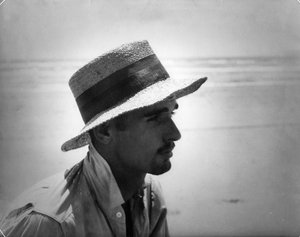
theodore fonville winans
1911 - 1992 , United States of America
基本情報
- Artistic Movement Or Style: Documentary photography
- Artists Or Movements Influenced By This Artist: ['Louisiana Photography']
- Artists Who Influenced This Artist: ['Ben Forkner']
- Date Of Birth: August 22, 1911
- Date Of Death: September 13, 1992
- Full Name: Theodore Fonville Winans
- Nationality: American
- Notable Artworks: ['Dixie Belles, Central Louisiana']
- Place Of Birth: Mexico City, United States of America