 プレビュー
プレビュー
 プリントを購入
 シェアする
シェアする シェアする
シェアする
 詳細を見る
詳細を見る

 ダウンロード
 似ている作品
 X線調査
X線調査 スライドショー
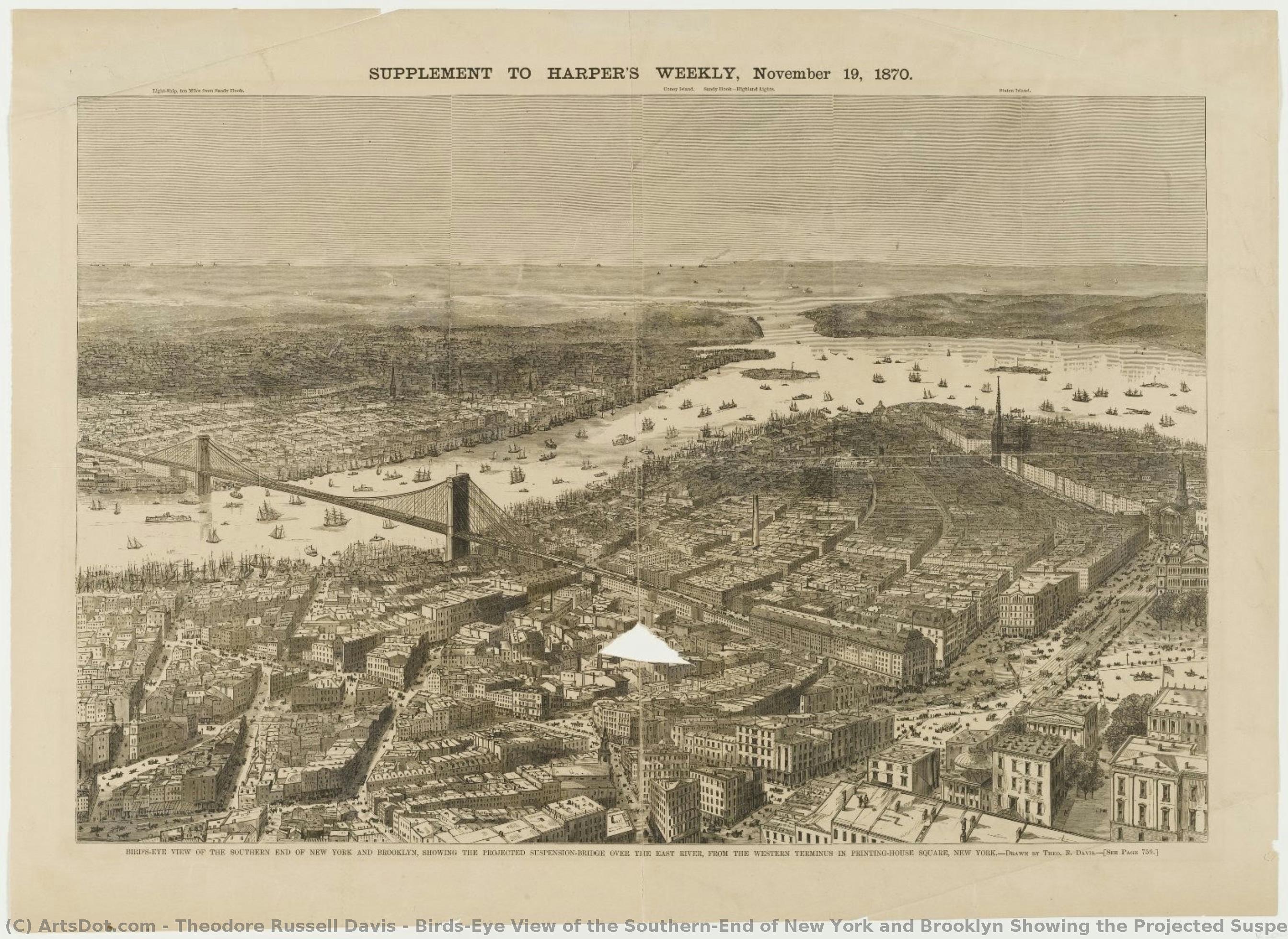
Birds-Eye View of the Southern-End of New York and Brooklyn Showing the Projected Suspension-Bridge Over the East River from the Western Terminus in Printing House Square, New York


 詳細を見る
詳細を見る




P118B $10

P118H $10

P118W $10

P438Z $10

P508JH $12

P508YH $12

P805H $10

P805Z $10

P919BZ $10

P919G $10

P919XJ $10

P959ZH $10

P968JZ $12

W106C $8

W218G $10

W218JH $8

W218Y $10

W307PJ $10

W316G $10

W316PJ $8

W316Y $10

W398PJ $8

W4111J $10

W500HY $15

W500JH $15

W692G $12

W849H $8

W940BG $15

W953PJ $8




作品のオリジナル比率に合わせた、当店の規定サイズからお選びください。

特定のフレームやスペースに合わせて、ご希望のサイズをご入力いただけます。選択されたサイズが元の画像の比率と異なる場合、アートワークをトリミングするか、手描きで要素を追加して絵画を拡張いたします。デジタルモックアップ を制作し、制作開始前にご確認(承認)をいただきます。
画面上のプレビューは、実際のトリミングや拡張を正確に反映しているものではありません。最終的な構図は、モックアップによってのみ正確にご確認いただけます。
カスタムサイズもご利用いただけますが、元の比率を維持するためには、あらかじめ用意されたリストからサイズを選択することをお勧めいたします。
ご注文後、ArtsDot.com チームより詳細な指示をお送りするとともに、仕上がりイメージ(モックアップ)をご提供いたします。


 ガラスオプションは、110cm未満のサイズでのみご利用いただけます。

Birds-Eye View of the Southern-End of New York and Brooklyn Showing the Projected Suspension-Bridge Over the East River from the Western Terminus in Printing House Square, New York
複製技法
複製画のサイズ
-


合計金額
$ 263
A Frozen Moment in Progress: Theodore Russell Davis’s “Birds-Eye View of New York”
Theodore Russell Davis's "Birds-Eye View of the Southern-End of New York and Brooklyn Showing the Projected Suspension-Bridge Over the East River from the Western Terminus in Printing House Square, New York," painted in 1870, isn’t merely a cityscape; it’s a meticulously captured slice of ambition and nascent modernity. More than just a depiction of a burgeoning metropolis, this black and white engraving offers a poignant glimpse into a pivotal moment – the very cusp of New York City's transformation from a largely low-rise collection of buildings to the towering skyline we recognize today. Davis’s work transcends simple documentation; it embodies the optimism and engineering marvel that defined the late 19th century, a time when the promise of rapid advancement seemed boundless.
The scene unfolds with remarkable detail, rendered in a style firmly rooted in the Beaux-Arts tradition – an aesthetic characterized by its emphasis on classical forms, precise lines, and a commitment to academic accuracy. Yet, Davis’s skill lies not just in replicating reality but in imbuing it with a sense of dynamism. The composition is carefully balanced, drawing the eye across the canvas from the densely packed buildings of Printing House Square – the heart of New York's publishing industry – towards the distant, almost ethereal outline of the Brooklyn Bridge. The artist’s use of shading and perspective creates an illusion of depth, making the viewer feel as though they are standing on a rooftop overlooking this vibrant urban landscape.
A City in Transition: The Context of 1870
To truly appreciate “Birds-Eye View,” one must understand the historical context surrounding its creation. New York City in 1870 was experiencing an unprecedented surge in population and economic growth, fueled by waves of immigration and industrial innovation. The city’s infrastructure was struggling to keep pace with this rapid expansion, leading to a chaotic mix of horse-drawn carriages, pedestrians, and burgeoning waterways. The construction of the Brooklyn Bridge, a monumental engineering feat spearheaded by John A. Roebling, represented a bold declaration of progress – a symbol of connectivity and technological prowess that would fundamentally alter the city’s spatial relationships.
Davis's decision to focus on this specific vantage point—Printing House Square—is significant. This area was the epicenter of New York’s publishing industry, home to numerous newspapers and printing firms. The engraving subtly reflects the importance of this sector, with the prominent buildings representing the heart of the city’s communication network. The inclusion of boats in the East River further emphasizes the vital role of waterways in facilitating trade and transportation – a crucial element of New York's economic vitality.
Symbolism and the Promise of the Future
Beyond its documentary value, “Birds-Eye View” is rich in symbolism. The projected suspension bridge itself represents more than just a physical structure; it embodies the spirit of innovation and the belief in limitless possibilities. The bridge’s elegant arc cuts diagonally across the composition, creating a visual pathway that connects the bustling city center with the distant shores of Brooklyn. This gesture suggests a future of seamless connectivity and expanded horizons – a vision of New York as a dynamic, interconnected metropolis.
Furthermore, the numerous figures depicted in the streets below—pedestrians, horse-drawn carriages, and street vendors—represent the vibrant pulse of urban life. Davis captures not just the physical landscape but also the social fabric of the city, conveying a sense of energy and activity that is both captivating and slightly overwhelming. The scene feels poised on the brink of something new, a moment of transition between the familiar and the unknown.
A Timeless Masterpiece: Reproduction and Legacy
Today, “Birds-Eye View” stands as a remarkable testament to Theodore Russell Davis’s artistic skill and his keen eye for capturing pivotal moments in American history. Hand-painted reproductions offer an exceptional opportunity to bring this iconic image into your home or office, allowing you to appreciate its intricate details and evocative atmosphere. Whether displayed as a statement piece in a contemporary interior or studied alongside historical documents, this engraving continues to resonate with viewers today, reminding us of New York City’s remarkable journey from a humble settlement to the global powerhouse it is known to be.
関連作品
アーティストの略歴
Theodore Russell Davis: Witness to History Through Detailed Observation
Theodore Russell Davis (1840-1894) stands as a remarkable figure in American art history, primarily recognized for his unparalleled ability to capture pivotal moments of the Civil War era and its immediate aftermath. Born into Boston’s prominent Brahmin family—a lineage steeped in tradition and intellectual rigor—Davis possessed an innate fascination with visual representation from a young age. His upbringing instilled within him a deep appreciation for meticulous detail and artistic craftsmanship, qualities that would become hallmarks of his oeuvre. This foundation of discipline allowed him to approach the canvas not merely as a creator of beauty, but as a chronicler of truth.
Davis pursued formal artistic training, honing his skills through diligent study and experimentation. He embraced the prevailing Beaux Arts style prevalent during his time, characterized by academic precision and classical ideals. This stylistic influence is evident in many of his landscapes and architectural renderings, demonstrating a commitment to mastering established techniques. However, Davis’s true genius lay not merely in replicating artistic conventions but in transforming them into powerful instruments for conveying historical truth. His work often bridged the gap between fine art and journalistic documentation, providing a window into a fractured nation.
A Legacy of Eyewitness Observation
Davis's fame rests almost entirely upon his extraordinary series of drawings documenting the American Civil War. Unlike many artists of his generation who idealized conflict or focused on heroic narratives, Davis approached the war with a scientist’s eye—a dedication to accurate observation and meticulous recording. He tirelessly traveled alongside Union armies, sketching scenes of encampments, battles, and daily life, producing images that are remarkably detailed and emotionally resonant. His work serves as a vital primary source for historians seeking to understand the visceral reality of 19th-century warfare.
His magnum opus, “The Army of the Potomac – A Sharp Shooter on Picket Duty,” exemplifies this approach perfectly. Executed with remarkable precision, the drawing captures not only the physical environment but also the psychological tension inherent in the soldier's experience. Through his lens, we see:
- The Human Element: The quiet, often grueling moments of infantry life that are frequently omitted from grander historical paintings.
- Topographical Accuracy: A landscape rendered with such fidelity that it serves as a map of the era's most contested terrains.
- Atmospheric Tension: The use of light and shadow to convey the uncertainty and dread of the battlefield.
Historical Significance and Artistic Impact
The significance of Theodore Russell Davis lies in his refusal to look away from the raw, unvarnished truth of his era. While his contemporaries might have sought to create romanticized legends of the American spirit, Davis sought to document the actual mechanics of history. His ability to blend the technical rigor of the Beals Arts tradition with the urgent necessity of wartime reportage created a unique niche in American art. He did not just paint scenes; he preserved moments that were rapidly vanishing into the fog of war.
Today, his contributions are recognized as essential components of the American historical record. His meticulous sketches and drawings offer a profound sense of presence, allowing modern viewers to stand alongside the soldiers of the 1860s. Through his disciplined hand and observant eye, Davis ensured that the complexities, the hardships, and the quiet tragedies of the Civil War era would remain etched in the visual memory of the world.

theodore russell davis
1840 - 1894 , United States of America
基本情報
- Artistic Movement Or Style: Eyewitness art
- Date Of Birth: 1840
- Full Name: Theodore Russell Davis
- Nationality: American
- Notable Artworks:
- Army of the Potomac–A Sharp-Shooter on Picket Duty
- Birds-Eye View of New York
- Place Of Birth: Boston, United States
関連記事
Charles Marion Russell: Capturing the American West Through a Romantic Lens
Explore the captivating world of Charles Marion Russell, 'the cowboy artist.' Discover his life, iconic paintings, advocacy for Native Americans, and investment potential. A guide for discerning art collectors.
Urban Visions: A Historical & Artistic Exploration of the Cityscape in Painting
Explore the evolution of cityscape painting from historical maps to Impressionist masterpieces. Discover artists like Caillebotte, Utrillo & Matsumoto Shunsuke. Find museum-quality reproductions at ArtsDot.

ポール・セザンヌ:至高の25選 - 傑作と革新の軌跡 | ArtsDot
ポール・セザンヌの至高の25選。ポスト印象派を代表する画家、セザンヌの傑作と革新的な技法を紐解きます。ArtsDotで高品質な複製画やインテリアアートを見つけ、芸術の世界をご自宅に。今すぐコレクションをご覧ください。
Urban Visions: A Historical & Artistic Exploration of the Cityscape in Painting
Explore the evolution of cityscape painting from historical maps to Impressionist masterpieces. Discover artists like Caillebotte & Utrillo. Find museum-quality reproductions at ArtsDot.
Berenice Abbott: Documenting a Changing America Through Photographic Vision
Explore the groundbreaking work of Berenice Abbott, a pioneer of documentary photography. Discover her iconic images of New York City, portraits, and scientific studies. Learn about her unique style & lasting legacy at ArtsDot.