

 プレビュー
プレビュー
 プリントを購入
 シェアする
シェアする シェアする
シェアする
 詳細を見る
詳細を見る

 ダウンロード
 似ている作品
 X線調査
X線調査 スライドショー
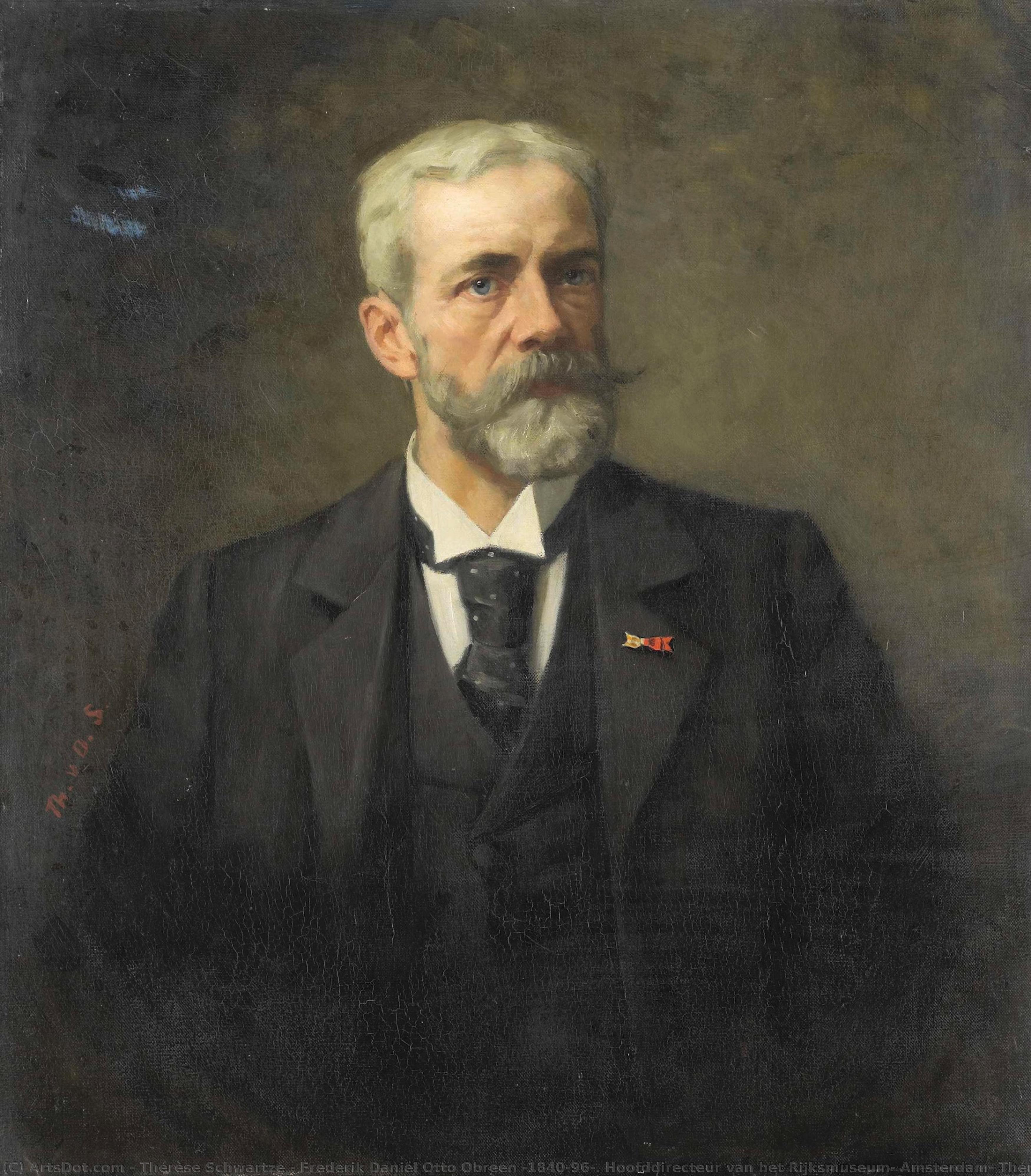
Frederik Daniël Otto Obreen (1840-96). Hoofddirecteur van het Rijksmuseum, Amsterdam, Thérèse Schwartze, 1883 - 1896
 1896
1896 88.0 x 80.0 cm
 詳細を見る
詳細を見る




































作品のオリジナル比率に合わせた、当店の規定サイズからお選びください。

特定のフレームやスペースに合わせて、ご希望のサイズをご入力いただけます。選択されたサイズが元の画像の比率と異なる場合、アートワークをトリミングするか、手描きで要素を追加して絵画を拡張いたします。デジタルモックアップ を制作し、制作開始前にご確認(承認)をいただきます。
画面上のプレビューは、実際のトリミングや拡張を正確に反映しているものではありません。最終的な構図は、モックアップによってのみ正確にご確認いただけます。
カスタムサイズもご利用いただけますが、元の比率を維持するためには、あらかじめ用意されたリストからサイズを選択することをお勧めいたします。
ご注文後、ArtsDot.com チームより詳細な指示をお送りするとともに、仕上がりイメージ(モックアップ)をご提供いたします。


 ガラスオプションは、110cm未満のサイズでのみご利用いただけます。

Frederik Daniël Otto Obreen (1840-96). Hoofddirecteur van het Rijksmuseum, Amsterdam, Thérèse Schwartze, 1883 - 1896
複製技法
複製画のサイズ
-


合計金額
$ 263
関連作品






アーティストの略歴
The Master of Character: The Life and Legacy of Thérèse Schwartze
In the vibrant, shifting landscape of late 19th-century Dutch art, few figures commanded as much respect and social prestige as Thérèse Schwartze. Born in Amsterdam on December 20, 1851, she was a woman who navigated the male-dominated corridors of the art world with unparalleled grace and technical prowess. As the daughter of the painter Johan Georg Schwartze—a man whose own artistic journey spanned from Philadelphia to Düsseldorf—Thérèse was immersed in the language of light and shadow from her earliest years. This lineage provided more than just a biological connection to art; it offered a profound foundation of discipline and an international perspective that would later allow her to capture the very essence of Amsterdam’s most influential figures.
Her artistic evolution was a grand tour of Europe's most prestigious academies. After receiving her initial training under her father's watchful eye, she sought formal rigor at the Rijksakademie van Beemtende Kunsten in her native Amsterdam. However, her ambitions could not be contained by a single city. Seeking to refine her brushwork, she traveled to Munich, where she studied under masters such as Gabriel Max and Franz von Lenbach. It was here that she absorbed the nuances of Impressionism and the delicate art of plein air painting, techniques that would later infuse her formal portraiture with a sense of vitality and modern breath. The final, transformative chapter of her education took place in Paris in 1879, where she studied under Jean-Jacques Henner at the École Supérieure des Beaux-Arts, exposing her to the avant-garde spirit of the French capital.
A Brushstroke of Elegance and Social Splendor
Upon returning to Amsterdam, Schwartze did not merely join the art scene; she became one of its most defining architects. Her work became synonymous with the elegance of the Dutch elite, earning her the trust of royalty and the upper echelons of society. She was a prominent member of Arti et Amicitiae and associated with the "De Amsterdamse Joffers," a group of talented women artists who brought a fresh, intellectual energy to the era. Her ability to paint portraits that were far more than mere likenesses—capturing instead the psychological depth and quiet dignity of her subjects—made her the most sought-after portraitist of her time.
Her repertoire was as diverse as it was masterful, ranging from intimate studies to grand, formal commissions. Some of her most notable achievements include:
- Royal Commissions: Her skill in capturing majesty led to portraits of Queen Emma and Princess Wilhelmina, cementing her status as a painter of national importance.
- Intimate Character Studies: Beyond the grand halls of palaces, she excelled in capturing tender moments, such as her poignant 1902 portrait of Maria Catharina Josephine Jordan, where she used soft, diffused light to convey a sense of domestic serenity.
- Vibrant Social Portraits: Works like her Portrait of Lizzy Ansingh demonstrate her ability to blend meticulous detail with a modern, spirited sensibility.
Technically, Schwartze was a virtuoso of texture and light. She possessed a rare ability to render the heavy sheen of silk, the delicate transparency of lace, and the warmth of human skin with equal conviction. Her brushwork, while disciplined, retained a confident fluidity that prevented her portraits from feeling static or overly academic. In works such as Drie meisjes uit het Amsterdamse Burgerweeshuis, one can see her ability to move away from the elite to capture the simple, unvarnished beauty of everyday life, utilizing a composition that feels both spontaneous and perfectly balanced.
Historical Significance and Enduring Impression
The historical significance of Thérèse Schwartze lies in her role as a bridge between the traditional Dutch portraiture of the past and the burgeoning modernism of the early 20th century. While her subjects were often rooted in the old world of aristocracy and established wealth, her technique was infused with the light-filled innovations of her travels through Munich and Paris. She broke barriers for female artists, proving that a woman could not only master the technical rigors of the academy but also command the commercial and social respect required to sustain a legendary career.
Though she passed away in 1918, her presence remains felt in the halls of the Rijksmuseum and other great institutions. She left behind a legacy that celebrates the intersection of character and craft—a testament to an artist who saw not just the face of her era, but its very soul. Through her eyes, we continue to glimpse the vanished splendor of Amsterdam’s golden age, preserved forever in the luminous layers of her oil paintings.
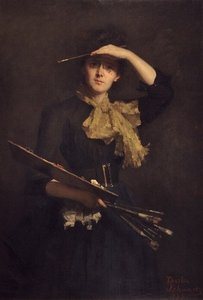
thérèse schwartze
1851 - 1918 , Netherlands
基本情報
- Artistic Movement Or Style: Portraiture
- Artists Or Movements Influenced By This Artist: Gabriel Max, Franz von Lenbach
- Artists Who Influenced This Artist: Johann Georg Schwartze
- Date Of Birth: December 20, 1851
- Date Of Death: December 23, 1918
- Full Name: Thérèse Schwartze
- Nationality: Dutch
- Notable Artworks:
- Dr J L Dusseau
- Lizzy Ansingh
- Portrait of Piet J Joubert
- Place Of Birth: Amsterdam, Netherlands

