

 プレビュー
プレビュー
 プリントを購入
 シェアする
シェアする シェアする
シェアする
 詳細を見る
詳細を見る

 ダウンロード
 似ている作品
 X線調査
X線調査 スライドショー
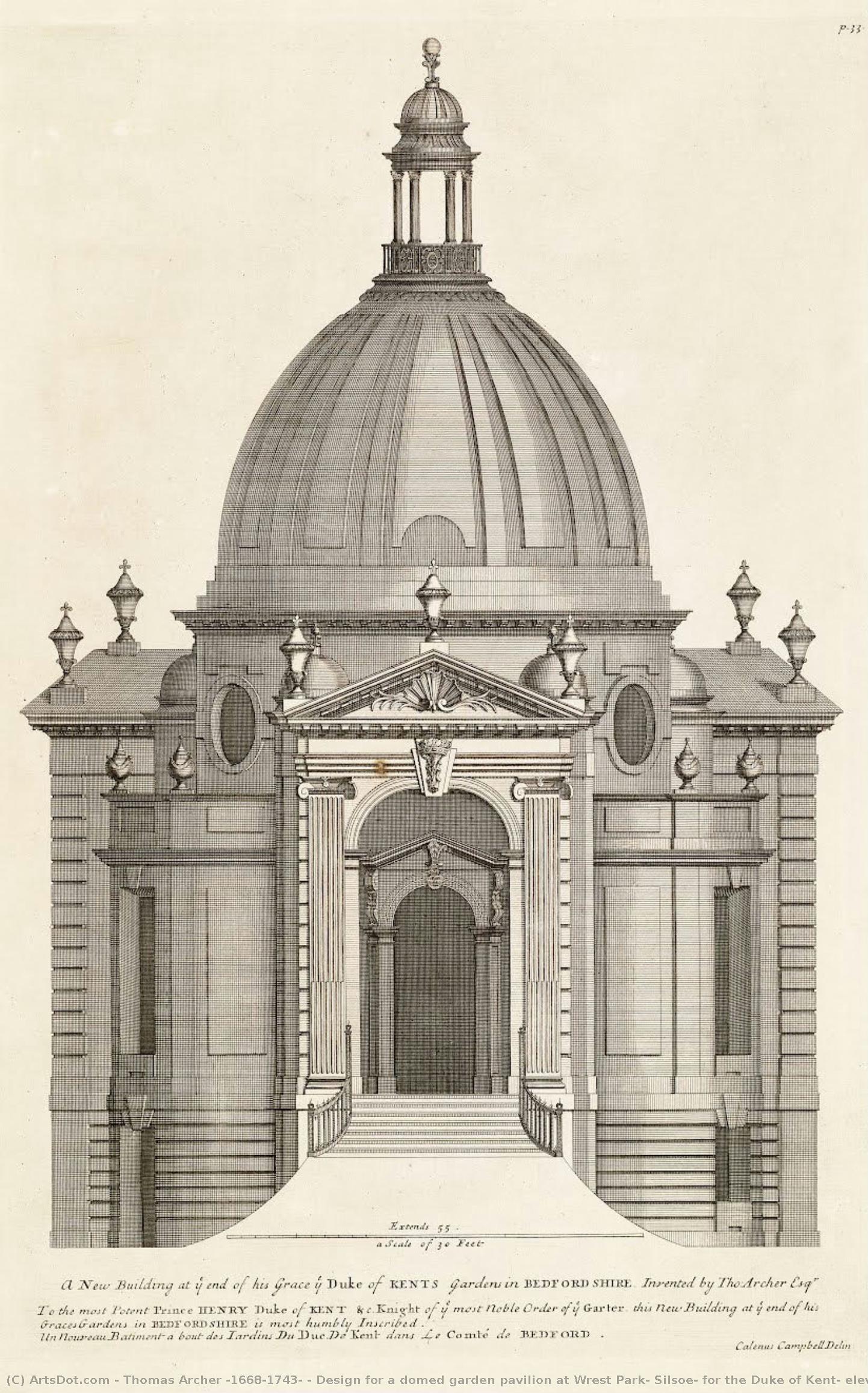
Design for a domed garden pavilion at Wrest Park, Silsoe, for the Duke of Kent: elevation


 詳細を見る
詳細を見る




P118B $10

P118H $10

P118W $10

P438Z $10

P508JH $12

P508YH $12

P805H $10

P805Z $10

P919BZ $10

P919G $10

P919XJ $10

P959ZH $10

P968JZ $12

W106C $8

W218G $10

W218JH $8

W218Y $10

W307PJ $10

W316G $10

W316PJ $8

W316Y $10

W398PJ $8

W4111J $10

W500HY $15

W500JH $15

W692G $12

W849H $8

W940BG $15

W953PJ $8




作品のオリジナル比率に合わせた、当店の規定サイズからお選びください。

特定のフレームやスペースに合わせて、ご希望のサイズをご入力いただけます。選択されたサイズが元の画像の比率と異なる場合、アートワークをトリミングするか、手描きで要素を追加して絵画を拡張いたします。デジタルモックアップ を制作し、制作開始前にご確認(承認)をいただきます。
画面上のプレビューは、実際のトリミングや拡張を正確に反映しているものではありません。最終的な構図は、モックアップによってのみ正確にご確認いただけます。
カスタムサイズもご利用いただけますが、元の比率を維持するためには、あらかじめ用意されたリストからサイズを選択することをお勧めいたします。
ご注文後、ArtsDot.com チームより詳細な指示をお送りするとともに、仕上がりイメージ(モックアップ)をご提供いたします。


 ガラスオプションは、110cm未満のサイズでのみご利用いただけます。

Design for a domed garden pavilion at Wrest Park, Silsoe, for the Duke of Kent: elevation
複製技法
複製画のサイズ
-


合計金額
$ 263
Thomas Archer: Architect of Elegance and Vision
Thomas Archer (1668–1743) stands as a pivotal figure in English Baroque architecture, largely overshadowed by his contemporaries Sir John Vanbrugh and Nicholas Hawksmoor yet undeniably influential. His legacy resides not merely in the sheer scale of his projects but in a profound understanding of classical principles blended with theatrical grandeur—a style that continues to captivate audiences today. Archer’s contribution to British artistic heritage is undeniable, particularly evident in masterpieces like Wrest Park Pavilion and St John Evangelist Church in Westminster.- Early Life & Career: Born into a family steeped in architectural tradition, Archer received an early education fostering his innate talent for design. His formative years were spent honing skills at Umberslade Hall, preparing him for the ambitious commissions that would define his career. Notably, he secured positions within London’s elite circles, demonstrating diplomatic prowess alongside artistic vision.
- Major Works & Architectural Style: Archer's magnum opus was undoubtedly the Fifty New Churches Commission (1711–1720), a daring undertaking reflecting the Enlightenment spirit and establishing him as a champion of innovative architectural approaches. These churches exemplify English Baroque’s hallmark—a harmonious fusion of Roman grandeur with humanist ideals, characterized by monumental scale, symmetrical layouts, and opulent ornamentation. Wrest Park Pavilion, conceived collaboratively with Colen Campbell, embodies this style perfectly: its domed structure commands attention while incorporating intricate sculptural details and refined proportions.
- The Wrest Park Pavilion – A Symphony of Light & Form The pavilion’s design was driven by the desire to create a space that would inspire contemplation and celebrate the beauty of nature—a reflection of the Duke of Kent's vision for his estate. Archer skillfully employed classical elements like columns and arches, complemented by expansive windows maximizing natural light. The interior walls are adorned with frescoes depicting mythological scenes, enhancing the pavilion’s dramatic atmosphere.
- Symbolism & Emotional Impact: Archer’s architectural choices weren’t simply aesthetic; they conveyed deeper meanings rooted in humanist philosophy. Symmetry and proportion symbolized order and harmony—values prized during the Baroque era. The grandeur of the building aimed to elevate the human spirit, fostering a sense of awe and wonder.
- Legacy & Rediscovery: Despite his contemporaries' fame, Archer’s work endured relative obscurity until recent scholarly investigations illuminated its significance. Today, Wrest Park Pavilion stands as a testament to Archer’s genius—a beautifully crafted building that continues to inspire admiration for its elegance and artistic innovation. Its enduring appeal underscores the importance of recognizing overlooked masters who shaped the visual landscape of their time.
関連作品
![Landscape With A Calm (un Tem[p]s Calme Et Serein) — ニコラ・プーサン, Baroque](/media/artworks/images-thumb/40/10/4010b4505e707e3c8c70e15a89451175.jpg)
アーティストの略歴
Thomas Archer (1668-1743): An English Baroque Architect
Early Life and Career
- Born: London, United Kingdom, 1668
- Died: 1743
- Archer was born into a family with backgrounds in architecture and engineering.
- He received an early education in architecture and quickly demonstrated talent.
- Early works included notable buildings in London, showcasing his emerging style.
Major Works and Architectural Style
- The Fifty New Churches Commission: Archer's most significant undertaking was designing fifty new churches across London, Westminster, and surrounding areas (1711-1720). These are considered prime examples of English Baroque architecture.
- Wrest Park Pavilion: Collaborated with Colen Campbell on the design for a domed garden pavilion at Wrest Park, Silsoe, for the Duke of Kent.
- Architectural Style: Archer's style blended classical elements (columns, arches) with a sense of grandeur and drama. His buildings emphasized balance and proportion, reflecting principles of English Baroque architecture.
Influences and Development
- Grand Tour Influence: Spent four years abroad studying continental architecture, particularly the works of Bernini and Borromini. This exposure significantly shaped his design sensibilities.
- English Baroque Context: Worked alongside prominent architects like Sir John Vanbrugh and Nicholas Hawksmoor, contributing to the development of English Baroque as a distinct style.
- Italianate Influence: Archer's work demonstrates an appreciation for Italianate architecture, particularly Lombardic influences seen in churches like St. Philip’s, Birmingham.
Legacy and Historical Significance
- Key Figure in English Baroque: Recognized as one of the most important practitioners of English Baroque architecture.
- Influence on Later Architects: His designs influenced subsequent architects, including Sir Edwin Landseer Lutyens, who adapted traditional styles to modern needs.
- Enduring Impact: Archer's buildings continue to be admired and studied for their architectural merit and historical significance. They are part of the collections of institutions like The Ingram Collection and other London museums.
Additional Information
- Baron Archer: A title in the Peerage of Great Britain created in 1747 for Thomas Archer, reflecting his later political career.
- Thomas Archer (MP): There was a previous Thomas Archer (c. 1619 – 1685) who served as a Member of Parliament.
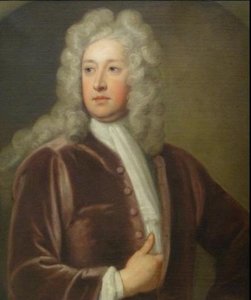
thomas archer (1668-1743)
1668 - 1743 , United Kingdom
基本情報
- Artistic Movement Or Style: English Baroque architecture
- Artists Or Movements Influenced By This Artist: ['Sir Edwin Landseer Lutyens']
- Artists Who Influenced This Artist:
- Bernini
- Borromini
- Date Of Birth: 1668
- Date Of Death: 1743
- Full Name: Thomas Archer
- Nationality: English
- Notable Artworks:
- Design for a domed garden pavilion
- Fifty new churches in London
- Place Of Birth: London, United Kingdom

