

 プリントを購入
 シェアする
シェアする シェアする
シェアする
 詳細を見る
詳細を見る

 ダウンロード
 似ている作品
 スライドショー
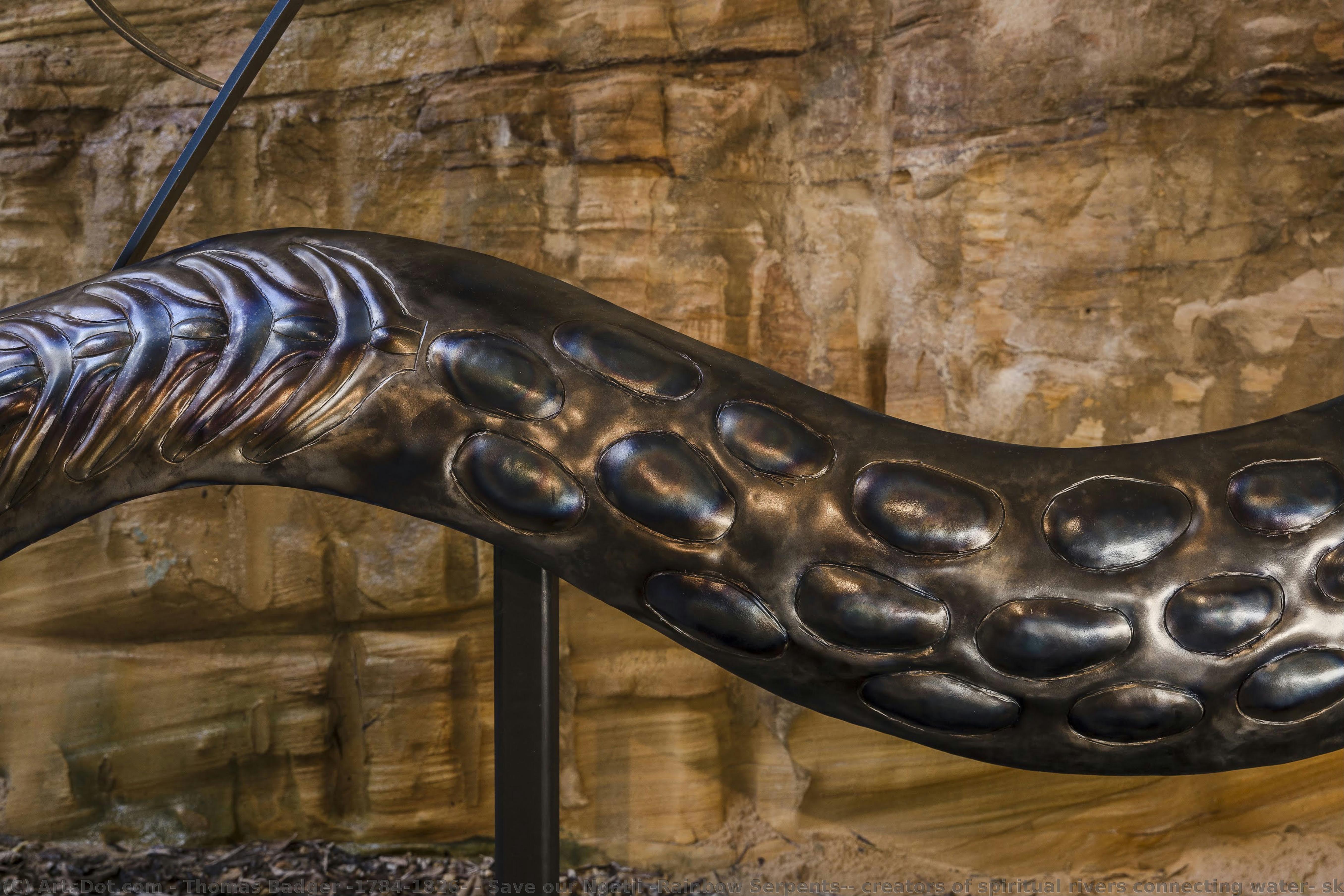
Save our Ngatji (Rainbow Serpents), creators of spiritual rivers connecting water, sky and land


 詳細を見る
詳細を見る




































作品のオリジナル比率に合わせた、当店の規定サイズからお選びください。

特定のフレームやスペースに合わせて、ご希望のサイズをご入力いただけます。選択されたサイズが元の画像の比率と異なる場合、アートワークをトリミングするか、手描きで要素を追加して絵画を拡張いたします。デジタルモックアップ を制作し、制作開始前にご確認(承認)をいただきます。
画面上のプレビューは、実際のトリミングや拡張を正確に反映しているものではありません。最終的な構図は、モックアップによってのみ正確にご確認いただけます。
カスタムサイズもご利用いただけますが、元の比率を維持するためには、あらかじめ用意されたリストからサイズを選択することをお勧めいたします。
ご注文後、ArtsDot.com チームより詳細な指示をお送りするとともに、仕上がりイメージ(モックアップ)をご提供いたします。


 ガラスオプションは、110cm未満のサイズでのみご利用いただけます。

Save our Ngatji (Rainbow Serpents), creators of spiritual rivers connecting water, sky and land
複製技法
複製画のサイズ
-


合計金額
$ 263
A Sacred Connection: The Spirit of the Ngatji
In the heart of the Baaka (Darling River) country, where the lifeblood of the land flows through ancient landscapes, exists a profound connection between the physical and the spiritual. Save our Ngatji (Rainbow Serpents) is not merely a sculpture; it is a powerful testament to the enduring legacy of the Barkandji people. Created in 2022, this breathtaking work serves as a monumental bridge between the water, the sky, and the earth. The piece captures the essence of the Ngatji—the Rainbow Serpent—a central motif in Indigenous Australian cosmology that acts as the creator of spiritual rivers. To behold this work is to witness the pulse of a living culture, where every coil of the serpent reflects the vital necessity of protecting the natural world that sustains both identity and soul.
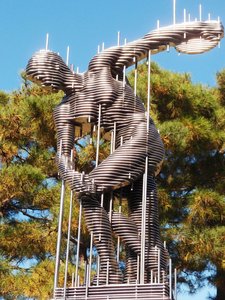
The sculpture itself presents an awe-inspiring presence, manifesting as a massive, metallic entity that mimics the sinuous movement of a dragon or great snake. Its form is defined by intricate, heavy coils that rise from the earth, creating a sense of organic dynamism. As the metal winds around itself, it captures light in a way that suggests the shimmering scales of a serpent emerging from deep waters. The craftsmanship is remarkably detailed, featuring small, decorative circular elements scattered throughout the body, which add a rhythmic texture to the metallic surface. Positioned against the rugged, timeless backdrop of a sandstone wall, the sculpture creates a striking juxtaposition between the industrial strength of the metal and the ancient, weathered permanence of the rock.
Beyond its physical grandeur, the artwork carries a heavy emotional and political weight, making it an essential piece for collectors who value art with deep social resonance. The work functions as an environmental call to action, reminding viewers that the survival of the Baaka and the preservation of Indigenous culture are inextricably linked. For the interior designer or the discerning collector, this piece offers more than just aesthetic beauty; it provides a conversation starter about stewardship, heritage, and the interconnectedness of all life. It is a masterpiece of contemporary Indigenous expression that invites the viewer to contemplate their own place within the landscape, urging a collective vision for a future where the sacred rivers continue to flow through a protected and respected land.
関連作品


アーティストの略歴
The Soul Captured in Shadow: The Life and Legacy of Thomas Badger
In the burgeoning artistic landscape of early nineteenth-century America, few painters captured the quiet dignity of the New England spirit as effectively as Thomas Badger. Born in Reading, Massachusetts, in 1792, Badger emerged from a period when American art was striving to find its own voice, moving away from colonial dependence toward a more distinct, localized realism. His journey into the heart of portraiture was not merely a pursuit of fame, but a disciplined study of the human condition, shaped by the rigorous traditions of his era and a profound sensitivity to the nuances of light and character.
The foundation of Badger’s technical mastery can be traced directly to his apprenticeship under John Ritto Penniman, one of the most respected figures in the Boston art scene. Under Penniman’s watchful eye, Badger learned that a portrait was far more than a mere likeness; it was an exercise in subtle tonal gradations and anatomical precision. This training instilled in him a reverence for the classical ideals of depth and emotion, teaching him how to use soft, diffused lighting to breathe life into a canvas. As he matured, Badger’s style became characterized by a meticulous attention to detail—a way of rendering the heavy texture of a silk waistcoat or the delicate lace of a collar so convincingly that the viewer could almost feel the weight of the fabric.
A Gallery of Faces: The Subjects and Artistry of a Master
Badger’s true brilliance lay in his ability to act as a psychological mirror for his subjects. He became a sought-after specialist, commissioned by the influential figures of Massachusetts to preserve their legacies through oil and pigment. His portfolio reads like a Who's Who of nineteenth-century American history, featuring individuals whose lives shaped the cultural and social fabric of the young nation. To look upon a Badger portrait is to encounter the quiet strength of men like John Abbot and William Allen, or the intellectual presence of figures such as Henry Wadsworth Longfellow.
His work was never merely decorative; it possessed an understated elegance that avoided the theatrical in favor of the authentic. Whether he was painting the minister Thomas Paul or the refined Frances Western Apthorp Vaughan, Badger sought the essence of the individual. His technique allowed for a harmonious color palette that complemented the somber, dignified tones typical of the period, ensuring that the subject's personality remained the focal point. Beyond his celebrated portraits, Badger also demonstrated a remarkable command over the still life, showcasing a versatility that allowed him to find beauty in the inanimate as skillfully as he did in the human gaze.
Historical Significance and Enduring Presence
Though the era of the great American portraitists eventually gave way to new movements, the work of Thomas Badger remains a vital window into the nineteenth-century American psyche. His ability to blend the precision of his training with a profound empathy for his subjects ensured that his canvases would serve as more than just historical records; they are emotional touchstones. The legacy of his meticulous approach continues to resonate within the halls of major American museums, where his contributions to the Boston school of painting are preserved.
The enduring importance of Badger’s oeuvre can be summarized through several key pillars of his contribution to art history:
- Technical Lineage: He served as a crucial link in the transmission of Penniman’s realistic and tonal techniques to the next generation of American painters.
- Cultural Documentation: His portraits provide an invaluable visual archive of the prominent social, religious, and intellectual figures of early Massachusetts.
- Mastery of Detail: He elevated the standard of American portraiture through his unparalleled ability to render texture, light, and anatomical accuracy.
- Psychological Depth: He moved beyond superficial representation to capture the internal character and dignity of his subjects, contributing to the development of a uniquely American realism.
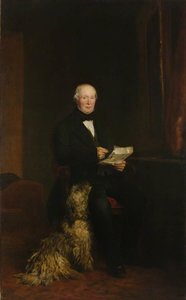
thomas badger (1784-1826)
1784 - 1826 , United States of America
基本情報
- Artistic Movement Or Style: Portrait Painting
- Artists Who Influenced This Artist: ['John Ritto Penniman']
- Date Of Birth: 1792
- Full Name: Thomas Badger
- Nationality: American
- Notable Artworks:
- Cylinder Desk and Bookcase
- Side Chair
- Traveling Desk
- Place Of Birth: South Reading, MA
関連記事

Bronze Sculptures That Defined Art History | ArtsDot
Journey through art history with our Top 10 bronze sculptures! Explore masterpieces by Rodin, Michelangelo & more. Discover stories behind iconic statues and find museum-quality reproductions for your home decor at ArtsDot.com.

The Enduring Form: Exploring Themes & Techniques in Sculpture Across Historical Periods
Explore the rich history of sculpture from ancient masterpieces to contemporary innovations. Discover key techniques, influential artists & investment potential for discerning art collectors.

Bronze Age to Modern Masters: 10 Sculptures That Redefined Art | ArtsDot
Journey through art history with 10 legendary bronze sculptures – from Michelangelo's David to Rodin’s Thinker. Explore the stories, techniques & timeless beauty of these masterpieces. Find museum-quality reproductions & elevate your home decor on ArtsDot.com.

The Enduring Form: Sculpture Across History, Technique & Emotional Resonance
Explore the rich history of sculpture with ArtsDot. Discover key techniques, influential artists & investment potential for discerning collectors. Expert insights into valuing and collecting timeless masterpieces.
青銅彫刻の永続的遺産:歴史、技法、そして現代における解釈
青銅彫刻の歴史、技法、現代における解釈を専門家が解説。古代から現代までの貴重な作品群を深く理解し、コレクションや投資に役立つ情報を提供します。美術品鑑定、修復についてもご紹介。