

 プレビュー
プレビュー
 シェアする
シェアする シェアする
シェアする
 詳細を見る
詳細を見る

 ダウンロード
 似ている作品
 X線調査
X線調査 スライドショー
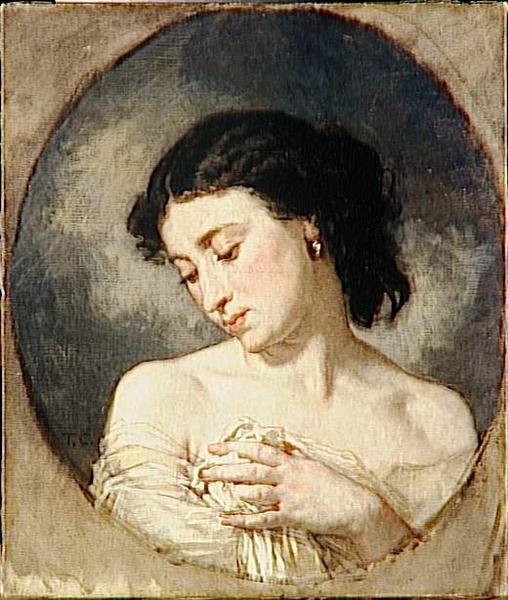
JEUNE FEMME EN BUSTE LES EPAULES DENUDEES


 詳細を見る
詳細を見る
ジークレー/アートプリント
迅速な制作と多彩な仕上げオプションを備えた、ミュージアムクオリティのジークレーまたはキャンバスプリント。 ( 手描きの絵画を購入 画像を購入)




P118B $10

P118H $10

P118W $10

P438Z $10

P508JH $12

P508YH $12

P805H $10

P805Z $10

P919BZ $10

P919G $10

P919XJ $10

P959ZH $10

P968JZ $12

W106C $8

W218G $10

W218JH $8

W218Y $10

W307PJ $10

W316G $10

W316PJ $8

W316Y $10

W398PJ $8

W4111J $10

W500HY $15

W500JH $15

W692G $12

W849H $8

W940BG $15

W953PJ $8




作品のオリジナル比率に合わせた、当店の規定サイズからお選びください。

特定のフレームやスペースに合わせて、ご自身でサイズを指定することも可能です。選択されたサイズが元の画像の比率と一致しない場合、作品をトリミングするか、鏡面反射または単色での塗りつぶしによって画像を拡張いたします。制作を開始する前に、ご確認用のデジタルモックアップをお送りいたします。
画面上のプレビューには、実際のトリミングや拡張は反映されませんのでご注意ください。最終的な構図を正確に確認できるのは、モックアップのみとなります。
カスタムサイズも承っておりますが、元の比率を維持するためには、あらかじめ用意されたリストからサイズを選択することをお勧めいたします。


 ガラスオプションは、110cm未満のサイズでのみご利用いただけます。

JEUNE FEMME EN BUSTE LES EPAULES DENUDEES
ジークレー/アートプリント
複製画のサイズ
-


合計金額
$ 62
作品詳細説明
A Portrait of Melancholic Grace: Thomas Couture’s “Jeune Femme en Buste”
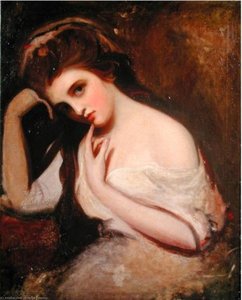
Thomas Couture's "Jeune Femme en Buste les Épaules Dénudées" (Young Woman in Bust Pose, Nude Shoulders) is a captivating study in Romantic sensibility and understated elegance. Painted around 1835-1879 – a period of significant transition within French art—this oil on canvas offers more than just a likeness; it’s an exploration of mood, vulnerability, and the quiet contemplation of youth. Initially rejected by the prestigious Prix de Rome competition six times, Couture ultimately forged his own path, establishing an independent atelier that challenged the rigid conventions of the École des Beaux-Arts, and this painting exemplifies his distinctive approach – one prioritizing emotional resonance over strict academic adherence.
The composition immediately draws the viewer in with its central focus on the young woman’s face. Rendered with a remarkable sensitivity to light and shadow, her gaze, directed downwards, subtly conveys a sense of introspection or perhaps even wistful sadness. The loose oval framing created by the background serves to isolate her, intensifying the feeling of intimacy and drawing attention to her emotional state. Her left hand gently resting against her chest is a powerful gesture of quietude and vulnerability, reinforcing the overall melancholic atmosphere. Couture masterfully employs soft, blended lines throughout the painting – particularly in the background and around the woman’s features – creating an effect of hazy serenity that further enhances the sense of introspection.
Color, Light, and Texture: A Symphony of Subtlety
The color palette is remarkably restrained, dominated by a muted range of beige, cream, and grey. These cool tones are punctuated by delicate touches of pink on her face – suggesting youthful bloom – and darker browns and blacks in her hair and the subtle shadows that define her form. This limited chromatic vocabulary contributes to a harmonious and deeply evocative atmosphere. Couture’s use of light is equally deliberate; it's diffused and gentle, emanating from an unseen source above and slightly to the left, casting soft shadows that sculpt her features without harsh contrasts. The varied textures – the smooth rendering of her skin, the visible brushstrokes in the background, the subtly draped fabric – add a tactile quality to the painting, inviting the viewer to almost feel the softness of her garments.
Symbolism and the Romantic Spirit
Beyond its technical brilliance, “Jeune Femme en Buste” is rich in symbolic meaning. The downward gaze is a recurring motif in Romantic art, often representing contemplation, melancholy, or even a yearning for something beyond the immediate present. The bare shoulders – a deliberate choice by Couture – can be interpreted as symbols of innocence and vulnerability, further amplifying the painting’s emotional impact. The overall effect is one of quiet dignity mixed with a poignant sense of longing—a hallmark of the Romantic movement's exploration of human emotion and experience. It’s a portrait not merely of a young woman, but of an inner world.
Historical Context and Couture’s Legacy
Painted during a period of significant artistic upheaval, “Jeune Femme en Buste” reflects Couture’s own rebellion against the rigid formalism of the Académie des Beaux-Arts. He sought to create art that resonated with genuine emotion and individual expression, rejecting the idealized forms and historical narratives favored by his contemporaries. Thomas Couture was a pivotal figure bridging Romanticism and Realism—a painter who dared to challenge academic convention while simultaneously mastering its techniques. His independent atelier became a haven for artists seeking an alternative to traditional instruction, fostering a new generation of painters who prioritized emotional depth and personal vision. This painting stands as a testament to his innovative spirit and enduring artistic legacy.
関連作品
アーティストの略歴
アカデミアの反逆者:トマ・クチュールの生涯と遺産
1815年、フランスのサンリスに生まれたトマ・クチュールは、ロマン主義と写実主義を繋ぐ重要な画家として登場しました。彼は学術的な慣習に挑戦しつつも、その技術を習得した大胆な芸術家でした。幼少期に家族と共にパリに移り住み、最初はÉcole des Arts et Métiersで学び始めましたが、すぐに権威あるÉcole des Beaux-Artsへと進みます。しかし、クチュールの道は容易ではありませんでした。Prix de Romeコンクールでは何度も落選し、Académie de Franceへの留学の機会を得ることができませんでした。それでも彼は諦めることなく、既存のシステム自体に欠陥があると確信し、独自の芸術的道を切り開くことを決意します。そして最終的には独立したアトリエを設立し、伝統的な指導とは異なる選択肢を求める人々のための避難所を提供しました。帝国の退廃と新たな芸術的ビジョン
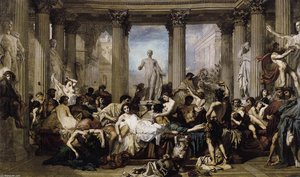
クチュールのブレイクは1847年の作品『ローマ帝国の退廃』で訪れます。この壮大な作品は、パリ・サロンで賞賛と論争の両方を巻き起こしました。この絵画は単なる歴史的な描写ではありませんでした。それは、ユヴェナリスの風刺的な著作に触発された痛烈な社会批判であり、ローマ社会における道徳的退廃と贅沢を表現していました。場面は抑制のない耽溺感で脈打ち、豪華な生地に包まれた人物たちが古典遺跡の中に配置されています。これは、第二共和政下のフランス社会の堕落した状態を反映することを意図した意図的な対比でした。クチュールの巧みな明暗の使い方は、豊かな暗い色調と鮮やかなハイライトを組み合わせることで、構成の劇的なインパクトと象徴的な重みをさらに強調しました。この絵画の成功は、彼が主要な芸術家としての地位を確立し、美術界における強力な存在感を示すことになりました。それは単なる技術的な熟練度を超え、文明の状態に関する大胆な声明でした。巨匠を育む:次世代の形成
自身の芸術的功績に加えて、クチュールの影響は教育者としての役割を通して深く広がりました。彼はÉcole des Beaux-Artsの厳格な制約を拒否し、実験と批判的思考を奨励する環境を育成しながら、多様な志望者をアトリエに迎え入れました。彼の最も有名な弟子の中には、エドゥアール・マネの名前がありました。マネの革命的な絵画へのアプローチは、クチュールのトーンバリューと表現力豊かな筆致の強調に大きく負債を負っていました。アンリ・ファンタン=ラトゥールは、静物画と同僚芸術家の肖像画で知られています。ピエール・プヴィス・ド・シャヴァンヌは象徴主義の先駆者であり、ジョン・ラ・ファージはステンドグラスの革新者でした。クチュールの教育方法は型破りであり、学生が個々の声を発達させることを奨励しつつも、ドラフティングと構成の基礎を身につけさせました。彼は印象派によって後に採用された「クイック・ペインティング」を提唱し、直接観察から学ぶことの重要性を強調しました。晩年と永続的な影響
1860年、パリの美術界に幻滅したクチュールは故郷のサンリスに戻り、そこで教育と絵画活動を続けました。彼は自身の芸術的哲学を1867年に出版された『Méthode et entretiens d'atelier』(方法とワークショップインタビュー)にまとめました。この著作は学術的な教義に対する根本的な批判を提供し、より直感的で表現力豊かなアプローチを提唱しました。後に英語に翻訳された『Conversations on Art Methods』は、彼の教育原則と芸術的信念に関する貴重な洞察を提供しました。キャリアを通じて確立された規範に挑戦したため批判も受けましたが、クチュールが近代美術の発展に与えた影響は否定できません。彼は従来の枠組みから解放され、19世紀後半と20世紀初頭を定義する革新的な道を切り開いた世代の芸術家たちを育成しました。彼の遺産は自身の魅力的な絵画だけでなく、歴史上最も重要な人物の何人かに彼が及ぼした永続的な影響を通して生き続けています。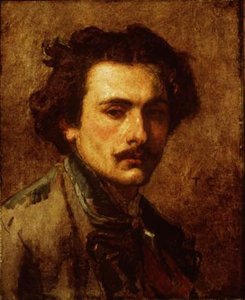
トマ・クチュール
1815 - 1879 , フランス
基本情報
- Artistic Movement Or Style: ロマン主義と写実主義
- Artists Or Movements Influenced By This Artist:
- エドゥアール・マネ
- アンリ・ファンタン=ラトゥール
- ピエール・ピュヴィ・ド・シャヴァンヌ
- Artists Who Influenced This Artist:
- アントワーヌ=ジャン・グロ
- ポール・ドラローシュ
- Date Of Birth: 1815年12月21日
- Date Of Death: 1879年3月30日
- Full Name: トマ・クチュール
- Nationality: フランス人
- Notable Artworks (List Of Titles):
- ローマ帝国の衰退
- 決闘の場面
- 弁護士の出廷
- Place Of Birth (City And Country): フランス、サンリス
関連記事

Romantic Realism's Finest: 10 Masterpieces for Your Home | ArtsDot
Explore 10 defining masterpieces of Romantic Realism! Discover Courbet, Millet & Daumier's powerful paintings—capturing emotion and social realities. Find museum-quality reproductions for your home at ArtsDot.com.
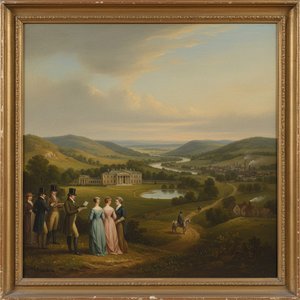
Thomas Barker of Bath: Landscape Painting & Societal Reflection in Early 19th-Century England
Explore the life & work of Thomas Barker of Bath, a key figure in 19th-century English Romanticism. Discover his Parisian success, iconic paintings like 'The Bride of Death', and lasting artistic legacy. Learn more at ArtsDot.
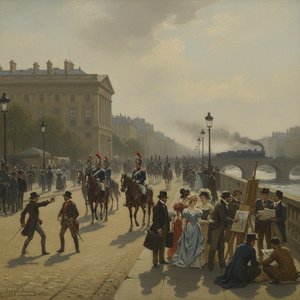
Émile Jean Horace Vernet: Romantic Realism & Depicting 19th-Century Life
Explore the life & art of Émile Jean Horace Vernet, a master of Romantic Realism. Discover his captivating battle scenes, portraits, and Orientalist works – a window into 19th-century France. Learn about his techniques & enduring legacy.
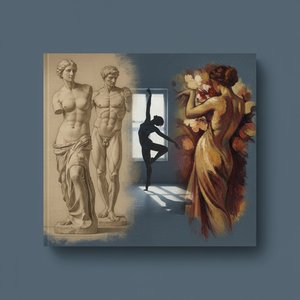
The Enduring Allure of the Nude: A Historical & Artistic Exploration of the Human Form
Explore the captivating history of nude art! Discover iconic paintings & artists from classical to modern eras. Uncover symbolism, techniques & find museum-quality reproductions at ArtsDot.

19th Century Masterpieces: 10 Paintings That Defined an Era | ArtsDot
Journey through 19th century art with ArtsDot! Explore 10 iconic paintings – from Monet & Renoir to Courbet – and discover the stories behind Romanticism, Realism & Impressionism. Find museum-quality reproductions for your home decor. Explore the full collection online!

