

 プレビュー
プレビュー
 プリントを購入
 シェアする
シェアする シェアする
シェアする
 詳細を見る
詳細を見る

 ダウンロード
 似ている作品
 X線調査
X線調査 スライドショー
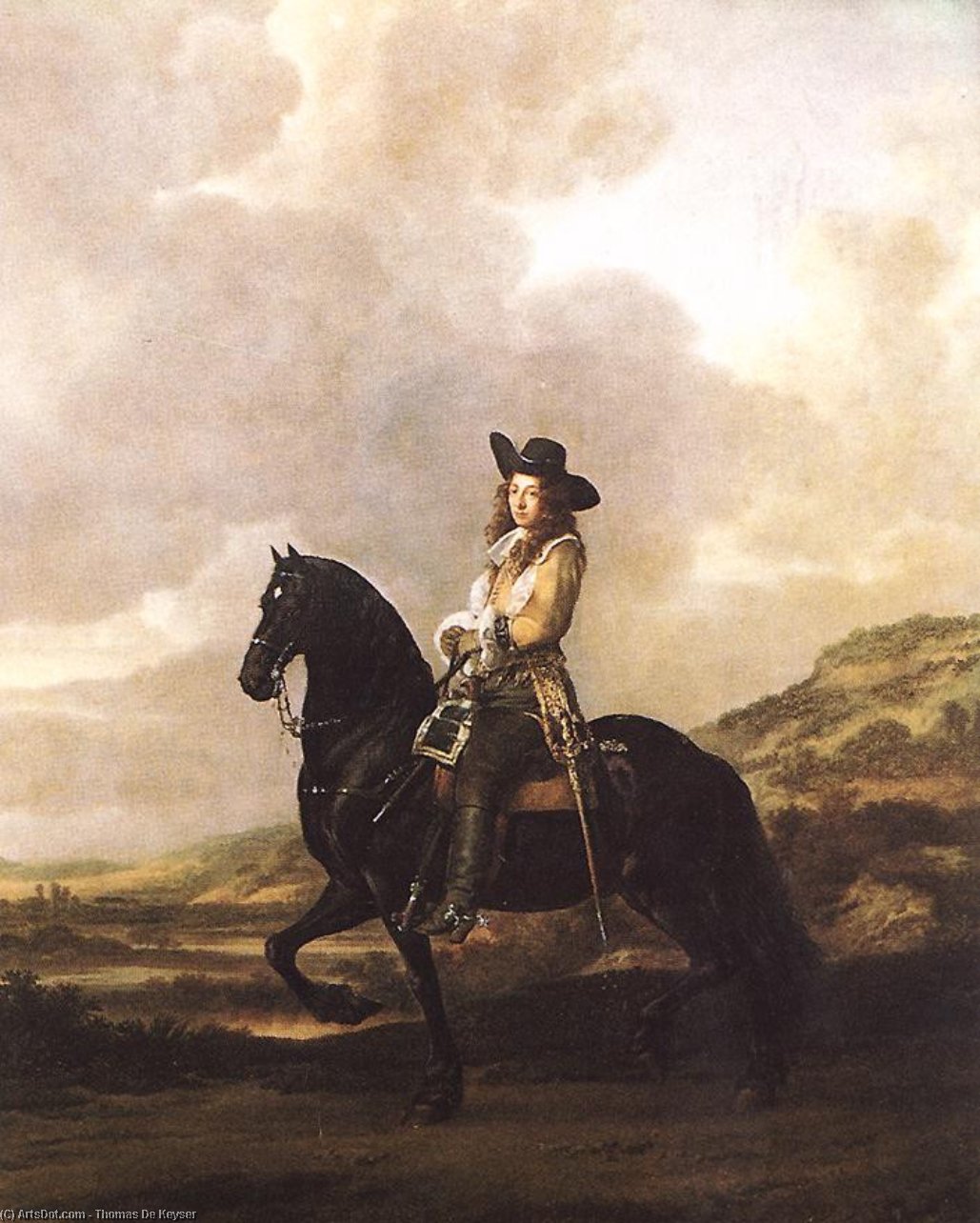
Equestrian Portrait of Pieter Schout
 Oil On Canvas
- WallArt
- Baroque
 1660
1660 86.0 x 69.0 cm
 国立美術館 (Rijksmuseum)
 詳細を見る
詳細を見る
オンラインプレビューをはるかに凌ぐ、高解像度で鮮明なデジタル画像をご購入いただけます。
各ファイルは、社内の専門家が高度なツールと熟練した手作業によるレタッチを用いて、細心の注意を払って準備されています。すべての画像において、卓越した鮮明度、正確な色彩再現性、そして繊細なディテールを保証いたします。
最終ファイルは、プロフェッショナルな編集・印刷環境ですぐにご利用いただけるよう最適化された状態で、72時間以内にメールにてお届けいたします。これは、一流のデザインスタジオ、出版社、ギャラリーから信頼されているものと同等の品質です。
デジタル画像のご注文に付随する特典
高品質なデジタル画像配信を、確かな品質で。
ArtsDot.com を選ぶことは、単に画像を手に入れることではありません。それは、プロの手によって精密に仕上げられ、満足保証が付いた高品質なデジタルアートワークを受け取ることを意味します。ご注文いただいた際に自動的に付随する内容は、以下の通りです:

メールですぐにお届け
ご注文から72時間以内に、高解像度のデジタル画像ファイルがメールでお手元に届きます。すぐにそのままご利用いただけます。

AI技術で最適化されたデジタルファイル
お客様の作品は、高度なAIツールと専門家による手作業の編集を組み合わせてプロフェッショナルに最適化されており、細部のディテール、鮮明さ、そして正確な色再現性を最大限に引き出しています。

一生涯無料の再送サービス
ファイルを誤って削除したり、紛失してしまったりしましたか?ご安心ください。いつでも無料で再送いたします。

輸入手数料は一切かかりません
関税や手数料、配送料を気にすることなく、お気に入りのアートワークをすぐにお楽しみいただけます。デジタルダウンロードは常に免税です。

色彩再現の保証
プロ仕様のツールとカラーマネジメント技術を用いることで、デジタル画像が元の色を最大限に忠実に再現することを保証いたします。

60日間満足保証
ご購入いただいたデジタル画像にご満足いただけない場合は、60日以内であれば、修正または100%の返金(理由を問う必要はありません)をさせていただきます。

100% 返金保証
ご満足いただけない場合は、デジタルファイルを受け取ってから60日以内であれば、理由を問わず全額返金いたします。

まとめ買い割引
3枚購入で10%OFF - 5枚購入で15%OFF - 10枚以上購入で20%OFF。クリエイティブなプロジェクト、ギャラリー、エージェンシーに最適です。
作品の詳細
Thomas de Keyser: The Rembrandt Shadow
Thomas de Keyser (1596 – 1667) stands as a pivotal figure in the Dutch Golden Age, celebrated primarily for his masterful portraiture and architectural contributions. Born in Amsterdam to Hendrick de Keyser, a renowned architect and sculptor who shaped the city’s skyline, Thomas inherited a legacy of artistic excellence and technical skill—a connection that profoundly influenced his own oeuvre. While biographical details remain scarce, evidence suggests he received instruction from Cornelis van der Voort, quickly establishing himself as a prodigious talent mirroring the stylistic innovations championed by Rembrandt van Rijn. This formative influence is palpable in his meticulous attention to detail and dramatic use of light – characteristics that would become hallmarks of his distinctive artistic vision. Early Life and Artistic Training Information regarding Thomas de Keyser’s formative years is fragmentary. However, his familial ties to Hendrick de Keyser—a man instrumental in designing iconic structures like Zuiderkerk and Delft Town Hall—provided him with an unparalleled environment for artistic development. The family fostered a tradition of craftsmanship and intellectual curiosity, nurturing Thomas's innate aptitude for both visual arts and engineering. He apprenticed himself to Cornelis Bloemaert, mastering the techniques of sculpture and architectural design – skills that would prove invaluable throughout his prolific career. This early training instilled in him a disciplined approach to artistic creation, prioritizing precision and harmonious composition. The Equestrian Portrait: A Reflection of Power and Status Thomas de Keyser’s most enduring achievement resides in his equestrian portrait of Pieter Schout (1660), a monumental undertaking that cemented his reputation as the foremost portrait painter of his era. Commissioned by Schout, High Bailiff of Hagestein—a position signifying considerable civic authority—the painting embodies the grandeur and prestige associated with aristocratic leadership during the Dutch Baroque period. Executed in oil on copper, De Keyser’s masterpiece adheres to the conventions of classical portraiture while simultaneously injecting a dramatic flair reminiscent of Rembrandt's oeuvre. The composition centers around Schout astride a black Andalusian horse, conveying an image of regal composure and martial prowess—a deliberate statement of power intended to impress viewers and solidify Schout’s standing within Amsterdam society. Technique and Style: Baroque Drama Illuminated De Keyser’s artistic technique is characterized by meticulous observation and masterful manipulation of light – elements that elevate the portrait beyond mere likeness, transforming it into a vehicle for conveying emotion and psychological depth. Like Rembrandt, he employed chiaroscuro—the interplay between light and shadow—to sculpt the figure's musculature and drapery, creating an illusion of three-dimensionality that captures the essence of Schout’s physicality. The artist utilized smooth brushstrokes to blend colors seamlessly, achieving a velvety surface texture that enhances the painting’s visual richness. Furthermore, De Keyser skillfully employed atmospheric perspective—a technique borrowed from Italian Renaissance painters—to depict the distant landscape beneath a cloudy sky, adding depth and context to the scene. This masterful blending of observation and artistic innovation distinguishes De Keyser's style from earlier Mannerist tendencies, establishing him as a pivotal figure in the transition towards Baroque aesthetics. Symbolism and Legacy: Beyond Representation The Equestrian Portrait transcends its formal depiction of Schout, serving as a potent symbol of aristocratic status and military virtue—values deeply ingrained within Dutch society during the seventeenth century. The horse itself represents nobility, strength, and dominion – qualities associated with leadership and responsibility. De Keyser’s deliberate positioning of Schout in a commanding posture reinforces these symbolic associations, conveying an image of confidence and unwavering resolve. More broadly, the painting reflects the broader cultural preoccupation with portraying individuals as embodiments of moral excellence—a trend that flourished during the Baroque period. Thomas de Keyser's legacy extends beyond his artistic achievements; he represents a cornerstone of Dutch art history, embodying the spirit of innovation and refinement that defined the Golden Age – an artist who undeniably cast a long shadow over Rembrandt’s own illustrious career.関連作品

作家の略歴
トーマス・デ・カイザーの遺産:オランダ黄金時代を彩った巨匠
かつてて前例のない繁栄と文化の開花に沸いた、17世紀のアムステルダム。その活気あふれる中心地において、トーマス・エ・カイザーは肖像画という領域における畏敬すべき存在として姿を現しました。建築的な壮麗さに満ちた環境の中で1596年に生まれたデ・カイザーは、アムステルダムのスカイラインそのものを形作った伝説的な建築家、ヘンドリック・デ・カイスァーの息子でした。この職人としての血統は、単なる名声をもたらしただけではありません。構造、空間、そして物体が持つ物理的な存在感に対する根源的な理解を彼に授け、それが後に人間という形態へのアプローチを決定づけることになります。アムステル川沿いの石材置き場の中で育ったデ・カイザーは、芸術と建築が分かちがたく結びついた世界に身を投じており、その経験が彼の代名詞となる卓越した技術的精密さを養うこととなりました。
彼の芸術的な旅路は、コルネリス・ファン・デル・フォールトの下での正式な修行を通じてさらに洗練されていきました。この教育により、彼は当時の人文主義的な理想や、洗練された構図技法に触れることになります。成熟とともに、デ・カイザーのスタイルは真に独特なものへと結実し始めました。それは、ルネサンス後期の緻密な細部描写と、勃興しつつあったバロック様式の劇的で心理的な強烈さを繋ぐ架けな橋となったのです。初期の作品には先人たちの形式的な優雅さへの鋭い関心が示されていましたが、やがて彼は被写体の「生きた現実」を捉える能力を開花させ、単なる外見の類似を超えて、人物の本質に触れる境地へと到達しました。
レンブラントの影とリアリズムの芸術
デ・カイザーの輝きを理解するためには、彼の作品とレンブラント・ファン・レインとの間の複雑な関係性を紐解かなければなりません。当時の革命的な精神を共有した同時代人としばしば評されるデ・カイザーの光と影へのアプローチ――名高いキアロスクーロ(明暗法)――は、レンブラントが提唱した劇的な革新と共鳴していました。しかし、デ・カイザーには彼独自の明晰さが備わっていました。レンブラントが形態を深く神秘的な影の中へと溶け込ませるのに対し、デ・カイザーはしばしば線の鮮明さと、質感における光り輝くような質感を維持しました。彼は触覚的な表現の達人であり、絹の重厚な光沢、レースの複雑な模様、そして年老いた商人の刻まれた肌の細かな変化を、あたかも科学的な正確さをもって描き出したのです。
このリアリズムへの献身は、オランダ共和国で台頭していた商人階級にとって、彼を理想的な肖像画家たらしめました。被写体の威厳と、深い心理的真実とのバランスを取る彼の能力は、社会的地位の象徴であると同時に、親密な人物研究としての役割も果たす作品を生み出しました。集合肖像画において、彼は複雑な人物配置を組織化する並外れた手腕を発揮し、個々のアイデンティティを損なうことなく、市民としての集団的な誇りという一貫した物語へと昇華させました。彼の筆致は精密でありながら、決して静止したものではありません。その構図にはリズムを伴う生命力が宿っており、17世紀の凍りついた瞬間の中に、今なお息吹を与え続けているのです。
歴史的意義と芸術的勝利
トーマス・デ・カイザーの功績はキャンバスの枠を遥かに超え、北欧美術史における極めて重要な一章を象徴しています。彼のキャリアは、オランダが商業、科学、そして芸術を通じて自らのアイデンティティを確立しようとしていた、オランダ黄金時代の絶頂期と重なりました。富裕な市民から影響力を持つ指導者に至るまで、この時代の顔々を記録することで、彼は変革期にある社会の視覚的な記録を残したのです。彼の作品は、海上権力とプロテスタントの勤勉さによって定義された時代の、社会階層、ファッション、そして価値観を覗き見る窓としての役割を果たしています。
彼の生涯と遺産を通じて、芸術界への貢献を定義づける重要な要素がいくつか存在します:
- 技術的習熟: 多様な質感や素材を、生命力あふれる精度で描き出す比類なき能力。
- 建築的影響: オランダ建築との家族的な繋がりから派生した、独自の構図感覚と構造的な整合性。
- 心理的深み: 正式な肖像画の中に、個人の人間性と感情的な響きを吹き込む力。
- 文化的記録: 莫大な富がもたらされた時代における、アムステルダム商人階級の勃興するアイデンティティを捉えた役割。
歴史は時として彼をレンブラントの影に置くことがありますが、デ・カイザーの重要性が損なわれることはありません。彼は単なる偉大さの模倣者ではなく、それ自体が先駆者であり、オランダの伝統に独自の明晰さと構造的な優雅さを加えたのです。今日においても、彼の作品は学者や芸術愛好家を魅了し続けており、時代の外的な華やかさと内面的な魂の両方を捉えることができた巨匠の、不朽の証として存在しています。
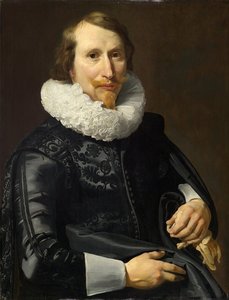
トーマス・デ・カイザー
1596 - 1667 , オランダ
プロフィール概要
- Artistic Movement Or Style: オランダ黄金時代
- Artists Or Movements Influenced By This Artist: ['レンブラント']
- Artists Who Influenced This Artist: ['レンブラント・ファン・レイン']
- Date Of Birth: オランダ、アムステルダム (1596)
- Date Of Death: 1667
- Full Name: トーマス・デ・カイザー
- Nationality: オランダ
- Notable Artworks: ['フリードリヒ・ファン・フェルトハイゼンとその妻']
- Place Of Birth: アムステルダム

