プレビュー
プレビュー
 シェアする
シェアする シェアする
シェアする
 詳細を見る
詳細を見る

 ダウンロード
 似ている作品
 X線調査
X線調査 スライドショー
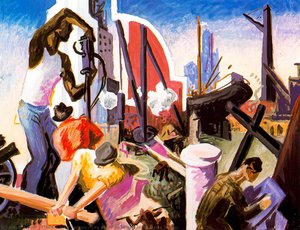
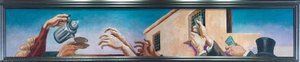
The Arts of Life in America: Unemployment, Radical Protest, Speed
 Acrylic On Canvas
- WallArt
- Regionalist Realism
 19th Century
 81.0 x 448.0 cm
 Chrysler Museum of Art
 詳細を見る
詳細を見る
ジークレー/アートプリント
迅速な制作と多彩な仕上げオプションを備えた、ミュージアムクオリティのジークレーまたはキャンバスプリント。 ( 手描きの絵画を購入 画像を購入)




P118B $10

P118H $10

P118W $10

P438Z $10

P508JH $12

P508YH $12

P805H $10

P805Z $10

P919BZ $10

P919G $10

P919XJ $10

P959ZH $10

P968JZ $12

W106C $8

W218G $10

W218JH $8

W218Y $10

W307PJ $10

W316G $10

W316PJ $8

W316Y $10

W398PJ $8

W4111J $10

W500HY $15

W500JH $15

W692G $12

W849H $8

W940BG $15

W953PJ $8




作品のオリジナル比率に合わせた、当店の規定サイズからお選びください。

特定のフレームやスペースに合わせて、ご自身でサイズを指定することも可能です。選択されたサイズが元の画像の比率と一致しない場合、作品をトリミングするか、鏡面反射または単色での塗りつぶしによって画像を拡張いたします。制作を開始する前に、ご確認用のデジタルモックアップをお送りいたします。
画面上のプレビューには、実際のトリミングや拡張は反映されませんのでご注意ください。最終的な構図を正確に確認できるのは、モックアップのみとなります。
カスタムサイズも承っておりますが、元の比率を維持するためには、あらかじめ用意されたリストからサイズを選択することをお勧めいたします。


 ガラスオプションは、110cm未満のサイズでのみご利用いただけます。

The Arts of Life in America: Unemployment, Radical Protest, Speed
ジークレー/アートプリント
複製画のサイズ
-


合計金額
$ 62
Thomas Hart Benton’s “The Arts of Life in America” – A Chronicle of Turbulent Progress
“The Arts of Life in America,” painted by Thomas Hart Benton between 1937 and 1938, is more than just a mural; it's a visceral embodiment of the anxieties and aspirations simmering beneath the surface of 1930s America. Measuring an imposing 81 x 448 cm, this monumental work, originally intended for the Whitney Museum of American Art, captures a pivotal moment in the nation’s history – a collision of industrial progress, social unrest, and the burgeoning spirit of regionalism. Benton, deeply rooted in the Midwestern landscape and acutely aware of its struggles, doesn't offer a romanticized vision of America; instead, he presents a raw, unflinching portrayal of its contradictions.
- Subject Matter: The scene unfolds with arresting immediacy. A chaotic rally dominates the central space, depicting striking workers confronting authority – a direct reflection of the labor disputes and economic hardships gripping the nation during the Great Depression.
- Composition: Benton’s masterful use of perspective and dynamic lines draws the viewer into the heart of the action. The frenetic movement of cars, trains, and planes in the background underscores the relentless pace of industrialization, while the figures themselves are arranged with a deliberate theatricality, reminiscent of classical history painting but firmly rooted in American vernacular.
- Technique: Benton’s signature style – characterized by bold brushstrokes, flattened perspective, and vibrant color—is powerfully evident here. He employs a technique known as “American Gothic” influenced by European Expressionism, creating a sense of urgency and emotional intensity.
Symbolic Layers & Historical Context
The mural’s symbolism is layered and deliberately provocative. The central rally isn't simply a depiction of a labor dispute; it represents the broader struggle between tradition and modernity, between rural values and urban aspirations. The figures surrounding the conflict are not passive observers but active participants, each contributing to the narrative of social upheaval. The inclusion of a man reading a book amidst the chaos suggests the importance of education and critical thought in navigating this turbulent period.
Painted during the Great Depression, “The Arts of Life in America” reflects the anxieties and uncertainties of the era. Benton’s unflinching portrayal of social unrest aligns with the broader artistic movement of Regionalism, which sought to celebrate American identity—particularly that of the heartland—rather than emulate European styles. The eventual sale of the mural after its installation in the Whitney Museum underscores the controversial nature of Benton's work and his willingness to challenge established norms.
Emotional Impact & Artistic Legacy
Benton’s masterpiece possesses a remarkable emotional power, capturing both the excitement and the terror inherent in moments of social transformation. The raw energy of the scene—the shouting voices, the clenched fists, the desperate faces—transports the viewer directly into the heart of the conflict. The painting's enduring appeal lies not only in its historical significance but also in its timeless exploration of human nature – our capacity for both violence and compassion, our struggle to define our place in a rapidly changing world.
Thomas Hart Benton’s “The Arts of Life in America” remains a powerful testament to the artist's vision and his profound understanding of the American spirit. Its dynamic composition, bold technique, and evocative symbolism continue to resonate with audiences today, solidifying its place as one of the most important works of Regionalist art.
Reproduction Details
ArtsDot offers a meticulously crafted hand-painted reproduction of “The Arts of Life in America,” ensuring that you possess an authentic representation of this iconic artwork. Each reproduction is created using archival quality materials and traditional painting techniques, faithfully capturing the nuances of Benton’s original style. Available in sizes up to 81 x 448 cm, this stunning piece will undoubtedly become a focal point of any interior space, sparking conversation and inspiring contemplation.
関連作品

アーティストの略歴
ミッドウェストの魂:トーマス・ハート・ベントンの生涯と芸術
1889年、ミズーリ州ネオショーで生まれたトーマス・ハート・ベントンは、アメリカ美術史において重要な人物として台頭しました。彼は、特にその故郷である中西部の精神を捉えることに人生を捧げた画家でした。彼の物語は、社会の期待に対する反逆と、独特のアメリカのテーマへの情熱的な傾倒によって彩られています。同時代の多くの芸術家がヨーロッパのモダニズムに惹かれる中で、ベントンは決然と内向きに目を向け、アメリカの風景、人々、そして物語からインスピレーションを求めました。この献身は彼をグラント・ウッドやジョン・スチュアート・カリーと共に地域主義運動の最前線に押し上げ、激動の社会経済的変革期におけるユニークなアメリカの芸術的アイデンティティを形作りました。彼の父、マセナス・ベントンは弁護士であり政治家であり、息子にも政治の世界に進むことを望んでいましたが、若いトーマスは抑えきれない創造的な精神を持っており、権力の殿堂から離れ、芸術の世界へと足を踏み入れました。この転換点は、*ジョプリン・アメリカン*新聞の漫画家としての仕事から始まり、観察力を磨き、視覚的なストーリーテリングへの愛情を育みました。パリから地域主義へ:様式の発展
ベントンの正式な芸術教育は、まずシカゴ美術館で始まり、その後1909年にパリへと進み、アカデミー・ジュリアンで研鑽を積みました。ヨーロッパの芸術的伝統に触れる中で、彼はそれらがアメリカの生活から乖離していることに徐々に幻滅感を抱くようになりました。帰国後、ベントンは様々な様式—印象主義からシンクロニズムまで—を探求し、土地と人々との繋がりを真正に表現できる視覚言語を模索する時期に入りました。この探求は、最終的に彼が知られるようになった地域主義の美学へと結実しました。彼の人物像は流動的で彫刻的になり、ダイナミズムと生命力に満ち溢れました。彼は単に場面を描写しているのではなく、アメリカの生活のエネルギーとリズムを伝えていたのです。この様式の進化は、単なる芸術的な選択ではなく、ヨーロッパの支配に対する明確な拒絶であり、アメリカ文化の独立性の主張でした。彼は自然主義的な表現を受け入れ、日常生活の主題—農民、労働者、家族—に焦点を当て、誠実さと共感をもってそれらを描き出しました。壁画と傑作:ベントンの芸術的功績
ベントンの芸術的アウトプットは多岐にわたり、絵画、壁画、版画、イラストレーションなどを含みました。彼は特に大規模な壁画プロジェクトで知られており、アートを公共空間にもたらし、より多くの人々にアクセス可能にしたことで評価されています。ニューヨーク社会研究大学のために制作された*アメリカ・トゥデイ*の壁画(1930-31)は、彼の記念碑的な功績として際立っています—それは大恐慌期のアメリカの生活を広範囲に描いた壮大なパノラマです。現在メトロポリタン美術館に収蔵されているこれらのパネルは、全国各地の場面を描き出し、アメリカの人々の苦難と回復力を捉えています。壁画以外にも、*羊飼い*や*放蕩息子*のような彼のイゼル絵画は、構図、色彩、そして物語における卓越した技術を示しています。彼は聖書や歴史的な物語を現代的な関連性をもって表現する並外れた能力を持っていました。*アメリカ・トゥデイのための研究(都市建設)*は、彼のダイナミズム溢れる様式と生々しいエネルギーを如実に示しています。彼はアートを通して複雑な社会問題に取り組むことを恐れず、それを批判とコメントのプラットフォームとして活用しました。アメリカ的アイデンティティの遺産
トーマス・ハート・ベントンのアメリカ美術への影響は否定できません。彼は、国のユニークな性格を祝い、既存のヨーロッパの美学規範に挑戦する独特のアメリカの芸術的声の定義に貢献しました。彼の地域主義的なアプローチは、将来の世代のアーティストが自身の地域的アイデンティティと文化的遺産を探求するための道を開きました。また彼は献身的な教育者でもあり、ニューヨークアート・スチューデンツ・リーグやカンザスシティ美術館で教鞭をとり、ジャクソン・ポロックを含む多くの意欲的な芸術家を指導しました。ベントンの社会現実主義へのコミットメントと現代の問題に取り組む姿勢は今日でも共鳴しています。彼はアメリカの精神、その人々、そして風景を力強く証言する作品群を残しました。彼の遺産はキャンバスを超えて広がり、アーティストが自身の声を見つけ、故郷で根付いた物語を語るよう促し続けています。1975年に死去した後も、彼の豊かな芸術的遺産は世界中の観客を魅了し、インスピレーションを与え続けています。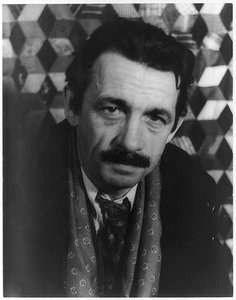
トーマス・ハート・ベントン
1889 - 1975 , アメリカ合衆国
基本情報
- Artistic Movement Or Style: 地域主義
- Date Of Birth: 1889年4月15日
- Date Of Death: 1975年1月19日
- Full Name: トーマス・ハート・ベントン
- Nationality: アメリカ人
- Notable Artworks (List Of Titles):
- 放蕩息子I
- 洪水
- 都市建設
- 羊飼い
- Place Of Birth (City And Country): ミズーリ州ネオショー
関連記事

Elevating Interiors: How Murals are Redefining Kitchens and Bathrooms
Transform your kitchen & bathroom with stunning murals! Explore design trends, durable materials & expert advice. Elevate your interiors with 's bespoke mural solutions.
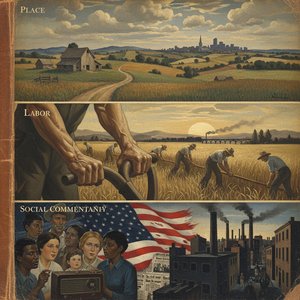
American Regionalism: A Crucible of Identity – Exploring Themes of Place, Labor & Social Commentary
Explore American Regionalism's powerful depiction of the American heartland during the Great Depression. Discover Grant Wood, Thomas Hart Benton & more. Expert analysis & high-quality art reproductions at ArtsDot.
現代ホテルの壁を彩るムラルの潮流:ジャングル風景から金箔幾何学模様まで、空間デザインの最新トレンド
現代ホテルの壁を彩るムラルの最新トレンドを徹底解説。ジャングル風景から金箔幾何学模様まで、空間デザインのプロが選ぶアートコンサルティング情報や事例をご紹介。ArtsDotで理想のホテル空間を実現。

Grant Wood & American Regionalism: Identity, Myth & the Rural Landscape
Explore the world of Grant Wood & American Regionalism with ArtsDot. Discover the symbolism behind 'American Gothic', recurring themes, and the movement's lasting impact on art history. High-quality reproductions available.
Echoes of Place: Regionalism & American Identity in Interwar Art
Explore the rise of American Regionalism in interwar art! Discover Grant Wood, Thomas Hart Benton & the movement's impact on American identity. Expert analysis & historical context.