

 プレビュー
プレビュー
 プリントを購入
 シェアする
シェアする シェアする
シェアする
 詳細を見る
詳細を見る

 ダウンロード
 似ている作品
 X線調査
X線調査 スライドショー
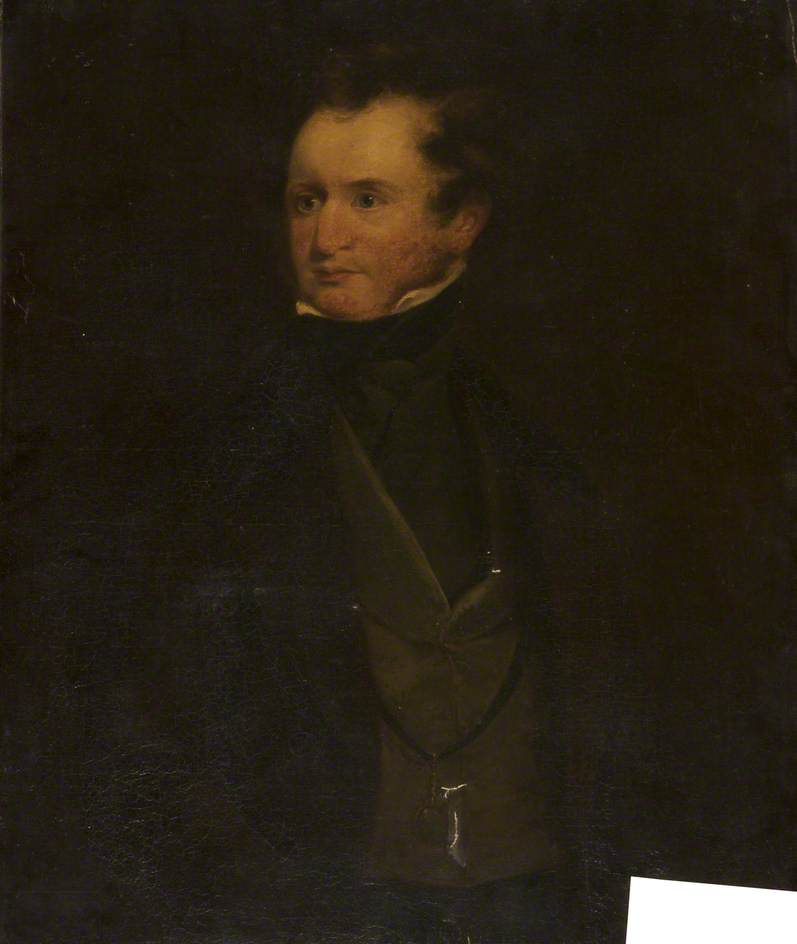
Lord Stanley (1799–1869), 14th Earl of Derby
 Contemporary Realism
 1844
1844 85.0 x 71.0 cm
 サルフォード博物館・美術館
 詳細を見る
詳細を見る
オンラインプレビューをはるかに凌ぐ、高解像度で鮮明なデジタル画像をご購入いただけます。
各ファイルは、社内の専門家が高度なツールと熟練した手作業によるレタッチを用いて、細心の注意を払って準備されています。すべての画像において、卓越した鮮明度、正確な色彩再現性、そして繊細なディテールを保証いたします。
最終ファイルは、プロフェッショナルな編集・印刷環境ですぐにご利用いただけるよう最適化された状態で、72時間以内にメールにてお届けいたします。これは、一流のデザインスタジオ、出版社、ギャラリーから信頼されているものと同等の品質です。
デジタル画像のご注文に付随する特典
高品質なデジタル画像配信を、確かな品質で。
ArtsDot.com を選ぶことは、単に画像を手に入れることではありません。それは、プロの手によって精密に仕上げられ、満足保証が付いた高品質なデジタルアートワークを受け取ることを意味します。ご注文いただいた際に自動的に付随する内容は、以下の通りです:

メールですぐにお届け
ご注文から72時間以内に、高解像度のデジタル画像ファイルがメールでお手元に届きます。すぐにそのままご利用いただけます。

AI技術で最適化されたデジタルファイル
お客様の作品は、高度なAIツールと専門家による手作業の編集を組み合わせてプロフェッショナルに最適化されており、細部のディテール、鮮明さ、そして正確な色再現性を最大限に引き出しています。

一生涯無料の再送サービス
ファイルを誤って削除したり、紛失してしまったりしましたか?ご安心ください。いつでも無料で再送いたします。

輸入手数料は一切かかりません
関税や手数料、配送料を気にすることなく、お気に入りのアートワークをすぐにお楽しみいただけます。デジタルダウンロードは常に免税です。

色彩再現の保証
プロ仕様のツールとカラーマネジメント技術を用いることで、デジタル画像が元の色を最大限に忠実に再現することを保証いたします。

60日間満足保証
ご購入いただいたデジタル画像にご満足いただけない場合は、60日以内であれば、修正または100%の返金(理由を問う必要はありません)をさせていただきます。

100% 返金保証
ご満足いただけない場合は、デジタルファイルを受け取ってから60日以内であれば、理由を問わず全額返金いたします。

まとめ買い割引
3枚購入で10%OFF - 5枚購入で15%OFF - 10枚以上購入で20%OFF。クリエイティブなプロジェクト、ギャラリー、エージェンシーに最適です。
関連作品
作家の略歴
Early Life and Artistic Beginnings
Thomas Henry Illidge, born in Birmingham on September 26th, 1799, emerged from humble beginnings that would profoundly shape his artistic trajectory. His family’s roots lay near Nantwich, Cheshire, but a relocation to Manchester proved pivotal. The untimely death of his father cast a long shadow, leaving the young Illidge with limited resources and necessitating an early foray into teaching drawing as a means of support. This practical grounding, however, did little to quell the burgeoning artistic spirit within him. He initially received instruction in Manchester before seeking tutelage from two prominent figures: Mather Brown and William Bradley – artists who would lay the foundation for his future style. Illidge’s early attempts were directed towards landscape painting, a genre that allowed him to connect with the natural world. However, personal circumstances—an early marriage—prompted a pragmatic shift toward portraiture, recognized as a more financially viable path in the burgeoning industrial towns of Lancashire.A Portraitist of Northern Industry
Illidge quickly established himself as a sought-after portrait painter within the vibrant commercial landscape of Lancashire. The region’s rapid industrial growth had fostered a new class of civic and financial leaders, eager to have their likenesses preserved for posterity. Illidge proved adept at capturing not merely physical resemblance but also the character and status of his sitters. His portraits weren't simply representations; they were statements of achievement and social standing. He became a chronicler of this era, documenting the faces that fueled the engine of “Cottonopolis.” From 1827 onwards, he consistently exhibited at the Liverpool Academy, steadily building his reputation and clientele. This period saw him hone his skills in capturing the nuances of human expression and developing a style characterized by meticulous detail and a dignified composure.London Recognition and Artistic Maturity
The year 1842 marked a turning point in Illidge’s career as he relocated to London, seeking wider recognition and opportunities. He wasted no time integrating into the capital's art scene, becoming a regular exhibitor at the prestigious Royal Academy. This move signaled his arrival among the established artistic elite. In 1844, fate intervened with the death of Henry Perronet Briggs, R.A., allowing Illidge to acquire the lease on Briggs’ house in Bruton Street, Berkeley Square – a prime location that solidified his position as a fashionable and popular portraitist. This address became synonymous with quality and refinement, attracting a discerning clientele who valued his ability to create flattering yet insightful portraits.Style, Influences, and Legacy
Illidge’s artistic style was rooted in the traditions of British portraiture, drawing inspiration from artists like Reynolds and Lawrence. However, he infused his work with a distinct sense of realism and attention to detail that reflected his northern upbringing and the practical demands of his early career. His portraits are characterized by a subdued palette, careful lighting, and a focus on conveying the sitter’s personality through subtle gestures and expressions. While influenced by the grand manner of earlier masters, Illidge avoided excessive ornamentation or theatricality, preferring instead to create portraits that were both elegant and accessible. His work offers a fascinating glimpse into the social fabric of 19th-century Britain, particularly the rise of the industrial middle class. Though not as widely celebrated as some of his contemporaries, Illidge’s contribution to portraiture remains significant. His ability to capture the spirit of an era and the character of his sitters ensures his place in the history of British art. He died unexpectedly on May 13th, 1851, leaving behind a substantial body of work that continues to be admired for its technical skill and historical importance.Major Achievements & Historical Significance
Illidge’s primary achievement lies in his successful navigation of the evolving portraiture market during a period of significant social change. He skillfully adapted his style to meet the demands of both regional and London audiences, establishing himself as a respected and sought-after artist. His portraits serve as invaluable historical documents, providing insights into the lives and aspirations of the individuals who shaped 19th-century Britain. Beyond individual commissions, Illidge’s work reflects the broader cultural shifts occurring during his lifetime – the rise of industrial capitalism, the growing importance of civic identity, and the increasing accessibility of art to a wider audience.- Consistent exhibition at both Liverpool Academy (from 1827) and Royal Academy.
- Establishment as a leading portraitist in Lancashire’s manufacturing towns.
- Acquisition of Henry Perronet Briggs' studio, solidifying his London presence.
- Creation of a substantial body of work documenting the social landscape of 19th-century Britain.
プロフィール概要
- Artistic Movement Or Style: Portraiture
- Artists Or Movements Influenced By This Artist: ['Royal Academy']
- Artists Who Influenced This Artist:
- Mather Brown
- William Bradley
- Date Of Birth: 26 Sept 1799
- Date Of Death: 13 May 1851
- Full Name: Thomas Henry Illidge
- Nationality: English
- Notable Artworks:
- Lord Stanley
- Sir Joshua Walmsley
- Place Of Birth: Birmingham, UK

