

 プレビュー
プレビュー
 プリントを購入
 シェアする
シェアする シェアする
シェアする
 詳細を見る
詳細を見る

 ダウンロード
 似ている作品
 X線調査
X線調査 スライドショー
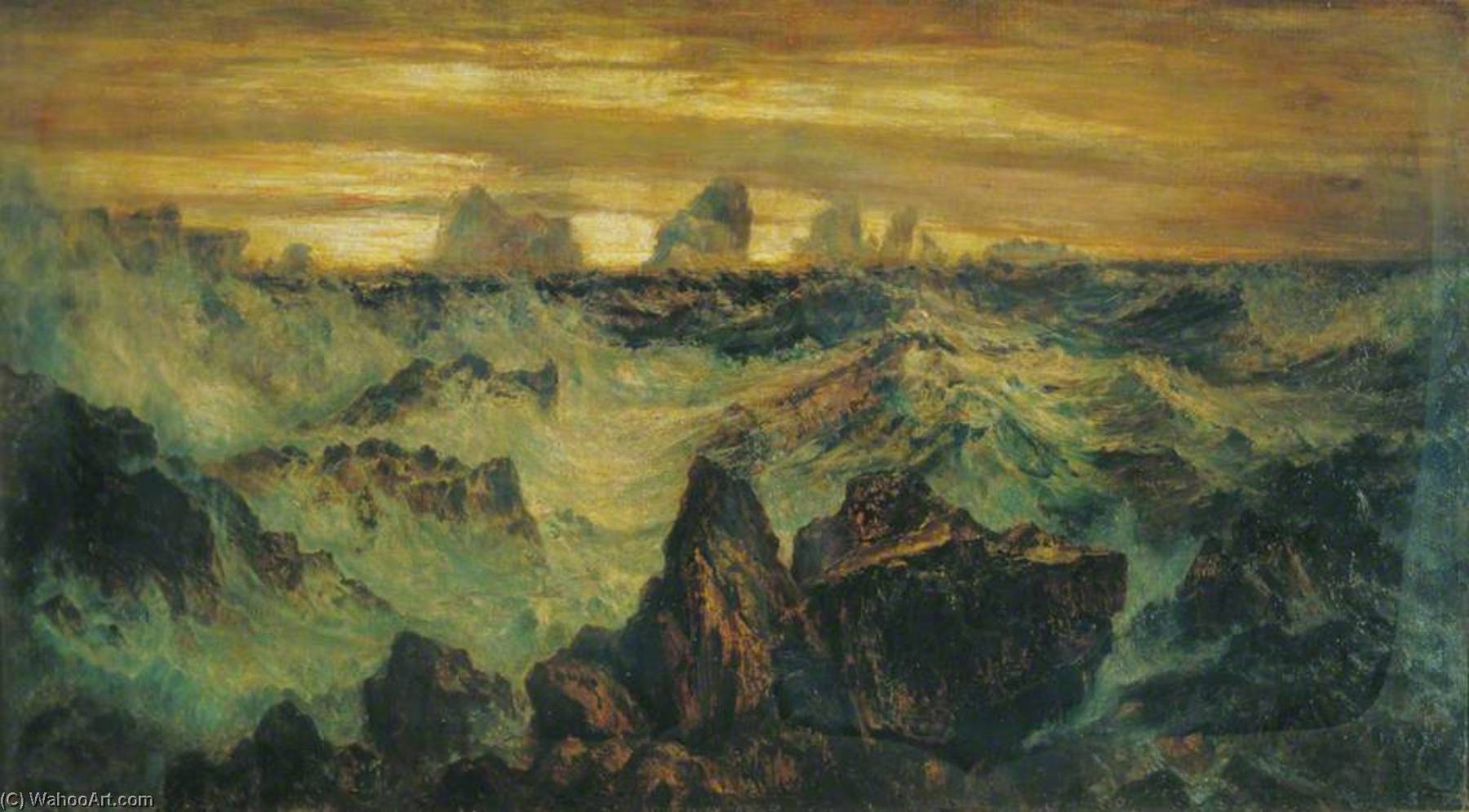
The Isles of the Sea
 1894
1894 71.0 x 127.0 cm
 Guildhall Art Gallery
 詳細を見る
詳細を見る




































作品のオリジナル比率に合わせた、当店の規定サイズからお選びください。

特定のフレームやスペースに合わせて、ご希望のサイズをご入力いただけます。選択されたサイズが元の画像の比率と異なる場合、アートワークをトリミングするか、手描きで要素を追加して絵画を拡張いたします。デジタルモックアップ を制作し、制作開始前にご確認(承認)をいただきます。
画面上のプレビューは、実際のトリミングや拡張を正確に反映しているものではありません。最終的な構図は、モックアップによってのみ正確にご確認いただけます。
カスタムサイズもご利用いただけますが、元の比率を維持するためには、あらかじめ用意されたリストからサイズを選択することをお勧めいたします。
ご注文後、ArtsDot.com チームより詳細な指示をお送りするとともに、仕上がりイメージ(モックアップ)をご提供いたします。


 ガラスオプションは、110cm未満のサイズでのみご利用いただけます。

The Isles of the Sea
複製技法
複製画のサイズ
-


合計金額
$ 263
Artistic Style and Technique
Thomas Hope Mclachlan's use of color and composition creates a sense of depth and dimension, drawing the viewer into the scene. The waves crashing against the rocks, the boats in the distance, and the overall atmosphere of the image all contribute to an impressive piece of artwork. As seen on ArtsDot.com, this painting is a prime example of oil on canvas technique, showcasing the artist's skill and mastery.Similar Artworks and Artists
Other notable artworks can be found at Darwen Library, which houses several remarkable pieces, including works by Arthur Segal, such as Donkey at a Well and Self Portrait. These paintings, like The Isles of the Sea, demonstrate the artist's ability to capture the essence of their subjects. For more information on these artworks, visit ArtsDot.com's documentation on the Darwen Library collection.- Nick Schlee's Thames Barge is another notable piece, showcasing the artist's skill in capturing the beauty of everyday scenes.
- Edith Chester, a British actress, also has a connection to the art world, although her work is not directly related to Thomas Hope Mclachlan's painting style.
In conclusion, The Isles of the Sea by Thomas Hope Mclachlan is a stunning piece of art that showcases the artist's skill and technique. With its beautiful representation of the ocean and its power, this painting is a must-see for any art enthusiast. Visit ArtsDot.com to explore more artworks, including handmade oil paintings reproductions of famous pieces like The Isles of the Sea.
関連作品










アーティストの略歴
The Soul of the Scottish Landscape: The Life and Legacy of Thomas Hope McLachlan
In the golden age of Victorian landscape painting, few artists possessed the ability to translate the raw, atmospheric essence of the natural world as poignantly as Thomas Hope McLachlan. Born in Edinburgh in 1845, McLachlan emerged not merely as a chronicler of scenery, but as a poet of light and shadow. His early years in Scotland provided him with a profound connection to the rugged beauty of his homeland, an innate fascination that would eventually propel him toward international recognition. His work is characterized by a deep psychological resonance, where every mist-covered glen and crashing wave serves as a vessel for themes of solitude, contemplation, and the eternal communion between humanity and the wild.
The trajectory of McLachlan’s artistic evolution was irrevocably altered during his formative years in Paris in the late 1860s. It was here that he encountered the transformative influence of Jean-François Millet, a master whose dedication to portraying the dignity of everyday life and the fleeting nuances of light left an indelible mark on the young Scot. Under Millet’s tutelage, McLachlan moved away from purely decorative traditions, embracing instead a technique rooted in tonal subtlety and direct observation. This Parisian period instilled in him a lifelong commitment to plein air painting—a practice that demanded an intimate, physical engagement with the environment. Through this lens, he learned to utilize luminous color palettes and meticulous detail to convey profound emotional truths, bridging the gap between mere representation and spiritual expression.
Mastery of Atmosphere and Technique
Upon his return to Scotland in 1873, McLachlan transitioned from a wandering student to a pivotal figure in the nation's artistic community. His appointment as a professor at the Glasgow School of Art allowed him to disseminate his unique blend of Romantic ideals and Impressionistic technique to a new generation of painters. His teaching emphasized the importance of capturing the ephemeral—the way light shifts across a moor or how moisture hangs in the air after a storm. This dedication to the atmospheric qualities of the landscape is perhaps most evident in his celebrated works, such as The Isles of the Sea (1894), where his mastery of oil on canvas creates a breathtaking sense of depth and dimension. In this piece, the viewer is not merely observing waves crashing against rocks; they are drawn into the very power and rhythm of the ocean itself.
McLachlan’s repertoire was as diverse as the landscapes he frequented, ranging from quiet, pastoral scenes to more dramatic, sweeping vistas. His ability to manipulate texture and light allowed him to inhabit various moods:
- The Pastoral and Intimate: Works like Goose Girl demonstrate his ability to find beauty in the quiet, domestic rhythms of rural life, imbuing simple subjects with a sense of dignity and peace.
- The Dramatic and Elemental: In paintings such as The Wind on the Hill and Moorland Scene, he captures the untamed energy of the Scottish highlands, using sweeping compositions to evoke the vastness of the terrain.
- The Maritime and Powerful: His coastal works showcase a sophisticated use of color to depict the churning vitality of the sea, reflecting his deep-seated fascination with the ocean's dual nature of beauty and ferocity.
Historical Significance and Enduring Resonance
Though his life was tragically short, ending in 1897, the impact of Thomas Hope McLachlan on the landscape tradition remains profound. He stood at a critical intersection of art history, blending the Romantic sensibilities of the early 19th century with the burgeoning light-focused innovations of the Impressionist movement. By bringing the lessons of the French masters back to the rugged terrain of Scotland, he helped create a distinct visual language for Scottish landscape art—one that prioritized emotional truth over mere topographical accuracy.
Today, McLachlan’s works reside in prestigious collections such as the Tate and the Guildhall Art Gallery, serving as enduring testaments to his vision. His legacy is found not only in the physical canvases he left behind but in the way he taught us to look at the world: not just as a collection of objects, but as a living, breathing entity capable of reflecting the deepest reaches of the human soul. Through his brush, the landscapes of Scotland are forever imbued with a sense of eternal, quiet majesty.
thomas hope mclachlan
1845 - 1897
基本情報
- Artistic Movement Or Style: Romanticism
- Artists Or Movements Influenced By This Artist: ['Hudson River School']
- Artists Who Influenced This Artist:
- John Constable
- William Turner
- Date Of Birth: 1845
- Date Of Death: 1897
- Full Name: Thomas Hope McLachlan
- Nationality: Scottish
- Notable Artworks:
- The Isles of the Sea
- Moorland Scene
- Pastoral
- Place Of Birth: Glasgow, Scotland