

 プレビュー
プレビュー
 プリントを購入
 シェアする
シェアする シェアする
シェアする
 詳細を見る
詳細を見る

 ダウンロード
 似ている作品
 X線調査
X線調査 スライドショー
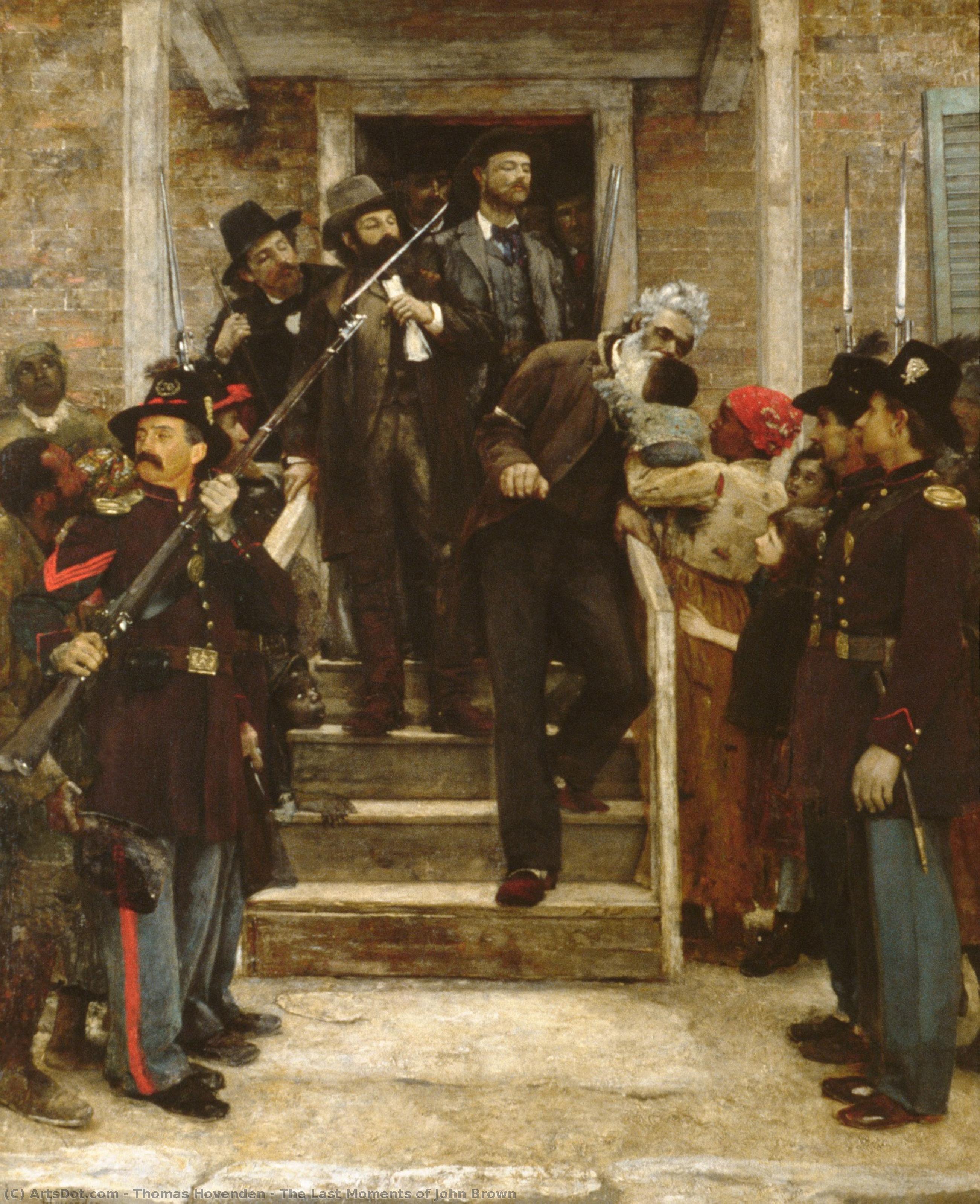
The Last Moments of John Brown
 Acrylic On Canvas
- WallArt
- Contemporary Realism
 1882
1882 197.0 x 168.0 cm
 メトロポリタン美術館
 詳細を見る
詳細を見る




































作品のオリジナル比率に合わせた、当店の規定サイズからお選びください。

特定のフレームやスペースに合わせて、ご希望のサイズをご入力いただけます。選択されたサイズが元の画像の比率と異なる場合、アートワークをトリミングするか、手描きで要素を追加して絵画を拡張いたします。デジタルモックアップ を制作し、制作開始前にご確認(承認)をいただきます。
画面上のプレビューは、実際のトリミングや拡張を正確に反映しているものではありません。最終的な構図は、モックアップによってのみ正確にご確認いただけます。
カスタムサイズもご利用いただけますが、元の比率を維持するためには、あらかじめ用意されたリストからサイズを選択することをお勧めいたします。
ご注文後、ArtsDot.com チームより詳細な指示をお送りするとともに、仕上がりイメージ(モックアップ)をご提供いたします。


 ガラスオプションは、110cm未満のサイズでのみご利用いただけます。

The Last Moments of John Brown
複製技法
複製画のサイズ
-


合計金額
$ 263
作品解説
A Portrait of Resilience: Thomas Hovenden’s “The Last Moments of John Brown”
The painting "The Last Moments of John Brown," completed in 1882 by Irish artist Thomas Hovenden, transcends mere historical depiction; it embodies a profound meditation on compassion and the enduring legacy of abolitionist ideals. Executed in oil on canvas measuring 197 x 168 cm, this monumental work captures a poignant tableau – John Brown, facing his imminent execution, pausing to embrace his infant son. More than just a chronicle of an event, Hovenden’s masterpiece speaks volumes about the moral complexities inherent in pursuing justice and the enduring power of human connection amidst adversity.Historical Context: The Shadow of Harper's Ferry
The scene unfolds against the backdrop of the tumultuous American Civil War era. John Brown’s raid on Harpers Ferry Armory, Virginia (now West Virginia), represented a daring attempt to ignite an armed rebellion against slavery – a cause championed by Hovenden himself and countless others within the burgeoning abolitionist movement. The raid failed militarily, resulting in Brown's capture and trial, yet it galvanized public opinion and solidified Brown’s position as a martyr for liberty. Hovenden skillfully portrays this pivotal moment, reflecting the fervent debates surrounding emancipation and the moral imperative to confront injustice head-on. Newspaper accounts of the trial vividly documented Brown’s final moments, emphasizing his tenderness towards his son – a detail that resonated deeply with audiences grappling with the ethical dilemmas of violent resistance.Stylistic Considerations: Realism Infused with Sentiment
Hovenden's artistic approach leans heavily into realism, prioritizing meticulous observation and accurate representation of anatomical detail. However, he doesn’t merely aim for photographic accuracy; rather, he employs a nuanced technique to convey emotion. The artist utilizes subtle tonal gradations—particularly in the depiction of Brown’s face—to express vulnerability and quiet contemplation. Notice how Hovenden captures the palpable tension of the scene while simultaneously conveying an overwhelming sense of compassion. He skillfully blends realism with expressive brushstrokes, creating a visual experience that is both intellectually stimulating and emotionally resonant. The artist's deliberate choice to portray Brown in this intimate gesture – embracing his son – underscores the painting’s central theme: the preservation of humanity amidst conflict.Symbolism: Embracing Innocence Amidst Desolation
The inclusion of the infant son serves as a powerful symbol of innocence and hope within the grim context of impending death. It represents the future generations who would inherit the struggle for freedom, reminding viewers that even in moments of profound despair, compassion and familial love endure. The two guns positioned strategically around Brown’s figure are not merely props; they symbolize the violence inherent in the pursuit of justice – a stark contrast to the tenderness displayed by Brown himself. Hovenden subtly juxtaposes these elements, prompting contemplation on the cost of moral conviction and the importance of safeguarding vulnerable individuals amidst societal upheaval.Emotional Impact: A Testament to Human Dignity
“The Last Moments of John Brown” lingers in the viewer’s mind long after encountering it. Hovenden's masterful execution evokes a profound sense of empathy, prompting reflection on themes of courage, sacrifice, and the enduring human spirit. The painting’s subdued palette—dominated by earthy tones—contributes to its solemn atmosphere, mirroring the gravity of Brown’s predicament. Yet, amidst this melancholy tone resides an undeniable warmth – embodied in Brown's embrace of his son – which elevates the artwork beyond a simple historical record into a timeless meditation on compassion and the unwavering belief in human dignity. It remains a poignant reminder that even facing death, one can find solace in connection with loved ones and reaffirmation of moral principles.関連作品
アーティストの略歴
悲劇から鍛えられ、写実主義に照らされた人生
トーマス・ホベンデンの物語は、深い苦難の中から生まれた、不屈の精神と芸術への献身の物語です。1840年12月28日、アイルランドの小さな町ダンマンウェイ(コーク州)に生まれましたが、彼の幼少期は「大飢饉」の荒廃によって決定的に彩られました。わずか六歳という若さで両親を失い、孤児院の保護下に入った経験は、間違いなく彼に共感的な世界観を形成させ、後に彼の芸術作品に宿る静かな威厳の源となりました。この初期の期間が悲しみだけで定義されていたわけではありません。幼い頃からホベンデンは視覚芸術への才能を示し、その訓練は油絵や水彩画からではなく、彫刻家や金箔職人の徒弟として始まりました。この基礎的な経験は、彼の中に細部への几帳面な注意深さと形態に対する深い理解を植え付けたのです。これらは彼の成熟した様式における特徴となる資質となりました。その後、彼はコーク美術学校で技術を磨き上げ、やがて新たな機会と新鮮な始まりを求めて、1863年にアメリカ合衆国への移住という重大な決断を下します。パリからポン=アヴァンへ:芸術的ビジョンの形成
アメリカはホベンデンにさらなる芸術教育の場を提供し、当初はニューヨーク市のナショナル・アカデミー・オブ・デザインでした。しかし、真に変革をもたらしたのは、1874年から1880年にかけてのパリへの滞在でした。名門エコール・デ・ボザールでジャン=レオン・カバネルのもとを学んだことは、彼に厳格な学術的基盤を与えましたが、ロバート・ワイルーが率いるブルターニュ地方ポン=アヴァンのアメリカ人芸術コロニーでの没入こそが、彼の独特の芸術的声を点火させたのです。この芸術家たちの集落は、実験と共有されたインスピレーションの環境を育み、ホベンデンを純粋な学問的な追求から引き離し、より自然主義的な生活の描写へと導きました。ブルターニュの荒々しい美しさや田園生活の簡素さは彼に深く影響を与え、日常の光景や、特に農民といった一般の人々の生活に、繊細さと敬意をもって描くことに焦点を当てるようになりました。彼はリアリズムを特徴とする様式を育み始め、壮大な物語よりも、人間的な繋がりと感情的な共鳴を持つ静かな瞬間に価値を見出すようになったのです。この時期は、最もささやかな存在の中に内在する尊厳を描き出すという彼の決意を固める上で極めて重要でした。アメリカの生活のテーマ:農場、家族、そして自由
1880年にアメリカに戻ったホベンデンは、すぐにアメリカの生活の現実と深く関わる画家として自己を確立しました。彼のキャンバスは田舎の共同体の世界への窓となり、農場の生活、家族の力学、そして歴史的な闘争の残響といった、心に迫る光景を提供しました。彼が取り組んだ主題は多岐にわたりますが、特定のテーマが作品にはっきりと現れています。彼は農業労働の困難と報酬を描いた情景に惹かれ、土地を耕す人々の静かな強さと回復力を捉えました。同様に心を奪われたのが彼の肖像画であり、特にアフリカ系アメリカ人の肖像は際立っています。これらは、現代の批評家から時に家父長的な視点で見られるものの、被写体を尊厳と人間性をもって描こうとする試みが見られます。「ジョン・ブラウンの最期の瞬間」(1884年)は、奴隷制度廃止運動の指導者が処刑に直面する力強い描写であり、社会正義と歴史的物語への彼のコミットメントを体現する最も象徴的な作品の一つです。また、版画を通じて広く認知された「故郷との絆を断つ」(1890年)は、心に迫る別れの瞬間を捉えたアメリカの田園生活の光景を見事に描き出しています。その他にも「クロエとサム」(1882年)や「安らぎを得て」(1885年)といった作品は、平凡な人々の日常の中に美しさと意味を見出す彼の能力をさらに示しています。教育者としての遺産と悲劇的な喪失
1886年、ホベンデンの芸術的功績は、ペンシルベニア・アカデミー・オブ・ファイン・アーツ(PAFA)の絵画および製図教授という任命によって認められました。この地位はトーマス・イーキンズの解雇という物議を醸す状況を経て得られたものですが、ホベンデンはそれにもかかわらず教育者としての役割を受け入れました。彼は非常に影響力のある教師であり、アメリカ美術の流れを形作ることになる芸術家たちの一世代に指導を行いました。彼の最も著名な生徒の中には、彫刻家のアレクサンダー・スターリング・カルダーや、伝統的な芸術的慣習に異議を唱え、都市生活を揺るぎない正直さで描こうとしたムーヴメントの主要人物であったロバート・アンリなどがいます。悲劇的なことに、ホベンデン自身の人生は1895年8月14日、享年54歳で幕を閉じました。彼はペンシルベニア州プリマスミーティング近郊での鉄道事故で、迫りくる列車から一人の十歳の少女を救おうとした最中に、英雄的に命を落としました。彼の早すぎる死は芸術界に影を落とし、才能ある芸術家であり献身的な教育者という深い喪失感を浮き彫りにしました。彼の旧居であるホベンデン邸、納屋、そして廃止の館は、その地下鉄道における重要な停車場としての意義が認められ、1971年に国家歴史登録財産に加筆され、彼の遺産と目に見える繋がりを保存しています。今日に至るまで、ホベンデンの絵画は展示され研究され続け、19世紀後半のアメリカの生活に関する貴重な洞察を提供し、美しさと苦難の両方を照らし出す芸術の力について私たちに思い起こさせてくれているのです。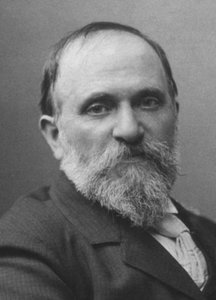
トーマス・ホベンデン
1840 - 1895 , アイルランド
基本情報
- Artistic Movement Or Style: 写実主義
- Artists Or Movements Influenced By This Artist:
- アレクサンダー・スターリング・カルダー
- ロバート・アンリ
- Artists Who Influenced This Artist:
- カバネル
- ロバート・ワイリー
- Date Of Birth: 1840年12月28日
- Date Of Death: 1895年8月14日
- Full Name: トーマス・ホベンデン
- Nationality: アイルランド系アメリカ人
- Notable Artworks:
- ジョン・ブラウンの最期の瞬間
- 故郷を離れる
- クロエとサム
- 安らぎの時間
- Place Of Birth: ダンマンウェイ、アイルランド
関連記事
ジョン・シンガー・サージェント:至高の25選 - 美と光の肖像画の世界 | ArtsDot
ジョン・シンガー・サージェントの至高の25選。肖像画、写実主義、光と影の表現が美しい作品群を紐解きます。マダムXや少女の肖像など、時代を超えて愛される名作をArtsDotで鑑賞。高品質なアート複製で、お部屋に美術館のような空間を。今すぐコレクションをご覧ください。
John George Brown: Capturing American Life & Sentiment in 19th-Century Genre Painting
Explore the captivating genre paintings of John George Brown, celebrated for his realistic depictions of 19th-century American life. Discover his legacy & find museum-quality reproductions at ArtsDot.

ジョン・コンスタブルの傑作25選:英国風景画の巨匠が描く自然と光の詩 | ArtsDot
ジョン・コンスタブルの傑作25選。英国風景画の巨匠が描く自然と光の詩の世界へ。ロマン主義を代表する絵画、デダム・ヴェールやヘイ・ウェインなど、ArtsDotで高品質なアートプリントをお楽しみください。インテリアに深みと感動を。コレクションはこちら。

Grant Wood & American Regionalism: Identity, Myth & the Rural Landscape
Explore the world of Grant Wood & American Regionalism with ArtsDot. Discover the symbolism behind 'American Gothic', recurring themes, and the movement's lasting impact on art history. High-quality reproductions available.
Harper's Weekly & the Anonymous Hand: Artistic Identity in 19th-Century America
Explore the fascinating world of Harper's Weekly & its often-anonymous artists! Discover Winslow Homer, Thomas Nast, and the impact of 19th-century illustration on American visual culture. A deep dive for art history enthusiasts.

