

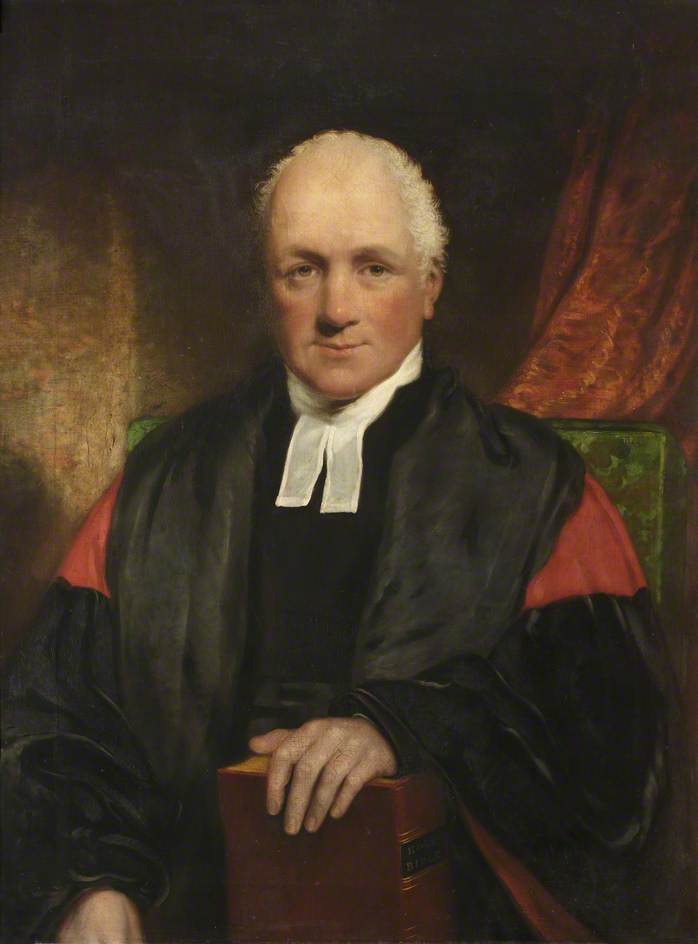
 プレビュー
プレビュー
 プリントを購入
 シェアする
シェアする シェアする
シェアする
 詳細を見る
詳細を見る

 ダウンロード
 似ている作品
 X線調査
X線調査 スライドショー
Henry Foulkes (1773–1857)
 90.0 x 70.0 cm
 Jesus College
 詳細を見る
詳細を見る




































作品のオリジナル比率に合わせた、当店の規定サイズからお選びください。

特定のフレームやスペースに合わせて、ご希望のサイズをご入力いただけます。選択されたサイズが元の画像の比率と異なる場合、アートワークをトリミングするか、手描きで要素を追加して絵画を拡張いたします。デジタルモックアップ を制作し、制作開始前にご確認(承認)をいただきます。
画面上のプレビューは、実際のトリミングや拡張を正確に反映しているものではありません。最終的な構図は、モックアップによってのみ正確にご確認いただけます。
カスタムサイズもご利用いただけますが、元の比率を維持するためには、あらかじめ用意されたリストからサイズを選択することをお勧めいたします。
ご注文後、ArtsDot.com チームより詳細な指示をお送りするとともに、仕上がりイメージ(モックアップ)をご提供いたします。


 ガラスオプションは、110cm未満のサイズでのみご利用いただけます。

Henry Foulkes (1773–1857)
複製技法
複製画のサイズ
-


合計金額
$ 263
関連作品









アーティストの略歴
A Pioneer of the Iron Road: The Life and Legacy of Thomas Kirby
In the heart of the nineteenth century, as the rhythmic pulse of the Industrial Revolution began to reshape the very landscape of Europe, a new kind of vision was emerging. Thomas Kirby (1814–1886), born in the coastal serenity of Cherbourg, Normandy, stood at the forefront of this transformation. While many of his contemporaries sought solace in the pastoral stillness of the countryside, Kirby found a profound, moving beauty in the steel and steam of the burgeoning railway era. His artistic journey was deeply rooted in classical tradition, having undergone a formative apprenticeship under the legendary Jean-François Millet. From Millet, the master of French rural life, Kirby inherited an unparalleled eye for meticulous detail and a reverence for the truth found in observation. Yet, where his mentor captured the quiet dignity of the peasant, Kirby turned his gaze toward the locomotive, blending a rigorous realism with a romantic idealism that celebrated the dawn of modern engineering.
Kirby’s development as an artist was marked by a unique synthesis of technical precision and atmospheric storytelling. He did not merely paint machines; he documented the architectural soul of a changing world. To achieve the level of accuracy for which he became renowned, Kirby immersed himself in the study of engineering principles. He painstakingly recreated the complex geometry of bridges, the shadowed depths of tunnels, and the bustling vitality of railway stations. This dedication allowed him to capture the tangible reality of Victorian progress, ensuring that every bolt, rail, and steam plume felt authentic to the viewer. His work served as a bridge between the old world of romantic landscapes and the new world of industrial dynamism, making him a vital chronicler of the era's technological triumphs.
Mastery of Motion and the Industrial Landscape
The breadth of Kirby’s oeuvre is staggering, comprising over 300 paintings that serve as an invaluable visual archive of nineteenth-century transportation infrastructure. His commissions from major railway companies across England and France allowed him to traverse the most significant arteries of European commerce, capturing the essence of both British and French progress. In his celebrated works, one can witness a masterful command of light and movement:
- The Bridge Over the River Avon: A breathtaking display of architectural grandeur, where Kirby utilizes atmospheric perspective to lend a sense of immense scale and structural weight to the crossing.
- The Station at Rouen: A vibrant tableau that captures the frantic, organized chaos of a French railway terminus, rendered with such realism that the viewer can almost hear the hiss of escaping steam.
- The Locomotive Engine: A testament to his ability to convey kinetic energy, using fluid brushstrokes to suggest the raw power and unstoppable momentum of the iron horse.
Beyond the mere documentation of steel, Kirby’s paintings possess a poetic quality that elevates them above simple technical illustrations. He understood that the railway was not just a mode of transport, but a symbol of human ambition and the shrinking of distances. Through his use of light—often capturing the way sunbeams pierce through station canopies or reflect off polished metal—he imbued these industrial scenes with a sense of wonder and even divinity. His ability to balance the cold, hard reality of iron with the soft, ephemeral qualities of atmosphere ensured that his work resonated emotionally with an audience caught between tradition and progress.
Historical Significance and Artistic Endurance
The historical importance of Thomas Kirby lies in his role as a visual historian of the Industrial Revolution. At a time when the world was being fundamentally rewired by tracks and rails, Kirby provided the definitive imagery for this transition. His paintings offer modern scholars an intimate look at the engineering feats and social shifts of the Victorian age. He captured the precise moment when the landscape ceased to be merely organic and began to incorporate the permanent, rhythmic structures of man-made industry.
Though his name may not carry the same immediate recognition as the masters of Impressionism, Kirby’s contribution to the genre of railway art is foundational. He paved the way for a specialized form of landscape painting that found beauty in the mechanical and the monumental. Today, his legacy lives on through the collections that house his works, reminding us of a time when the arrival of a train was not just a scheduled event, but a profound symbol of a world moving ever forward into the unknown.
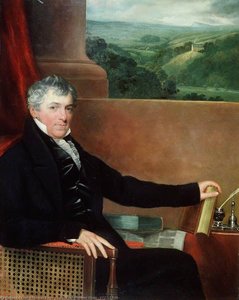
thomas kirby
1814 - 1886
基本情報
- Artistic Movement Or Style: Romanticism
- Artists Or Movements Influenced By This Artist: ['Jean-François Millet']
- Artists Who Influenced This Artist: ['George Romney']
- Date Of Birth: 1814
- Date Of Death: 1886
- Full Name: Thomas Kirby
- Nationality: British
- Notable Artworks: ['The Railway Station']
- Place Of Birth: Cherbourg

