

 プレビュー
プレビュー
 プリントを購入
 シェアする
シェアする シェアする
シェアする
 詳細を見る
詳細を見る

 ダウンロード
 似ている作品
 X線調査
X線調査 スライドショー
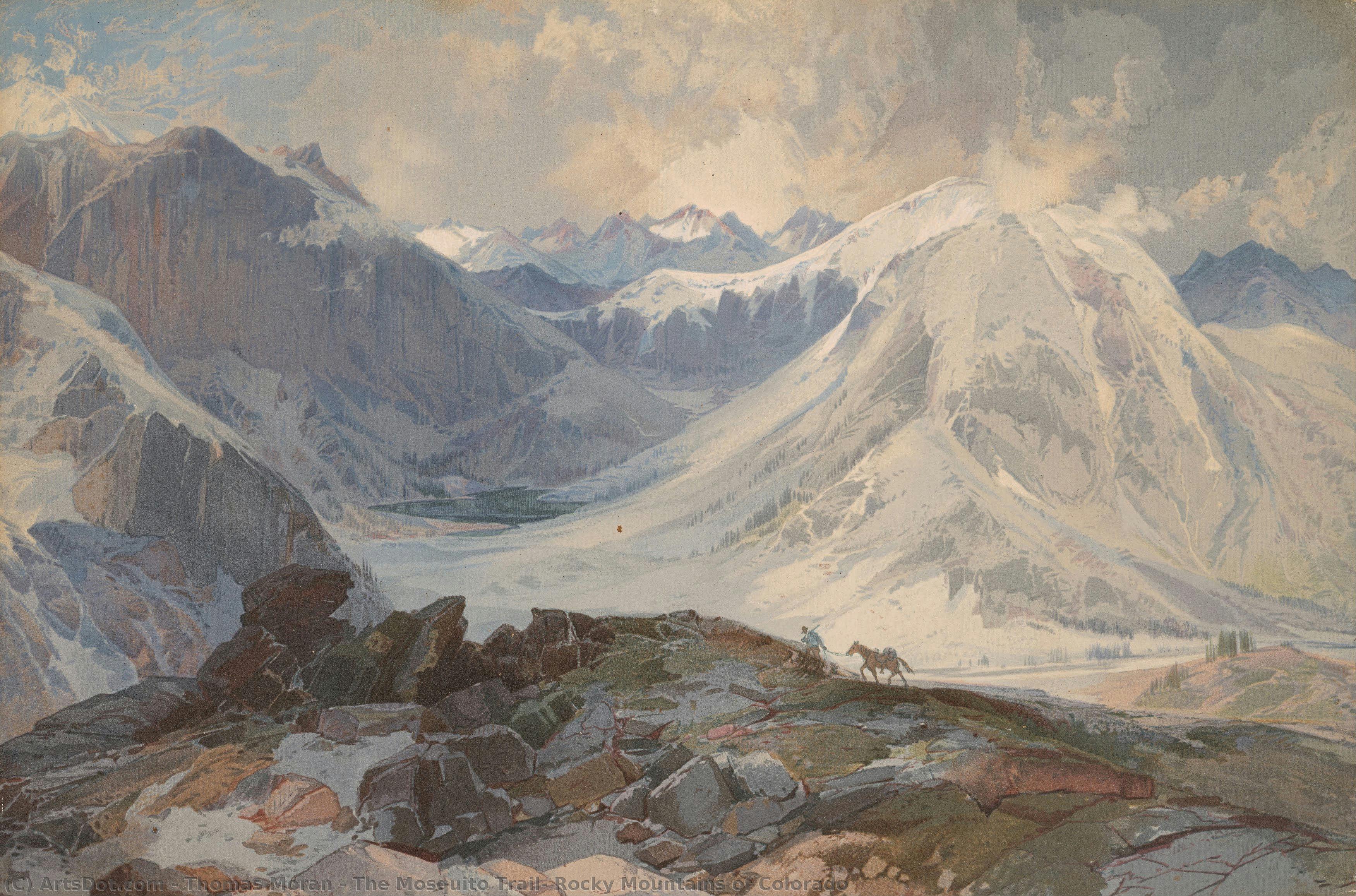
The Mosquito Trail, Rocky Mountains of Colorado


 詳細を見る
詳細を見る




P118B $10

P118H $10

P118W $10

P438Z $10

P508JH $12

P508YH $12

P805H $10

P805Z $10

P919BZ $10

P919G $10

P919XJ $10

P959ZH $10

P968JZ $12

W106C $8

W218G $10

W218JH $8

W218Y $10

W307PJ $10

W316G $10

W316PJ $8

W316Y $10

W398PJ $8

W4111J $10

W500HY $15

W500JH $15

W692G $12

W849H $8

W940BG $15

W953PJ $8




作品のオリジナル比率に合わせた、当店の規定サイズからお選びください。

特定のフレームやスペースに合わせて、ご希望のサイズをご入力いただけます。選択されたサイズが元の画像の比率と異なる場合、アートワークをトリミングするか、手描きで要素を追加して絵画を拡張いたします。デジタルモックアップ を制作し、制作開始前にご確認(承認)をいただきます。
画面上のプレビューは、実際のトリミングや拡張を正確に反映しているものではありません。最終的な構図は、モックアップによってのみ正確にご確認いただけます。
カスタムサイズもご利用いただけますが、元の比率を維持するためには、あらかじめ用意されたリストからサイズを選択することをお勧めいたします。
ご注文後、ArtsDot.com チームより詳細な指示をお送りするとともに、仕上がりイメージ(モックアップ)をご提供いたします。


 ガラスオプションは、110cm未満のサイズでのみご利用いただけます。

The Mosquito Trail, Rocky Mountains of Colorado
複製技法
複製画のサイズ
-


合計金額
$ 263
作品解説
A Vista of Majesty: Thomas Moran’s “The Mosquito Trail”
Thomas Moran's "The Mosquito Trail, Rocky Mountains of Colorado," painted in 1875, isn’t merely a landscape; it’s an immersive experience. This monumental work, rendered in oil on canvas, captures the raw, untamed spirit of the American West during a pivotal era of exploration and westward expansion. More than just a depiction of mountains and snow, it's a testament to the power of nature and the burgeoning fascination with the unexplored territories of North America – a feeling keenly felt by Moran himself, having emigrated from England seeking opportunity in this very landscape.
Moran’s artistic journey was deeply intertwined with the scientific expeditions that were charting the American West. He joined Ferdinand Vandeever Hayden's Geological Survey in 1871, tasked with documenting the extraordinary beauty and geological wonders of Yellowstone National Park – a region then largely unknown to the wider world. This expedition profoundly shaped Moran’s artistic vision, moving him beyond simple representation towards an evocative portrayal of the West’s grandeur. The painting itself is a direct result of this experience, capturing the scale and drama he witnessed firsthand.
A Symphony of Color and Light
The color palette immediately establishes a mood of serene majesty. Dominated by cool grays, blues, and whites – mirroring the vast expanse of the snow-covered peaks and the overcast sky – the painting avoids overt warmth, instead conveying a sense of quiet contemplation. Subtle hints of light reflect off the snowfields and rocky outcrops, creating delicate highlights that prevent the scene from feeling bleak. Moran masterfully employs atmospheric perspective; distant mountains fade into a hazy blue, diminishing in size and detail to emphasize their immense scale and the vastness of the landscape. This technique, borrowed from the Romantic painters like J.M.W. Turner, creates an illusion of depth that draws the viewer’s eye into the heart of the Rocky Mountains.
Moran's brushwork is both meticulous and expressive. He utilizes a combination of hard, precise lines to define the jagged edges of the mountains and the texture of the rocks, juxtaposed with softer, blended strokes for the clouds and distant peaks. This dynamic interplay creates a sense of movement within the scene – the wind whipping through the snow, the clouds shifting across the sky. The artist’s layering technique is evident in the subtle gradations of color, building up depth and atmosphere with each carefully applied brushstroke.
The Horses as Symbols of Human Presence
Scattered throughout the midground are several horses – a deliberate inclusion that speaks to the human element within this wild landscape. These animals aren’t simply added for visual interest; they represent the burgeoning frontier spirit, the drive to explore and tame the West. They also subtly acknowledge the impact of westward expansion on the natural world, suggesting a complex relationship between humanity and the untamed wilderness.
The title itself, “The Mosquito Trail,” hints at both the arduous journey required to traverse this terrain and the persistent challenges faced by those who ventured into these remote regions. It’s a reminder that even in such breathtaking beauty, survival demanded resilience and respect for the environment.
A Legacy of American Landscape Painting
"The Mosquito Trail" stands as a quintessential example of the American landscape painting movement known as the Hudson River School. Influenced by Romanticism's emphasis on emotion and nature’s sublime power, Moran’s work captures the awe-inspiring beauty of the American West while simultaneously conveying a sense of its inherent wildness. His meticulous attention to detail, masterful use of color and light, and evocative composition have cemented his place as one of the most celebrated artists of the 19th century – a painter who not only documented the landscape but also captured its very soul.
関連作品
アーティストの略歴
アメリカの荒野を切り開いた先駆者、トーマス・モラン
1837年、イギリスのボルトンに生まれたトーマス・モランは、後に彼が不朽の名作として描き出すことになるアメリカの雄大な風景の中で生きる運命ではありませんでした。しかし、1844年に家族と共にアメリカ合衆国へ移民したことが、彼の人生を大きく変える転機となりました。当時のイギリス本国では産業革命が勃興しつつあり、より良い機会と新たな生活を求めての移住は、若いモランに生涯を通じて海への深い憧憬心を抱かせました。この大西洋を渡る初期の旅は、その後の彼の風景画の中に、かすかながらも一貫して響き続けるテーマとなりました。フィラデルフィアで木版画家として修行を始めた彼は、すぐに単なる画像の複製ではなく、創造することこそが自身の天職であることに気づきます。木版画家としての細部への徹底的なこだわりは、彼の観察力を磨き上げましたが、水彩画の世界の広がりとJ.M.W.ターナーのような芸術家の影響こそが、彼の芸術的魂に火をつけたのです。モランの兄エドワードもまた海景画家であり、彼らはスタジオを共有し、互いに献身的に支え合いながら才能を開花させました。この兄弟間の絆は、アメリカ自身に対する認識を変革するキャリアの基盤を築いたと言えるでしょう。ハドソン・リバー派を超えて
モランの芸術的発展は、ハドソン・リバー派と深く結びついていましたが、彼は最終的にその伝統を超越しました。ハドソン・リバー派の自然への敬意や劇的な光と影の表現を受け継ぎながらも、モランは自身の経験と進化するアメリカのアイデンティティによって形作られた独自の視点をもたらしました。ハドソン・リバー派の画家たちは、多くの場合、荒野を征服し、耕作に適した恵まれた空間として描きました。一方、モランは西部の手つかずの雄大さを畏敬の念と尊敬の気持ちで捉え、そのスタイルは精密な写実性とロマン主義的な理想主義が融合したものでした。彼は単なる風景の記録者ではなく、潜在力と精神的意義に満ちた土地の神話を創造していたのです。ターナーの影響はモランの作品にはっきりと見て取れます—渦巻く空、大気遠近法、そして変容力を秘めた光への強調は、すべてこの芸術的負債を物語っています。しかし、モランはこれらの技法にアメリカ的な感性を吹き込み、西部のユニークな地質構造と広大なスケールに焦点を当てました。国家の拡大を描き出す
モランのキャリアは、激しい国家拡張と探検の時代に頂点に達しました。1871年、彼はほとんどアメリカ人にとって未知だったイエローストーン地域への政府支援による探検に参加します。この旅から生まれたスケッチや絵画は、まさに啓示的なものでした。彼の壮大なキャンバス『イエローストーンのグランドキャニオン』は、当時の驚異的な金額である1万ドルで合衆国政府に購入され、イエローストーンを国の最初の国立公園として設立するための国民的支持を高める上で重要な役割を果たしました。これは単なる芸術的成果ではありませんでした。それは保全のための提唱活動だったのです。モランの芸術は西部の美しさを反映するだけでなく、その保護を積極的に形作りました。彼はコロラド川やグランドキャニオンなど、他の重要な風景も描き続け、アメリカの西部を描く第一人者としての名声を確固たるものにしました。彼の作品は探検の精神と新たなフロンティアという約束と同義となりました。遺産と永続的な影響
トーマス・モランの貢献は、息を呑むようなキャンバスだけにとどまりません。彼はアメリカの視覚的アイデンティティを定義し、世代が自身の風景をどのように認識するかに影響を与えました。彼の絵画は単なる場所の表現ではありませんでした。それらは国民的な誇り、環境保護、そして世論に影響を与える芸術の力に関する声明だったのです。 彼の遺産は今日でもアーティストたちにインスピレーションを与え続けており、彼の作品は世界中の美術館やコレクターから高く評価されています。スミソニアンアメリカン・アート・ミュージアムをはじめとする多くの施設が彼の傑作を誇らしげに展示し、彼のビジョンが未来の世代のために永続することを保証しています。ハドソン・リバー派やロッキーマウンテン派に分類されることが多いモランですが、彼の芸術的声は彼自身のもの—観察、想像力、そして自然界への深い敬意が見事に融合したものです。彼は1926年にカリフォルニア州サンタバーバラで亡くなり、その作品群はアメリカの西部の永続的な美しさと脆弱性を私たちに思い出させながら、今もなお人々を魅了し続けています。主要な作品と評価
- イエローストーンのグランドキャニオン (1872): イエローストーン国立公園設立に決定的な役割を果たした重要な絵画。
- コロラドの峡谷 (1873-74): グランドキャニオンの壮大さと劇的な美しさを表現。
- ワイオミング州ジャクソン・ホールの聖なる山々 (1895): 大気遠近法と光への彼の習熟度を示す作品。
- イエローストーン、コロラド、その他の西部地域への探検を描いた数多くのスケッチや水彩画。
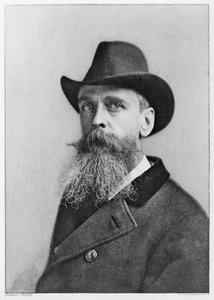
トーマス・モラン
1837 - 1926 , イギリス
基本情報
- Artistic Movement Or Style: ハドソン・リバー派
- Artists Or Movements Influenced By This Artist: ['ロッキー山脈派']
- Artists Who Influenced This Artist: ['J.M.W.ターナー']
- Date Of Birth: 1837年2月12日
- Date Of Death: 1926年8月25日
- Full Name: トーマス・モラン
- Nationality: アメリカ人
- Notable Artworks (List Of Titles):
- イエローストーンの渓谷
- コロラドの峡谷
- Place Of Birth (City And Country): ボルトン、イギリス
関連記事
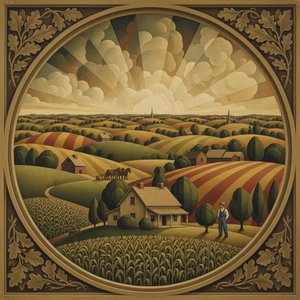
Grant Wood & American Regionalism: Identity, Myth & the Rural Landscape
Explore the world of Grant Wood & American Regionalism with ArtsDot. Discover the symbolism behind 'American Gothic', recurring themes, and the movement's lasting impact on art history. High-quality reproductions available.
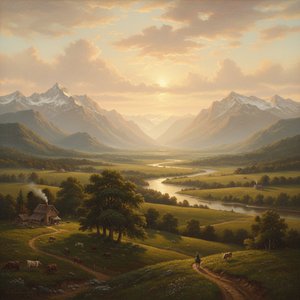
Thomas Hill: Luminosity, Landscape & the American Pastoral Ideal
Explore the luminous landscapes of Thomas Hill, a pivotal figure in the Hudson River School & Luminism movements. Discover his artistic journey, philosophical depth, and enduring legacy with ArtsDot.

Evocations of Place: A Historical Journey Through Landscape Art
Explore the rich history of landscape art with ArtsDot. Discover renowned artists, movements like Impressionism & Romanticism, and expert guidance for collecting timeless pieces. Find your perfect serene escape today!
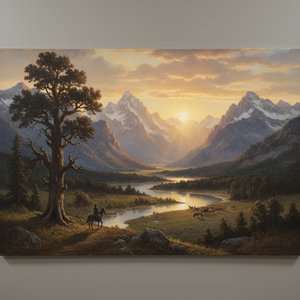
Albert Bierstadt: Luminosity, Landscape & the American Ideal
Explore the breathtaking landscapes of Albert Bierstadt, master of the American West & a leading figure in the Hudson River School. Discover his luminous style and iconic paintings – a timeless investment for art lovers.
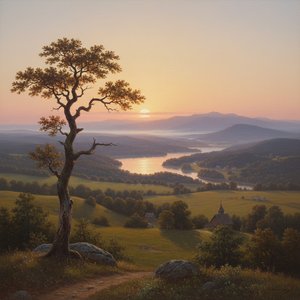
Asher Brown Durand: Luminism, Landscape & the American Ideal – A Comprehensive Exploration
Explore the life & art of Asher Brown Durand, a founding member of the Hudson River School. Discover his masterful landscapes, Luminist techniques, and lasting impact on American painting. Learn about key works like 'Kindred Spirits' & collecting Durand today.

