

 プレビュー
プレビュー
 プリントを購入
 シェアする
シェアする シェアする
シェアする
 詳細を見る
詳細を見る

 ダウンロード
 似ている作品
 X線調査
X線調査 スライドショー
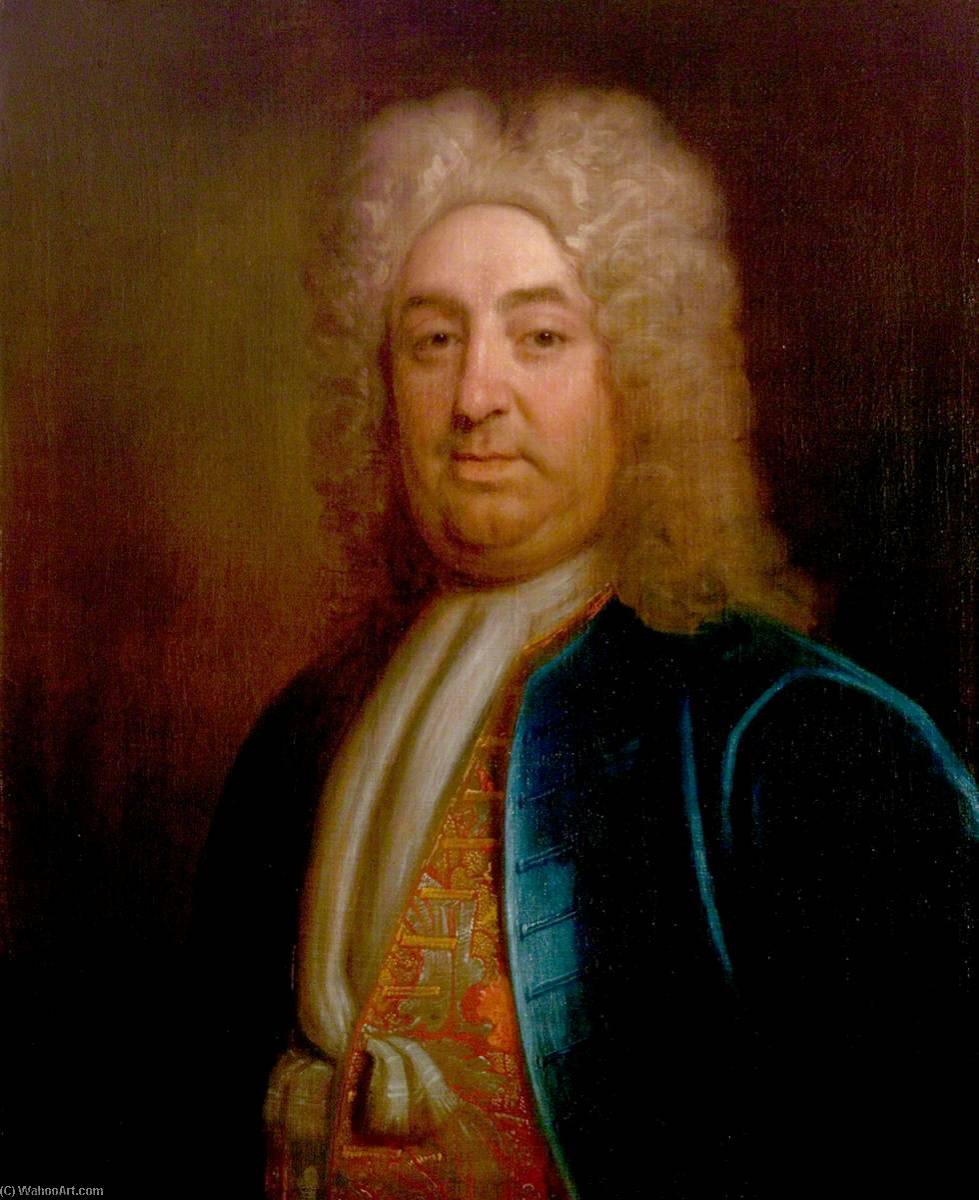
Sir Hugh Clopton (1671–1751)
 Oil On Canvas
- WallArt
- Baroque
 1724
1724- Early Modern
 97.0 x 85.0 cm
 Shakespeare Birthplace Trust
 詳細を見る
詳細を見る




P118B $10

P118H $10

P118W $10

P438Z $10

P508JH $12

P508YH $12

P805H $10

P805Z $10

P919BZ $10

P919G $10

P919XJ $10

P959ZH $10

P968JZ $12

W106C $8

W218G $10

W218JH $8

W218Y $10

W307PJ $10

W316G $10

W316PJ $8

W316Y $10

W398PJ $8

W4111J $10

W500HY $15

W500JH $15

W692G $12

W849H $8

W940BG $15

W953PJ $8




作品のオリジナル比率に合わせた、当店の規定サイズからお選びください。

特定のフレームやスペースに合わせて、ご希望のサイズをご入力いただけます。選択されたサイズが元の画像の比率と異なる場合、アートワークをトリミングするか、手描きで要素を追加して絵画を拡張いたします。デジタルモックアップ を制作し、制作開始前にご確認(承認)をいただきます。
画面上のプレビューは、実際のトリミングや拡張を正確に反映しているものではありません。最終的な構図は、モックアップによってのみ正確にご確認いただけます。
カスタムサイズもご利用いただけますが、元の比率を維持するためには、あらかじめ用意されたリストからサイズを選択することをお勧めいたします。
ご注文後、ArtsDot.com チームより詳細な指示をお送りするとともに、仕上がりイメージ(モックアップ)をご提供いたします。


 ガラスオプションは、110cm未満のサイズでのみご利用いただけます。

Sir Hugh Clopton (1671–1751)
複製技法
複製画のサイズ
-


合計金額
$ 263
作品解説
A Glimpse into Eighteenth-Century Grandeur
In the quiet dignity of Thomas Murray’s 1724 portrait, Sir Hugh Clopton emerges from the shadows of history, offering a profound encounter with the elegance of the English Enlightenment. This masterful oil on canvas is far more than a mere likeness; it is a carefully constructed window into an era defined by social hierarchy, refined taste, and the burgeoning prestige of the landed gelerate. As the viewer’s eye meets the subject, there is an immediate sense of presence—a weightiness that commands respect. The composition, a classic three-quarter length depiction, places Clopton slightly off-center, creating a dynamic tension that prevents the portrait from feeling static. Set against a dark, nebulous background, the figure seems to push forward into the viewer's space, a technique reminiscent of the Baroque masters, where light and shadow dance to reveal the soul behind the status.
The artistry of Murray is most strikingly evident in his meticulous handling of texture and light. The painting is a symphony of tactile sensations: the cool, smooth sheen of the white ruffled shirt contrasts sharply with the heavy, luxurious weight of the blue velvet jacket. Every gold thread embroidered into the fabric catches an imaginary light, suggesting a level of opulence that would have been instantly recognizable to his contemporaries as a signifier of immense wealth. Murray’s brushwork is both disciplined and expressive; he uses subtle gradations of pigment to sculpt the contours of Clopton's face, capturing the weathered wisdom in the skin and the intricate, architectural curls of the period wig. This interplay of light, originating from the upper left, casts soft shadows that lend a three-dimensional volume to the subject, making the portrait feel less like a flat image and more like a living memory.
Symbolism and the Language of Status
Beyond the technical brilliance lies a rich tapestry of symbolism designed to communicate Clopton’s place in the world. In the early 18th century, portraiture served as a vital tool for legacy-building, and Murray utilizes every element of the subject's attire to weave a narrative of authority. The choice of blue velvet—a costly and prestigious material—combined with the elaborate wig, speaks to a man of significant social standing and intellectual gravity. There is an inherent tension in the portrait between vanity and virtue; while the finery celebrates worldly success, the steady, contemplative gaze of the subject suggests a deeper, more introspective character. For the collector or interior designer, this piece offers a sophisticated focal point that brings a sense of historical continuity and intellectual depth to any curated space.
To possess a reproduction of such a work is to invite a piece of the British Baroque tradition into the modern home. The color palette, dominated by deep blues, earthy browns, and luminous whites, provides a versatile yet commanding presence that complements both classical and contemporary interiors. It serves as an anchor for a room, evoking an atmosphere of timelessness and scholarly elegance. Whether placed in a formal study or a grand hallway, Sir Hugh Clopton continues to perform the very task for which it was originally painted: to captivate the observer, to spark conversation, and to preserve the enduring majesty of a bygone age.
関連作品

アーティストの略歴
Early Life and Apprenticeship
Thomas Murray, born in Scotland in 1663, emerged during a period of significant artistic transition. While details surrounding his early upbringing remain somewhat elusive, it is known that he initially received instruction from a member of the esteemed De Critz family—a lineage renowned for their limner work and heraldic painting. This foundational training likely instilled in Murray a meticulous attention to detail and an appreciation for refined technique. However, recognizing the burgeoning demand for portraiture, his artistic path soon led him to London and the studio of John Riley, arguably the most successful portraitist of the late 17th century England. Riley’s workshop was a hub of activity, catering to the aristocracy and gentry, and Murray quickly absorbed the prevailing style—a focus on capturing likeness with an emphasis on facial features, often leaving the broader composition and background details to assistants. This division of labor was common at the time, but it shaped Murray's early career trajectory.
A Flourishing Portrait Practice
Following Riley’s death in 1691, Murray inherited not only his studio space but also a substantial clientele. He rapidly established himself as a prominent portrait painter, becoming highly sought after by noble patrons and individuals of standing. The early years of the 18th century saw him consistently engaged in commissions, painting members of Parliament, military figures, and other influential personalities. His style, while initially derivative of Riley’s, gradually developed its own distinct character—a refined elegance coupled with a remarkable ability to convey personality through subtle nuances of expression. Murray's success wasn’t solely attributable to his artistic skill; he cultivated a reputation for being courteous, diligent, and attentive to the needs of his sitters, fostering strong relationships that secured repeat business and valuable referrals.
Royal Commissions and Artistic Recognition
A pivotal moment in Murray’s career arrived in 1703 when he received the prestigious commission to paint Queen Anne for the Society of the Middle Temple. This portrait, a testament to his growing reputation, solidified his position among the leading artists of the day. The work exemplifies his mastery of capturing regal bearing and dignified composure. Beyond this significant royal commission, Murray continued to receive commissions from prominent figures, including William Dampier, the renowned explorer, whose portrait showcases his ability to depict character and experience. He was a prolific artist, producing numerous portraits that now grace both public institutions and private collections.
The Uffizi Self-Portrait and Later Life
In 1708, Murray embarked on a journey to Italy, a common practice for aspiring artists seeking inspiration from the Old Masters. During his visit to Florence, he contributed a self-portrait to the esteemed Uffizi Gallery—a gesture that underscored his ambition and desire for recognition within the broader European art world. This portrait, like many of his others, was subsequently engraved, further disseminating his image and style. Despite achieving considerable financial success – it is reported he left £40,000 upon his death in 1734—Murray’s later life was marked by a degree of irony. He had reportedly complained of poverty throughout his career, yet amassed a substantial fortune through shrewd investments alongside his painting practice. His will stipulated the erection of a monument with a bust in Westminster Abbey, but only if it did not prove too costly. Ultimately, his nephew deemed the cost prohibitive and instead buried him in St. Paul’s, Covent Garden, leaving the grand memorial unrealized.
Legacy and Historical Significance
Thomas Murray occupies a fascinating position within the history of British portraiture. He was not an innovator in the same vein as Van Dyck or Reynolds, but he was a highly skilled craftsman who successfully catered to the tastes of his era. His portraits offer valuable insights into the social and political landscape of early 18th-century England, capturing the likenesses of individuals who shaped the nation’s destiny. While often described as a “face painter,” relying on assistants for broader compositional elements, Murray's ability to imbue his sitters with personality and dignity remains undeniable. His work serves as a compelling reminder of the importance of portraiture in documenting history and preserving the memory of those who came before. His contribution lies not in revolutionizing artistic technique but in consistently delivering high-quality portraits that met the demands of a discerning clientele, securing his place as one of Scotland’s most successful portrait painters.
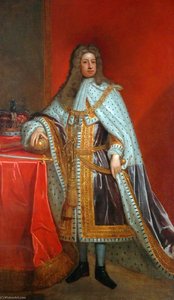
thomas murray
1663 - 1734
基本情報
- Artistic Movement Or Style: Portrait Painting
- Artists Or Movements Influenced By This Artist: ['Dutch Golden Age']
- Artists Who Influenced This Artist: ['John Riley']
- Date Of Death: June 1734
- Full Name: Thomas Murray
- Nationality: Scottish
- Notable Artworks:
- Captain William Dampier
- Sir John Pratt
- Christopher, duke of Albemarle
- Place Of Birth: Scotland
関連記事
Sir Joshua Reynolds' Masterpieces: 25 Portraits of Power & Refinement | ArtsDot
Explore 25 captivating portraits by Sir Joshua Reynolds, a master of British art. Discover stories behind his iconic paintings, elegant style & historical influence. Find museum-quality reproductions and elevate your home decor on ArtsDot.com.

Sir Alfred Munnings' Masterpieces: 25 Paintings That Define Equine Art | ArtsDot
Explore 25 iconic Sir Alfred Munnings paintings! Discover the beauty of British Impressionism, equine art & rural England. Find museum-quality reproductions and elevate your home decor with ArtsDot. Explore the full collection online.

バロックのドラマ:現代のインテリアに壮麗さと情感を取り込む
バロック様式の歴史、絵画、家具の魅力をご紹介。ArtsDotでは、高品質な油絵複製やカスタムポートレートをご提供し、現代のインテリアに壮麗さと情感を取り入れます。アートコンサルテーションも承ります。

バロック美術を極めた至宝:時代を彩る10大名作の世界
バロック美術の華!カラヴァッジョ、ベルニーニら巨匠が創り上げた10大名作を徹底解剖。ドラマチックな色彩と豪華絢爛の世界観に触れ、至宝のアートプリントで空間を彩ろう。ArtsDot.comで美術館品質の複製と洗練されたインテリアを見つけましょう!

The Dramatic Flourish: Exploring the Baroque Movement's Enduring Legacy in Art History
Explore the dramatic world of Baroque art! Discover iconic artists like Caravaggio & Rubens, defining techniques, and its lasting impact on art history. Expert insights for collectors & enthusiasts at ArtsDot.

