

 プレビュー
プレビュー
 シェアする
シェアする シェアする
シェアする
 詳細を見る
詳細を見る

 ダウンロード
 似ている作品
 X線調査
X線調査 スライドショー
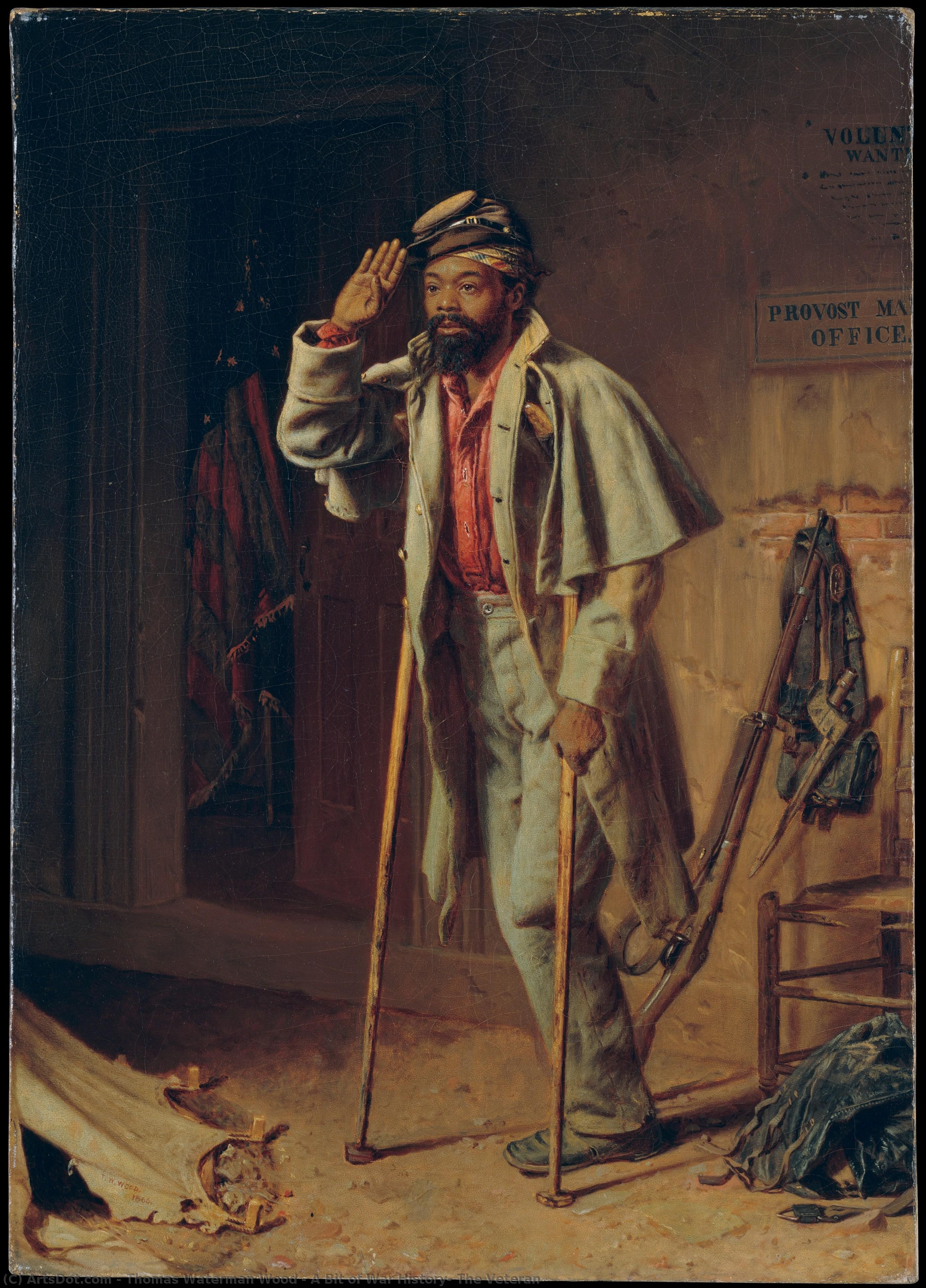
A Bit of War History: The Veteran
 Acrylic On Canvas
- WallArt
- Hudson River School
 1866
1866- 19th Century
 72.0 x 51.0 cm
 メトロポリタン美術館
 詳細を見る
詳細を見る
ジークレー/アートプリント
迅速な制作と多彩な仕上げオプションを備えた、ミュージアムクオリティのジークレーまたはキャンバスプリント。 ( 手描きの絵画を購入 画像を購入)




P118B $10

P118H $10

P118W $10

P438Z $10

P508JH $12

P508YH $12

P805H $10

P805Z $10

P919BZ $10

P919G $10

P919XJ $10

P959ZH $10

P968JZ $12

W106C $8

W218G $10

W218JH $8

W218Y $10

W307PJ $10

W316G $10

W316PJ $8

W316Y $10

W398PJ $8

W4111J $10

W500HY $15

W500JH $15

W692G $12

W849H $8

W940BG $15

W953PJ $8




作品のオリジナル比率に合わせた、当店の規定サイズからお選びください。

特定のフレームやスペースに合わせて、ご自身でサイズを指定することも可能です。選択されたサイズが元の画像の比率と一致しない場合、作品をトリミングするか、鏡面反射または単色での塗りつぶしによって画像を拡張いたします。制作を開始する前に、ご確認用のデジタルモックアップをお送りいたします。
画面上のプレビューには、実際のトリミングや拡張は反映されませんのでご注意ください。最終的な構図を正確に確認できるのは、モックアップのみとなります。
カスタムサイズも承っておりますが、元の比率を維持するためには、あらかじめ用意されたリストからサイズを選択することをお勧めいたします。


 ガラスオプションは、110cm未満のサイズでのみご利用いただけます。

A Bit of War History: The Veteran
ジークレー/アートプリント
複製画のサイズ
-


合計金額
$ 62
A Bit of War History: The Veteran – A Testament to Resilience
Thomas Waterman Wood’s “A Bit of War History: The Veteran,” painted in 1866, is more than just a portrait; it's a poignant snapshot of American history and the burgeoning recognition of African American contributions during the final years of the Civil War. Executed in oil on wood, this triptych – alongside "The Contraband" and “The Recruit” – offers a deeply empathetic portrayal of a formerly enslaved man transformed into a soldier and, ultimately, a veteran seeking his due. The painting’s intimate scale of 72 x 51 cm invites the viewer to engage with the subject's quiet dignity and unspoken struggles.
- Subject & Narrative: The central figure, an older gentleman in a formal suit and top hat, immediately draws attention. His stance – one leg raised, hat held aloft – speaks of both military experience and perhaps a lingering physical impairment, likely the result of combat. This detail is crucial; Wood deliberately depicts him as an amputee, subtly challenging prevailing stereotypes and highlighting the sacrifices made by African American soldiers in the U.S. Colored Troops.
- Contextual Significance: Created at the close of the war, “The Veteran” reflects a pivotal moment in American history. By 1866, over ten percent of the United States Army and Navy were comprised of Black men who bravely fought for their freedom and the preservation of the Union. Wood’s work stands as a testament to their valor and deserves recognition within the broader narrative of Reconstruction.
Technique & Style – A Vermont Painter's Empathetic Vision
Wood’s style is characterized by a restrained realism, typical of the Hudson River School but imbued with a distinctly humanistic touch. The application of paint is meticulous, creating subtle gradations in tone and texture that lend depth to the figure and the surrounding environment. Note the careful rendering of the fabrics – the suit, tie, and hat – suggesting both wealth and dignity. The background, featuring a simple chair, dining table, and scattered bottles, adds to the painting’s sense of domesticity and reinforces the idea of the veteran returning home, albeit with visible scars.
- Color Palette: The muted color palette – dominated by browns, grays, and ochres – contributes to the painting's somber mood. This restrained use of color emphasizes the subject’s age and hardship while simultaneously conveying a sense of quiet dignity.
- Composition: The composition is carefully balanced, with the figure occupying the central space and drawing the viewer’s eye. The placement of the bottles adds visual interest without distracting from the main subject.
Symbolism & Emotional Impact – Beyond the Portrait
"A Bit of War History: The Veteran" transcends a simple portrait; it's a powerful symbol of resilience, dignity, and the enduring struggle for equality. The veteran’s posture—one leg raised, hat held high—can be interpreted as an assertion of pride and self-respect in the face of adversity. The presence of the pension office in the background subtly suggests the legal battles fought to secure compensation for Black veterans, highlighting the systemic challenges they faced even after their service.
- Caricature vs. Humanity: Wood’s decision to portray a dignified African American man rather than relying on prevalent caricatured representations of the time is particularly significant. This empathetic approach elevates the subject and underscores the humanity of those who fought for their country.
- Emotional Resonance: The painting evokes a profound sense of empathy and respect, prompting viewers to consider the sacrifices made by African Americans during the Civil War and the ongoing struggle for racial justice.
A Valuable Reproduction – Bringing History Home
This hand-painted reproduction captures the essence of Wood’s original masterpiece, offering a stunning addition to any art collection or interior design scheme. The meticulous attention to detail and the evocative atmosphere of the painting will undoubtedly spark conversation and inspire reflection. Its size (72 x 51 cm) makes it suitable for a variety of spaces, from formal studies to more casual living areas. Own a piece of American history – a testament to courage, resilience, and the enduring pursuit of equality.
関連作品

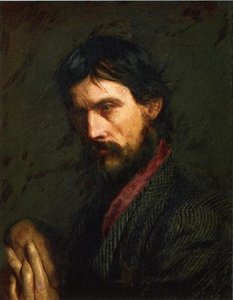
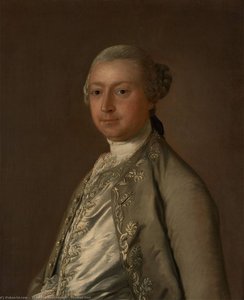
アーティストの略歴
トマス・ウォーターマン・ウッドの生涯と芸術
1823年にモンペリエ、アメリカ合衆国で生まれたトマス・ウォーターマン・ウッドは、その時代を代表するジャンル画家の一人として知られています。南北戦争後のアメリカにおける農村生活を描いた作品群や、アフリカ系アメリカ人の心情に深く寄り添った作品を通して、彼は19世紀アメリカ美術史において重要な位置を占めています。ウッドの写実的なスタイルと歴史的意義は、今日においても多くの人々を魅了し続けています。初期のキャリアと芸術への傾倒
ウッドの幼少期や青年時代については詳細な記録が残っていませんが、彼は早くから絵画に才能を示し、その才能を開花させるために努力を重ねました。特に彼に影響を与えたのは、ウィリアム・オリバー(1804-1853)であり、彼の指導のもとで基礎的な技術を習得しました。ウッドは、当時のアメリカ社会における農村生活や人々の暮らしを描くことに強い関心を持ち、その情景をキャンバスに再現することに情熱を注ぎました。南北戦争後のアメリカの風景
南北戦争終結後、ウッドは戦後の混乱と変化の中で生きる人々の姿を描き始めました。彼の作品には、再建期における社会的な課題や、アフリカ系アメリカ人の苦難と希望が克明に描かれています。特に注目されるのは、彼が描いたアフリカ系アメリカ人の肖像画であり、それらは単なる容姿の描写にとどまらず、彼らの内面にある尊厳や強さを表現しています。ウッドは、当時の社会における偏見や差別と闘いながら、人種間の理解を深めるための芸術活動に尽力しました。写実主義と歴史的意義
ウッドの作品は、その写実的な描写と細部へのこだわりによって高く評価されています。彼は、光と影の効果を巧みに利用し、被写体の立体感や質感を鮮やかに表現しました。また、彼の作品には、当時のアメリカ社会における人々の生活様式や風俗習慣が忠実に再現されており、歴史的な資料としても貴重な価値を持っています。ウッドの芸術は、単なる美しさだけでなく、社会的なメッセージを伝えるための手段として用いられ、多くの人々に感動と共感を与えました。ウッドの遺産
トマス・ウォーターマン・ウッドは、1903年にその生涯を閉じましたが、彼の芸術は今日においても色褪せることなく輝き続けています。彼の作品は、アメリカ美術史における重要な遺産として、多くの美術館やギャラリーに所蔵されています。また、彼の作品を研究する学者や批評家も後を絶たず、ウッドの芸術に対する関心はますます高まっています。ウッドの描いた風景や人々は、私たちに過去の時代を生きる人々の姿を鮮やかに伝え、未来への希望と勇気を与えてくれます。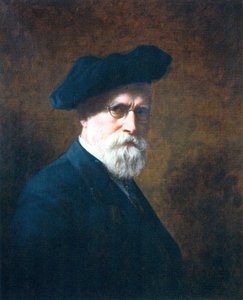
トーマス・ウォーターマン・ウッド
1823 - 1903 , アメリカ合衆国
基本情報
- Artistic Movement Or Style: 風俗画/写実主義
- Artists Or Movements Influenced By This Artist: ['バーミングハム派']
- Artists Who Influenced This Artist: ['ウィリアム・オリバー']
- Date Of Birth: 1823年
- Date Of Death: 1903年
- Full Name: トーマス・ウォーターマン・ウッド
- Nationality: アメリカ人
- Place Of Birth (City And Country): アメリカ合衆国モンペリア
関連記事

Grant Wood & American Regionalism: Identity, Myth & the Rural Landscape
Explore the world of Grant Wood & American Regionalism with ArtsDot. Discover the symbolism behind 'American Gothic', recurring themes, and the movement's lasting impact on art history. High-quality reproductions available.
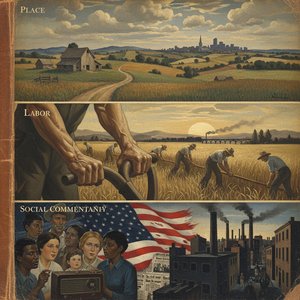
American Regionalism: A Crucible of Identity – Exploring Themes of Place, Labor & Social Commentary
Explore American Regionalism's powerful depiction of the American heartland during the Great Depression. Discover Grant Wood, Thomas Hart Benton & more. Expert analysis & high-quality art reproductions at ArtsDot.
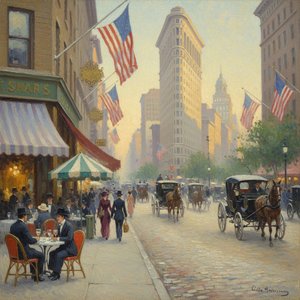
Frederick Childe Hassam: American Impressionism's Chronicler of Light & Modern Life
Explore the captivating world of Frederick Childe Hassam, a pioneer of American Impressionism. Discover his iconic paintings capturing light, urban life & coastal beauty. Learn about his legacy and influence on American art history.

Capturing a Nation's Light: Exploring the American Impressionist Movement
Explore the captivating world of American Impressionism! Discover key artists, techniques & its lasting impact on art history. Find museum-quality reproductions and expert guidance at ArtsDot.
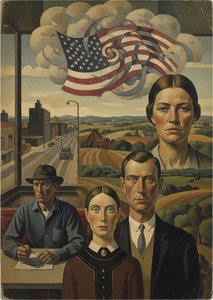
Echoes of Place: Regionalism & American Identity in Interwar Art
Explore the rise of American Regionalism in interwar art! Discover Grant Wood, Thomas Hart Benton & the movement's impact on American identity. Expert analysis & historical context.

