

 プレビュー
プレビュー
 プリントを購入
 シェアする
シェアする シェアする
シェアする
 詳細を見る
詳細を見る

 ダウンロード
 似ている作品
 X線調査
X線調査 スライドショー
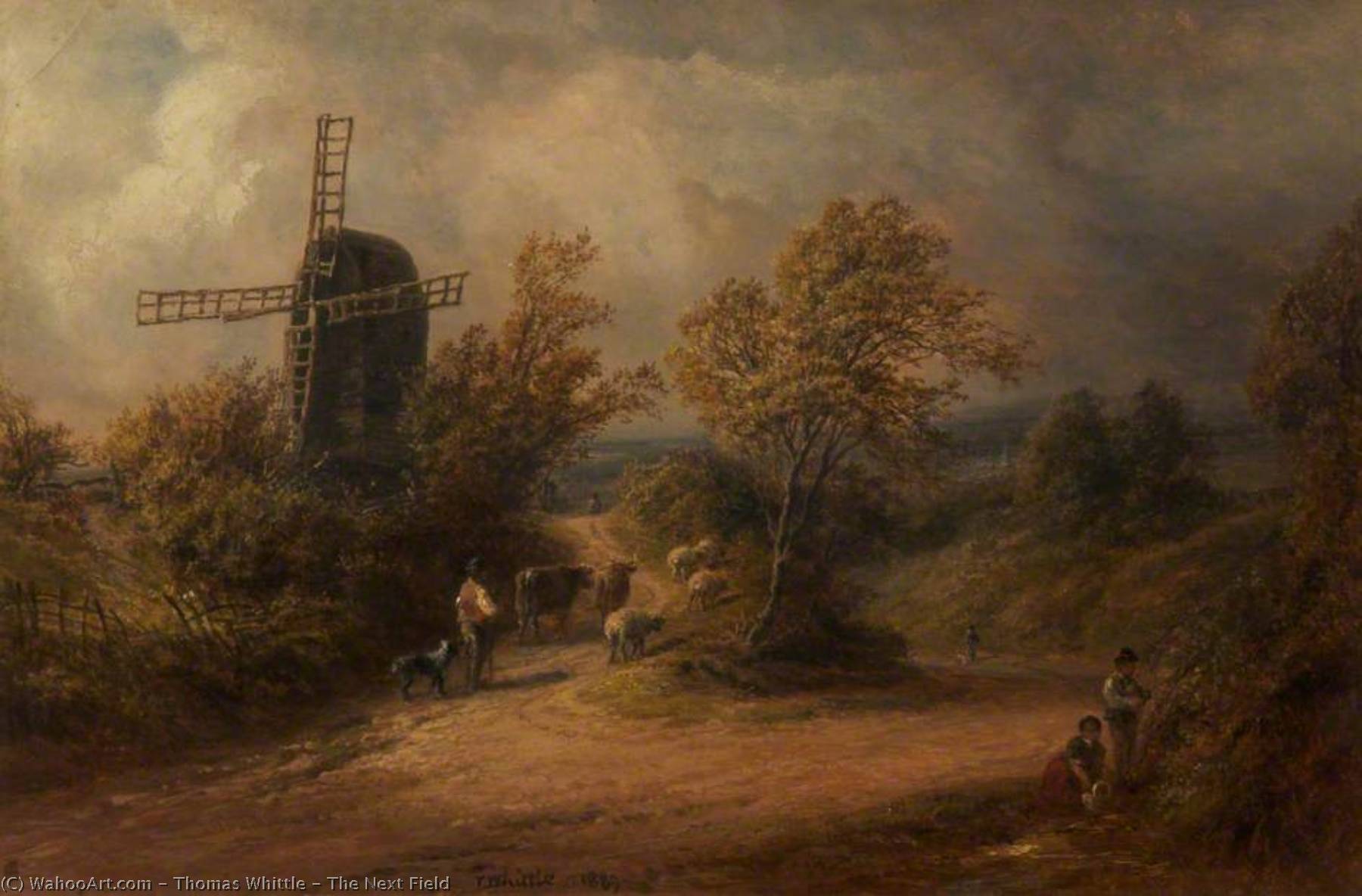
The Next Field
 1889
1889 31.0 x 46.0 cm
 Touchstones Rochdale
 詳細を見る
詳細を見る




































作品のオリジナル比率に合わせた、当店の規定サイズからお選びください。

特定のフレームやスペースに合わせて、ご希望のサイズをご入力いただけます。選択されたサイズが元の画像の比率と異なる場合、アートワークをトリミングするか、手描きで要素を追加して絵画を拡張いたします。デジタルモックアップ を制作し、制作開始前にご確認(承認)をいただきます。
画面上のプレビューは、実際のトリミングや拡張を正確に反映しているものではありません。最終的な構図は、モックアップによってのみ正確にご確認いただけます。
カスタムサイズもご利用いただけますが、元の比率を維持するためには、あらかじめ用意されたリストからサイズを選択することをお勧めいたします。
ご注文後、ArtsDot.com チームより詳細な指示をお送りするとともに、仕上がりイメージ(モックアップ)をご提供いたします。


 ガラスオプションは、110cm未満のサイズでのみご利用いただけます。

The Next Field
複製技法
複製画のサイズ
-


合計金額
$ 263
Composition and Style
The composition of The Next Field is characterized by its use of warm colors and soft brushstrokes, creating a sense of serenity and tranquility. The windmill in the background adds a touch of depth and interest to the painting, while the people walking through the field create a sense of movement and energy. The artist's use of light and shadow also adds to the overall atmosphere of the painting, creating a sense of warmth and comfort. Key Features of the painting include:- The use of warm colors to create a sense of serenity and tranquility
- The windmill in the background, adding depth and interest to the composition
- The people walking through the field, creating a sense of movement and energy
The Tavet museum-Delacour in Pontoise, France is also worth visiting, with its collection of historical artifacts and artworks. As stated on /art/list/?Filter=A@D3BB87-The-Tavet-museum-Delacour-a-Hidden-Gem-in-Pontoise-France, the museum offers a glimpse into the town's rich past and is a must-visit for art lovers.
In conclusion, The Next Field by Thomas Whittle is a beautiful representation of rural life in the late 19th century. Its serene atmosphere, warm colors, and soft brushstrokes make it a must-see for anyone interested in art and history. Visit https://ArtsDot.com to learn more about this painting and other artworks by Thomas Whittle and other artists.
関連作品










アーティストの略歴
The Enigmatic Legacy of Thomas Whittle
To traverse the life and work of Thomas Whittle is to wander through a mist-shrouded landscape where history and folklore intertwine. Often regarded as a figure shrouded in intrigue, Whittle’s true essence lies not in the rigid dates of a ledger, but in the emotive power of his brushstrokes and the lyrical depth of his verse. Whether one considers the 18th-century Northumbrian poet or the 19th-century English landscape painter, the name Whittle evokes a profound connection to the rural soul of Britain. His existence serves as a bridge between the practical realities of agrarian life and the sublime heights of Romantic expression, capturing a world that was slowly transitioning from ancient tradition into the modern era.
The biographical threads of Whittle’s life are often debated by scholars, yet they weave a compelling narrative of a man deeply rooted in the soil. Born in the early 19th century in Beddington, Surrey, his origins were humble, marked by a life of varied labors including roles as a journeyman, furniture dealer, and clerk. This grounded, industrious background provided a unique lens through which to view the natural world. His artistic development was largely self-taught, a testament to an innate fascination with observation that required no formal academy to flourish. In his work, one finds a meticulous attention to the textures of the countryside—the soft light hitting a field, the sturdy presence of livestock, and the quiet dignity of rural labor.
A Vision of Landscape and Light
Whittle’s oeuvre is characterized by an extraordinary ability to translate the serenity of the English landscape into enduring visual poetry. His compositions often feature a harmonious balance between human presence and the vastness of nature. In masterpieces such as Arundel Castle, Sussex and The Next Field, he employs a palette of warm colors and soft brushstrokes to evoke a sense of peace and timelessness. These works are more than mere topographical records; they are atmospheric studies that capture the fleeting moments of light and shadow that define the pastoral experience.
His technical approach reveals an artist deeply attuned to the nuances of his medium:
- Compositional Depth: Through the strategic placement of elements like windmills, horses, and carts, Whittle creates a sense of immense scale and movement within a static frame.
- Luminous Atmosphere: His use of light serves to convey profound psychological states, often imbuing his landscapes with a sense of nostalgic longing or quiet grandeur.
- Symbolic Realism: By incorporating elements of everyday life—such as cattle in a field or travelers on a path—he elevates the mundane to the level of the monumental, celebrating the enduring traditions of the region.
Historical Significance and Enduring Spirit
The historical significance of Thomas Whittle extends far beyond the borders of his canvases. He remains a pivotal figure for those studying the intersection of British Romanticism and local heritage. His ability to blend the observational precision of a naturalist with the emotive spirit of a poet allowed him to preserve the cultural milieu of his time. Even as the industrial revolution began to reshape the landscape, Whittle’s art stood as a sanctuary for the pastoral ideal, documenting a way of life that was both beautiful and vanishing.
Today, his legacy continues to resonate within museum collections and the hearts of art enthusiasts alike. His work serves as a vital link to the past, reminding us of the profound beauty found in the simple, the local, and the enduring. Through his eyes, we are invited to rediscover the magic of the English countryside, finding within his landscapes a timeless reflection of the human spirit's connection to the earth.
thomas whittle
1803 - 1887
基本情報
- Artistic Movement Or Style: Romanticism
- Artists Or Movements Influenced By This Artist: ['Whitcombe']
- Artists Who Influenced This Artist: ['Bacchus']
- Date Of Birth: 1683
- Full Name: Thomas Whittle
- Nationality: English
- Notable Artworks:
- Arundel Castle, Sussex
- Landscape with Horses and a Cart
- The Next Field
- Place Of Birth: Kirkwhelpington, England