

 プレビュー
プレビュー
 シェアする
シェアする シェアする
シェアする
 詳細を見る
詳細を見る

 ダウンロード
 似ている作品
 X線調査
X線調査 スライドショー
 統計情報
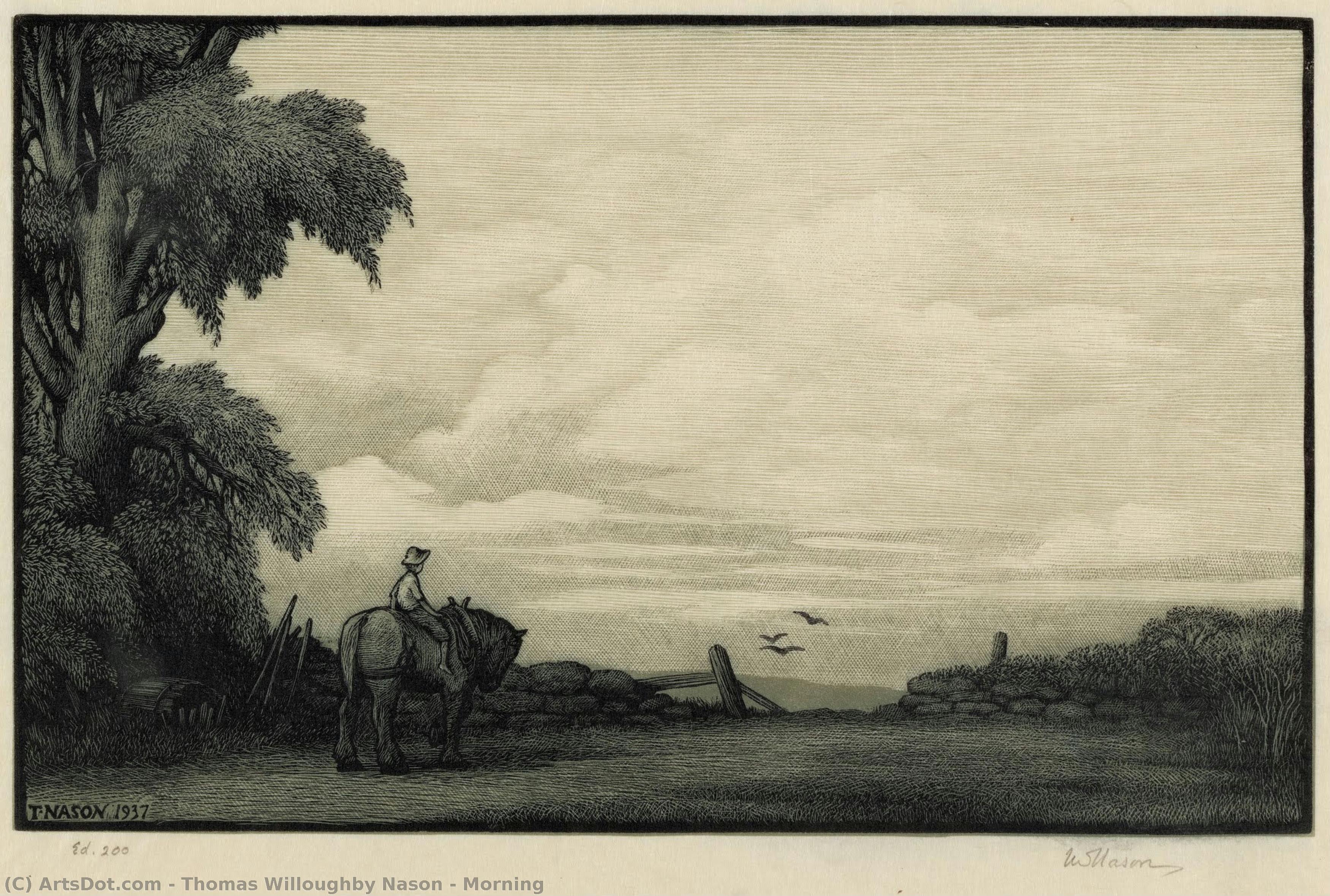
統計情報Morning
 Painting
- American Realism
 1937
1937- Modern
 12.0 x 20.0 cm
 コロンビア大学美術館
 詳細を見る
詳細を見る
ジークレー/アートプリント
迅速な制作と多彩な仕上げオプションを備えた、ミュージアムクオリティのジークレーまたはキャンバスプリント。 ( 手描きの絵画を購入 デジタル画像販売へ切り替え)




P118B $10

P118H $10

P118W $10

P438Z $10

P508JH $12

P508YH $12

P805H $10

P805Z $10

P919BZ $10

P919G $10

P919XJ $10

P959ZH $10

P968JZ $12

W106C $8

W218G $10

W218JH $8

W218Y $10

W307PJ $10

W316G $10

W316PJ $8

W316Y $10

W398PJ $8

W4111J $10

W500HY $15

W500JH $15

W692G $12

W849H $8

W940BG $15

W953PJ $8




作品のオリジナル比率に合わせた、当店の規定サイズからお選びください。

特定のフレームやスペースに合わせて、ご自身でサイズを指定することも可能です。選択されたサイズが元の画像の比率と一致しない場合、作品をトリミングするか、鏡面反射または単色での塗りつぶしによって画像を拡張いたします。制作を開始する前に、ご確認用のデジタルモックアップをお送りいたします。
画面上のプレビューには、実際のトリミングや拡張は反映されませんのでご注意ください。最終的な構図を正確に確認できるのは、モックアップのみとなります。
カスタムサイズも承っておりますが、元の比率を維持するためには、あらかじめ用意されたリストからサイズを選択することをお勧めいたします。


 ガラスオプションは、110cm未満のサイズでのみご利用いただけます。

Morning
ジークレー/アートプリント
複製画のサイズ
-


合計金額
$ 62
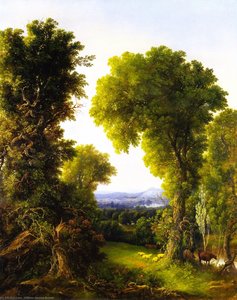
A Quiet Awakening in the New England Landscape
In the soft, burgeoning light of 1937, Thomas Willoughby Nason captured a moment of profound stillness in his evocative work, Morning. This painting serves as a window into a vanishing era, where the rhythm of life was dictated by the sun and the seasons rather than the frantic pace of modernity. At the heart of the composition, a solitary figure mounted on a horse moves through the landscape, acting as a focal point that anchors the viewer in a sense of purposeful movement amidst a tranquil setting. Above this rider, two birds take flight, their silhouettes cutting through the pale morning sky, symbolizing the awakening of nature and the limitless possibilities inherent in a new day.
Nason, an artist deeply rooted in the tradition of American wood engraving, brings a meticulous, almost poetic precision to this canvas. His ability to translate the disciplined eye of an engraver into the fluid medium of paint allows for a breathtakingly detailed depiction of the New England countryside. The background, populated by subtle figures gathered near the edge of the woods, adds a layer of human connection to the scene, suggesting a communal witness to the dawn. These distant observers provide depth and scale, transforming a simple landscape into a narrative about community, observation, and our shared place within the natural world.
Technique and the Art of Atmospheric Depth
The technical mastery displayed in Morning lies in Nason’s sophisticated use of light and atmosphere. The artist employs a delicate palette of earthy greens, soft ochres, and muted sky tones to evoke the specific, dewy temperature of an early morning. Through subtle gradations of color and careful brushwork, he creates a sense of atmospheric perspective, where the trees and distant figures seem to recede into a gentle haze, inviting the viewer to step deeper into the painting. This technique does more than just create realism; it builds a palpable sense of air and moisture, making the scene feel as though one could breathe in the crisp, morning mist.
For the discerning collector or interior designer, this piece offers an unparalleled opportunity to introduce a sense of serenity and timelessness into a living space. The balanced composition—where the weight of the foreground rider is harmoniously offset by the lightness of the sky and the depth of the woodland—makes it a versatile centerpiece for any curated collection. Whether placed in a sunlit study or a quiet reading nook, Morning acts as an emotional anchor, providing a meditative escape into a world defined by dignity, quietude, and the enduring beauty of the rural landscape.
関連作品


アーティストの略歴
Thomas Willoughby Nason: A Poet of the New England Landscape
Born in Shrewsbury, Shropshire, in 1885, Thomas Willoughby Nason’s artistic journey began far from his birthplace, eventually leading him to establish himself as a significant figure in American wood engraving. Initially drawn to the precision and craftsmanship of this traditional art form, Nason’s work quickly transcended mere technical skill, evolving into poignant depictions of rural New England life—a landscape imbued with both quiet dignity and a subtle sense of melancholy. His career spanned nearly four decades, marked by a dedication to meticulous observation, a deep connection to the land, and an ability to capture the essence of a vanishing world.
Nason’s early years at Shrewsbury School provided a solid foundation for his artistic pursuits, fostering a disciplined approach to design and a keen eye for detail. However, it was after relocating to the United States that he truly honed his skills. He initially pursued business ventures but found himself increasingly drawn to the world of art, embracing wood engraving as his primary medium. Unlike many contemporary artists experimenting with avant-garde styles, Nason remained steadfastly rooted in traditional techniques, meticulously studying the craft and developing a distinctive voice within its established framework.
The Art of Wood Engraving: Technique and Vision
Wood engraving, the technique at the heart of Nason’s oeuvre, demanded immense patience and skill. It involved carving intricate designs onto blocks of wood—typically cherry or basswood—using specialized tools. These meticulously crafted blocks were then inked and pressed onto paper, creating images characterized by their remarkable detail and tonal range. Nason's mastery lay not only in his technical proficiency but also in his ability to imbue the process with a sense of poetry. He approached each engraving as a miniature landscape, carefully considering the placement of every line and shadow.
Unlike photographic reproductions that prioritized realism, wood engraving offered a unique opportunity for artistic interpretation. Nason skillfully exploited this advantage, layering textures, suggesting depth, and conveying mood through subtle variations in line weight and tone. His engravings weren’t simply representations of reality; they were carefully constructed narratives—silent stories told through the language of line.
A Landscape of Memory: Subjects and Influences
Nason's artistic vision was profoundly shaped by his deep connection to New England, particularly the rural landscapes surrounding Lyme, Connecticut, where he established his home and studio. He frequently depicted colonial farmhouses, weathered barns, and rolling hills—subjects that evoked a sense of history, resilience, and quiet beauty. These weren’t idealized romanticized scenes; rather, they were honest portrayals of a way of life slowly fading into the past.
While rooted in tradition, Nason's work also reveals subtle influences from Modernism. He shared with other artists of his time a fascination with simplification and abstraction, often reducing complex forms to their essential elements. This can be seen in his use of bold outlines and carefully controlled tonal values—techniques that contributed to the distinctive character of his engravings.
Notable Works and Legacy
Among Nason’s most celebrated works are his illustrations for Robert Frost's poetry, which perfectly captured the poet’s evocative imagery and understated style. These engravings, characterized by their quiet dignity and subtle emotional depth, cemented Nason’s reputation as a master of wood engraving. Other notable pieces include *Morning*, *Haystacks*, and *Passing Cannon Green*, each offering a unique glimpse into his artistic vision.
Thomas Willoughby Nason's legacy extends beyond the individual artworks he created. He is remembered as a champion of traditional craft, a skilled observer of the natural world, and a poet of the New England landscape. His work continues to inspire artists today, demonstrating the enduring power of wood engraving—a medium that allows for both technical precision and artistic expression.
His influence can be seen in numerous museums across the United Kingdom and America, including the British Museum and the Smithsonian American Art Museum. Further information about his life and work is available on ArtsDot.com, where reproductions of his engravings are offered as both prints and hand-painted oil paintings.
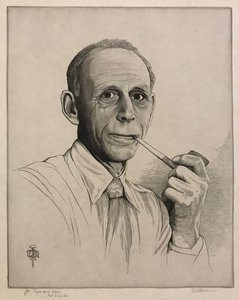
thomas willoughby nason
1885 - 1969 , United Kingdom
基本情報
- Artistic Movement Or Style: Wood engraving
- Artists Or Movements Influenced By This Artist: ['Modernism']
- Artists Who Influenced This Artist: ['Traditional Engraving']
- Date Of Birth: 1885
- Date Of Death: 1969
- Full Name: Thomas Willoughby Nason
- Nationality: British
- Notable Artworks:
- Morning
- Haystacks
- Passing Cannon Green
- Place Of Birth: Shrewsbury, UK
関連記事

Evocations of Place: A Historical Journey Through Landscape Art
Explore the rich history of landscape art with ArtsDot. Discover renowned artists, movements like Impressionism & Romanticism, and expert guidance for collecting timeless pieces. Find your perfect serene escape today!

ロマン派ランドスケープ:時代を彩る巨匠の10選|アートとインテリアの世界
ロマン派絵画の時代を彩る10選。巨匠たちの風景が織りなす感動の世界へ。ターナー、ルーベンスなど、名作の裏話と高精細複製でアートをお部屋に。ArtsDot.comで至福のアート体験を。

ジョン・コンスタブルの傑作25選:英国風景画の巨匠が描く自然と光の詩 | ArtsDot
ジョン・コンスタブルの傑作25選。英国風景画の巨匠が描く自然と光の詩の世界へ。ロマン主義を代表する絵画、デダム・ヴェールやヘイ・ウェインなど、ArtsDotで高品質なアートプリントをお楽しみください。インテリアに深みと感動を。コレクションはこちら。
Serene Visions: Exploring Themes of Tranquility in Art History & Contemporary Practice
Explore the history of serene landscape art & discover artists who evoke tranquility. Find the perfect calming artwork for your home with expert guidance from ArtsDot.

Evoking Tranquility: A Comprehensive Exploration of Serene Landscapes in Art History
Explore the history of serene landscapes in art! Discover renowned artists like Monet & Munch, movements from Impressionism to Tonalism, and find the perfect piece to bring tranquility to your home. Expert insights at ArtsDot.