

 プレビュー
プレビュー
 プリントを購入
 シェアする
シェアする シェアする
シェアする
 詳細を見る
詳細を見る

 ダウンロード
 似ている作品
 X線調査
X線調査 スライドショー
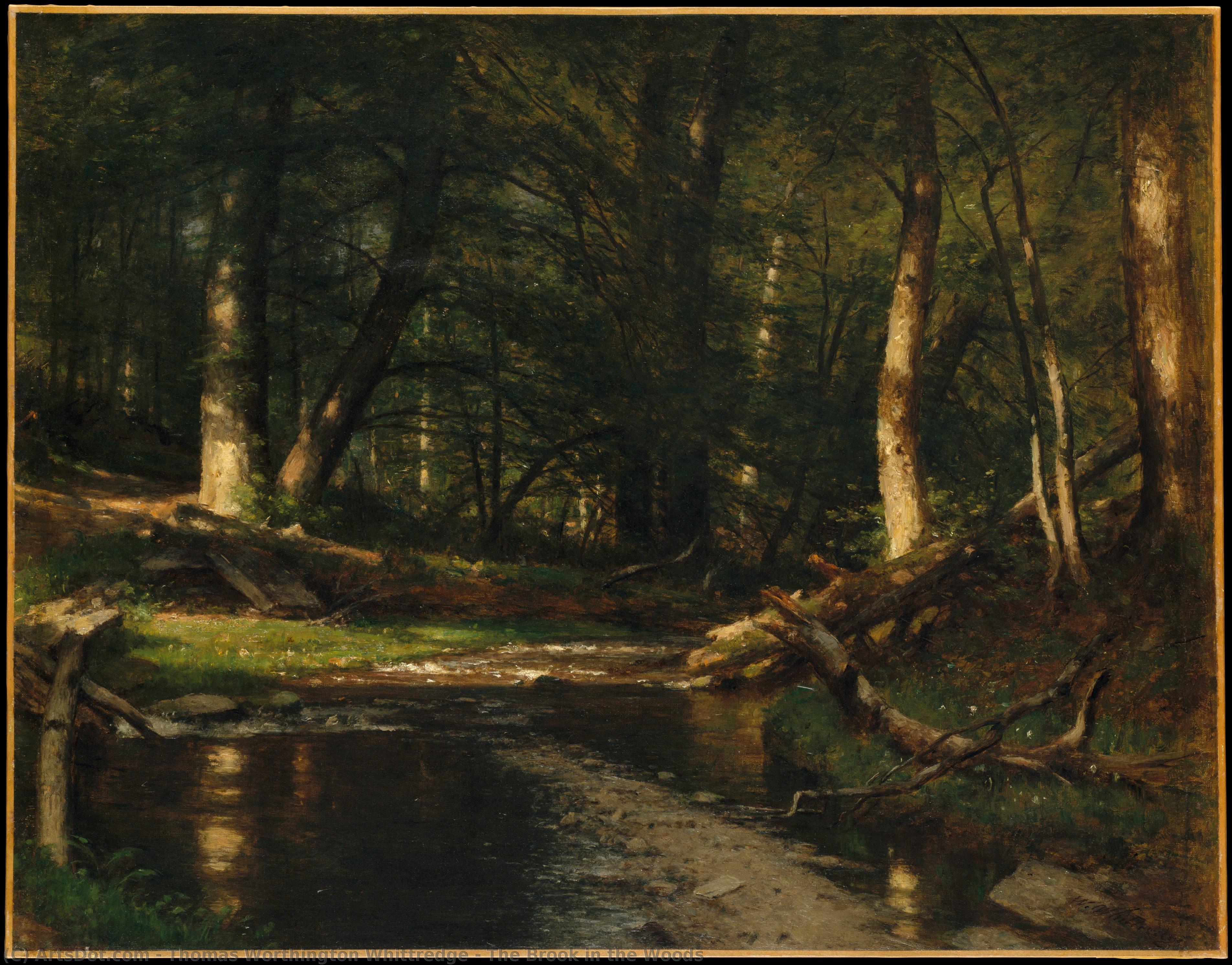
The Brook in the Woods
 Acrylic On Canvas
- WallArt
- Barbizon-inspired Landscape
 1885
1885 71.0 x 91.0 cm
 メトロポリタン美術館
 詳細を見る
詳細を見る




P118B $10

P118H $10

P118W $10

P438Z $10

P508JH $12

P508YH $12

P805H $10

P805Z $10

P919BZ $10

P919G $10

P919XJ $10

P959ZH $10

P968JZ $12

W106C $8

W218G $10

W218JH $8

W218Y $10

W307PJ $10

W316G $10

W316PJ $8

W316Y $10

W398PJ $8

W4111J $10

W500HY $15

W500JH $15

W692G $12

W849H $8

W940BG $15

W953PJ $8




作品のオリジナル比率に合わせた、当店の規定サイズからお選びください。

特定のフレームやスペースに合わせて、ご希望のサイズをご入力いただけます。選択されたサイズが元の画像の比率と異なる場合、アートワークをトリミングするか、手描きで要素を追加して絵画を拡張いたします。デジタルモックアップ を制作し、制作開始前にご確認(承認)をいただきます。
画面上のプレビューは、実際のトリミングや拡張を正確に反映しているものではありません。最終的な構図は、モックアップによってのみ正確にご確認いただけます。
カスタムサイズもご利用いただけますが、元の比率を維持するためには、あらかじめ用意されたリストからサイズを選択することをお勧めいたします。
ご注文後、ArtsDot.com チームより詳細な指示をお送りするとともに、仕上がりイメージ(モックアップ)をご提供いたします。


 ガラスオプションは、110cm未満のサイズでのみご利用いただけます。

The Brook in the Woods
複製技法
複製画のサイズ
-


合計金額
$ 263
作品解説
A Silent Symphony of Light and Shadow: Thomas Worthington Whittredge’s “The Brook in the Woods”
Thomas Worthington Whittredge's "The Brook in the Woods," painted in 1885, isn’t merely a depiction of a forest; it’s an immersion into a realm of quiet contemplation and profound natural beauty. Whittredge, a key figure within the second generation of the Hudson River School, skillfully captured the essence of the American wilderness, drawing inspiration from both the meticulous realism of his predecessors and the evocative atmospheric techniques of French Barbizon painters like George Inness. This piece stands as a testament to his ability to translate the subtle poetry of light and shadow onto canvas, creating an experience that transcends simple observation.
The painting immediately draws the viewer into a dense, moss-covered forest interior. The composition is carefully orchestrated – a gently meandering brook acts as the central artery, guiding the eye through a tapestry of towering trees, their branches interwoven to filter the light and create an almost ethereal glow. Whittredge’s masterful use of color is understated yet remarkably effective; he eschews vibrant hues in favor of muted greens, browns, and blues, lending the scene a sense of timelessness and serenity. The palette feels not of a specific location, but rather of a universal woodland experience.
The Barbizon Influence: A Shift Towards Atmospheric Depth
Whittredge’s decision to embrace the Barbizon style represents a significant evolution in his artistic approach. Unlike the Hudson River School's often highly detailed and scientifically accurate landscapes, Whittredge prioritizes atmosphere and mood. He employs a technique of thick, textured brushstrokes – a hallmark of the Barbizon school – to build up layers of paint, creating a palpable sense of depth and volume. This impasto application isn’t about rendering individual leaves or branches with photographic precision; instead, it's about conveying the feeling of being enveloped by the forest itself. The light seems to emanate from within the trees, casting long, dancing shadows that add to the painting’s dreamlike quality.
The influence of George Inness is particularly evident in Whittredge’s treatment of light and color. Like Inness, who often worked with a limited palette and focused on capturing the subtle nuances of atmospheric perspective, Whittredge seeks to evoke a sense of mood rather than literal representation. The distant mountains, barely discernible through the trees, are rendered in hazy blues and purples, suggesting an immense scale and reinforcing the feeling of being dwarfed by nature’s grandeur.
Symbolism and Emotional Resonance
Beyond its technical mastery, “The Brook in the Woods” resonates with a powerful sense of tranquility and introspection. The brook itself symbolizes the flow of life, while the dense forest represents the mysteries and complexities of the human experience. There’s an undeniable feeling of solitude within the painting—a quiet invitation to pause, reflect, and connect with the natural world. Whittredge wasn't simply recording a landscape; he was attempting to capture a state of mind, a communion with something larger than oneself.
The choice of subject matter – a secluded forest interior – speaks to a broader cultural trend in 19th-century America: a growing appreciation for the restorative power of nature and a desire to escape the pressures of urban life. Whittredge’s work reflects this yearning, offering viewers a glimpse into a world of peace and serenity—a sanctuary from the anxieties of the modern age.
A Timeless Masterpiece – Reproduction Possibilities
Reproductions of “The Brook in the Woods” offer an exceptional opportunity to bring this evocative landscape into any interior space. The rich textures and subtle color palette translate beautifully to high-quality prints, allowing viewers to experience the painting’s atmospheric depth and emotional resonance firsthand. Whether adorning a living room wall or gracing a study, this artwork will undoubtedly serve as a constant source of inspiration and contemplation—a reminder of the enduring beauty and power of the natural world.
関連作品
アーティストの略歴
幼少期と芸術への目覚め
1820年5月22日、オハイオ州スプリングフィールド近郊の丸太小屋で生まれたトーマス・ワーシントン・ウィットリッジは、アメリカの風景画壇にその名を刻むこととなる画家です。幼少期から自然に囲まれた環境で育ち、その美しい景観が彼の芸術的感性を育みました。シンシナティでは肖像画や風景画を描き始めましたが、より深い修練を積むため、1849年にヨーロッパへと渡ります。ウィットリッジは当時重要な美術学校であったデュッセルドルフ・アカデミーで、エマヌエル・ロイッツェの指導を受け、その技法を磨きました。このヨーロッパでの経験は、彼の芸術的基盤を築く上で大きな役割を果たしました。ハドソン・リバー派における独自の表現
ウィットリッジの作品の特徴は、光と柔らかな大気効果への強いこだわりです。彼はハドソン・リバー派第二世代の重要な画家として知られ、その繊細な描写力と詩的な風景表現で高い評価を得ました。アルバート・ビアシュタットやサンフォード・ロビンソン・ギフォードといった同時代の画家たちとの交流も、彼のスタイル形成に大きな影響を与えました。ウィットリッジは、単なる景観の再現にとどまらず、自然の中に潜む精神性や感情を表現しようと試みました。その作品は、緻密な事実に基づいた風景描写でありながら、同時に深い内面世界を反映していると言えるでしょう。代表作とその背景
ウィットリッジの代表作の一つである「キャッシュ・ラ・ポードル川、コロラド州」(1876年)は、ロッキー山脈を背景に広がる川と平原を描いた壮大な作品です。この絵画は、アメリカ西部の雄大な自然を捉えながらも、ウィットリッジ独自の繊細な筆致と光の表現によって、見る者の心を魅了します。彼の作品は、ニューヨーク市のメトロポリタン美術館、ソルトレイクシティのユタ美術館、ワシントンD.C.の Smithsonian American Art Museum など、数多くの美術館に所蔵されており、その芸術的価値を高く評価されています。芸術家としての遺産と影響
ウィットリッジは1874年から1875年までナショナル・アカデミー・オブ・デザインの会長を務め、1876年のフィラデルフィア万国博覧会や1878年のパリ万国博覧会の選考委員も務めました。彼の活動は、アメリカ美術界に大きな影響を与え、多くの画家たちに祖国の自然を探索し表現することを促しました。ウィットリッジの作品は、ロマン主義の影響を受けつつも、独自の様式を確立し、ハドソン・リバー派の風景画壇において重要な位置を占めています。彼の描いたアメリカの風景は、今もなお多くの人々に感動を与え続けています。- 主要な芸術運動: ハドソン・リバー派
- この画家から影響を受けた画家たち: ロマン主義
- この画家に影響を与えた画家たち: エマヌエル・ロイッツェ、アルバート・ビアシュタット
- 生年月日: 1820年5月22日
- 没年月日: 1910年2月25日
- 本名: トーマス・ワーシントン・ウィットリッジ
- 国籍: アメリカ人
- 代表的な作品: 「プラット川を渡る」「森林内部」
- 生誕地: オハイオ州スプリングフィールド
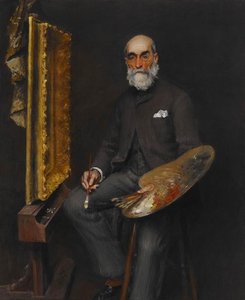
トーマス・ワーシントン・ウィットリッジ
1820 - 1910 , アメリカ合衆国
基本情報
- Artistic Movement Or Style: ハドソン・リバー派
- Artists Or Movements Influenced By This Artist: ['ロマン主義']
- Artists Who Influenced This Artist:
- エマヌエル・ロイッツェ
- アルバート・ビアスタット
- Date Of Birth: 1820年5月22日
- Date Of Death: 1910年2月25日
- Full Name: トーマス・ワーシントン・ウィットリッジ
- Nationality: アメリカ人
- Notable Artworks (List Of Titles):
- キャシュラプードル川にて
- 森林内部
- Place Of Birth (City And Country): オハイオ州スプリングフィールド
関連記事
Thomas Worthington Whittredge: Capturing the American Pastoral Ideal with Luminist Light
Explore the luminous landscapes of Thomas Worthington Whittredge, a key figure in the Hudson River School and master of Luminism. Discover his captivating paintings & legacy with ArtsDot.
ハドソン・リバー派を彩る至宝:10選が示すアメリカ絵画の黄金時代
ハドソン・リバー派の至宝10選を紐解き、アメリカ絵画の黄金時代へ。壮大な自然描写と巨匠たちの技が織りなす感動の世界を体験してください。トーマス・コールからチャーチまで、ArtsDot.comで高品質なアートプリントとインテリアアイデアを見つけましょう。
Robert Spencer: Luminism, Narrative & the American Landscape Tradition
Explore the captivating world of Luminism & the Hudson River School with our expert analysis. Discover the history, artists, and enduring beauty of 19th-century American landscape painting. Find museum-quality reproductions at ArtsDot.
The Sublime Landscape: Exploring the Hudson River School Movement
Explore the captivating world of the Hudson River School! Discover the history, artists, and defining characteristics of this iconic American art movement. Learn about Romanticism's influence & find inspiration for your collection.
Flowing Narratives: Rivers in Painting – A Historical Exploration
Explore the rich history of rivers in painting! Discover masterpieces from ancient times to Impressionism & beyond. Learn about symbolism, artists like Monet & Daubigny, and find your perfect serene artwork at ArtsDot.

