

 プレビュー
プレビュー
 シェアする
シェアする シェアする
シェアする
 詳細を見る
詳細を見る

 ダウンロード
 似ている作品
 X線調査
X線調査 スライドショー
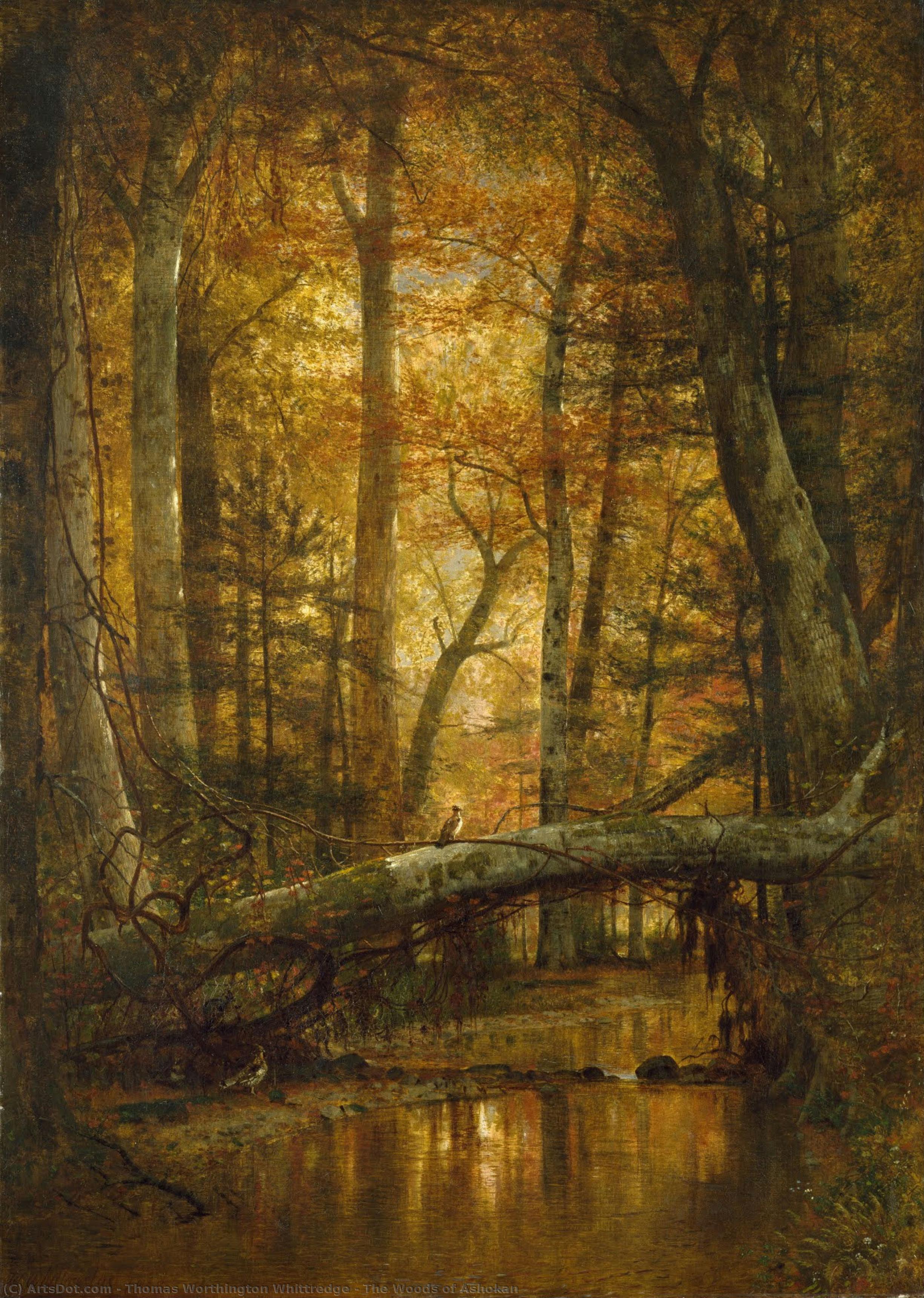
The Woods of Ashokan
 Oil On Canvas
- WallArt
- Hudson River School
 144.0 x 102.0 cm
 Chrysler Museum of Art
 詳細を見る
詳細を見る
ジークレー/アートプリント
迅速な制作と多彩な仕上げオプションを備えた、ミュージアムクオリティのジークレーまたはキャンバスプリント。 ( 手描きの絵画を購入 画像を購入)




P118B $10

P118H $10

P118W $10

P438Z $10

P508JH $12

P508YH $12

P805H $10

P805Z $10

P919BZ $10

P919G $10

P919XJ $10

P959ZH $10

P968JZ $12

W106C $8

W218G $10

W218JH $8

W218Y $10

W307PJ $10

W316G $10

W316PJ $8

W316Y $10

W398PJ $8

W4111J $10

W500HY $15

W500JH $15

W692G $12

W849H $8

W940BG $15

W953PJ $8




作品のオリジナル比率に合わせた、当店の規定サイズからお選びください。

特定のフレームやスペースに合わせて、ご自身でサイズを指定することも可能です。選択されたサイズが元の画像の比率と一致しない場合、作品をトリミングするか、鏡面反射または単色での塗りつぶしによって画像を拡張いたします。制作を開始する前に、ご確認用のデジタルモックアップをお送りいたします。
画面上のプレビューには、実際のトリミングや拡張は反映されませんのでご注意ください。最終的な構図を正確に確認できるのは、モックアップのみとなります。
カスタムサイズも承っておりますが、元の比率を維持するためには、あらかじめ用意されたリストからサイズを選択することをお勧めいたします。


 ガラスオプションは、110cm未満のサイズでのみご利用いただけます。

The Woods of Ashokan
ジークレー/アートプリント
複製画のサイズ
-


合計金額
$ 62
作品詳細説明
The Serene Majesty of “Woods of Ashokan” by Thomas Worthington Whittredge
Thomas Worthington Whittredge’s “Woods of Ashokan,” painted in 1868, isn't merely a landscape; it’s an immersion into the restorative power of nature. This evocative scene, nestled within the upstate New York forests surrounding Ashokan Creek, transcends simple representation to become a profound meditation on light, atmosphere, and the quiet solace found amidst the wilderness. Whittredge, a key figure in the Hudson River School, masterfully captures a moment of golden twilight, where the sun’s rays filter through the dense foliage, bathing the forest floor in an ethereal glow. The painting speaks to a broader yearning—a desire for escape from the anxieties and political turmoil of mid-19th century America, mirroring a sentiment that resonated deeply with artists and audiences alike.
Whittredge’s artistic approach is characterized by his meticulous attention to detail and his ability to translate light onto canvas. He eschewed dramatic contrasts in favor of subtle gradations, employing a technique often described as “luminism.” This style emphasizes the play of light and shadow, creating an almost palpable sense of depth and atmosphere. Notice how he renders the dappled sunlight piercing through the trees – not with harsh highlights, but with delicate washes that suggest both warmth and mystery. The composition itself is carefully balanced, drawing the eye into the heart of the forest while simultaneously conveying a feeling of expansive space. Whittredge’s background as a trapper in his youth undoubtedly informed his deep understanding of the natural world, translating this knowledge into a remarkably accurate and emotionally resonant depiction.
A Window into the Hudson River School
“Woods of Ashokan” firmly places itself within the context of the Hudson River School, an artistic movement that flourished during the mid-19th century. This group of artists sought to capture the beauty and grandeur of America’s landscapes, often drawing inspiration from European Romanticism. Unlike their predecessors who frequently depicted grand historical scenes or mythological subjects, the Hudson River School focused primarily on portraying the natural world with unprecedented realism and sensitivity. Whittredge's work exemplifies this shift, prioritizing observation and emotional response over idealized representation. The painting reflects a broader cultural trend—a growing appreciation for the wilderness as a source of spiritual renewal and artistic inspiration.
The choice of Ashokan Creek itself is significant. Located near Woodstock, New York, the area was already gaining recognition for its natural beauty during this period. Whittredge’s depiction likely reflects a desire to celebrate this burgeoning appreciation for the region's landscapes. The inclusion of a subtle human element – a lone figure glimpsed in the distance – adds another layer of interpretation, suggesting a connection between humanity and nature, inviting the viewer to contemplate their place within the vastness of the wilderness.
Symbolism and Emotional Resonance
Beyond its technical brilliance, “Woods of Ashokan” is rich in symbolic meaning. The dappled sunlight filtering through the trees can be interpreted as a metaphor for hope and renewal—a reminder that even amidst darkness and uncertainty, beauty and tranquility persist. The dense forest itself represents both mystery and protection, offering a refuge from the pressures of modern life. The muted color palette – dominated by greens, browns, and golds – evokes a sense of peace and serenity, inviting the viewer to slow down and appreciate the simple pleasures of nature.
The painting’s emotional impact is profound. It doesn't simply depict a forest; it invites us to *feel* its stillness, its warmth, and its inherent beauty. Whittredge masterfully captures the essence of a moment in time—a fleeting glimpse of serenity within the heart of nature. It’s a piece that speaks to our innate desire for connection with the natural world, offering a timeless reminder of the restorative power of wilderness.
A Legacy Preserved – and Recreated
Today, “Woods of Ashokan” resides in the collection of the Chrysler Museum of Art in Norfolk, Virginia, ensuring its legacy continues to inspire. ArtsDot offers high-quality reproductions that allow art lovers worldwide to experience the beauty and tranquility of this iconic painting firsthand. Whether you’re seeking a stunning addition to your home or office décor, or simply wishing to connect with the timeless appeal of the Hudson River School, a reproduction of “Woods of Ashokan” is an exquisite choice.
関連作品

アーティストの略歴
幼少期と芸術への目覚め
1820年5月22日、オハイオ州スプリングフィールド近郊の丸太小屋で生まれたトーマス・ワーシントン・ウィットリッジは、アメリカの風景画壇にその名を刻むこととなる画家です。幼少期から自然に囲まれた環境で育ち、その美しい景観が彼の芸術的感性を育みました。シンシナティでは肖像画や風景画を描き始めましたが、より深い修練を積むため、1849年にヨーロッパへと渡ります。ウィットリッジは当時重要な美術学校であったデュッセルドルフ・アカデミーで、エマヌエル・ロイッツェの指導を受け、その技法を磨きました。このヨーロッパでの経験は、彼の芸術的基盤を築く上で大きな役割を果たしました。ハドソン・リバー派における独自の表現
ウィットリッジの作品の特徴は、光と柔らかな大気効果への強いこだわりです。彼はハドソン・リバー派第二世代の重要な画家として知られ、その繊細な描写力と詩的な風景表現で高い評価を得ました。アルバート・ビアシュタットやサンフォード・ロビンソン・ギフォードといった同時代の画家たちとの交流も、彼のスタイル形成に大きな影響を与えました。ウィットリッジは、単なる景観の再現にとどまらず、自然の中に潜む精神性や感情を表現しようと試みました。その作品は、緻密な事実に基づいた風景描写でありながら、同時に深い内面世界を反映していると言えるでしょう。代表作とその背景
ウィットリッジの代表作の一つである「キャッシュ・ラ・ポードル川、コロラド州」(1876年)は、ロッキー山脈を背景に広がる川と平原を描いた壮大な作品です。この絵画は、アメリカ西部の雄大な自然を捉えながらも、ウィットリッジ独自の繊細な筆致と光の表現によって、見る者の心を魅了します。彼の作品は、ニューヨーク市のメトロポリタン美術館、ソルトレイクシティのユタ美術館、ワシントンD.C.の Smithsonian American Art Museum など、数多くの美術館に所蔵されており、その芸術的価値を高く評価されています。芸術家としての遺産と影響
ウィットリッジは1874年から1875年までナショナル・アカデミー・オブ・デザインの会長を務め、1876年のフィラデルフィア万国博覧会や1878年のパリ万国博覧会の選考委員も務めました。彼の活動は、アメリカ美術界に大きな影響を与え、多くの画家たちに祖国の自然を探索し表現することを促しました。ウィットリッジの作品は、ロマン主義の影響を受けつつも、独自の様式を確立し、ハドソン・リバー派の風景画壇において重要な位置を占めています。彼の描いたアメリカの風景は、今もなお多くの人々に感動を与え続けています。- 主要な芸術運動: ハドソン・リバー派
- この画家から影響を受けた画家たち: ロマン主義
- この画家に影響を与えた画家たち: エマヌエル・ロイッツェ、アルバート・ビアシュタット
- 生年月日: 1820年5月22日
- 没年月日: 1910年2月25日
- 本名: トーマス・ワーシントン・ウィットリッジ
- 国籍: アメリカ人
- 代表的な作品: 「プラット川を渡る」「森林内部」
- 生誕地: オハイオ州スプリングフィールド
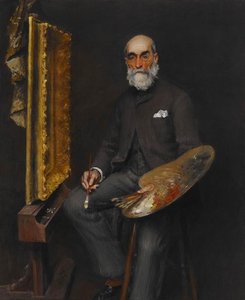
トーマス・ワーシントン・ウィットリッジ
1820 - 1910 , アメリカ合衆国
基本情報
- Artistic Movement Or Style: ハドソン・リバー派
- Artists Or Movements Influenced By This Artist: ['ロマン主義']
- Artists Who Influenced This Artist:
- エマヌエル・ロイッツェ
- アルバート・ビアスタット
- Date Of Birth: 1820年5月22日
- Date Of Death: 1910年2月25日
- Full Name: トーマス・ワーシントン・ウィットリッジ
- Nationality: アメリカ人
- Notable Artworks (List Of Titles):
- キャシュラプードル川にて
- 森林内部
- Place Of Birth (City And Country): オハイオ州スプリングフィールド
関連記事
ハドソン・リバー派を彩る至宝:10選が示すアメリカ絵画の黄金時代
ハドソン・リバー派の至宝10選を紐解き、アメリカ絵画の黄金時代へ。壮大な自然描写と巨匠たちの技が織りなす感動の世界を体験してください。トーマス・コールからチャーチまで、ArtsDot.comで高品質なアートプリントとインテリアアイデアを見つけましょう。
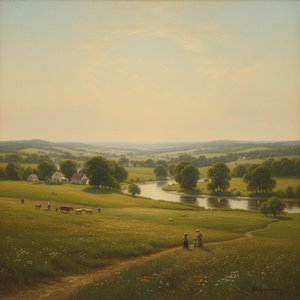
Thomas Worthington Whittredge: Capturing the American Pastoral Ideal with Luminist Light
Explore the luminous landscapes of Thomas Worthington Whittredge, a key figure in the Hudson River School and master of Luminism. Discover his captivating paintings & legacy with ArtsDot.
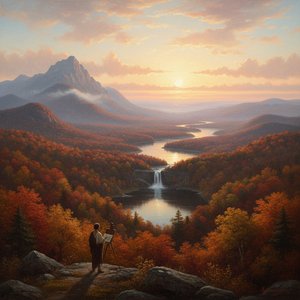
The Sublime Landscape: Exploring the Hudson River School Movement
Explore the captivating world of the Hudson River School! Discover the history, artists, and defining characteristics of this iconic American art movement. Learn about Romanticism's influence & find inspiration for your collection.
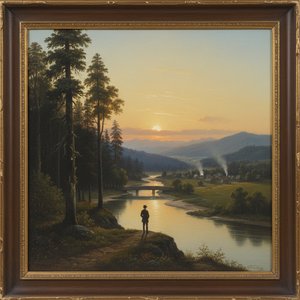
Robert Spencer: Luminism, Narrative & the American Landscape Tradition
Explore the captivating world of Luminism & the Hudson River School with our expert analysis. Discover the history, artists, and enduring beauty of 19th-century American landscape painting. Find museum-quality reproductions at ArtsDot.
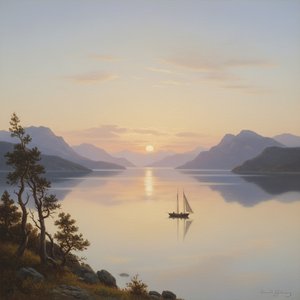
Sanford Robinson Gifford: Luminism & the American Landscape Tradition
Explore the serene landscapes of Sanford Robinson Gifford, a leading Luminist painter of the Hudson River School. Discover his mastery of light, atmospheric effects & lasting influence on American art. Hand-painted reproductions available.

