

 プレビュー
プレビュー
 シェアする
シェアする シェアする
シェアする
 詳細を見る
詳細を見る

 ダウンロード
 似ている作品
 X線調査
X線調査 スライドショー
 統計情報
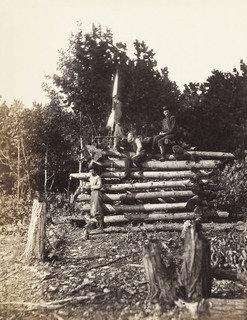
統計情報Signal Tower on Elk Mountain, Maryland
 Documentary Photography
 1862
1862 23.0 x 18.0 cm
 詳細を見る
詳細を見る
手描き油彩複製画
当社のアーティストが、お客様のご希望のサイズと額縁に合わせて、キャンバスに手描きで制作する油彩画です。 ( プリント版に切り替え デジタル画像販売へ切り替え)




































作品のオリジナル比率に合わせた、当店の規定サイズからお選びください。

特定のフレームやスペースに合わせて、ご希望のサイズをご入力いただけます。選択されたサイズが元の画像の比率と異なる場合、アートワークをトリミングするか、手描きで要素を追加して絵画を拡張いたします。デジタルモックアップ を制作し、制作開始前にご確認(承認)をいただきます。
画面上のプレビューは、実際のトリミングや拡張を正確に反映しているものではありません。最終的な構図は、モックアップによってのみ正確にご確認いただけます。
カスタムサイズもご利用いただけますが、元の比率を維持するためには、あらかじめ用意されたリストからサイズを選択することをお勧めいたします。
ご注文後、ArtsDot.com チームより詳細な指示をお送りするとともに、仕上がりイメージ(モックアップ)をご提供いたします。


 ガラスオプションは、110cm未満のサイズでのみご利用いただけます。

Signal Tower on Elk Mountain, Maryland
複製技法
複製画のサイズ
-


合計金額
$ 288
関連作品
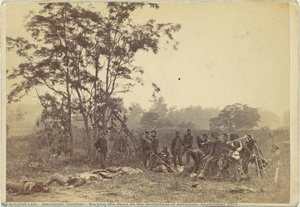
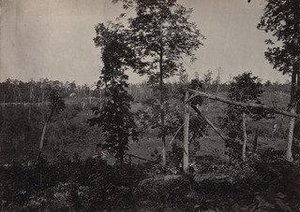
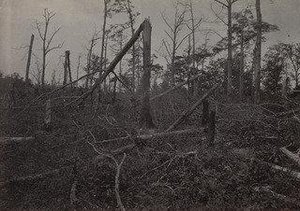
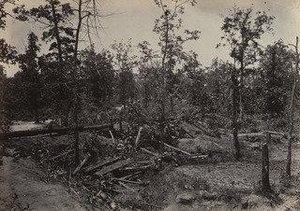
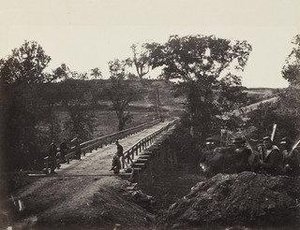
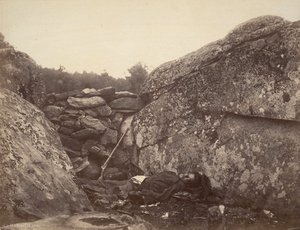
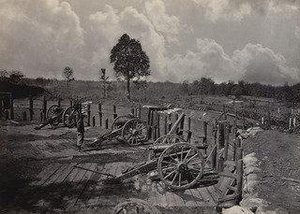
アーティストの略歴
A Pioneer of Photographic Documentation: The Life and Legacy of Alexander Gardner
Born in Paisley, Scotland, in 1821, Alexander Gardner embarked on a journey that would indelibly mark the history of photography and visual documentation. His early life was steeped in social reform, influenced by the utopian ideals of Robert Owen and the burgeoning cooperative movements sweeping through Britain. Initially trained as a jeweler, Gardner’s path took an unexpected turn when he became involved with establishing a cooperative community in Iowa, a testament to his commitment to progressive principles. This experience honed not only his organizational skills but also his communication abilities during his time as editor of the *Glasgow Sentinel*, exposing him to the complex interplay of political and social issues that would later inform his artistic vision. A pivotal moment arrived at the 1851 Great Exhibition in London, where Gardner encountered the groundbreaking photography of Mathew Brady – an encounter that ignited a passion for the medium and set the course for his future career.Documenting a Nation Divided: The Civil War Years
In 1856, Gardner immigrated to the United States, quickly immersing himself in the world of photography by joining Mathew Brady’s studio. He rapidly became an indispensable part of Brady's operation, initially specializing in producing large-format prints – known as Imperial photographs – before assuming increasing responsibilities as Brady’s eyesight began to decline. Gardner’s role expanded beyond technical expertise; he managed Brady’s Washington D.C. gallery and skillfully captured portraits of soldiers and prominent figures, including several significant depictions of Abraham Lincoln. His connection with Allan Pinkerton facilitated crucial communication between Brady and President Lincoln, ultimately leading to Gardner's appointment as chief photographer under the U.S. Topographical Engineers, followed by a position as staff photographer for General George B. McClellan. The Battle of Antietam in 1862 proved to be a defining moment, where Gardner bravely developed photographs in a portable darkroom on the battlefield itself, capturing the grim realities of war with unprecedented immediacy. However, his contribution extended beyond mere battle scenes; he meticulously documented the aftermath of conflict and the profound human cost of the Civil War, offering a stark and unflinching portrayal of its devastation.Beyond the Battlefield: A Lasting Photographic Record
Gardner’s most enduring work is arguably *Gardner's Photographic Sketch Book of the Civil War* (1866), a two-volume collection featuring 50 hand-mounted original prints that showcased his most compelling images from the conflict. Though not immediately commercially successful, this publication remains an invaluable historical record, offering a visceral and intimate glimpse into the war’s impact on both the landscape and its people. Throughout his career, Gardner collaborated with numerous photographers, notably Timothy H. O'Sullivan, whose contributions were often intertwined with his own. He is also remembered for capturing several portraits of President Lincoln, some initially believed to be the last taken before his assassination – though later research clarified they dated from February 1865. Perhaps most poignantly, Gardner uniquely documented Lincoln’s funeral procession and photographed the conspirators involved in the assassination, including their execution by hanging, providing a chillingly direct record of this pivotal moment in American history.Later Years and Enduring Significance
Following the Civil War, Gardner continued to work as a photographer, expanding his scope to document Native American treaties and survey the route of the Kansas Pacific Railroad – projects that reflected the nation’s westward expansion and its complex relationship with indigenous populations. He briefly stepped away from photography to co-found an insurance company, demonstrating his entrepreneurial spirit. However, his legacy has been complicated by a historical tendency to attribute his photographs solely to Mathew Brady. Recent scholarship, however, increasingly recognizes Gardner's significant contributions as both a photographer and a documentarian in his own right. His work remains invaluable for its detailed portrayal of the Civil War era, offering profound insights into military life, political events, and the human experience during a pivotal period in American history. Gardner’s photographs are not merely historical artifacts; they are powerful testaments to the enduring power of visual storytelling.Key Achievements & Recognition
- Pioneering War Photography: Gardner's work revolutionized how war was documented, moving beyond traditional illustrations to provide a realistic and often harrowing depiction of battlefield conditions and their aftermath.
- *Photographic Sketch Book of the Civil War*: This collection stands as a landmark achievement in photographic publishing, offering a comprehensive visual record of the conflict.
- Lincoln Portraiture: His portraits of Abraham Lincoln are among the most iconic and historically significant images of the 16th President.
- Documentation of Historical Events: Gardner’s coverage of Lincoln's funeral and the execution of his assassins provides a unique and chillingly direct record of these events.
- Collaboration with Timothy O’Sullivan: His partnership with O’Sullivan produced some of the most enduring images of the American West, capturing its vastness and beauty.
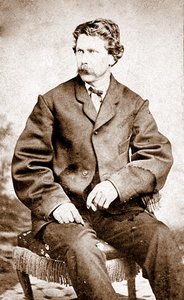
Timothy O'Sullivan Alexander Gardner
1821 - 1882 , United Kingdom
基本情報
- Artistic Movement Or Style: Civil War Photography
- Artists Who Influenced This Artist:
- Mathew Brady
- Robert Owen
- Date Of Birth: October 17, 1821
- Date Of Death: December 10, 1882
- Full Name: Alexander Gardner
- Nationality: Scottish-American
- Notable Artworks:
- Photographic Sketch Book
- Lincoln portraits
- Johnson’s Mill
- Place Of Birth: Paisley, UK
関連記事
William Owen: A Poetic Vision of War & Landscape in British Modernism
Explore the poignant war poetry of Wilfred Owen, a key figure in British Modernism. Discover his innovative style, themes of loss & camaraderie, and lasting impact on 20th-century literature. Analysis & historical context included.
Georgia O'Keeffe: Redefining Modernism Through Symbolism & the American Landscape
Explore the captivating world of Georgia O'Keeffe! Discover her groundbreaking flower paintings, New Mexico landscapes & lasting impact on American Modernism. Expert analysis and insights.
Echoes of Trauma & Hope: Representing Transformation in Artworks of 1918
Explore the profound artistic responses to World War I's trauma & hope. Discover Expressionist masterpieces by Bacon, de Kooning & more. Expert insights for collectors & art enthusiasts at ArtsDot.
Vasily Vereshchagin: Realism, War & Subversion in 19th-Century Russian Painting
Explore the powerful realism of Vasily Vereshchagin's war paintings & Central Asian scenes. Discover how this Russian master challenged artistic conventions and offered a brutal, honest depiction of 19th-century conflict. Learn about his legacy for discerning collectors.
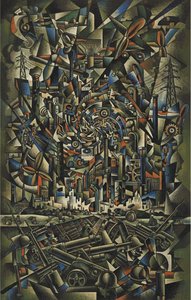
C.R.W. Nevinson: A Vorticist Vision of War & Modernity
Explore the powerful art of C.R.W. Nevinson, a key British Vorticist painter. Discover his impactful depictions of WWI and evolution beyond Futurism. Expert analysis & high-quality reproductions at ArtsDot.