 プレビュー
プレビュー
 プリントを購入
 シェアする
シェアする シェアする
シェアする
 詳細を見る
詳細を見る

 ダウンロード
 似ている作品
 X線調査
X線調査 スライドショー
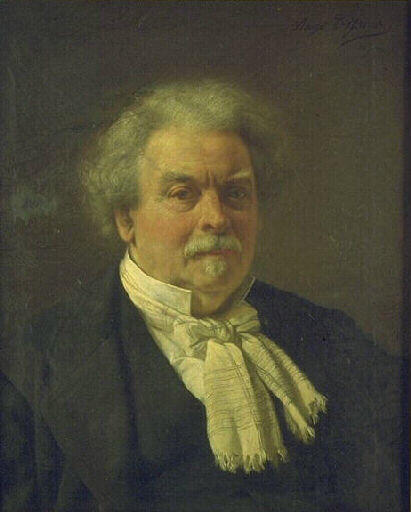
Portrait d'Antoine Gibert
 詳細を見る
詳細を見る
オンラインプレビューをはるかに凌ぐ、高解像度で鮮明なデジタル画像をご購入いただけます。
各ファイルは、社内の専門家が高度なツールと熟練した手作業によるレタッチを用いて、細心の注意を払って準備されています。すべての画像において、卓越した鮮明度、正確な色彩再現性、そして繊細なディテールを保証いたします。
最終ファイルは、プロフェッショナルな編集・印刷環境ですぐにご利用いただけるよう最適化された状態で、72時間以内にメールにてお届けいたします。これは、一流のデザインスタジオ、出版社、ギャラリーから信頼されているものと同等の品質です。
デジタル画像のご注文に付随する特典
高品質なデジタル画像配信を、確かな品質で。
ArtsDot.com を選ぶことは、単に画像を手に入れることではありません。それは、プロの手によって精密に仕上げられ、満足保証が付いた高品質なデジタルアートワークを受け取ることを意味します。ご注文いただいた際に自動的に付随する内容は、以下の通りです:

メールですぐにお届け
ご注文から72時間以内に、高解像度のデジタル画像ファイルがメールでお手元に届きます。すぐにそのままご利用いただけます。

AI技術で最適化されたデジタルファイル
お客様の作品は、高度なAIツールと専門家による手作業の編集を組み合わせてプロフェッショナルに最適化されており、細部のディテール、鮮明さ、そして正確な色再現性を最大限に引き出しています。

一生涯無料の再送サービス
ファイルを誤って削除したり、紛失してしまったりしましたか?ご安心ください。いつでも無料で再送いたします。

輸入手数料は一切かかりません
関税や手数料、配送料を気にすることなく、お気に入りのアートワークをすぐにお楽しみいただけます。デジタルダウンロードは常に免税です。

色彩再現の保証
プロ仕様のツールとカラーマネジメント技術を用いることで、デジタル画像が元の色を最大限に忠実に再現することを保証いたします。

100日間満足保証
ご購入いただいたデジタル画像にご満足いただけない場合は、100日以内であれば、修正または100%の返金(理由を問う必要はありません)をさせていただきます。

100% 返金保証
ご満足いただけない場合は、デジタルファイルを受け取ってから100日以内であれば、理由を問わず全額返金いたします。

まとめ買い割引
3枚購入で10%OFF - 5枚購入で15%OFF - 10枚以上購入で20%OFF。クリエイティブなプロジェクト、ギャラリー、エージェンシーに最適です。
関連作品









作家の略歴
The Refined Gaze: Jean-Baptiste-Ange Tissier and the Portraiture of an Era
Jean-Baptiste-Ange Tissier (1843-1906) occupies a fascinating, if often overlooked, position within the landscape of 19th-century French painting. He wasn’t a revolutionary iconoclast like Courbet or Manet, nor did he pursue the atmospheric explorations of the Impressionists. Instead, Tissier carved out a successful career as a highly sought-after portraitist, specializing in capturing the elegance and opulence of the Second Empire and its immediate aftermath. His canvases offer a compelling glimpse into the lives of the Parisian bourgeoisie, nobility, and those connected to the court of Napoleon III – a world steeped in social ritual, refined taste, and carefully constructed appearances. Born into an artistic family, Tissier received his formal training at the École des Beaux-Arts under Léon Cogniet, a prominent academic painter known for his historical and portrait work. This foundation instilled in him a mastery of classical technique, evident in his precise draftsmanship, balanced compositions, and subtle handling of light and shadow. However, Tissier’s talent lay not in grand narratives but in the intimate portrayal of individual character within a specific social context.A Court Painter's Ascendancy
Tissier’s breakthrough came with his appointment as an official portraitist to Napoleon III and Empress Eugénie. This prestigious position secured him access to the highest echelons of French society, and he quickly became renowned for his ability to flatter and idealize his sitters while simultaneously conveying a sense of their personality. His portraits are not merely likenesses; they are carefully curated representations designed to project an image of wealth, status, and moral virtue. He excelled at depicting the sumptuous fabrics, elaborate jewelry, and ornate interiors that defined the Second Empire aesthetic. The artist’s skill in rendering textures – silk shimmering under candlelight, the gleam of pearls, the rich velvet of a gentleman's coat – is particularly noteworthy. While many artists were beginning to break away from academic conventions, Tissier embraced them, finding a lucrative and fulfilling niche within the established art world. He understood the desires of his clientele: they wanted portraits that affirmed their position in society, and Tissier delivered with unwavering skill and sensitivity. His work during this period is characterized by a restrained elegance and a meticulous attention to detail, reflecting the formality and decorum of the imperial court.Beyond the Imperial Circle: Expanding Themes
The fall of the Second Empire in 1870 did not diminish Tissier’s career; rather, it broadened his subject matter. While he continued to paint portraits of former members of the aristocracy and wealthy patrons, he also began to explore scenes of contemporary life, often depicting women in intimate settings – reading, writing letters, or simply lost in thought. These paintings, while still exhibiting his characteristic technical finesse, reveal a growing interest in psychological nuance and emotional depth. He moved beyond purely celebratory depictions to capture moments of quiet contemplation and subtle vulnerability. Tissier’s later works also demonstrate a fascination with historical themes, particularly those related to the French monarchy. He painted scenes from the lives of Marie Antoinette and other royal figures, often imbuing them with a sense of romantic nostalgia and tragic beauty. This shift suggests a desire to connect with France's rich cultural heritage and perhaps offer a commentary on the tumultuous events that had recently transpired.Influences and Artistic Style
Tissier’s artistic lineage is rooted in the traditions of 18th-century French portraiture, particularly the work of artists like Élisabeth Vigée Le Brun and Jean-Auguste-Dominique Ingres. He admired their ability to capture both physical likeness and inner character with remarkable precision.- His early training at the École des Beaux-Arts exposed him to the academic principles of composition, anatomy, and perspective.
- The influence of Dutch Golden Age painters is also evident in his meticulous attention to detail and his mastery of light and shadow.
- While he did not fully embrace Impressionism, he was aware of its innovations and incorporated some of its techniques – such as broken brushstrokes and a heightened sense of atmosphere – into his later works.