

 プレビュー
プレビュー
 シェアする
シェアする シェアする
シェアする
 詳細を見る
詳細を見る

 ダウンロード
 似ている作品
 X線調査
X線調査 スライドショー
 Stats
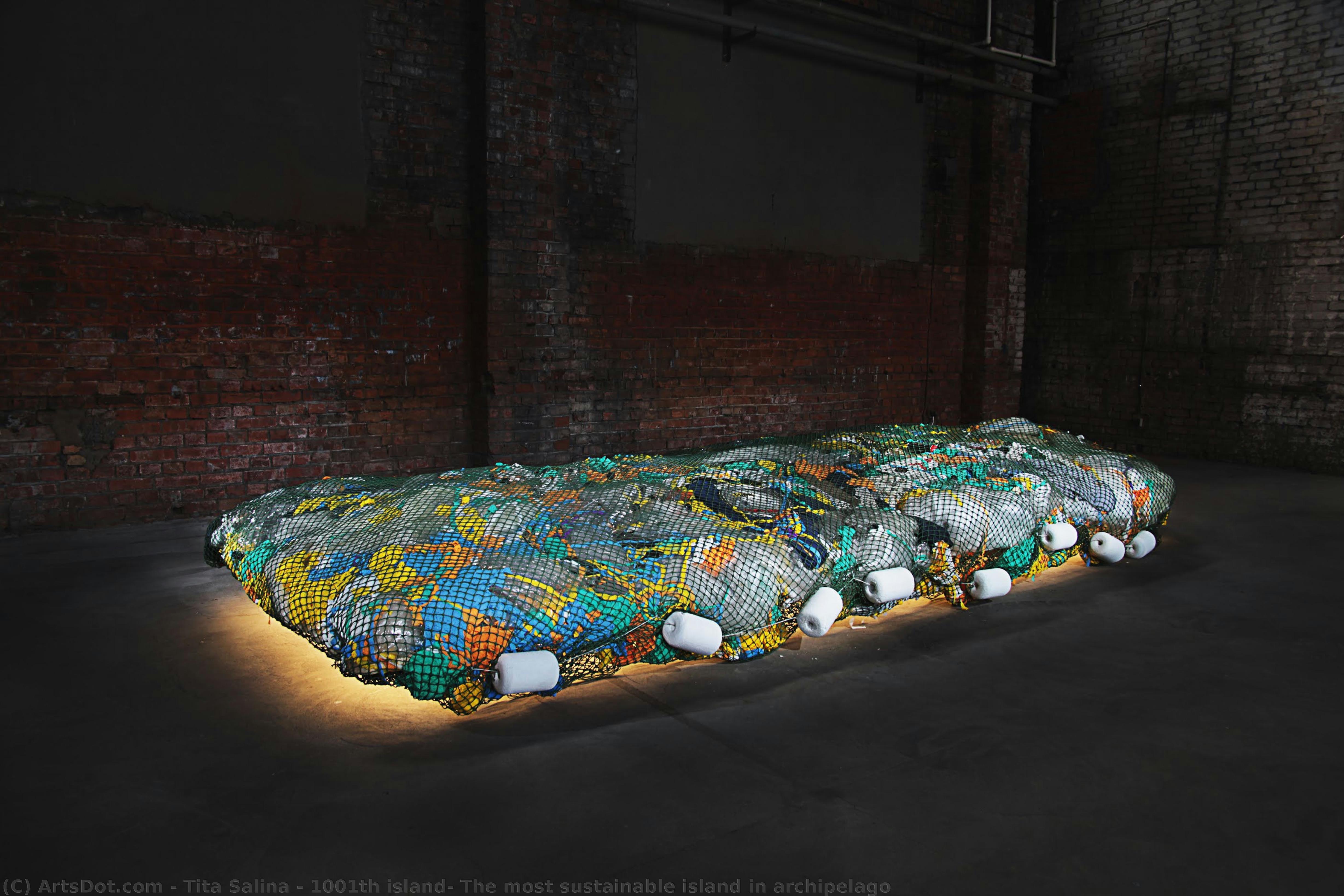
Stats1001th island: The most sustainable island in archipelago


 詳細を見る
詳細を見る
ジークレー/アートプリント
迅速な制作と多彩な仕上げオプションを備えた、ミュージアムクオリティのジークレーまたはキャンバスプリント。 ( 手描きの絵画を購入 Switch to Digital Image)




































作品のオリジナル比率に合わせた、当店の規定サイズからお選びください。

特定のフレームやスペースに合わせて、ご自身でサイズを指定することも可能です。選択されたサイズが元の画像の比率と一致しない場合、作品をトリミングするか、鏡面反射または単色での塗りつぶしによって画像を拡張いたします。制作を開始する前に、ご確認用のデジタルモックアップをお送りいたします。
画面上のプレビューには、実際のトリミングや拡張は反映されませんのでご注意ください。最終的な構図を正確に確認できるのは、モックアップのみとなります。
カスタムサイズも承っておりますが、元の比率を維持するためには、あらかじめ用意されたリストからサイズを選択することをお勧めいたします。


 ガラスオプションは、110cm未満のサイズでのみご利用いただけます。

1001th island: The most sustainable island in archipelago
ジークレー/アートプリント
複製画のサイズ
-


合計金額
$ 62
関連作品





アーティストの略歴
Tita Salina: A Voice from the Archipelago
Tita Salina’s artistic journey is inextricably linked to her homeland, Indonesia – a nation of breathtaking beauty and profound challenges. Born in Sumatra in 1973, she emerged as an artist deeply attuned to the complex realities of her environment, particularly the escalating pressures on its coastal communities and ecosystems. Her work isn't merely observation; it’s a deliberate intervention, a call for awareness woven into striking visual narratives. Salina’s practice is fundamentally rooted in collaboration, often working alongside local fishermen and residents whose lives are intimately connected to the issues she explores – from plastic pollution and rising sea levels to governmental development projects and the displacement of traditional ways of life.
Early Influences and Artistic Development
Salina’s artistic foundation was laid at the Jakarta Institute of Art, where she studied graphic design. This background proved invaluable, providing her with a strong understanding of visual communication and composition – skills that she now employs to create powerfully resonant works. However, it was through her engagement with the burgeoning contemporary art scene in Indonesia, particularly during the late 1990s and early 2000s, that Salina began to forge her distinctive artistic voice. Early explorations involved documentary photography and video installations documenting social issues within Jakarta’s sprawling urban landscape. These initial projects established a commitment to addressing critical concerns through creative means, laying the groundwork for her later, more ambitious interventions.
The ‘Flame of the Pacific’ and Collaborative Storytelling
A pivotal moment in Salina's career arrived with the formation of “The Flame of the Pacific,” a collaborative project initiated with fellow artist Irwan Ahmett. This initiative, launched in 2018, represents a fundamental shift in her approach – moving beyond individual artistic statements to engage directly with communities facing significant challenges across the Indonesian archipelago. The core principle of ‘The Flame of the Pacific’ is to create platforms for dialogue and action, using art as a catalyst for social change. Their work frequently involves travelling to remote coastal villages, documenting local histories, and developing collaborative projects that address pressing issues such as environmental degradation, political corruption, and economic inequality. A key element of this approach is the use of participatory processes, ensuring that the voices and perspectives of marginalized communities are central to the creative process.
‘1001st Island: The Most Sustainable Island in Archipelago’ – A Statement on Waste and Displacement
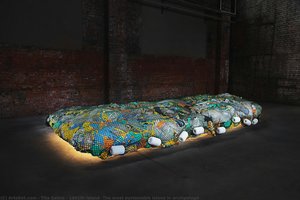
Perhaps Salina's most widely recognized work is ‘1001st Island: The Most Sustainable Island in Archipelago,’ created for the 60th Venice Biennale in 2024. This striking installation, comprised of a massive island constructed entirely from plastic waste collected from Jakarta Bay, serves as both a poignant critique and an unsettling meditation on Indonesia’s environmental crisis. The island's creation involved collaboration with local fishermen, highlighting their direct experience with the devastating effects of pollution and rising sea levels. The deliberate exaggeration – labeling the island “the most sustainable” – underscores the absurdity of the situation while simultaneously drawing attention to the urgent need for systemic change. Accompanying this physical manifestation was a video documenting the process, further amplifying the work’s message of environmental responsibility and social justice. The piece is not simply an aesthetic statement; it's a powerful act of resistance against unsustainable practices and the displacement of communities threatened by climate change.
Legacy and Continuing Relevance
Tita Salina’s work transcends mere artistic expression; it functions as a vital form of social commentary, prompting critical reflection on Indonesia's complex socio-political landscape. Her commitment to collaborative storytelling, coupled with her willingness to confront difficult issues head-on, has established her as a leading voice within contemporary Indonesian art. Her ongoing projects through ‘The Flame of the Pacific’ continue to amplify marginalized voices and advocate for sustainable solutions. As Indonesia grapples with the challenges of rapid urbanization, environmental degradation, and political instability, Tita Salina's work remains profoundly relevant, serving as a potent reminder of the urgent need for creative engagement and social responsibility.
tita salina
Indonesia
基本情報
- Artistic Movement Or Style: Contemporary art
- Full Name: Tita Salina
- Nationality: Indonesian
- Notable Artworks:
- 1001th island: The most sustainable island in archipelago
- Garuda Berkepala Naga (The Dragon-headed Garuda)
- Place Of Birth: Jakarta, Indonesia