 プレビュー
プレビュー
 シェアする
シェアする シェアする
シェアする
 詳細を見る
詳細を見る

 ダウンロード
 似ている作品
 X線調査
X線調査 スライドショー
Portrait of Pope Paul III Without Cap


 詳細を見る
詳細を見る
ジークレー/アートプリント
迅速な制作と多彩な仕上げオプションを備えた、ミュージアムクオリティのジークレーまたはキャンバスプリント。 ( 手描きの絵画を購入 画像を購入)




P118B $10

P118H $10

P118W $10

P438Z $10

P508JH $12

P508YH $12

P805H $10

P805Z $10

P919BZ $10

P919G $10

P919XJ $10

P959ZH $10

P968JZ $12

W106C $8

W218G $10

W218JH $8

W218Y $10

W307PJ $10

W316G $10

W316PJ $8

W316Y $10

W398PJ $8

W4111J $10

W500HY $15

W500JH $15

W692G $12

W849H $8

W940BG $15

W953PJ $8




作品のオリジナル比率に合わせた、当店の規定サイズからお選びください。

特定のフレームやスペースに合わせて、ご自身でサイズを指定することも可能です。選択されたサイズが元の画像の比率と一致しない場合、作品をトリミングするか、鏡面反射または単色での塗りつぶしによって画像を拡張いたします。制作を開始する前に、ご確認用のデジタルモックアップをお送りいたします。
画面上のプレビューには、実際のトリミングや拡張は反映されませんのでご注意ください。最終的な構図を正確に確認できるのは、モックアップのみとなります。
カスタムサイズも承っておりますが、元の比率を維持するためには、あらかじめ用意されたリストからサイズを選択することをお勧めいたします。


 ガラスオプションは、110cm未満のサイズでのみご利用いただけます。

Portrait of Pope Paul III Without Cap
ジークレー/アートプリント
複製画のサイズ
-


合計金額
$ 62
作品詳細説明
The Stark Intensity: Unveiling Titian’s Portrait of Pope Paul III
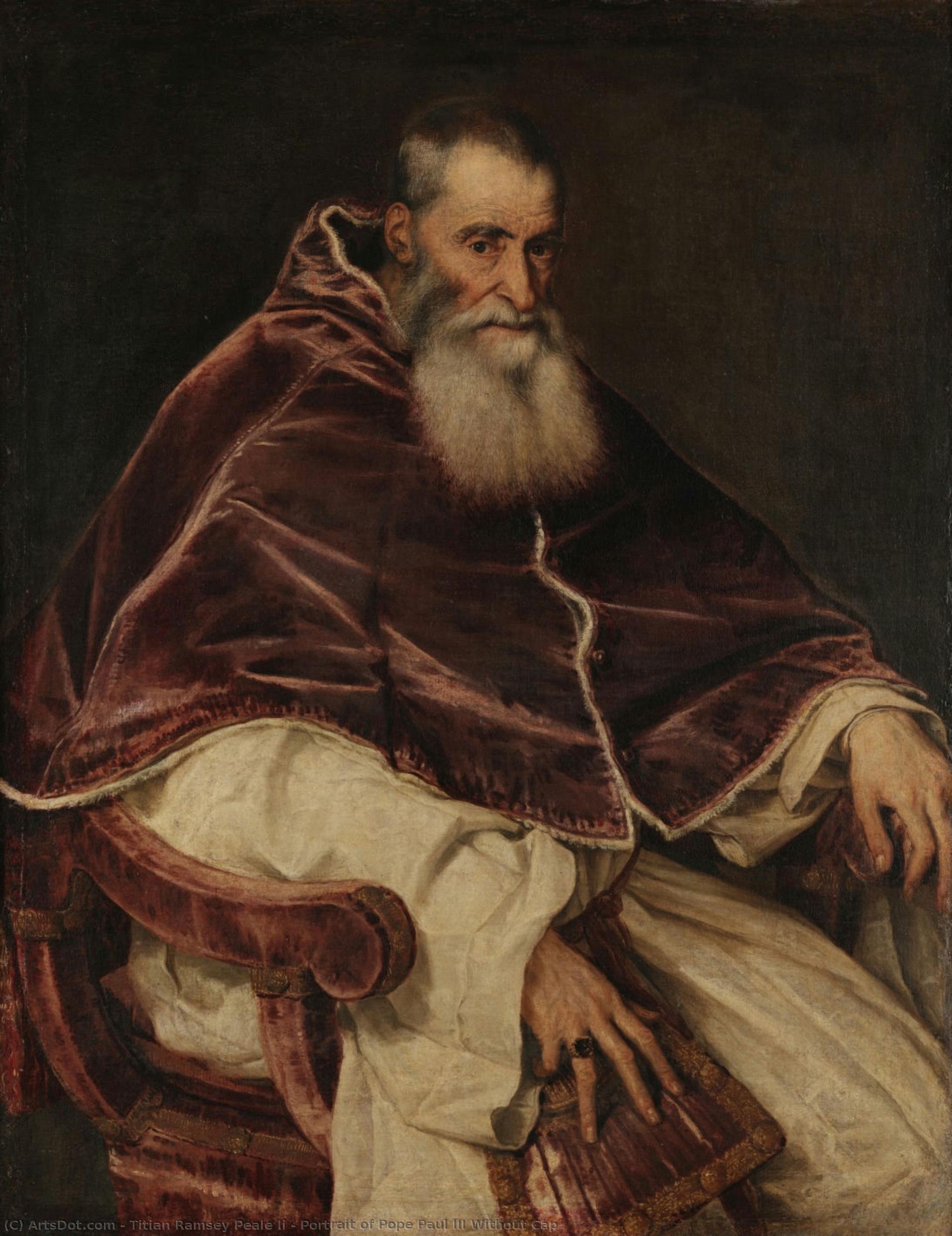
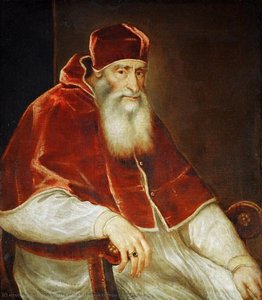
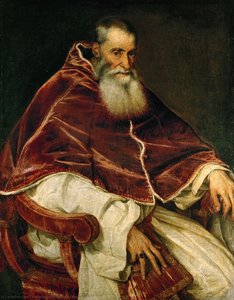
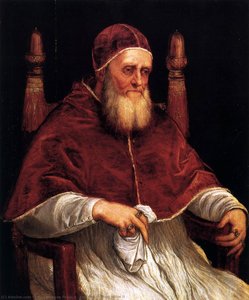
Titian Ramsay Peale II's 1843 rendition of “Portrait of Pope Paul III Without Cap” is far more than a simple likeness; it’s a profound psychological study, a window into the mind and character of one of history’s most influential figures. This remarkable painting, meticulously recreated in hand-painted reproductions by ArtsDot.com, captures a moment of quiet contemplation amidst turbulent times – a testament to the enduring power of portraiture as a means of revealing inner life.
The image presents Pope Paul III seated in a three-quarter pose, subtly turning his head towards the viewer. His gaze is direct, almost challenging, radiating an intensity that belies his advanced age. The artist skillfully employs dark background to isolate and amplify the Pope’s presence, creating a dramatic effect reminiscent of Renaissance masters like Rembrandt. This strategic use of darkness isn't merely aesthetic; it serves to draw our attention entirely to Paul III’s face – a face etched with experience, authority, and perhaps even a hint of weariness.
A Venetian Echo: Style and Technique
While Peale was an American artist deeply rooted in the High Renaissance tradition, his work clearly echoes the stylistic influences of Venice, particularly Titian himself. The loose brushwork, the rich, layered application of paint—particularly evident in the folds of the crimson habit—and the subtle modeling of form are hallmarks of Venetian painting. Peale’s meticulous attention to detail, however, distinguishes him from a mere imitation; he translates these influences into a distinctly American sensibility.
The color palette is restrained yet powerful: deep reds and purples dominate, contrasted by the dark tones of the background. The gold trim on the papal robes adds a touch of regal splendor, while the subtle variations in tone create a sense of depth and volume. Peale’s masterful use of light and shadow – *chiaroscuro* – is particularly noteworthy, enhancing the drama and psychological impact of the portrait.
Historical Context: A Farnese Commission
This particular portrait holds significant historical importance. It was painted in 1543, during Pope Paul III’s visit to Northern Italy, a period marked by political maneuvering and religious reform. Commissioned early in his papacy, it represents the beginning of a crucial relationship between Titian and the powerful Farnese family. The painting served as more than just a likeness; it was a statement of power and authority, commissioned during a time of great transition for the Catholic Church.
Interestingly, this portrait predates the more famous version in the National Museum of Capodimonte, Naples, demonstrating Titian’s evolving approach to capturing his papal subjects. The earlier rendition, completed two years later, reveals a slightly different composition and a greater emphasis on the Pope's camauro – the crimson cloak symbolizing his authority. The subtle differences highlight Titian’s artistic process and his willingness to experiment with portraiture.
Symbolism and Emotional Resonance
Beyond its technical brilliance, “Portrait of Pope Paul III Without Cap” is rich in symbolic meaning. The Pope's direct gaze invites the viewer into a private conversation, suggesting an intelligence and awareness that transcends mere formality. The lack of his cap – a symbol of papal authority – subtly undermines the traditional image of power, presenting instead a man engaged in thoughtful reflection. This deliberate ambiguity elevates the portrait beyond a simple representation; it becomes a meditation on leadership, faith, and the complexities of human experience.
ArtsDot.com’s hand-painted reproductions capture not only the visual details but also the emotional weight of this extraordinary artwork. Each reproduction is a testament to Titian Ramsay Peale II's legacy, offering art lovers a unique opportunity to own a piece of history and experience the enduring power of Renaissance portraiture.
関連作品
アーティストの略歴
ルネサンスのこだま、新世界に響く:ティタン・ラムゼイ・ピール2世
ティタン・ラムゼイ・ピール2世は、19世紀のアメリカ美術史における独特な位置を占める画家です。1799年フィラデルフィアで生まれ、その出自は芸術の家系に深く根ざしていました。父はチャールズ・ウィルソン・ピールであり、彼は初期アメリカの肖像画において重要な人物であり、また最初の博物館の創設者でもありました。父の遺産が彼の上に重くのしかかっていたにも関わらず、ティタンは独自の道を切り開きました。彼の芸術は、ヴェネツィアから発するルネサンス美術の美学に深く根ざしており、細部に至るまで鮮やかな色彩を駆使した作品群は、同時代の多くの画家たちとは一線を画していました。新大陸での勃興するアメリカ人としてのアイデンティティと、古き良き世界の巨匠への敬意が交錯し、魅力的な緊張感を生み出しました。博物学者のスケッチブックから、画家のキャンバスへ
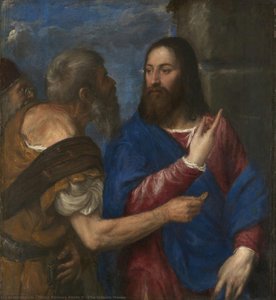
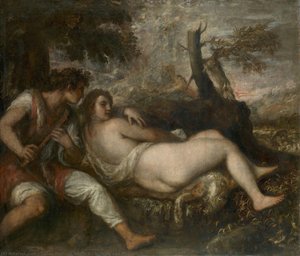
ピールの幼少期は、芸術と自然史という二つの情熱によって彩られていました。これは父の多才な活動によって育まれたものでした。彼はスティーブン・ハリマン・ロングによるロッキー山脈への遠征に同行し、そこに生息する動植物を洗練された技術で記録しました。この時期は単なる観察記録にとどまらず、形、光、そして質感の理解を深めるための訓練期間でした。博物学者としての経験は彼の芸術に影響を与え、自然界の描写に科学的な精密さを与えるだけでなく、単なる記録を超えた感情的な共鳴を生み出しました。彼はただ物事を見せるのではなく、その本質的な美しさと精神的な重要性を明らかにしていたのです。「貢納金」に見られるように、ルーベンスを彷彿とさせる光と影の巧みな使い方は、彼の才能を示す好例です。また、「ニンフと羊飼い」は、自然、神話、そして官能的な美しさを見事に融合させた作品として知られています。ヴェネツィアの影響と聖なるビジョン
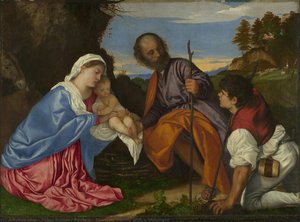
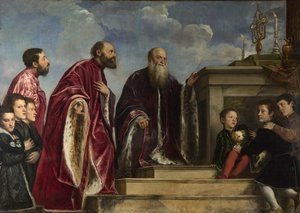
ティツィアーノ(彼が名付けられた芸術家)をはじめとするヴェネツィアの巨匠たちが提唱した色彩主義——豊かな輝きのある色彩と大気効果を重視する様式——の影響は、ピールの作品群において明確に見て取れます。彼は単にこれらの巨匠のスタイルを模倣しているのではなく、その原則を内面化し、自身の芸術的なビジョンに適応させています。「四人の聖人を描いた祭壇画」や「羊飼いの礼拝」に見られるように、彼の宗教画は、緻密な構成と色彩の巧みな使用によって感情を喚起し、鑑賞者を精神的な瞑想の世界へと誘い込みます。これらの作品における細部へのこだわりは、彼の技術力だけでなく、主題に対する深い敬意を示すものでもあります。さらに、「美」という肖像画は、その人物の形と個性を優雅さと洗練さで捉える彼の能力を実証しています。再評価と持続的な意義
20世紀の大半において、ティタン・ラムゼイ・ピール2世は美術史の中で比較的忘れ去られた存在でした。彼の作品は、主流の芸術的傾向に容易には適合せず、急速に変化する芸術界において古典的なスタイルへの献身が時代遅れと見なされたためです。しかし近年、彼の貢献に対する再評価が高まっています。研究者や収集家たちは、彼の作品を特徴づけるアメリカ的な感覚とヨーロッパの伝統のユニークな融合を認識し始めています。彼の作品の再発見は、単に美術史における空白を埋めることではなく、19世紀のアメリカ社会を形作った複雑な文化的力に対する理解を深めることを意味します。ピールは、世界を結ぶ架け橋であり、古典的な理想の永続的な力を証明する存在です。彼の作品は、今ではArtsDotやウフィツィ美術館、パラッツォ・ピッティなどのコレクションで見ることができ、忘れ去られたアメリカ美術史の一角を照らす光となっています。ピールの足跡:家族と科学への献身
ピールは芸術家であるだけでなく、博物学者としても多才な才能を発揮しました。彼は父親のフィラデルフィア博物館の運営を担い、トーマス・セイの研究のために昆虫を描き、アメリカ自然史協会のジャーナルに石版画技術を紹介するなど、科学界にも貢献しました。若き頃には、チャールズ・ルシアン・ボナパルトの支援のもとで、24歳までにアメリカにおける最高の鳥類画家としての地位を確立しました。しかし、1840年代には博物館が倒産し、妻や娘を亡くすなど、不幸な出来事が重なり、彼のキャリアは転換期を迎えます。その後、特許庁の審査官として新たな生活を始め、写真や油絵といった新しい趣味に没頭しました。彼は昆虫採集を続けましたが、1842年以降はかつて享受していた自然科学者としての専門的な地位を取り戻すことはありませんでした。1885年にフィラデルフィアで亡くなった彼の生涯は、芸術と科学の融合、そして古典的な美への揺るぎない献身を示すものでした。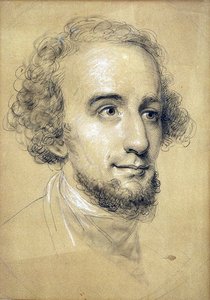
ティティアン・ラムゼイ・ピール2世
1799 - 1885 , アメリカ合衆国
基本情報
- フルネーム: ティタン・ラムゼイ・ピール2世
- 主な作品:
- 献金
- 羊飼いの礼拝
- 美
- 聖人たちと祭壇
- 国籍: アメリカ合衆国
- 影響を受けたアーティスト:
- ティツィアーノ
- ヴェネツィアの巨匠
- 生年月日: 1799年
- 芸術運動またはスタイル: ルネサンス様式
関連記事
パウル・クレー傑作25選:色彩と象徴に満ちた芸術の世界 | ArtsDot
パウル・クレーの傑作25選🎨 色彩と象徴に満ちた抽象絵画の世界を旅。ドイツ表現主義からバウハウスまで、クレーの革新的な技法と感動的な作品群をArtsDotで。高品質な美術品複製やインテリアアートも豊富です。オンラインストアで全コレクションをご覧ください。

ポール・セザンヌ:至高の25選 - 傑作と革新の軌跡 | ArtsDot
ポール・セザンヌの至高の25選。ポスト印象派を代表する画家、セザンヌの傑作と革新的な技法を紐解きます。ArtsDotで高品質な複製画やインテリアアートを見つけ、芸術の世界をご自宅に。今すぐコレクションをご覧ください。
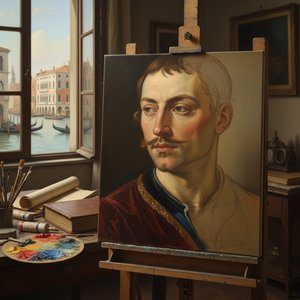
Titian: Innovation, Technique & the Venetian Renaissance Portrait Tradition
Explore the revolutionary techniques & enduring legacy of Titian, the master of Venetian Renaissance portraiture. Discover insights for collectors & appreciate his impact on art history.
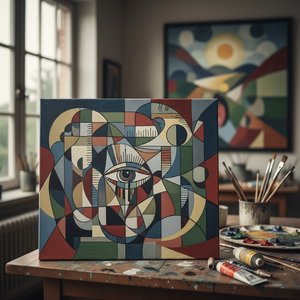
Paul Klee: A Poetics of Form and Color – Exploring the Inner Landscape of a Modern Master
Explore the captivating world of Paul Klee! Discover his innovative art, Bauhaus influence, & unique symbolic language. Expert analysis & high-quality reproductions at ArtsDot.
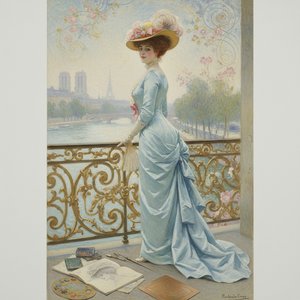
Paul César Helleu: Capturing Belle Époque Elegance & Artistic Innovation
Explore the captivating world of Paul César Helleu, master portraitist of the Belle Époque. Discover his innovative techniques, iconic works like 'Portrait of Margaret Kelly,' and investment potential with ArtsDot.