 プレビュー
プレビュー
 シェアする
シェアする シェアする
シェアする
 詳細を見る
詳細を見る

 ダウンロード
 似ている作品
 X線調査
X線調査 スライドショー
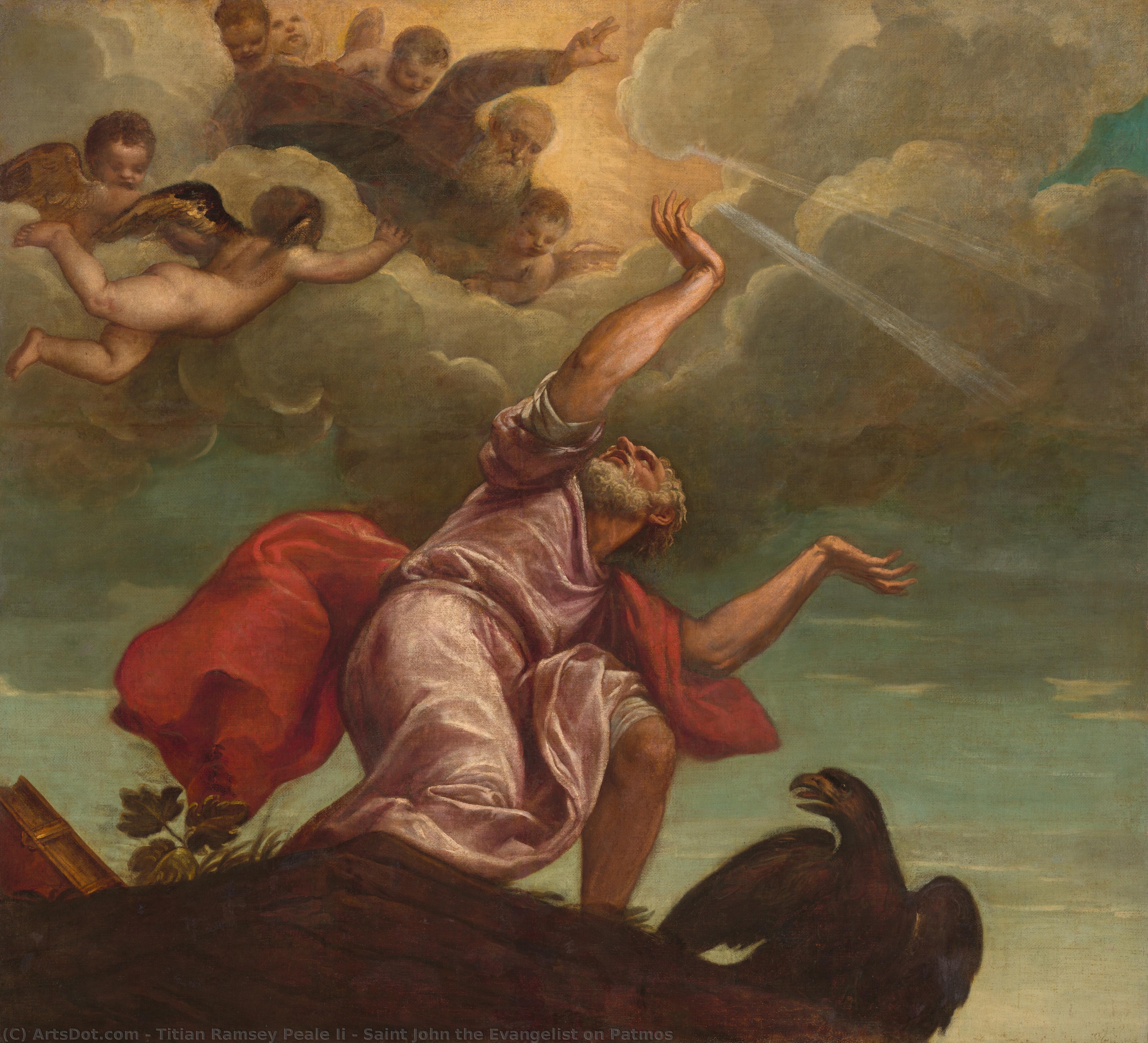
Saint John the Evangelist on Patmos
 Acrylic On Canvas
- WallArt
- Baroque Revival
 1555
1555- Renaissance
 266.0 x 291.0 cm
 詳細を見る
詳細を見る
ジークレー/アートプリント
迅速な制作と多彩な仕上げオプションを備えた、ミュージアムクオリティのジークレーまたはキャンバスプリント。 ( 手描きの絵画を購入 画像を購入)




P118B $10

P118H $10

P118W $10

P438Z $10

P508JH $12

P508YH $12

P805H $10

P805Z $10

P919BZ $10

P919G $10

P919XJ $10

P959ZH $10

P968JZ $12

W106C $8

W218G $10

W218JH $8

W218Y $10

W307PJ $10

W316G $10

W316PJ $8

W316Y $10

W398PJ $8

W4111J $10

W500HY $15

W500JH $15

W692G $12

W849H $8

W940BG $15

W953PJ $8




作品のオリジナル比率に合わせた、当店の規定サイズからお選びください。

特定のフレームやスペースに合わせて、ご自身でサイズを指定することも可能です。選択されたサイズが元の画像の比率と一致しない場合、作品をトリミングするか、鏡面反射または単色での塗りつぶしによって画像を拡張いたします。制作を開始する前に、ご確認用のデジタルモックアップをお送りいたします。
画面上のプレビューには、実際のトリミングや拡張は反映されませんのでご注意ください。最終的な構図を正確に確認できるのは、モックアップのみとなります。
カスタムサイズも承っておりますが、元の比率を維持するためには、あらかじめ用意されたリストからサイズを選択することをお勧めいたします。


 ガラスオプションは、110cm未満のサイズでのみご利用いただけます。

Saint John the Evangelist on Patmos
ジークレー/アートプリント
複製画のサイズ
-


合計金額
$ 62
作品詳細説明
A Venetian Echo in American Vision: Examining Titian Ramsay Peale II’s ‘Saint John the Evangelist on Patmos’
Titian Ramsay Peale II stands as a singular figure within 19th-century American art—a descendant of Charles Willson Peale, arguably the nation's foremost portraitist, yet profoundly shaped by the artistic currents originating in Venice during the High Renaissance. Unlike many artists of his era preoccupied with Romantic fervor and dramatic landscapes, Peale II possessed an unwavering devotion to classical ideals, meticulously translating them onto canvas with a level of detail and chromatic vibrancy that distinguishes him from his contemporaries. This dedication isn’t merely stylistic; it represents a deep engagement with humanist principles—a desire to capture not just likeness but also the essence of human experience within a framework rooted in artistic grandeur. His oeuvre speaks volumes about the burgeoning American identity while simultaneously honoring the legacy of European masters, creating an arresting dialogue between tradition and innovation.Subject Matter and Narrative Composition
The painting depicts Saint John the Evangelist on Patmos—a scene steeped in theological significance. Traditionally interpreted as representing divine inspiration and revelation, Peale II’s depiction portrays Saint John alone on a rocky ledge overlooking the sea, illuminated by an ethereal sky ablaze with clouds and angelic figures. This positioning immediately establishes a contemplative mood, inviting viewers to contemplate themes of solitude, faith, and spiritual ascension. The central figure—Saint John himself—is rendered with remarkable precision, capturing subtle nuances of expression and posture that convey both vulnerability and unwavering devotion. Surrounding him are six radiant angels, symbolizing divine grace and protection, reaching upwards towards the luminous celestial realm. This pyramidal composition reinforces the sense of upward movement and emphasizes the saint’s connection to God.Style and Technique: Renaissance Precision Meets Baroque Drama
Peale II's artistic approach defies easy categorization. While undeniably influenced by the Baroque fascination with dramatic lighting and emotive gesture—evident in the swirling clouds and the outstretched hands of Saint John—he maintains a steadfast commitment to Renaissance anatomical accuracy and meticulous detail. The artist’s brushwork is characterized by smooth, blended strokes that achieve an astonishing level of realism, particularly noticeable in the depiction of Saint John's face and drapery. He skillfully employs chiaroscuro—the interplay between light and shadow—to sculpt form and heighten emotional impact, mirroring techniques perfected by Venetian masters like Titian and Raphael. The luminous sky, achieved through layering translucent glazes, contributes to an otherworldly atmosphere that underscores the spiritual dimension of the scene.Symbolism: Light, Angels, and Revelation
The painting overflows with symbolic resonance. The radiant light emanating from Saint John’s head symbolizes divine illumination—the very source of his prophetic vision. The angels represent messengers of God, conveying reassurance and guiding Saint John towards enlightenment. The book held by Saint John embodies sacred scripture and represents the Word of God, central to Christian faith. Furthermore, the eagle perched beside Saint John serves as a symbol of vigilance and spiritual fortitude, mirroring imagery prevalent in Renaissance iconography. These carefully chosen symbols elevate the artwork beyond mere representation, inviting contemplation on profound theological concepts.Emotional Impact: A Moment of Serenity Amidst Celestial Glory
Ultimately, ‘Saint John the Evangelist on Patmos’ succeeds in conveying a palpable sense of serenity and reverence. Despite the grandeur of the celestial setting—the swirling clouds and luminous angels—Peale II anchors the scene with Saint John's grounded posture and contemplative gaze. The artist captures not just visual beauty but also an inner stillness that speaks to the viewer’s own spiritual aspirations. This masterful blend of observation and emotion distinguishes Peale II’s work as a testament to the enduring power of classical art to inspire contemplation and elevate the human spirit—a timeless masterpiece deserving of admiration and reproduction.関連作品
アーティストの略歴
ルネサンスのこだま、新世界に響く:ティタン・ラムゼイ・ピール2世
ティタン・ラムゼイ・ピール2世は、19世紀のアメリカ美術史における独特な位置を占める画家です。1799年フィラデルフィアで生まれ、その出自は芸術の家系に深く根ざしていました。父はチャールズ・ウィルソン・ピールであり、彼は初期アメリカの肖像画において重要な人物であり、また最初の博物館の創設者でもありました。父の遺産が彼の上に重くのしかかっていたにも関わらず、ティタンは独自の道を切り開きました。彼の芸術は、ヴェネツィアから発するルネサンス美術の美学に深く根ざしており、細部に至るまで鮮やかな色彩を駆使した作品群は、同時代の多くの画家たちとは一線を画していました。新大陸での勃興するアメリカ人としてのアイデンティティと、古き良き世界の巨匠への敬意が交錯し、魅力的な緊張感を生み出しました。博物学者のスケッチブックから、画家のキャンバスへ
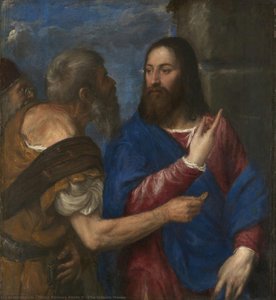
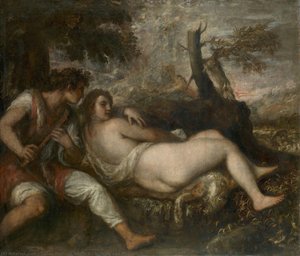
ピールの幼少期は、芸術と自然史という二つの情熱によって彩られていました。これは父の多才な活動によって育まれたものでした。彼はスティーブン・ハリマン・ロングによるロッキー山脈への遠征に同行し、そこに生息する動植物を洗練された技術で記録しました。この時期は単なる観察記録にとどまらず、形、光、そして質感の理解を深めるための訓練期間でした。博物学者としての経験は彼の芸術に影響を与え、自然界の描写に科学的な精密さを与えるだけでなく、単なる記録を超えた感情的な共鳴を生み出しました。彼はただ物事を見せるのではなく、その本質的な美しさと精神的な重要性を明らかにしていたのです。「貢納金」に見られるように、ルーベンスを彷彿とさせる光と影の巧みな使い方は、彼の才能を示す好例です。また、「ニンフと羊飼い」は、自然、神話、そして官能的な美しさを見事に融合させた作品として知られています。ヴェネツィアの影響と聖なるビジョン
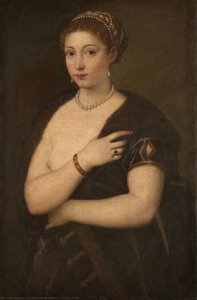
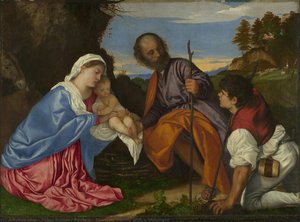
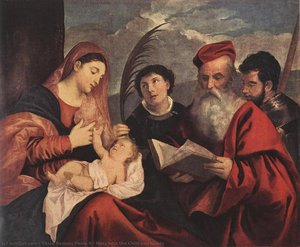
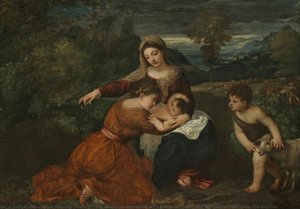
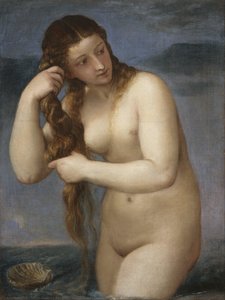
ティツィアーノ(彼が名付けられた芸術家)をはじめとするヴェネツィアの巨匠たちが提唱した色彩主義——豊かな輝きのある色彩と大気効果を重視する様式——の影響は、ピールの作品群において明確に見て取れます。彼は単にこれらの巨匠のスタイルを模倣しているのではなく、その原則を内面化し、自身の芸術的なビジョンに適応させています。「四人の聖人を描いた祭壇画」や「羊飼いの礼拝」に見られるように、彼の宗教画は、緻密な構成と色彩の巧みな使用によって感情を喚起し、鑑賞者を精神的な瞑想の世界へと誘い込みます。これらの作品における細部へのこだわりは、彼の技術力だけでなく、主題に対する深い敬意を示すものでもあります。さらに、「美」という肖像画は、その人物の形と個性を優雅さと洗練さで捉える彼の能力を実証しています。再評価と持続的な意義
20世紀の大半において、ティタン・ラムゼイ・ピール2世は美術史の中で比較的忘れ去られた存在でした。彼の作品は、主流の芸術的傾向に容易には適合せず、急速に変化する芸術界において古典的なスタイルへの献身が時代遅れと見なされたためです。しかし近年、彼の貢献に対する再評価が高まっています。研究者や収集家たちは、彼の作品を特徴づけるアメリカ的な感覚とヨーロッパの伝統のユニークな融合を認識し始めています。彼の作品の再発見は、単に美術史における空白を埋めることではなく、19世紀のアメリカ社会を形作った複雑な文化的力に対する理解を深めることを意味します。ピールは、世界を結ぶ架け橋であり、古典的な理想の永続的な力を証明する存在です。彼の作品は、今ではArtsDotやウフィツィ美術館、パラッツォ・ピッティなどのコレクションで見ることができ、忘れ去られたアメリカ美術史の一角を照らす光となっています。ピールの足跡:家族と科学への献身
ピールは芸術家であるだけでなく、博物学者としても多才な才能を発揮しました。彼は父親のフィラデルフィア博物館の運営を担い、トーマス・セイの研究のために昆虫を描き、アメリカ自然史協会のジャーナルに石版画技術を紹介するなど、科学界にも貢献しました。若き頃には、チャールズ・ルシアン・ボナパルトの支援のもとで、24歳までにアメリカにおける最高の鳥類画家としての地位を確立しました。しかし、1840年代には博物館が倒産し、妻や娘を亡くすなど、不幸な出来事が重なり、彼のキャリアは転換期を迎えます。その後、特許庁の審査官として新たな生活を始め、写真や油絵といった新しい趣味に没頭しました。彼は昆虫採集を続けましたが、1842年以降はかつて享受していた自然科学者としての専門的な地位を取り戻すことはありませんでした。1885年にフィラデルフィアで亡くなった彼の生涯は、芸術と科学の融合、そして古典的な美への揺るぎない献身を示すものでした。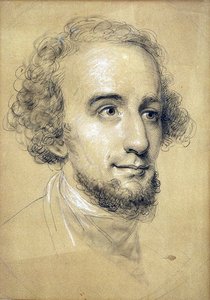
ティティアン・ラムゼイ・ピール2世
1799 - 1885 , アメリカ合衆国
基本情報
- フルネーム: ティタン・ラムゼイ・ピール2世
- 主な作品:
- 献金
- 羊飼いの礼拝
- 美
- 聖人たちと祭壇
- 国籍: アメリカ合衆国
- 影響を受けたアーティスト:
- ティツィアーノ
- ヴェネツィアの巨匠
- 生年月日: 1799年
- 芸術運動またはスタイル: ルネサンス様式
関連記事

ジョン・シンガー・サージェント:至高の25選 - 美と光の肖像画の世界 | ArtsDot
ジョン・シンガー・サージェントの至高の25選。肖像画、写実主義、光と影の表現が美しい作品群を紐解きます。マダムXや少女の肖像など、時代を超えて愛される名作をArtsDotで鑑賞。高品質なアート複製で、お部屋に美術館のような空間を。今すぐコレクションをご覧ください。

ジョン・コンスタブルの傑作25選:英国風景画の巨匠が描く自然と光の詩 | ArtsDot
ジョン・コンスタブルの傑作25選。英国風景画の巨匠が描く自然と光の詩の世界へ。ロマン主義を代表する絵画、デダム・ヴェールやヘイ・ウェインなど、ArtsDotで高品質なアートプリントをお楽しみください。インテリアに深みと感動を。コレクションはこちら。
Titian: Innovation, Technique & the Venetian Renaissance Portrait Tradition
Explore the revolutionary techniques & enduring legacy of Titian, the master of Venetian Renaissance portraiture. Discover insights for collectors & appreciate his impact on art history.

Titian Ramsay Peale II: A Legacy of Botanical Precision & Artistic Innovation
Explore the life & art of Titian Ramsay Peale II, a master of botanical precision and wildlife painting. Discover his legacy bridging art & natural history at ArtsDot.

バロック美術を極めた至宝:時代を彩る10大名作の世界
バロック美術の華!カラヴァッジョ、ベルニーニら巨匠が創り上げた10大名作を徹底解剖。ドラマチックな色彩と豪華絢爛の世界観に触れ、至宝のアートプリントで空間を彩ろう。ArtsDot.comで美術館品質の複製と洗練されたインテリアを見つけましょう!