 プレビュー
プレビュー
 シェアする
シェアする シェアする
シェアする
 詳細を見る
詳細を見る

 ダウンロード
 似ている作品
 X線調査
X線調査 スライドショー
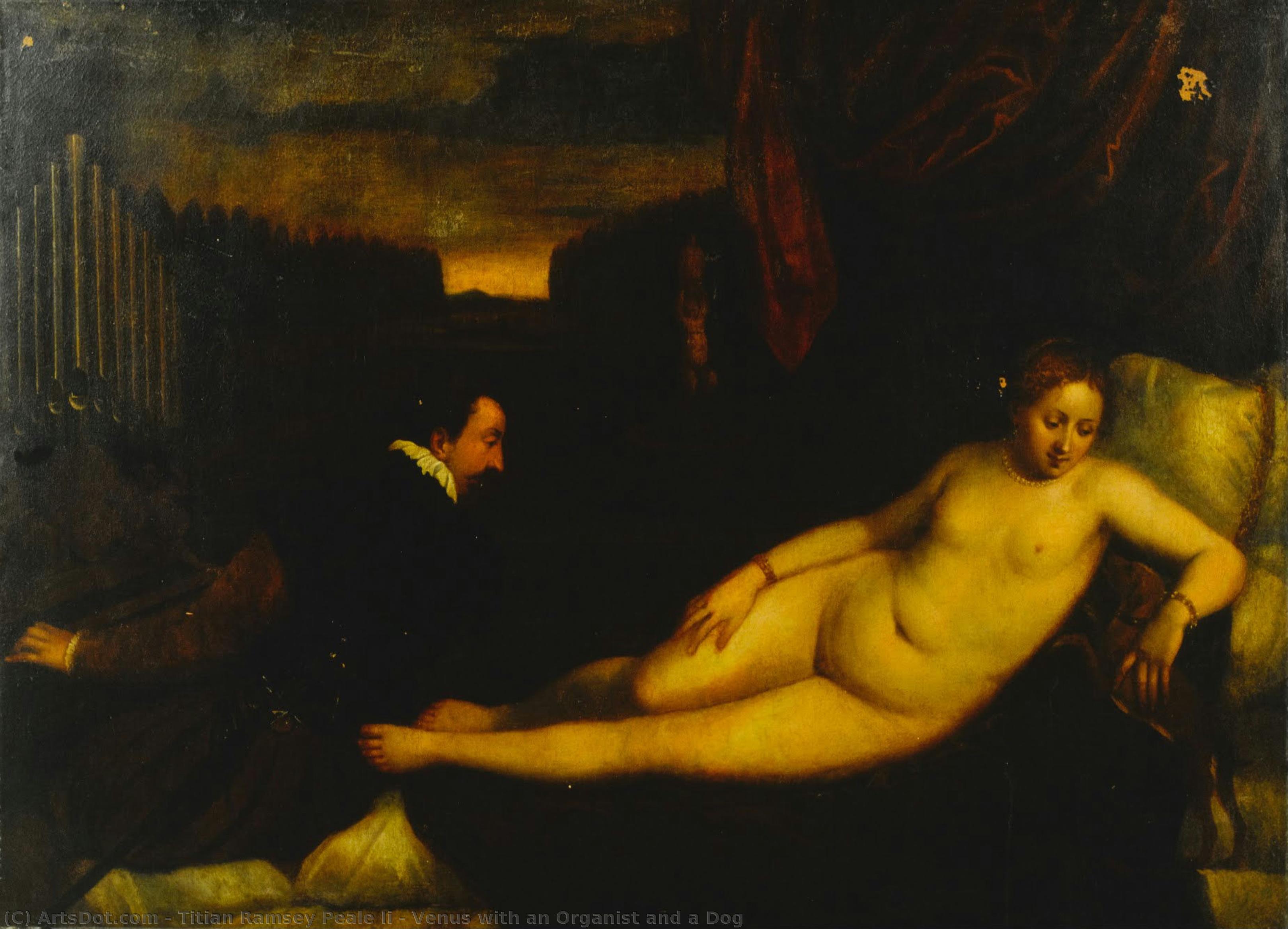
Venus with an Organist and a Dog
 Oil On Canvas
- WallArt
- Renaissance Echo
 19th Century
 157.0 x 213.0 cm
 モウリツハウイス
 詳細を見る
詳細を見る
ジークレー/アートプリント
迅速な制作と多彩な仕上げオプションを備えた、ミュージアムクオリティのジークレーまたはキャンバスプリント。 ( 手描きの絵画を購入 画像を購入)




P118B $10

P118H $10

P118W $10

P438Z $10

P508JH $12

P508YH $12

P805H $10

P805Z $10

P919BZ $10

P919G $10

P919XJ $10

P959ZH $10

P968JZ $12

W106C $8

W218G $10

W218JH $8

W218Y $10

W307PJ $10

W316G $10

W316PJ $8

W316Y $10

W398PJ $8

W4111J $10

W500HY $15

W500JH $15

W692G $12

W849H $8

W940BG $15

W953PJ $8




作品のオリジナル比率に合わせた、当店の規定サイズからお選びください。

特定のフレームやスペースに合わせて、ご自身でサイズを指定することも可能です。選択されたサイズが元の画像の比率と一致しない場合、作品をトリミングするか、鏡面反射または単色での塗りつぶしによって画像を拡張いたします。制作を開始する前に、ご確認用のデジタルモックアップをお送りいたします。
画面上のプレビューには、実際のトリミングや拡張は反映されませんのでご注意ください。最終的な構図を正確に確認できるのは、モックアップのみとなります。
カスタムサイズも承っておりますが、元の比率を維持するためには、あらかじめ用意されたリストからサイズを選択することをお勧めいたします。


 ガラスオプションは、110cm未満のサイズでのみご利用いただけます。

Venus with an Organist and a Dog
ジークレー/アートプリント
複製画のサイズ
-


合計金額
$ 62
A Venetian Echo in American Canvas: Exploring Titian Ramsay Peale II’s “Venus with an Organist and a Dog”
Titian Ramsay Peale II stands as a singular figure within the burgeoning artistic landscape of 19th-century America—a descendant carrying the torch of Renaissance grandeur into a nation grappling with its own identity. Born in Philadelphia, he inherited not merely lineage but also a profound aesthetic conviction from his father, Charles Willson Peale, a titan amongst early American portraitists and the visionary founder of the nation’s inaugural museum. While overshadowed by his father's monumental achievements, Titian Ramsay Peale II carved out a distinctive artistic voice, one profoundly influenced by the luminous ideals of Venetian High Renaissance art. This wasn’t simply imitation; it was an internalization—a channeling of classical sensibilities that distinguished him from many of his contemporaries and ensured his canvases resonated with an unparalleled level of detail and vibrancy.- Subject Matter: The painting depicts a serene tableau featuring Venus, reclining gracefully alongside a man seated beside her. Completing the composition are two dogs—one positioned subtly to the left, adding visual interest, and another closer to the right, anchoring the scene with warmth and companionship. An organ dominates the background, hinting at musical contemplation and enriching the overall atmosphere.
- Style: Peale II’s artistic approach firmly adheres to the stylistic conventions of Venetian Renaissance painting. The meticulous realism characteristic of artists like Giorgione and Titian himself—a hallmark of the era—is evident in every brushstroke, prioritizing accuracy and capturing subtle nuances of light and form.
Technique: Precision and Luminosity – Reflections of Venetian Mastery
Peale II’s technique exemplifies the meticulous craftsmanship demanded by Venetian artistic traditions. He employed oil paints on canvas with painstaking care, layering translucent glazes to achieve a remarkable luminosity—a quality that imbues the artwork with an ethereal glow. This glazing technique, perfected during the Renaissance, allowed for unparalleled control over color and texture, mirroring the masterful handling of pigment seen in celebrated Venetian masterpieces. The artist’s dedication to capturing naturalistic detail extends beyond mere representation; it strives to evoke a palpable sense of presence, inviting viewers into the intimate space depicted.Historical Context: Bridging Worlds – Artistic Legacy Amidst American Expansion
Created during a period of rapid American expansion and cultural assimilation, “Venus with an Organist and a Dog” speaks to the anxieties and aspirations of its time. Peale II’s artistic sensibilities reflect the broader movement toward embracing European intellectual and aesthetic ideals as America sought to establish itself on the global stage. Yet, crucially, he doesn't abandon his roots; rather, he synthesizes classical influences with American observation, resulting in a work that transcends geographical boundaries and speaks to universal themes of beauty, companionship, and contemplation. It stands as a testament to the enduring power of artistic heritage to shape cultural identity.Symbolism: Harmony and Domestic Tranquility – Echoes of Renaissance Ideals
The painting’s symbolism is layered with references to Renaissance humanist thought. Venus embodies feminine grace and fertility—symbols central to classical mythology and reflecting the prevailing belief in human dignity and potential. The organ represents musical contemplation, aligning with the Renaissance fascination for harmony and proportion—concepts considered paramount in achieving spiritual enlightenment. Furthermore, the presence of dogs symbolizes loyalty and guardianship, reinforcing the painting’s overarching message of domestic tranquility and idealized relationships.Emotional Impact: A Moment Frozen in Time – Capturing Beauty's Essence
Ultimately, “Venus with an Organist and a Dog” transcends mere visual representation; it aspires to evoke emotion. The serene posture of the figures, combined with the soft lighting and harmonious composition, invites viewers into a realm of quiet contemplation—a space where beauty reigns supreme and human connection is celebrated. Like many Renaissance artworks, this piece seeks not just to depict reality but to capture its essence—to distill the sublime into an enduring image that continues to inspire awe and wonder centuries later.関連作品
アーティストの略歴
ルネサンスのこだま、新世界に響く:ティタン・ラムゼイ・ピール2世
ティタン・ラムゼイ・ピール2世は、19世紀のアメリカ美術史における独特な位置を占める画家です。1799年フィラデルフィアで生まれ、その出自は芸術の家系に深く根ざしていました。父はチャールズ・ウィルソン・ピールであり、彼は初期アメリカの肖像画において重要な人物であり、また最初の博物館の創設者でもありました。父の遺産が彼の上に重くのしかかっていたにも関わらず、ティタンは独自の道を切り開きました。彼の芸術は、ヴェネツィアから発するルネサンス美術の美学に深く根ざしており、細部に至るまで鮮やかな色彩を駆使した作品群は、同時代の多くの画家たちとは一線を画していました。新大陸での勃興するアメリカ人としてのアイデンティティと、古き良き世界の巨匠への敬意が交錯し、魅力的な緊張感を生み出しました。博物学者のスケッチブックから、画家のキャンバスへ
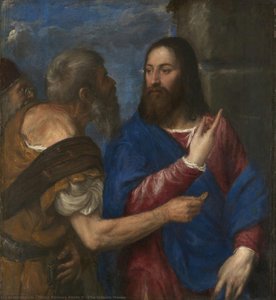
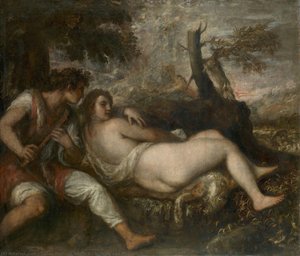
ピールの幼少期は、芸術と自然史という二つの情熱によって彩られていました。これは父の多才な活動によって育まれたものでした。彼はスティーブン・ハリマン・ロングによるロッキー山脈への遠征に同行し、そこに生息する動植物を洗練された技術で記録しました。この時期は単なる観察記録にとどまらず、形、光、そして質感の理解を深めるための訓練期間でした。博物学者としての経験は彼の芸術に影響を与え、自然界の描写に科学的な精密さを与えるだけでなく、単なる記録を超えた感情的な共鳴を生み出しました。彼はただ物事を見せるのではなく、その本質的な美しさと精神的な重要性を明らかにしていたのです。「貢納金」に見られるように、ルーベンスを彷彿とさせる光と影の巧みな使い方は、彼の才能を示す好例です。また、「ニンフと羊飼い」は、自然、神話、そして官能的な美しさを見事に融合させた作品として知られています。ヴェネツィアの影響と聖なるビジョン
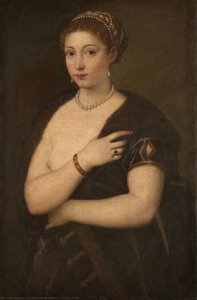
ティツィアーノ(彼が名付けられた芸術家)をはじめとするヴェネツィアの巨匠たちが提唱した色彩主義——豊かな輝きのある色彩と大気効果を重視する様式——の影響は、ピールの作品群において明確に見て取れます。彼は単にこれらの巨匠のスタイルを模倣しているのではなく、その原則を内面化し、自身の芸術的なビジョンに適応させています。「四人の聖人を描いた祭壇画」や「羊飼いの礼拝」に見られるように、彼の宗教画は、緻密な構成と色彩の巧みな使用によって感情を喚起し、鑑賞者を精神的な瞑想の世界へと誘い込みます。これらの作品における細部へのこだわりは、彼の技術力だけでなく、主題に対する深い敬意を示すものでもあります。さらに、「美」という肖像画は、その人物の形と個性を優雅さと洗練さで捉える彼の能力を実証しています。再評価と持続的な意義
20世紀の大半において、ティタン・ラムゼイ・ピール2世は美術史の中で比較的忘れ去られた存在でした。彼の作品は、主流の芸術的傾向に容易には適合せず、急速に変化する芸術界において古典的なスタイルへの献身が時代遅れと見なされたためです。しかし近年、彼の貢献に対する再評価が高まっています。研究者や収集家たちは、彼の作品を特徴づけるアメリカ的な感覚とヨーロッパの伝統のユニークな融合を認識し始めています。彼の作品の再発見は、単に美術史における空白を埋めることではなく、19世紀のアメリカ社会を形作った複雑な文化的力に対する理解を深めることを意味します。ピールは、世界を結ぶ架け橋であり、古典的な理想の永続的な力を証明する存在です。彼の作品は、今ではArtsDotやウフィツィ美術館、パラッツォ・ピッティなどのコレクションで見ることができ、忘れ去られたアメリカ美術史の一角を照らす光となっています。ピールの足跡:家族と科学への献身
ピールは芸術家であるだけでなく、博物学者としても多才な才能を発揮しました。彼は父親のフィラデルフィア博物館の運営を担い、トーマス・セイの研究のために昆虫を描き、アメリカ自然史協会のジャーナルに石版画技術を紹介するなど、科学界にも貢献しました。若き頃には、チャールズ・ルシアン・ボナパルトの支援のもとで、24歳までにアメリカにおける最高の鳥類画家としての地位を確立しました。しかし、1840年代には博物館が倒産し、妻や娘を亡くすなど、不幸な出来事が重なり、彼のキャリアは転換期を迎えます。その後、特許庁の審査官として新たな生活を始め、写真や油絵といった新しい趣味に没頭しました。彼は昆虫採集を続けましたが、1842年以降はかつて享受していた自然科学者としての専門的な地位を取り戻すことはありませんでした。1885年にフィラデルフィアで亡くなった彼の生涯は、芸術と科学の融合、そして古典的な美への揺るぎない献身を示すものでした。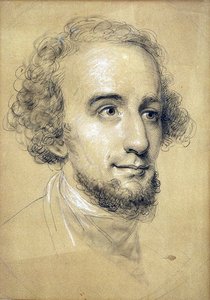
ティティアン・ラムゼイ・ピール2世
1799 - 1885 , アメリカ合衆国
基本情報
- フルネーム: ティタン・ラムゼイ・ピール2世
- 主な作品:
- 献金
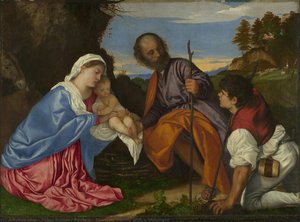
- 羊飼いの礼拝
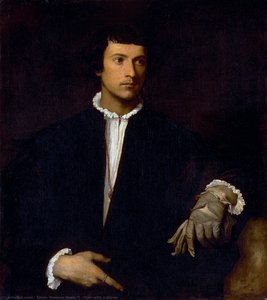
- 美
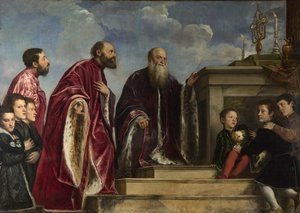
- 聖人たちと祭壇
- 国籍: アメリカ合衆国
- 影響を受けたアーティスト:
- ティツィアーノ
- ヴェネツィアの巨匠
- 生年月日: 1799年
- 芸術運動またはスタイル: ルネサンス様式
関連記事

The Enduring Legacy of Oil on Canvas: Technique, History & Aesthetic Impact
Explore the rich history & techniques of oil painting – from Renaissance masters to Impressionism. Discover pigments, layering methods, and why this timeless medium endures. Expert insights for artists & art enthusiasts.

Oil on Canvas: A Historical & Technical Exploration of a Timeless Artistic Medium
Explore the rich history & enduring techniques of oil painting on canvas. Discover the science behind its longevity, conservation practices, and contemporary relevance. Expert insights for art enthusiasts.

The Enduring Power of Painting: A Historical & Contemporary Exploration of Form and Emotion
Explore the rich history & enduring techniques of oil painting with ArtsDot. Discover masterpieces, learn about art collecting, and find authentic handmade reproductions crafted by skilled artists.
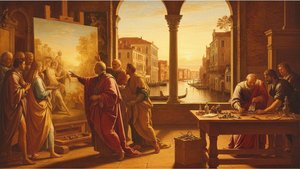
The Golden Light of Innovation: Exploring the Venetian Renaissance Art Movement (1430–1580)
Explore the Golden Age of Venetian art (1430–1580). Discover Giorgione, Titian & Tintoretto's techniques, the 'colorito' revolution, and lasting influence. Expert insights for collectors & enthusiasts.

油彩のキャンバス:技法、歴史、そして現代の実践 - 古典美術愛好家へ
油彩の技法、歴史、巨匠たちの秘密を徹底解説。古典美術愛好家向けに、初期フランドル絵画から現代の実践まで深く掘り下げます。ArtsDotで高品質な複製画やカスタムオーダーも承ります。